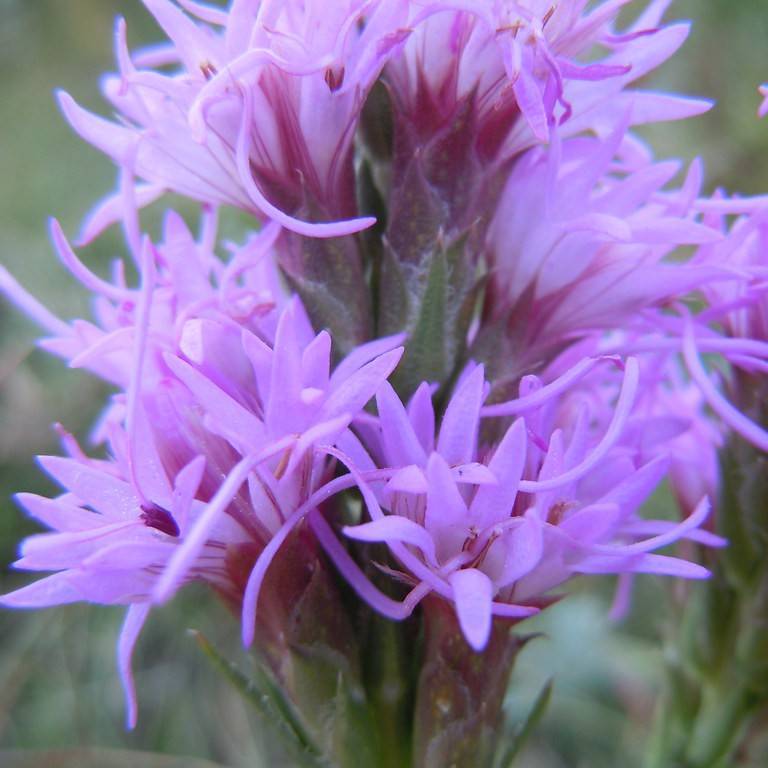
Dotted Blazing Star
Liatris punctata
Overview
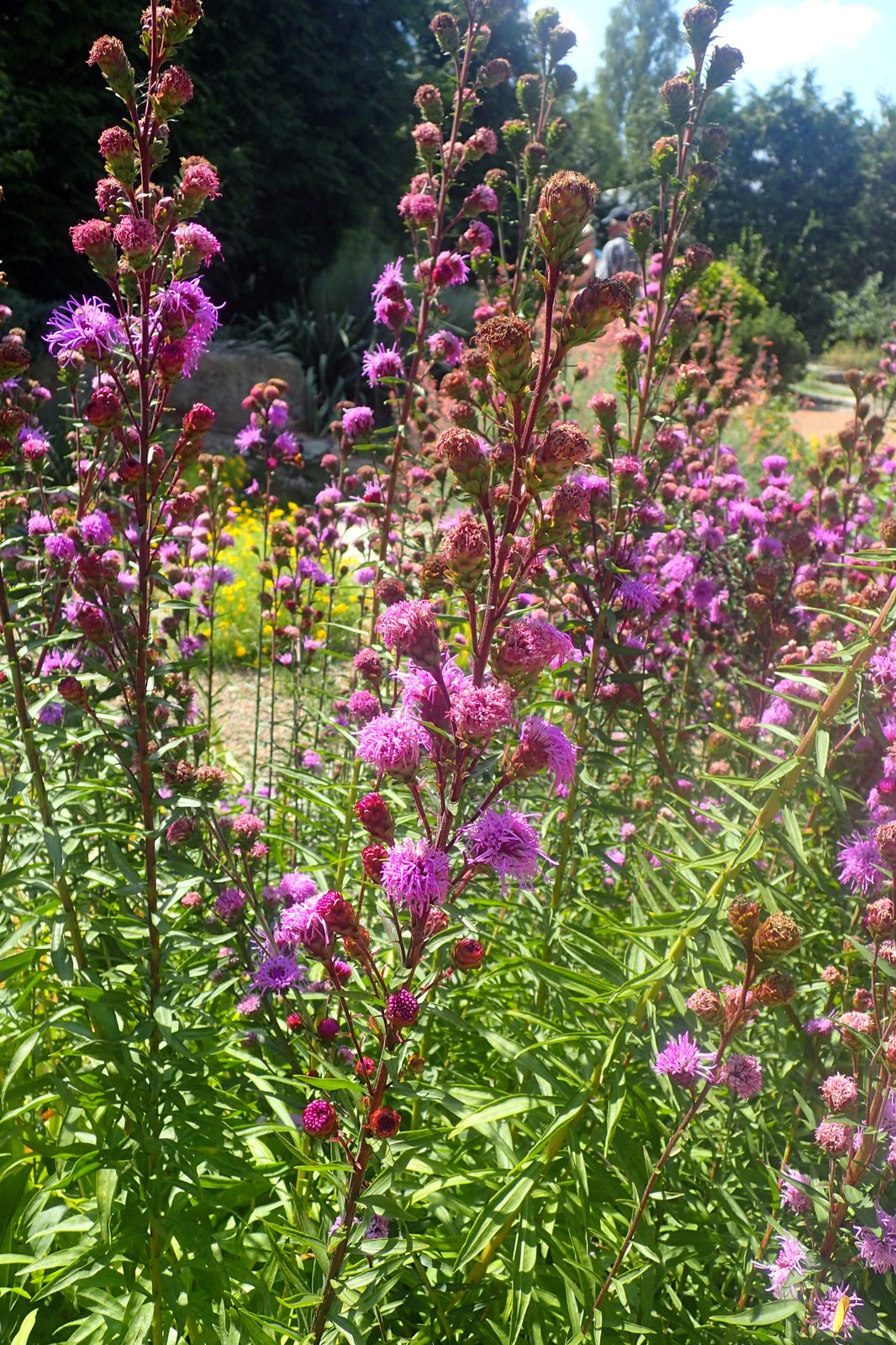
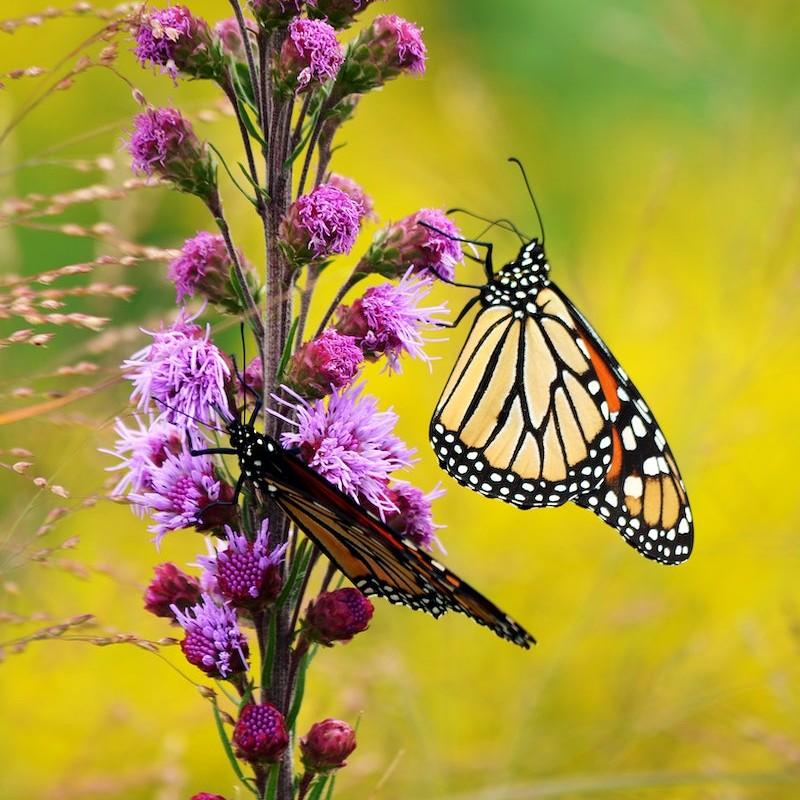
Dotted Blazing Star is a clumping herbaceous perennial named for the small dot-like glands dotting its narrow, gray-green leaves. It produces dense, upright spikes of tiny, fluffy purple composite blooms that open from the top of the spike downward in late summer. Adapted to harsh prairie conditions, it has a deep, fibrous taproot that helps it survive extended periods of drought and poor, rocky soils. It is a keystone species for prairie ecosystems, supporting a wide range of native insect and bird populations.
Care Guide
Watering
Water newly planted Dotted Blazing Star regularly for the first growing season to establish its deep taproot, keeping soil evenly moist but not waterlogged. Once established, it is extremely drought-tolerant, requiring only occasional supplemental watering during extended periods of extreme heat and no rainfall. Avoid overwatering, as soggy soil will quickly cause root rot and kill the plant.
Light
This species requires full sun, receiving at least 6 to 8 hours of direct, unfiltered sunlight daily to grow strong stems and produce abundant blooms. It will not thrive in partial shade, where it will develop weak, floppy stems and reduced flowering, and is more prone to fungal disease. Plant in an open, unshaded location for best performance.
Soil
Dotted Blazing Star adapts well to a wide range of soil types, including sandy, rocky, loamy, and clay soils, as long as drainage is excellent. It prefers neutral to slightly alkaline soil pH, but tolerates slightly acidic conditions as well. It thrives in poor, low-nutrient soils that many other plants struggle in, and will perform poorly in overly rich, fertile soils that cause leggy growth.
Fertilizer
This species rarely requires fertilization, as it is adapted to low-nutrient prairie soils. Over-fertilizing will cause weak, floppy stem growth and reduced flowering, so avoid applying high-nitrogen products entirely. If grown in extremely nutrient-poor soil, a light application of balanced, slow-release fertilizer in early spring once every 2 to 3 years is sufficient.
Temperature
Dotted Blazing Star is extremely cold-hardy, tolerating winter temperatures as low as -40°F (-40°C) in USDA hardiness zones 3 through 9. It thrives in warm summer temperatures and tolerates extreme heat and humidity well, as long as soil drainage is adequate. It is well-adapted to the temperature fluctuations of its native prairie habitat, including sudden cold snaps and heatwaves.
Pruning
Deadhead spent flower spikes after blooming if you wish to prevent self-seeding, or leave them standing through the winter to provide food for seed-eating birds like finches. Cut back dead, brown foliage to the ground in late winter or early spring before new growth emerges to keep the planting neat and reduce overwintering pest and disease spores. Staking is rarely needed, as the stems are naturally rigid when grown in full sun.
Propagation
Dotted Blazing Star is most easily propagated by seed, which can be sown directly outdoors in fall to undergo natural cold stratification over winter, or stratified indoors for 30 to 45 days before spring sowing. Established clumps can also be divided in early spring every 3 to 4 years, carefully digging up the taproot and cutting it into sections with at least one growth bud each to replant. Plants grown from seed will typically bloom in their second or third growing season.
Humidity
This species tolerates a wide range of humidity levels, from dry arid conditions to moderate summer humidity common in its native prairie range. High humidity is only problematic if paired with poor drainage and soggy soil, which can lead to fungal root rot. Ensure good air circulation around plants to minimize foliar fungal issues in more humid climates.
Repotting
Dotted Blazing Star is rarely grown in containers due to its long, deep taproot, which requires significant depth to grow properly. If grown in a pot, use a deep, wide container at least 12 to 18 inches deep to accommodate the taproot, and use a fast-draining, sandy soil mix. Repot only when the plant becomes severely root bound, which is uncommon, and do so in early spring before new growth begins to minimize root disturbance.
Uses & Symbolism
Dotted Blazing Star is a popular choice for native plant gardens, pollinator gardens, xeriscapes, rock gardens, and prairie restorations, as it provides abundant nectar for bees, butterflies, and hummingbirds. The long-lasting, showy purple flower spikes are excellent cut flowers for fresh arrangements, and dried spikes are used in dried floral crafts. Its deep taproot helps stabilize soil on slopes and eroding areas, making it useful for erosion control projects in dry regions.
Diseases & Pests
Dotted Blazing Star is relatively pest and disease resistant when grown in its preferred conditions, with root rot caused by overwatering or poorly drained soil being the most common issue. Foliar diseases like powdery mildew and rust may occur in humid, shady conditions with poor air circulation, but are easily prevented by planting in full sun and spacing plants properly for airflow. Aphids and leafhoppers may occasionally feed on new growth, but rarely cause significant damage and can be controlled with a strong spray of water or insecticidal soap if needed.
Related plants
Other plants you might like if you grow Dotted Blazing Star.