Crimson Fountaingrass
Pennisetum setaceum 'Rubrum'
Overview
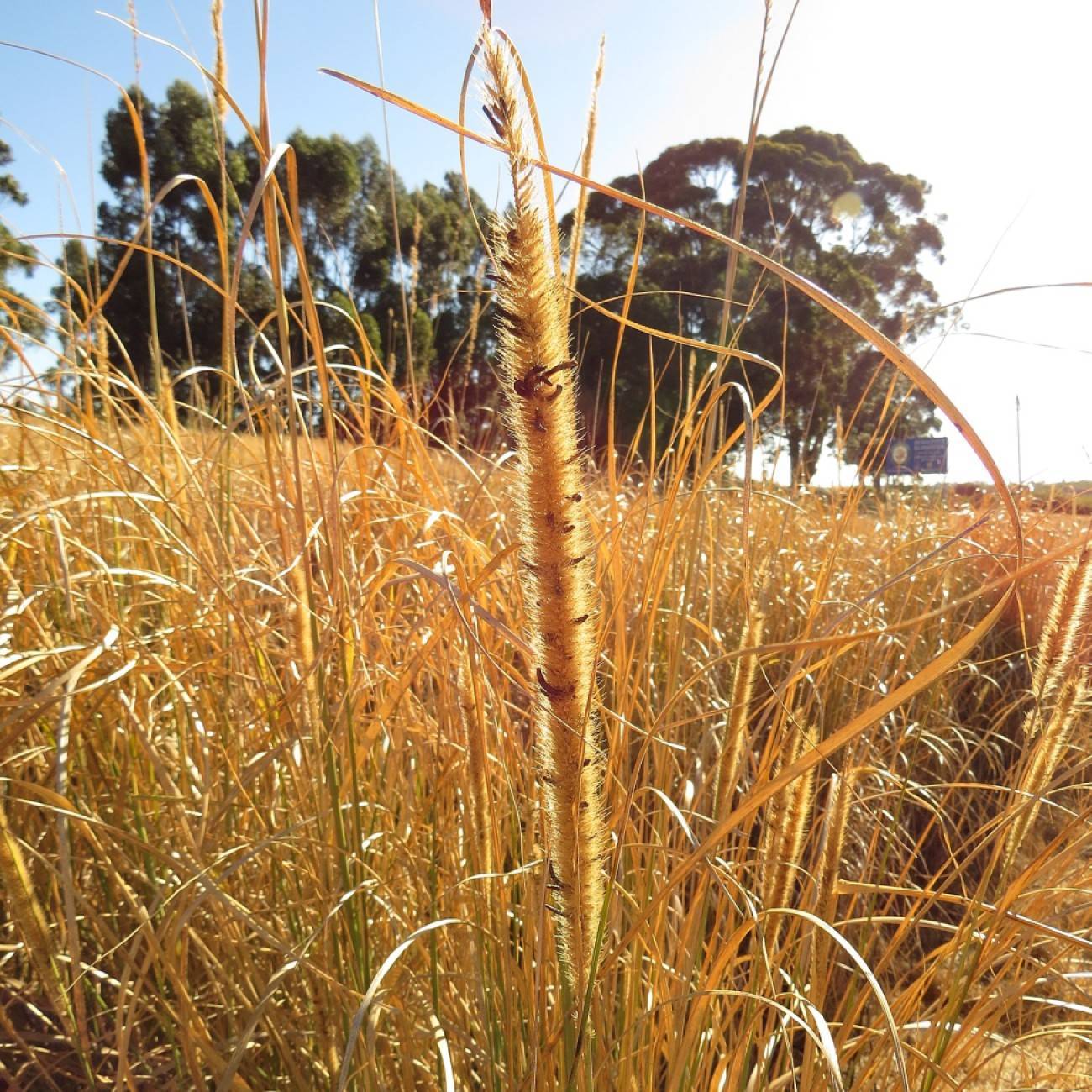
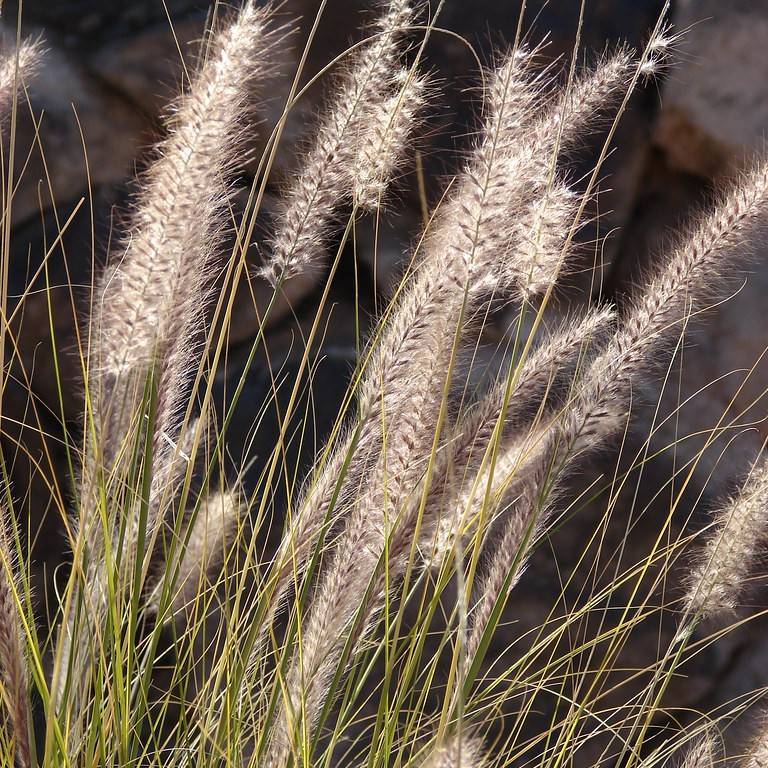
Crimson fountaingrass is a popular warm-season ornamental cultivar prized for its vivid, deep burgundy foliage that retains its color from spring through fall. It produces soft, feathery, reddish-purple plumes that rise above the foliage in mid-summer, creating a cascading, fountain-like silhouette that adds movement and texture to landscapes. In frost-free climates it grows as an evergreen perennial, while in temperate regions it is often grown as an annual or overwintered indoors. It is considered invasive in some warm regions including parts of the southwestern U.S., Hawaii, and Australia.
Care Guide
Watering
Water newly planted crimson fountaingrass regularly to keep the soil evenly moist for the first growing season as it establishes a deep root system. Once established, it is highly drought tolerant, requiring only occasional deep watering during extended dry periods; avoid overwatering or soggy soil to prevent root rot. In containers, water when the top 2 to 3 inches of soil feel dry, reducing frequency in winter when growth slows.
Light
Crimson fountaingrass thrives in full sun, requiring a minimum of 6 hours of direct, unfiltered sunlight daily to produce its signature deep burgundy foliage and abundant flower plumes. Insufficient light will cause the foliage to fade to a dull green, reduce flowering, and lead to leggy, sparse growth. It can tolerate very light partial shade, but will not reach its full color or size potential in shaded locations.
Soil
This adaptable grass grows well in most well-drained soil types, including sandy, loamy, and even poor, rocky soils that would challenge many other ornamental plants. It prefers a neutral to slightly alkaline pH between 6.0 and 7.5, but can tolerate mild acidity as long as drainage is excellent. Avoid heavy, compacted clay soils that hold standing water, as this will quickly lead to root rot and plant decline.
Fertilizer
Crimson fountaingrass is a light feeder that rarely requires supplemental fertilizer when grown in average garden soil. Overfertilizing will cause excessive, leggy growth, reduce foliage color intensity, and make the plant floppy. If grown in poor soil or containers, apply a balanced, slow-release granular fertilizer once in early spring at half the recommended label strength, avoiding high-nitrogen formulas.
Temperature
It thrives in warm temperatures between 65 and 85°F (18 to 29°C), and is winter hardy in USDA zones 9 through 11, where temperatures do not drop below 20°F (-7°C). In regions with colder winters, it can be grown as an annual, or potted and brought indoors to a cool, bright location for the winter months. Frost will kill the above-ground foliage, but roots may survive mild, short freezes if heavily mulched.
Pruning
Prune crimson fountaingrass in late winter or early spring before new growth emerges, cutting the entire clump back to 4 to 6 inches above the soil line to remove dead foliage and make way for fresh, vibrant new growth. Remove spent flower plumes at any time if you prefer a tidier appearance, though leaving them in place adds winter interest and provides food for small birds. Trim back any brown or damaged foliage during the growing season as needed to maintain a neat shape.
Propagation
The most reliable method of propagating crimson fountaingrass is through division of established clumps in early spring just as new growth begins to appear. Dig up the entire root clump, use a sharp, clean knife or spade to split it into smaller sections each with a healthy portion of roots and new growth buds, then replant sections at the same depth they were originally growing. This cultivar does not produce viable seed, so propagation from seed is not possible, as any resulting seedlings will revert to the green wild form of the species.
Humidity
Crimson fountaingrass tolerates a wide range of humidity levels, thriving in both dry, arid climates and moderately humid regions as long as air circulation is good. High humidity combined with poor air flow and overly wet soil can increase the risk of fungal leaf spots and root rot, so space plants appropriately to allow for air movement around foliage. It does not require any supplemental humidity when grown indoors, making it well suited to dry indoor winter conditions.
Repotting
Container-grown crimson fountaingrass should be repotted every 2 to 3 years in early spring, before new growth starts, when roots begin to grow through the drainage holes or become pot-bound. Choose a pot that is 2 to 3 inches larger in diameter than the current container, with multiple drainage holes, and use a well-draining potting mix amended with perlite or coarse sand to improve drainage. After repotting, water thoroughly and place the pot in a full sun location to encourage new root establishment.
Uses & Symbolism
Crimson fountaingrass is widely used in landscape design as a specimen plant, in mass plantings for erosion control on slopes, as a border edging, or in mixed perennial beds to add vertical texture and bold color contrast. Its feathery plumes are popular for cut flower arrangements, both fresh and dried, holding their shape and color well for months when dried. It is also well suited for container growing on patios, balconies, or rooftop gardens, where its cascading habit creates a dramatic focal point.
Diseases & Pests
Crimson fountaingrass is relatively pest and disease resistant, but may be susceptible to root rot if planted in poorly drained, consistently soggy soil. Fungal leaf spots and rust can occur in areas with high humidity, poor air circulation, and prolonged leaf wetness, which can be prevented by spacing plants properly, watering at the base rather than overhead, and removing affected foliage promptly. Rare pest issues include aphids and spider mites, which can be controlled with insecticidal soap or neem oil sprays for severe infestations.
Related plants
Other plants you might like if you grow Crimson Fountaingrass.