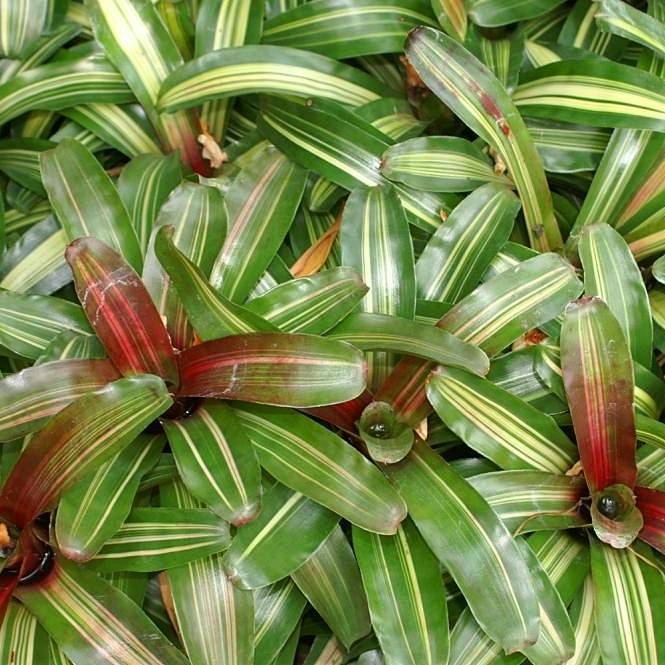
Blushing Bromeliad
Neoregelia carolinae
Overview
Native to the rainforest floors of southeastern Brazil, the blushing bromeliad is an epiphytic perennial prized for its rosette of glossy, strap-like green leaves. As the plant reaches maturity, its central foliage turns a vivid pink to deep red, earning it its common name, and it produces small, inconspicuous violet or white flowers nestled in the center cup. Individual rosettes die back after flowering, but produce new offsets around their base to continue growing as a clump.
Care Guide
Watering
Keep the central cup of the rosette filled with clean, non-chlorinated water at all times, refreshing it every 1-2 weeks to prevent bacterial growth. Water the surrounding soil only when the top 1-2 inches feel completely dry, taking care not to overwater to avoid root rot. During winter dormancy, reduce soil watering frequency slightly while maintaining water in the central cup.
Light
Thrives in bright, indirect light, such as that filtered through a sheer curtain, to support vibrant foliage color and healthy growth. Avoid prolonged direct midday sun, which can scorch the leaves and fade their bright blush, while too little light will prevent the central foliage from turning its characteristic red. It can tolerate low light conditions for short periods, but growth will slow and color will be muted.
Soil
Requires a loose, well-draining, acidic growing medium formulated for bromeliads or orchids, typically composed of bark, perlite, and sphagnum moss to replicate its epiphytic native habitat. Heavy, moisture-retentive potting soil is unsuitable, as it will hold too much water and cause the roots to rot rapidly. For plants grown mounted on wood or bark, no soil is required, as roots will anchor to the surface and absorb moisture from the air.
Fertilizer
Feed with a diluted, balanced liquid fertilizer formulated for bromeliads or houseplants once a month during the spring and summer growing season only. Apply fertilizer directly to the soil around the base of the plant, not to the central cup, to avoid burning the delicate inner foliage. Skip fertilizing entirely during fall and winter, as the plant enters a period of slower growth and does not require extra nutrients.
Temperature
Prefers consistent warm temperatures between 60-80°F (15-27°C) for optimal growth, matching its native tropical environment. It can tolerate brief drops as low as 50°F (10°C), but prolonged exposure to temperatures below this will cause leaf damage and stunted growth. Avoid placing it near cold drafts from windows, doors, or air conditioning units, as sudden temperature swings can stress the plant.
Pruning
Prune away any dead, yellowed, or damaged outer leaves at their base using clean, sharp shears to keep the plant looking tidy and prevent pest infestations. After the main rosette finishes flowering and begins to die back, cut it away at its base once the surrounding offsets are at least one-third the size of the parent plant to direct energy to new growth. Do not remove healthy green foliage, as it produces energy for the plant and supports the development of new offsets.
Propagation
Easily propagated by removing and repotting the small offsets, or pups, that grow around the base of the parent rosette after it finishes flowering. Allow the cut surface of the offset to dry for 1-2 days to prevent rot, then plant it in a small pot with well-draining bromeliad medium, keeping the soil slightly moist until roots establish in 4-6 weeks. Propagation from seed is possible but very slow and rarely done by home growers, as offsets produce mature plants much faster.
Humidity
Requires moderate to high humidity levels between 50-70% to thrive, mimicking the moist rainforest conditions of its native range. If grown in dry indoor environments, mist the foliage regularly, place the pot on a tray filled with pebbles and water, or use a humidifier to raise ambient humidity levels. Low humidity will cause the leaf tips to turn brown and crispy, even if the plant is watered correctly.
Repotting
Repot young blushing bromeliads every 1-2 years in spring, moving them to a pot only 1-2 inches larger than their current container, as they have small root systems and prefer to be slightly root-bound. Mature plants rarely need repotting, and offsets can be removed and potted individually instead of repotting the entire clump. Always use fresh, well-draining bromeliad medium when repotting, and avoid packing the soil tightly around the roots to allow for air flow.
Uses & Symbolism
Widely grown as a low-maintenance houseplant for its striking, colorful foliage, adding a tropical accent to indoor spaces, shaded patios, or conservatories. It is often used in tropical landscape design in warm, frost-free climates, planted in shaded garden beds, mounted on tree trunks, or grown in container groupings. As an epiphyte, it is a popular choice for living wall installations and vertical garden projects where its spreading rosette form and vibrant color can be showcased.
Diseases & Pests
Overwatering and poorly draining soil are the most common causes of root rot, a fungal disease that causes wilting, yellowing leaves, and eventual plant death if not addressed quickly. It can be affected by common houseplant pests including mealybugs, scale insects, and spider mites, which tend to hide in the crevices between leaves and can be controlled with insecticidal soap or neem oil. Stagnant water left in the central cup for extended periods can lead to bacterial or fungal growth, causing a foul odor and rotting of the inner foliage.
Related plants
Other plants you might like if you grow Blushing Bromeliad.
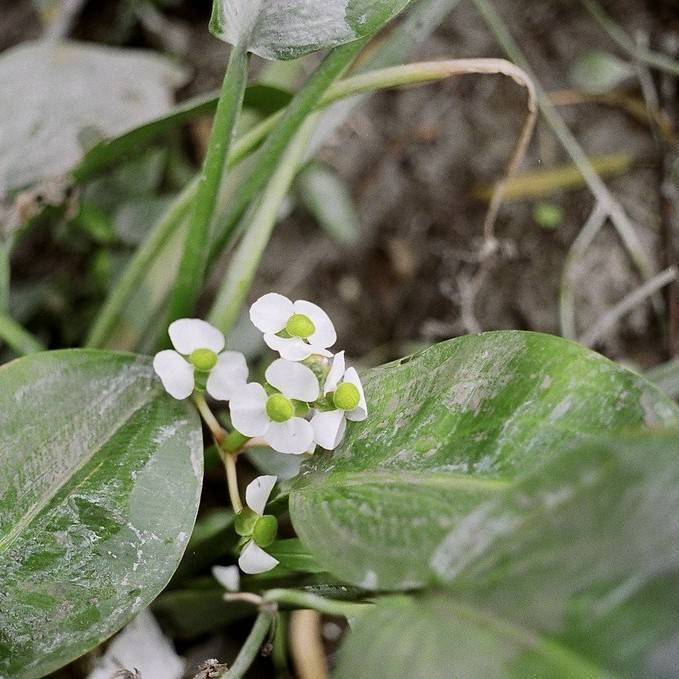
Arrowhead Plant
Syngonium podophyllum
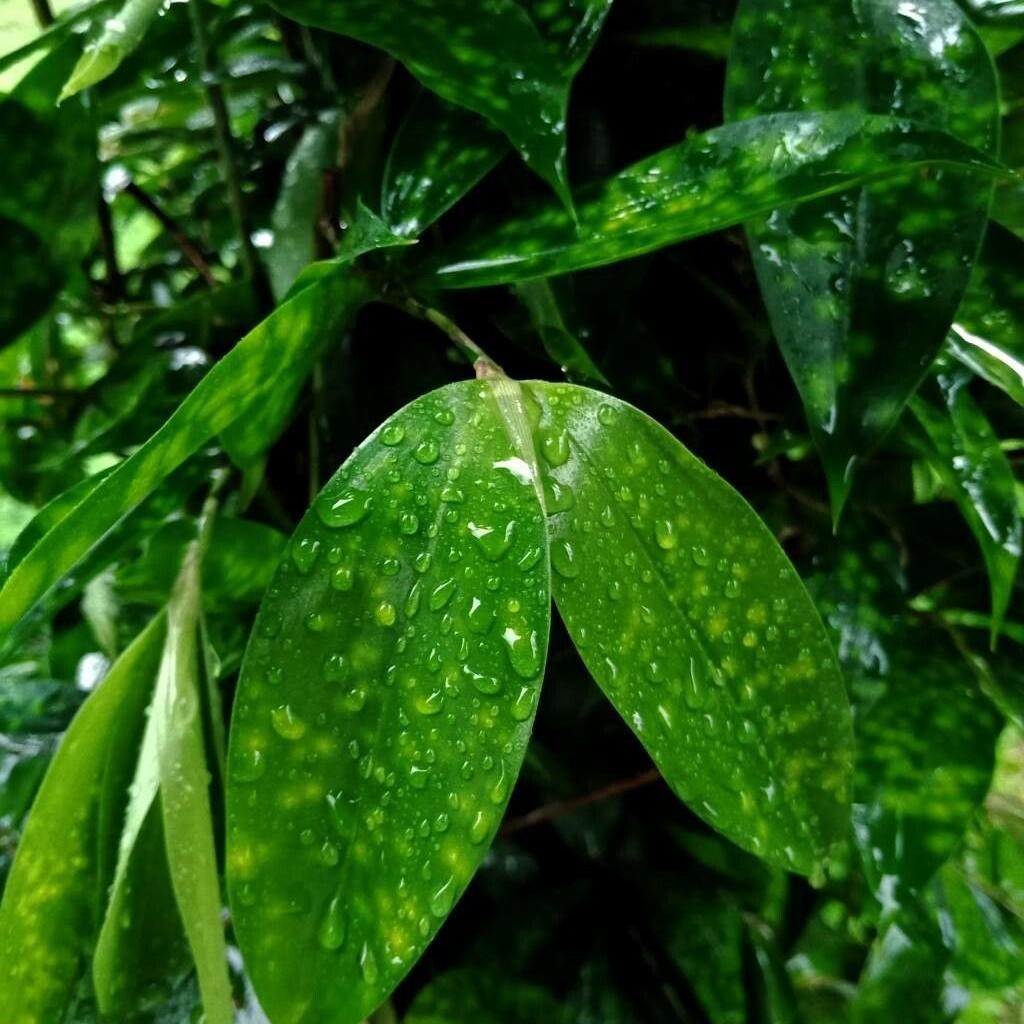
Gold Dust Dracaena
Dracaena surculosa 'Florida Beauty'
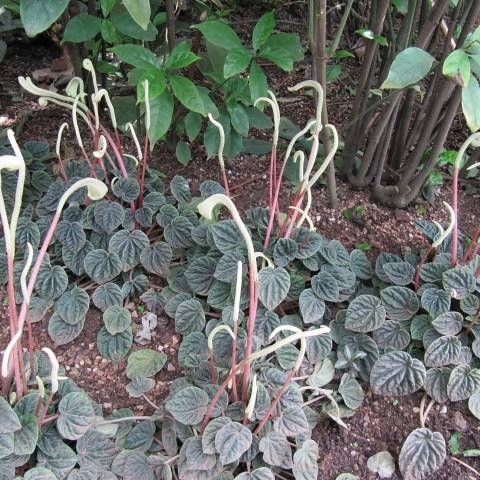
Emerald Ripple Pepper
Peperomia caperata 'Emerald Ripple'
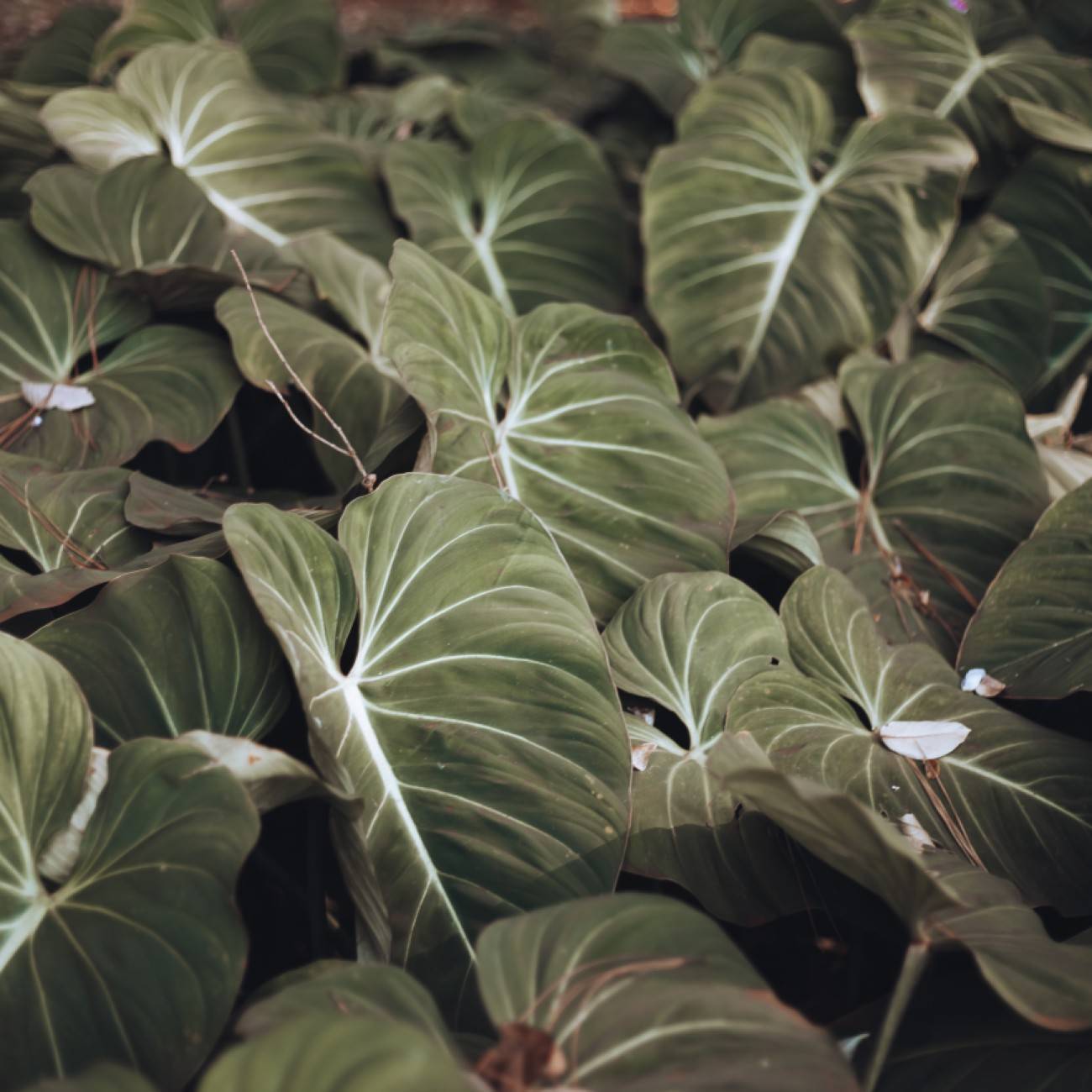
Hybrid Philodendron
Philodendron hybridum (group)
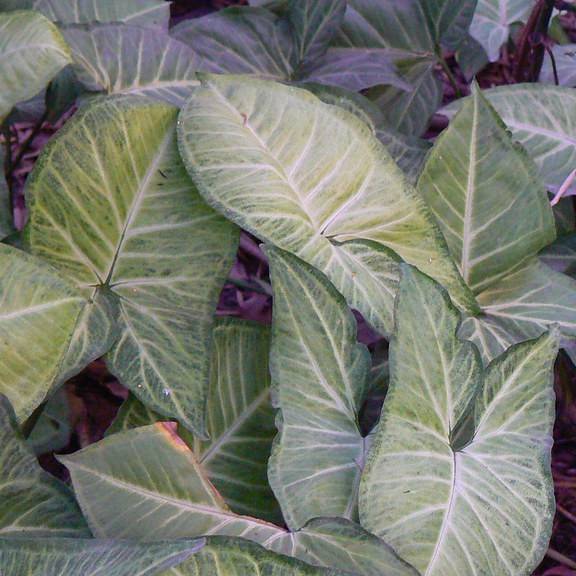
Arrowhead Plant
Syngonium podophyllum
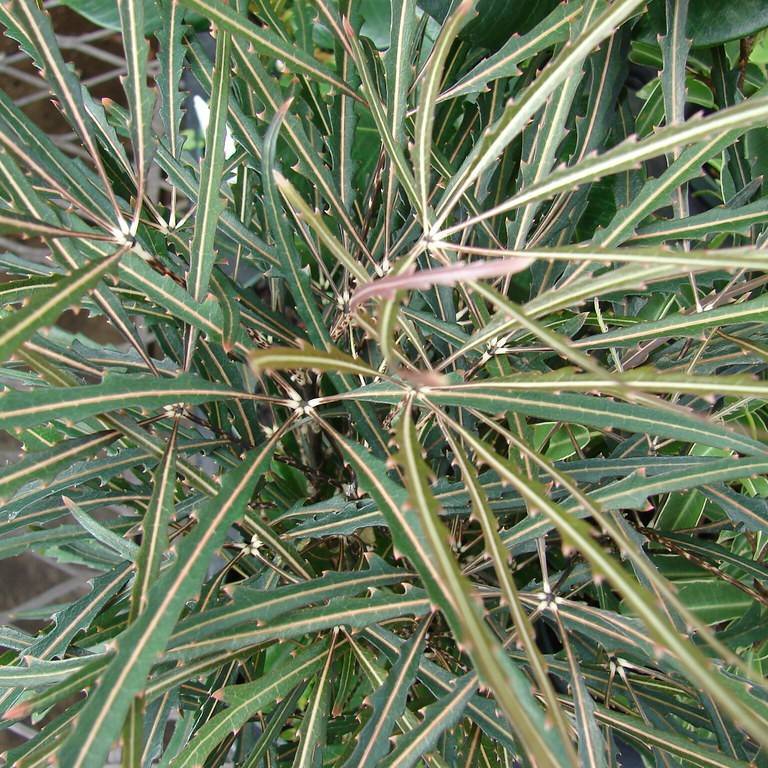
False Aralia
Plerandra elegantissima (syn. Schefflera elegantissima)
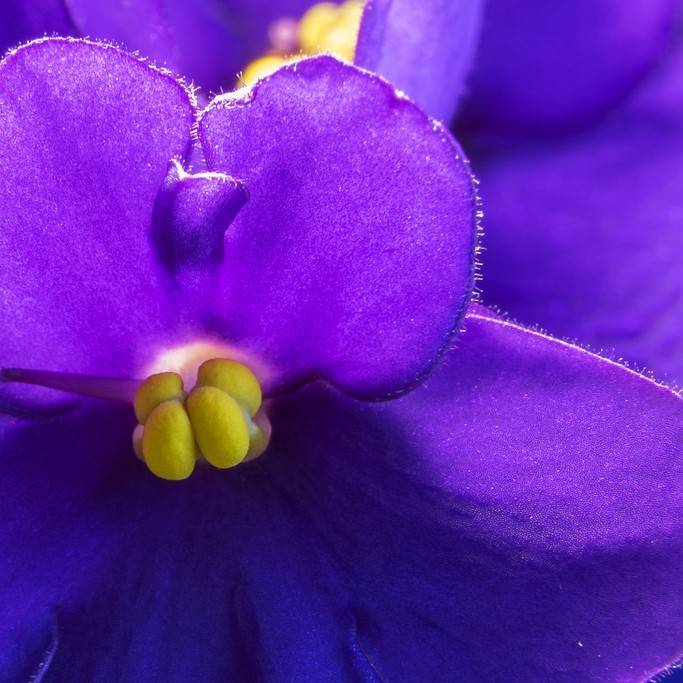
African Violet
Streptocarpus ionanthus (syn. Saintpaulia ionantha)
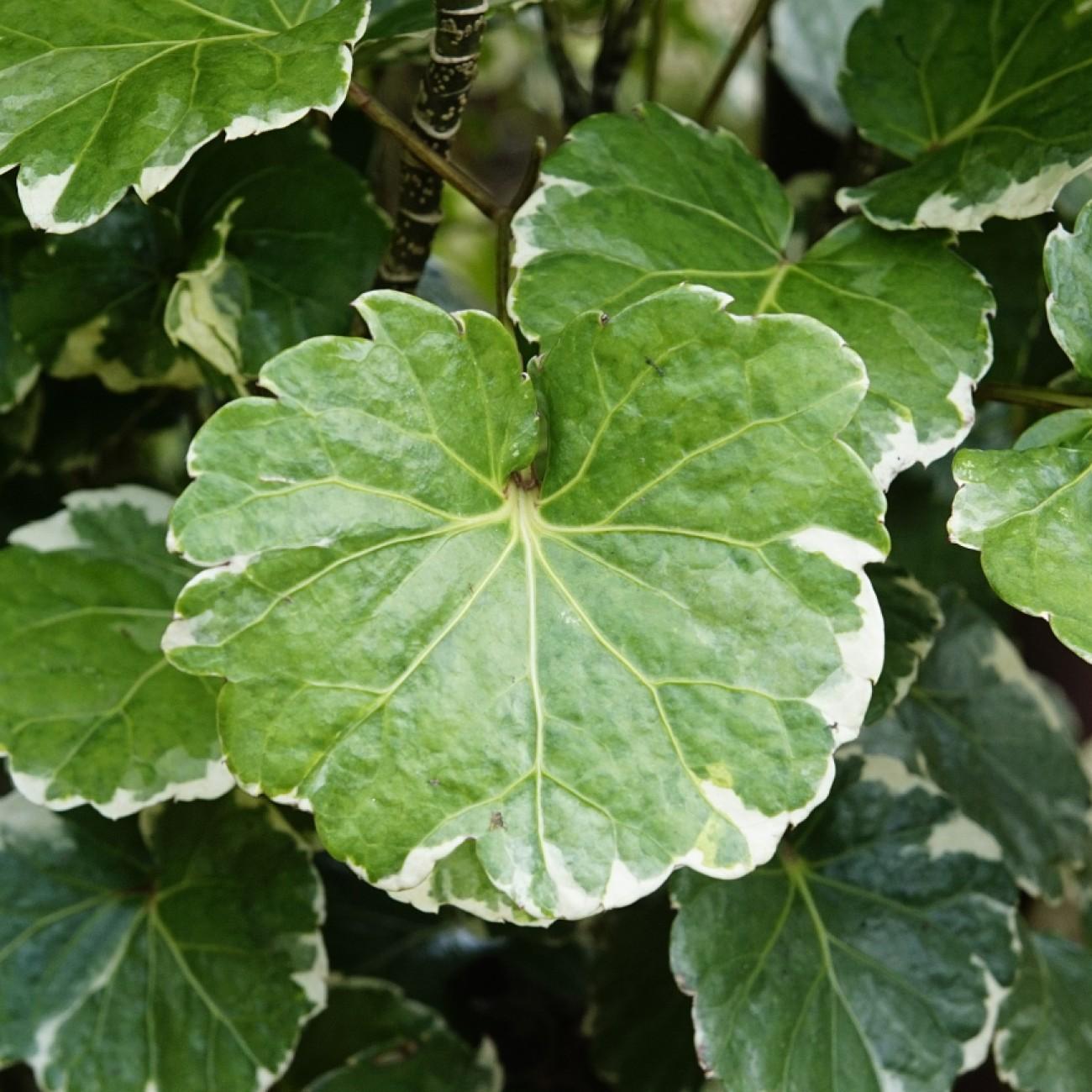
Balfour Aralia
Polyscias scutellaria 'Balfourii'