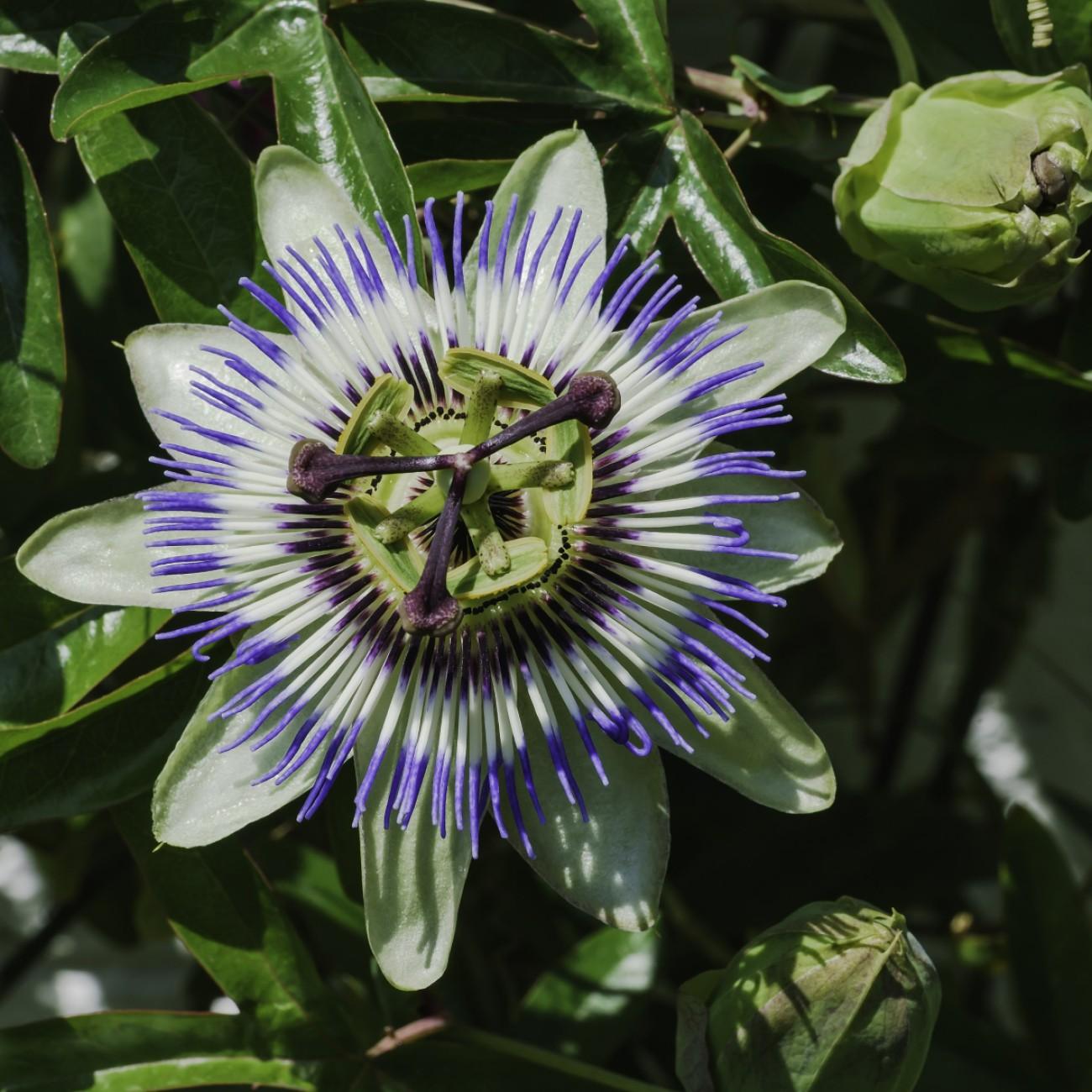
Blue Passionflower
Passiflora caerulea
Overview
Blue passionflower is a fast-growing, twining vine with glossy, lobed evergreen leaves that retains its foliage in mild climates, dying back to the ground in areas with light frost. Its distinctive, 3-4 inch wide flowers feature white outer petals, a ring of thread-like blue and purple corona filaments, and prominent central reproductive structures, giving it a surreal, ornate appearance. After pollination, the vine produces small, egg-shaped orange-yellow fruits with a sweet, mild pulp that is edible when fully ripe. It has naturalized in parts of North America, Europe, and Australia, where it is often grown as an ornamental landscape plant.
Care Guide
Watering
Water blue passionflower regularly during the growing season, keeping the soil consistently moist but not waterlogged to prevent root rot. Reduce watering frequency in winter, allowing the top 2-3 inches of soil to dry out between waterings when growth slows. Container-grown plants may need more frequent watering, especially during hot, dry weather.
Light
Plant blue passionflower in full sun to partial shade, with at least 6 hours of direct sunlight daily for maximum flower production. In extremely hot, arid climates, provide light afternoon shade to prevent leaf scorch and reduce water stress. Indoor plants should be placed near a south or west-facing window to receive bright, indirect light for most of the day.
Soil
Grow blue passionflower in well-draining, loamy or sandy soil with a pH between 6.1 and 7.5, though it tolerates a wide range of soil types as long as they do not stay saturated. Amend heavy clay soils with compost, perlite, or aged manure to improve drainage and aeration before planting. For container plants, use a high-quality potting mix formulated for flowering vines, mixed with 10-20% perlite to enhance drainage.
Fertilizer
Feed blue passionflower with a balanced, slow-release 10-10-10 fertilizer in early spring, just as new growth begins, to support foliage development and flower production. Repeat applications every 4-6 weeks during the growing season, avoiding high-nitrogen fertilizers that can promote excessive leaf growth at the expense of flowers. Stop fertilizing entirely in late fall and winter to allow the plant to enter its dormant period.
Temperature
Blue passionflower thrives in temperatures between 65-85°F (18-29°C) during the growing season, and can tolerate light frost down to 10°F (-12°C) if planted in the ground, where it will regrow from the roots in spring. In areas with prolonged freezing temperatures, grow the vine in a container and move it indoors to a cool, frost-free space for winter. Indoor plants should be kept away from cold drafts and heating vents to prevent leaf drop.
Pruning
Prune blue passionflower in late winter or early spring, before new growth emerges, to control its size, remove dead or damaged stems, and encourage bushier, more floriferous growth. Cut back overgrown stems by up to one-third of their length, and thin out crowded interior growth to improve air circulation and reduce disease risk. Regularly trim away wayward or unwanted shoots throughout the growing season to keep the vine contained to its trellis or support structure.
Propagation
Blue passionflower is most easily propagated from semi-hardwood cuttings taken in summer, using 4-6 inch stem segments with at least 2-3 leaf nodes, dipped in rooting hormone and planted in moist, well-draining potting mix. It can also be grown from fresh seed extracted from ripe fruits, though seeds may take 1-3 months to germinate and require scarification or soaking in warm water for 24 hours prior to planting to break dormancy. Suckers that emerge from the root system of established plants can also be dug up and transplanted in early spring to create new plants.
Humidity
Blue passionflower prefers moderate humidity levels between 40-60%, but adapts well to average household humidity and drier outdoor conditions as long as its water needs are met. In very dry indoor environments, mist the leaves occasionally or place a tray of water and pebbles beneath the container to raise ambient humidity around the plant. Avoid excessively high, stagnant humidity, which can increase the risk of fungal leaf spots and powdery mildew.
Repotting
Repot container-grown blue passionflower every 2-3 years in early spring, moving it to a pot one size larger than its current container to accommodate its vigorous root system. Use fresh potting mix during repotting, and gently loosen any tightly bound root balls to encourage new root growth. Mature plants that have reached their desired size can be root-pruned and repotted back into their original container with fresh soil to restrict growth and prevent overcrowding.
Uses & Symbolism
Blue passionflower is widely grown as an ornamental vine for trellises, arbors, fences, and wall coverings, valued for its showy, unique flowers and fast growth that provides quick privacy screening. The fully ripe fruits are eaten fresh, used in jams, jellies, and beverages, or processed into desserts, offering a mild, sweet flavor similar to that of related passionfruit species. In traditional herbal medicine, extracts from the leaves and flowers are used as a mild sedative and anxiolytic, though medical use should be supervised by a professional due to potential toxicity.
Diseases & Pests
Blue passionflower is susceptible to common pests including aphids, spider mites, whiteflies, and passionvine hoppers, which feed on sap and can cause leaf yellowing, stunted growth, and sooty mold growth on honeydew secretions. Fungal diseases such as powdery mildew, leaf spot, and root rot can occur in overly moist, poorly ventilated conditions, especially if the soil is waterlogged or foliage remains wet for extended periods. Caterpillars of the Gulf fritillary and other passionflower butterflies often feed on the leaves, though damage is rarely severe enough to harm established plants and is generally tolerated to support pollinator populations.
Related plants
Other plants you might like if you grow Blue Passionflower.
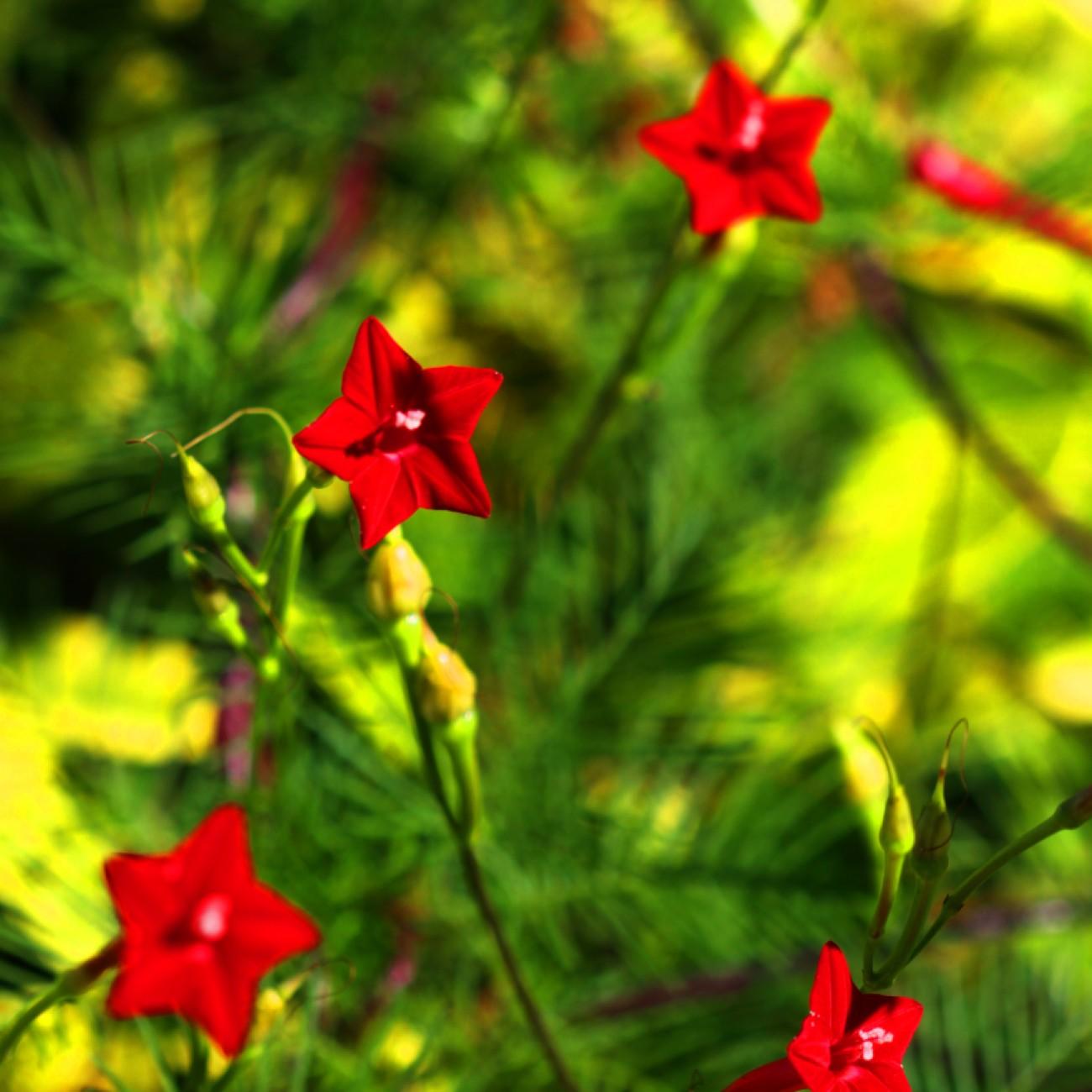
Cypress Vine
Ipomoea quamoclit
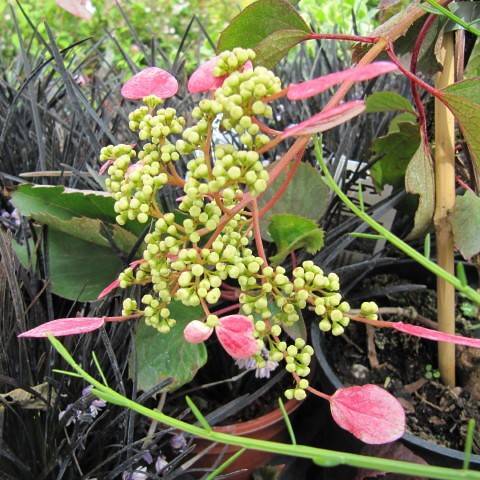
Japanese Hydrangea Vine
Schizophragma hydrangeoides
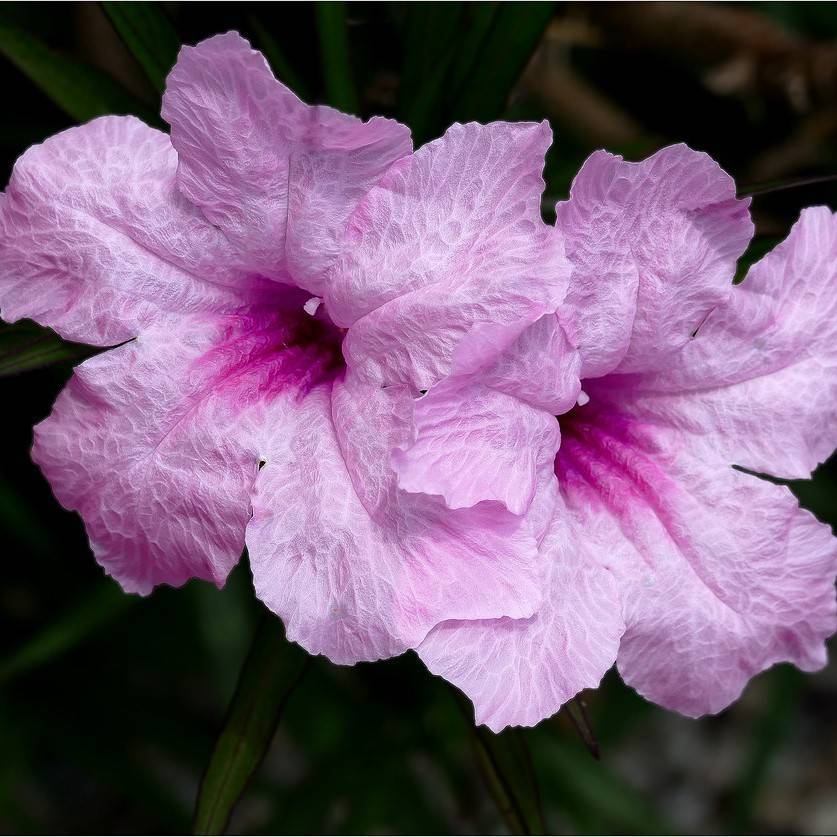
Dwarf Ruellia
Ruellia simplex 'Katie'
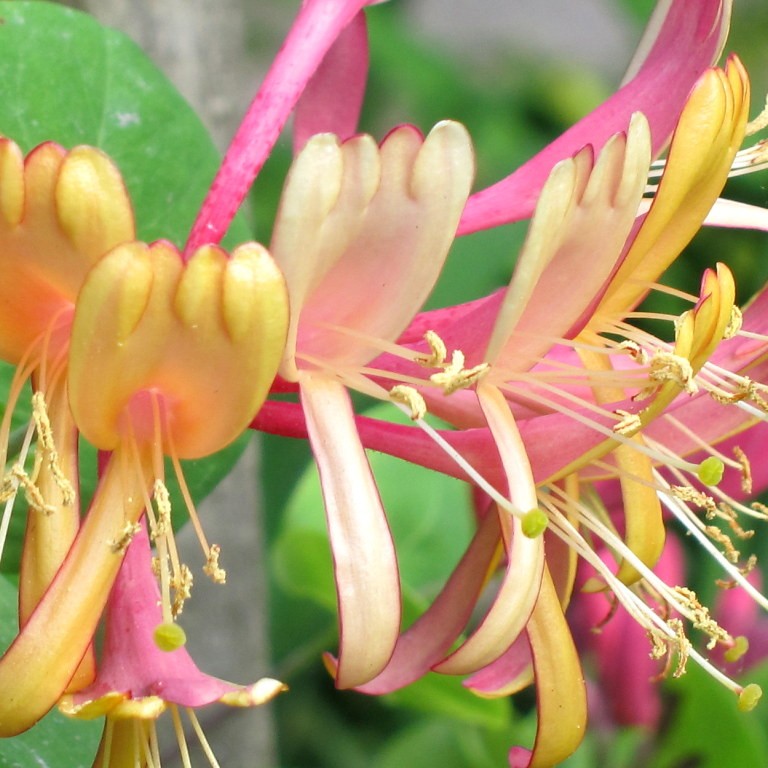
Goldflame Honeysuckle
Lonicera × heckrottii 'Goldflame'
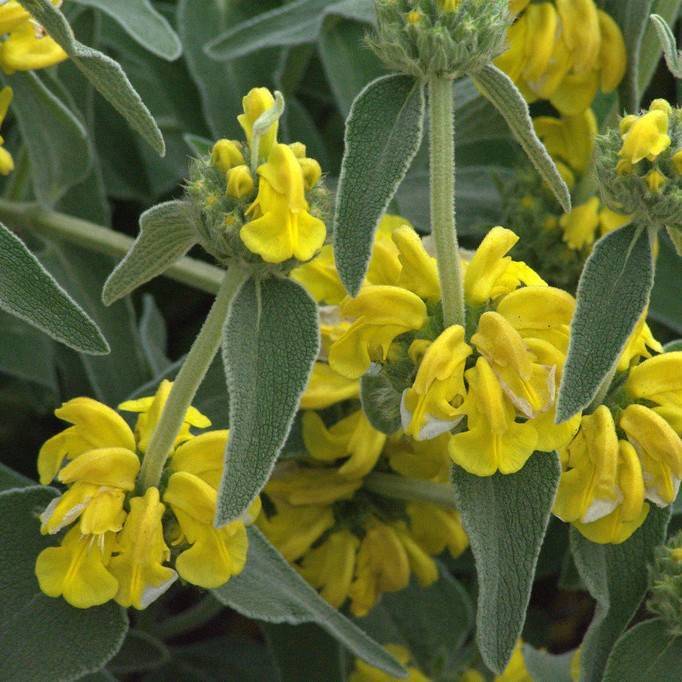
Jerusalem Sage
Phlomis fruticosa
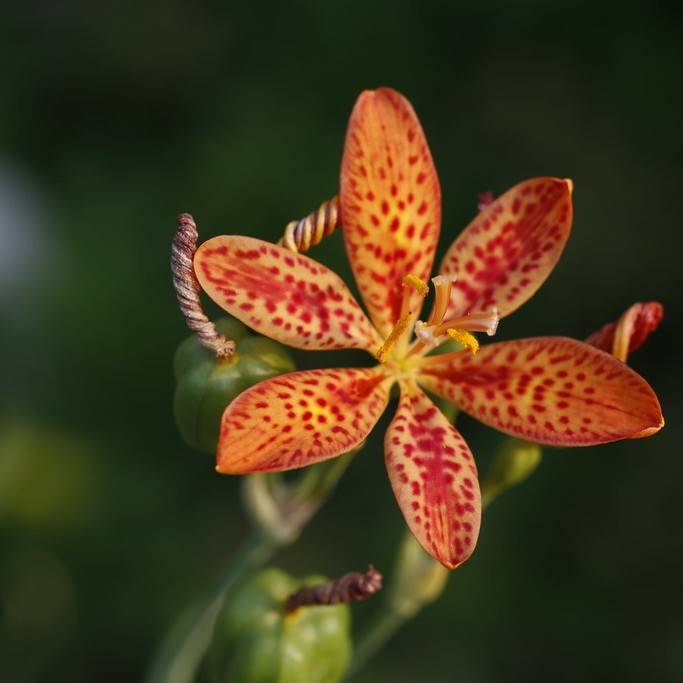
Blackberry Lily
Iris domestica (syn. Belamcanda chinensis)
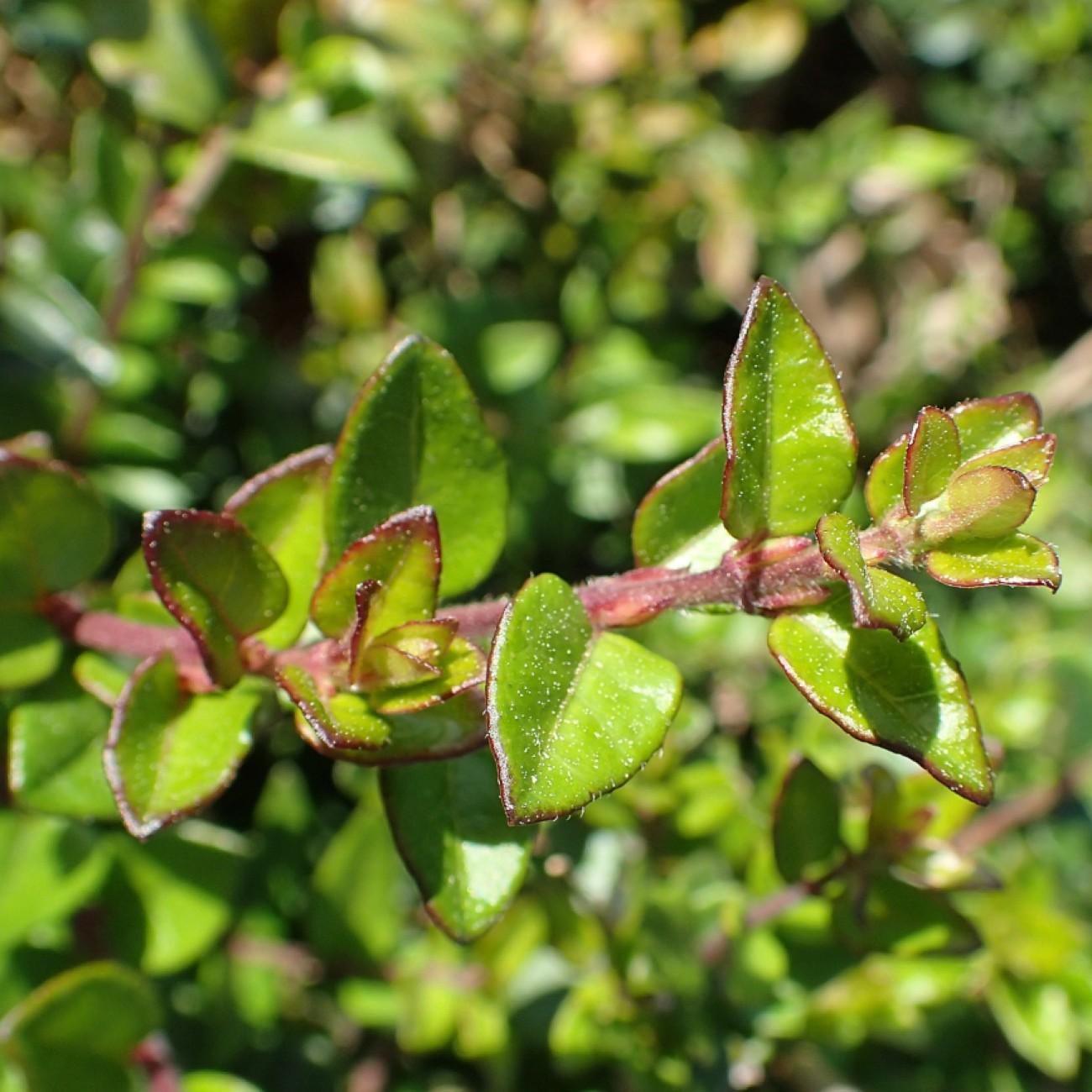
Honeysuckle
Lonicera spp.
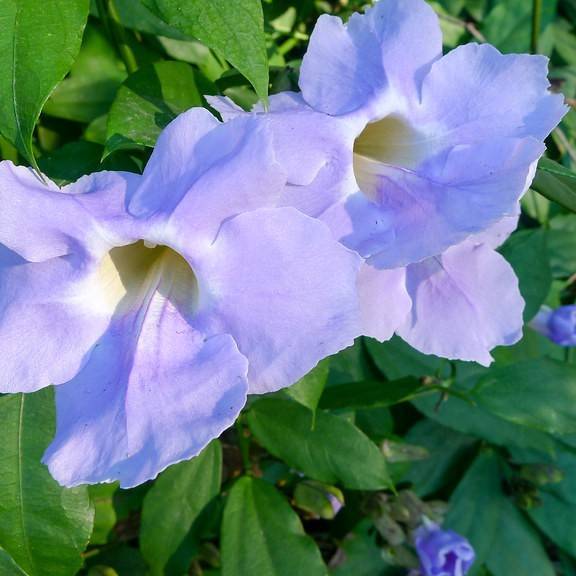
Blue Trumpet Vine
Thunbergia grandiflora