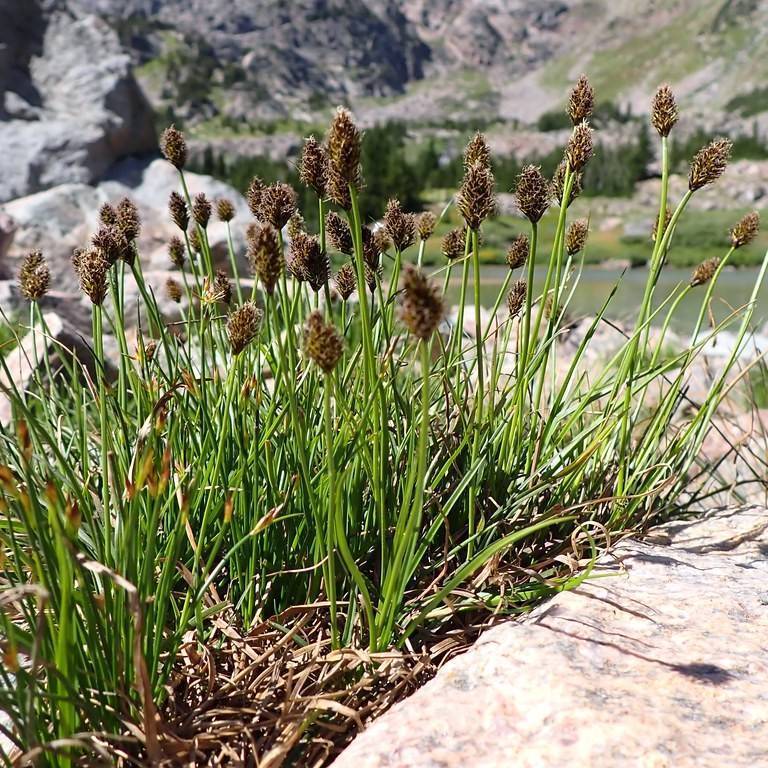
Black Alpine Sedge
Carex atrata
Overview
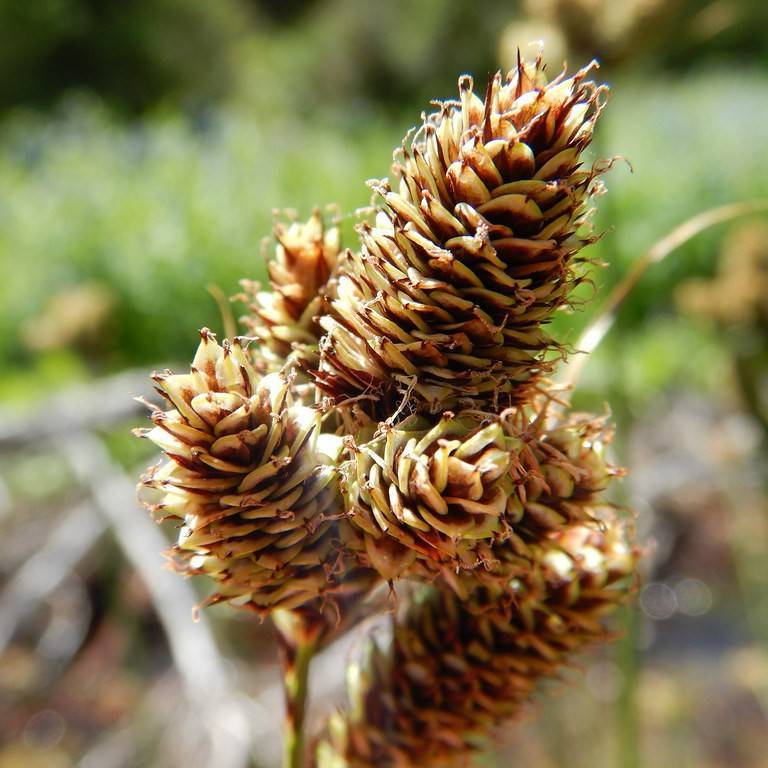
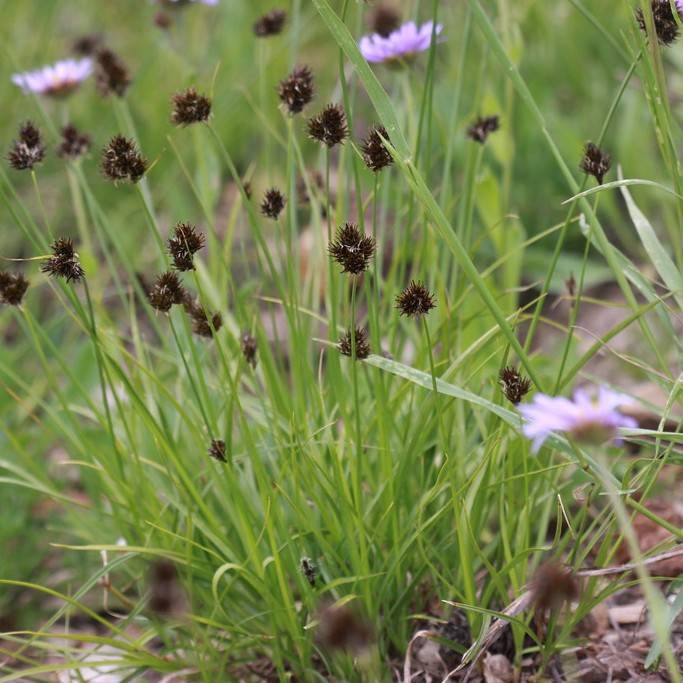
Black Alpine Sedge is a dense, clumping perennial that forms tight tufts of narrow, evergreen, grass-like foliage in deep green hues. It produces distinctive, upright dark brown to almost black flowering spikes in early summer, adding striking contrast to rock gardens and moist, cool landscapes. Adapted to harsh high-altitude conditions, it tolerates cold temperatures, poor soils, and periodic waterlogging far better than many ornamental grasses.
Care Guide
Watering
Black Alpine Sedge prefers consistently moist, well-drained soil and tolerates occasional standing water better than drought; water regularly to prevent soil from drying out completely, especially during warm summer months. Reduce watering frequency in winter when growth slows, but never allow the root ball to become fully desiccated, as this plant is not adapted to prolonged dry conditions.
Light
Thrives in full sun to partial shade; in cooler alpine or northern climates, full sun encourages the most vigorous growth and abundant flowering. In regions with hot, intense summer sun, provide light afternoon shade to prevent foliage scorch and reduce moisture loss from the soil.
Soil
Adaptable to a wide range of soil types, including sandy, loamy, and rocky soils, as long as they are moist and have a slightly acidic to neutral pH. It tolerates poor, low-nutrient soils common in alpine habitats, but will not perform well in heavy, poorly draining clay that stays waterlogged for extended periods in warm weather.
Fertilizer
Requires very little fertilization, as it is adapted to low-nutrient alpine soils; a light application of balanced, slow-release fertilizer in early spring is sufficient for most growing conditions. Avoid over-fertilizing, which can cause excessive, floppy growth and reduce the plant's cold hardiness, and never apply high-nitrogen fertilizers that encourage soft, tender foliage.
Temperature
Extremely cold hardy, tolerating winter temperatures as low as -40°F (-40°C) and thriving in cool summer temperatures typical of high-altitude regions. It struggles in areas with sustained summer heat above 85°F (29°C), and may go dormant prematurely if exposed to prolonged hot, dry conditions.
Pruning
Prune back old, dead foliage in late winter or early spring before new growth emerges to keep the clump looking tidy and encourage fresh, healthy leaf production. Remove spent flower spikes after blooming if desired for a neater appearance, though leaving the dried spikes intact adds winter interest and provides food for small seed-eating birds.
Propagation
Most easily propagated by division in early spring or late autumn, when the plant is not actively flowering; split mature clumps into smaller sections, each with a healthy portion of roots, and replant immediately at the same depth as the original plant. It can also be grown from seed sown in cold frames in autumn, as the seeds require a period of cold stratification to germinate, though seed-grown plants take several years to reach mature flowering size.
Humidity
Adaptable to a wide range of humidity levels, thriving in the moderate to high humidity common in mountain environments but tolerating average indoor or garden humidity as long as soil moisture is consistent. It does not require extra humidity in most settings, though extremely dry, arid conditions may cause leaf tip browning if paired with insufficient watering.
Repotting
If grown in containers, repot every 2-3 years in early spring, using a well-draining, slightly acidic potting mix amended with grit or perlite to improve drainage. Choose a pot only slightly larger than the root ball, as this plant prefers tight root conditions and excess soil can hold too much moisture and lead to root rot in warm weather.
Uses & Symbolism
Black Alpine Sedge is a popular ornamental plant for rock gardens, alpine gardens, bog edges, and rain gardens, where its dark flower spikes provide striking contrast against lighter green foliage and bright flowering plants. It is also used for erosion control on cool, moist slopes, as its dense root system holds soil in place effectively, and it provides cover and food for small alpine wildlife, including seed-eating birds and pollinating insects.
Diseases & Pests
Generally pest and disease resistant, though it may develop root rot if grown in poorly draining, waterlogged soil in warm temperatures. Aphids and spider mites may occasionally infest stressed plants, especially those grown in overly hot, dry conditions, but these can be controlled with insecticidal soap or a strong stream of water.
Related plants
Other plants you might like if you grow Black Alpine Sedge.