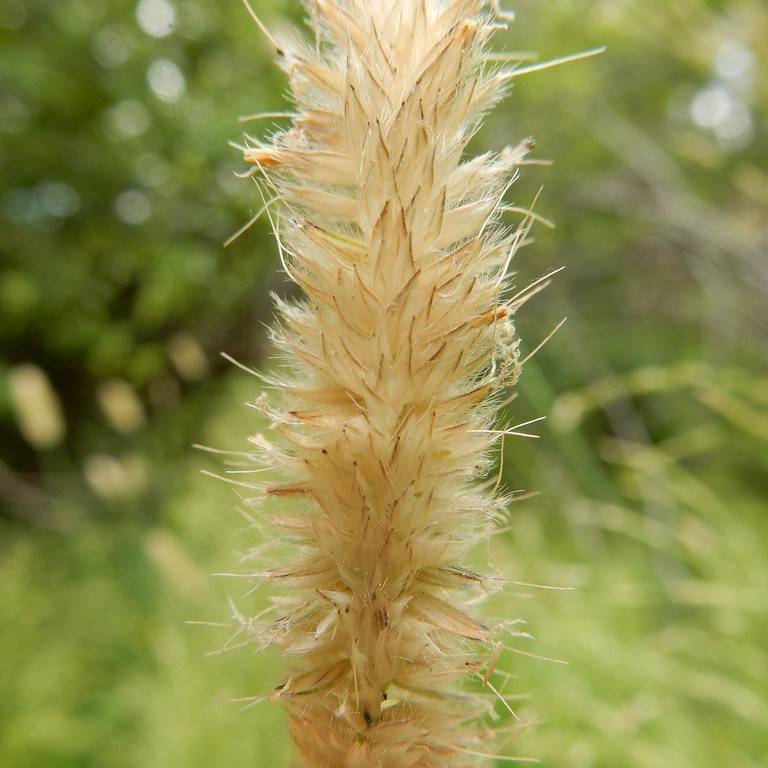
Alpine Foxtail
Alopecurus alpinus
Overview
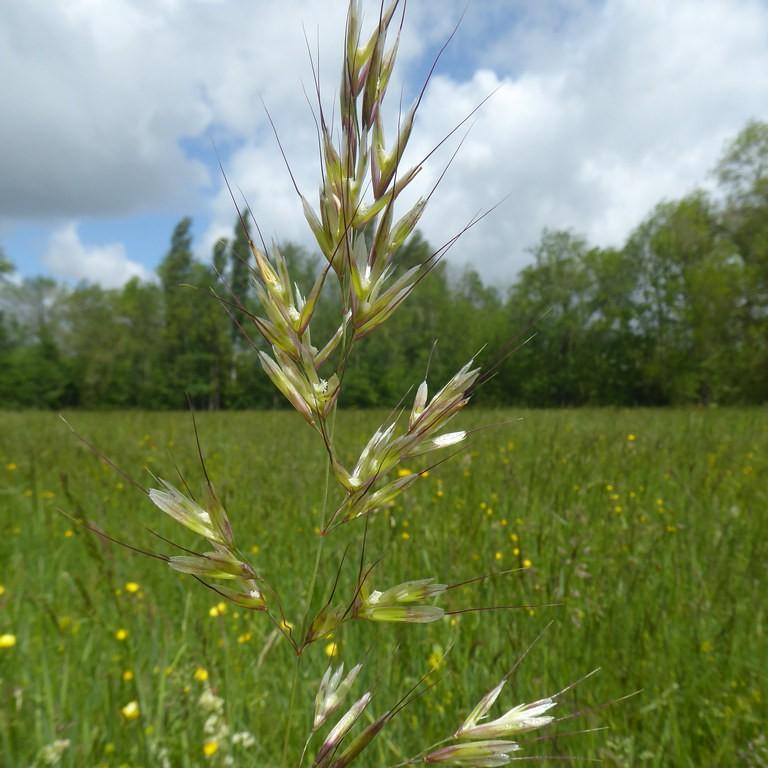
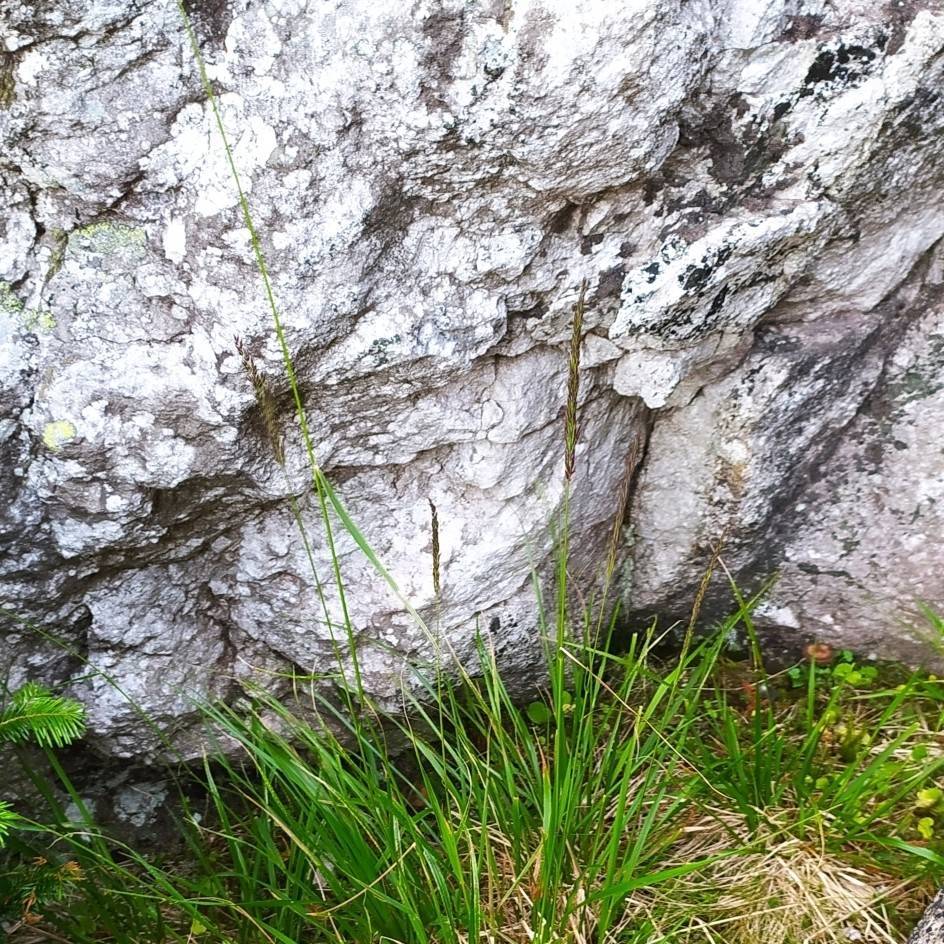
Alpine foxtail is a clumping cool-season grass native to harsh, high-elevation and polar habitats, where it thrives in short, cold growing seasons. Its signature cylindrical, soft green to purplish flower spikes emerge in late spring, giving the plant its common name for their resemblance to a fox’s tail. It is a key forage species for native grazing wildlife in alpine ecosystems and is also cultivated for ornamental use in rock gardens and cold-climate landscapes.
Care Guide
Watering
Alpine foxtail prefers consistently moist, well-drained soil and tolerates occasional temporary flooding, but will suffer in prolonged waterlogged conditions. In cultivation, water deeply when the top 1-2 inches of soil dries out, reducing watering frequency in winter when the plant is dormant. Avoid overwatering in warm, low-altitude climates, as this can lead to root rot and reduce its cold tolerance.
Light
This species thrives in full sun exposure, requiring a minimum of 6 hours of direct sunlight daily to produce robust growth and abundant flower spikes. It can tolerate very light partial shade, especially in warmer low-elevation growing areas, but excessive shade will cause leggy growth and reduce flowering. In alpine native habitats, it is adapted to intense, unfiltered sunlight even in cold temperatures.
Soil
Alpine foxtail grows best in sandy, loamy, well-drained soil with a neutral to slightly acidic pH range of 5.5 to 7.0. It tolerates poor, low-nutrient soils typical of high-altitude environments, but will not survive in heavy, compacted clay soils that hold excess moisture around the root zone. Amending planting sites with grit or gravel to improve drainage is recommended for cultivation in non-native regions.
Fertilizer
As a species adapted to low-nutrient alpine soils, alpine foxtail requires very little supplemental fertilization to thrive. A single light application of balanced, slow-release 10-10-10 fertilizer in early spring, at half the recommended rate for ornamental grasses, is sufficient for most growing conditions. Over-fertilization will lead to weak, floppy growth and reduced cold hardiness, so avoid excessive nitrogen applications.
Temperature
Alpine foxtail is exceptionally cold hardy, surviving temperatures as low as -40°F (-40°C) in USDA hardiness zones 1 through 7. It prefers cool summer temperatures between 50°F and 70°F (10°C to 21°C) and will struggle in sustained heat above 80°F (27°C), often going dormant in warm low-altitude climates during summer months. It is adapted to frequent frost and freeze-thaw cycles common in its native high-elevation habitats.
Pruning
Prune alpine foxtail back to 2-3 inches above the soil line in late winter or early spring before new growth emerges to remove dead foliage and encourage fresh, healthy clump formation. Deadheading spent flower spikes after blooming is optional, but can prevent unwanted self-seeding in cultivated garden settings. Avoid pruning during the active growing season, as this can stress the plant and reduce its vigor for the following year.
Propagation
Alpine foxtail is most easily propagated by seed, which can be sown directly outdoors in late fall or early spring, requiring a 30-day cold stratification period to germinate successfully. It can also be propagated by division in early spring, when clumps are lifted, separated into smaller sections, and replanted immediately in prepared soil. Cuttings are rarely used for propagation, as seed and division methods are far more reliable for this species.
Humidity
This species prefers moderate humidity levels between 40% and 60%, typical of its native alpine and arctic habitats. It tolerates dry air well as long as soil moisture is consistent, but will struggle in high-humidity, warm climates where fungal pathogens are more prevalent. Ensure good air circulation around plants in more humid growing regions to reduce the risk of foliar diseases.
Repotting
If grown in containers, alpine foxtail should be repotted every 2-3 years in early spring before new growth begins, to refresh the soil and prevent root binding. Use a well-draining, sandy potting mix amended with perlite or grit, and select a pot with ample drainage holes to prevent excess moisture retention. Avoid overpotting, as excess soil volume holding moisture can lead to root rot in this drought-tolerant species.
Uses & Symbolism
Alpine foxtail is a valuable forage grass for native wildlife including caribou, sheep, and small mammals in arctic and alpine ecosystems, providing high-quality nutrition during the short growing season. It is cultivated ornamentally for rock gardens, alpine troughs, and cold-climate xeriscapes, valued for its soft, fuzzy flower spikes and low-maintenance growth habit. It is also used in ecological restoration projects for high-altitude sites, as it helps stabilize erodible rocky soils and supports native pollinator and insect communities.
Diseases & Pests
Alpine foxtail is relatively disease-resistant in its native cool, well-drained habitats, but can develop fungal foliar diseases including rust and powdery mildew in warm, humid, low-air-circulation growing conditions. Root rot is the most common issue in cultivation, caused by overwatering or planting in heavy, poorly draining soil. Common pests include aphids and grasshoppers, which may feed on young foliage, though infestations are rarely severe enough to require treatment in healthy plants.
Related plants
Other plants you might like if you grow Alpine Foxtail.