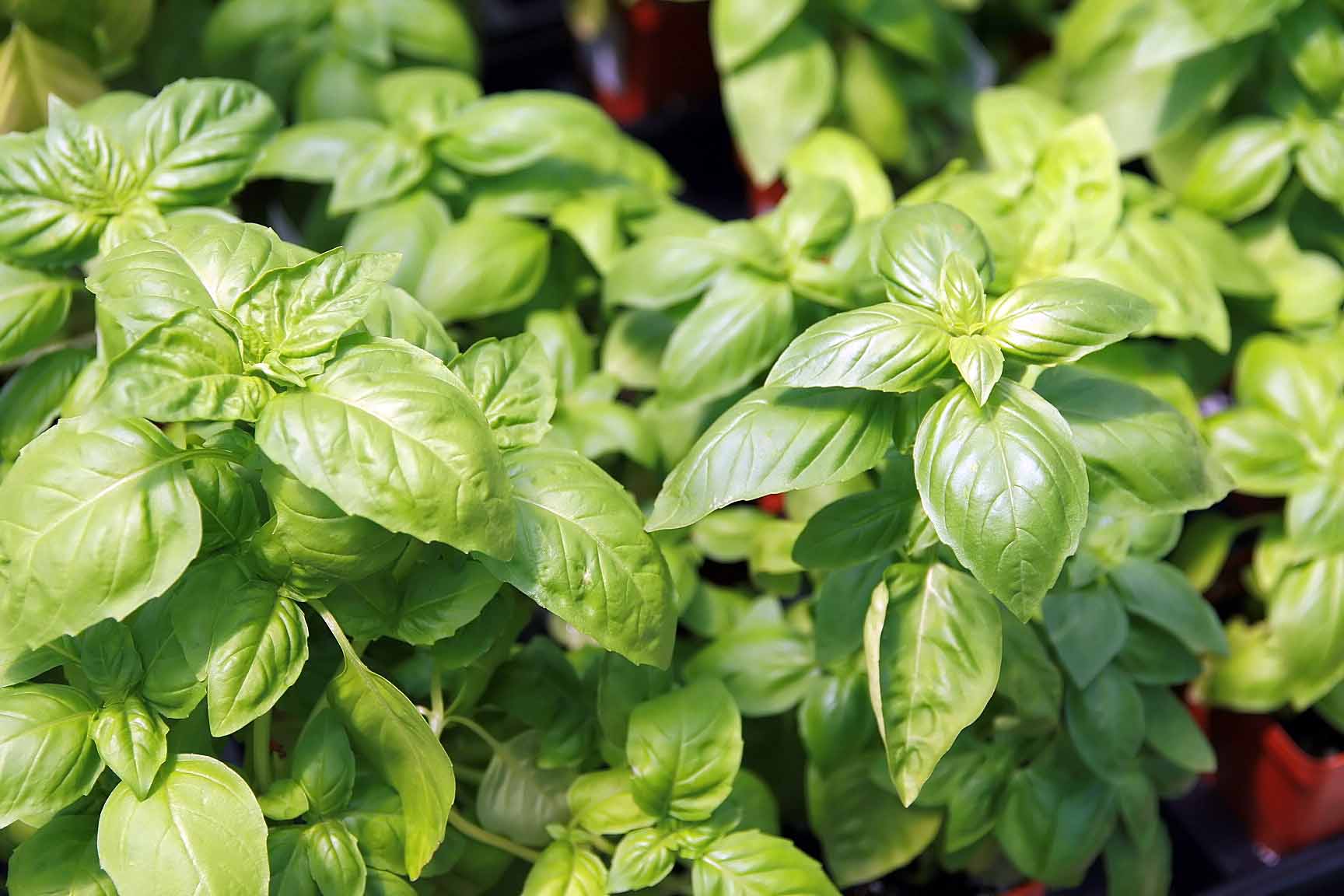
Basil
Ocimum basilicum
Overview
Basil is a fast-growing annual herb with bright green, oval-shaped leaves that emit a distinct, peppery-sweet aroma when crushed. There are dozens of cultivars, including sweet basil, Thai basil, and lemon basil, each with unique flavor profiles suited to different culinary uses. While grown outdoors as a warm-season annual in most climates, it also thrives as a potted houseplant near a sunny window.
Care Guide
Watering
Water basil regularly when the top 1 inch of soil feels dry to the touch, aiming to keep the soil consistently moist but not waterlogged to prevent root rot. Avoid wetting the leaves directly when watering to reduce the risk of fungal diseases, and water early in the day if growing outdoors. In hot, dry weather, you may need to water potted basil every 1-2 days to maintain adequate moisture levels.
Light
Basil requires full, direct sunlight for 6-8 hours per day to grow vigorously and develop its signature aromatic oils. When grown indoors, place it in a south-facing window or under a grow light for 10-12 hours daily to prevent leggy, weak growth. If grown outdoors in extremely hot climates, provide light afternoon shade to prevent leaf scorch during the hottest summer months.
Soil
Basil grows best in loose, well-draining soil with a pH between 6.0 and 7.5, rich in organic matter such as compost or well-rotted manure. For potted plants, use a high-quality all-purpose potting mix amended with perlite or coarse sand to improve drainage, and avoid heavy, clay-heavy soils that retain excess moisture. Ensure both garden beds and containers have adequate drainage holes to prevent standing water around the root system.
Fertilizer
Fertilize outdoor garden basil once every 4-6 weeks during the growing season with a balanced, water-soluble 10-10-10 fertilizer diluted to half strength to avoid over-fertilization, which can reduce leaf flavor. Potted indoor basil benefits from lighter, more frequent feeding every 2-3 weeks with a diluted liquid organic fertilizer designed for edible herbs. Avoid high-nitrogen fertilizers, as they promote excessive leaf growth at the expense of essential oil production and flavor.
Temperature
Basil thrives in warm temperatures between 70-85°F (21-29°C) and is highly sensitive to frost, with damage occurring at temperatures below 50°F (10°C). If growing outdoors, wait to transplant seedlings until all risk of frost has passed and nighttime temperatures consistently stay above 55°F (13°C). Indoor basil should be kept away from cold drafts from windows, doors, or air conditioning units to prevent sudden temperature drops that can stress the plant.
Pruning
Prune basil regularly by pinching off the top 2-3 sets of leaves once the plant reaches 6-8 inches tall to encourage bushy, full growth and prevent it from flowering prematurely, which reduces leaf flavor. If flower buds do appear, snip them off immediately along with the pair of leaves directly below the bud to redirect the plant’s energy back into leaf production. Harvest up to one-third of the plant’s foliage at a time to avoid stunting growth, and leave at least 2-3 sets of lower leaves to allow regrowth.
Propagation
Basil is most easily propagated from seed sown ¼ inch deep in moist seed-starting mix 6-8 weeks before the last expected frost date, with germination occurring in 5-10 days when kept at 70-75°F (21-24°C). It also propagates very reliably from stem cuttings: snip a 4-6 inch healthy stem just below a leaf node, remove the lower leaves, and place the cutting in a glass of water, where roots will form in 1-2 weeks before transplanting into soil. Cuttings can also be planted directly into moist potting mix without pre-rooting in water if kept consistently humid for the first 7-10 days.
Humidity
Basil prefers moderate humidity levels between 40-60%, which is typical of most indoor home environments and outdoor summer climates. If growing indoors in very dry air, mist the plant occasionally with room-temperature water, or place the potted plant on a tray filled with pebbles and water to increase ambient humidity around the foliage. Excessively high humidity above 70% combined with poor air circulation can increase the risk of fungal leaf diseases, so ensure good airflow around the plant at all times.
Repotting
Potted basil will need repotting once it outgrows its current container, which is usually indicated by roots growing through the drainage holes or slowed growth despite adequate care. Choose a new pot that is 1-2 inches larger in diameter than the current one, with ample drainage holes, and use fresh, well-draining potting mix when transplanting to avoid compacted soil. Basil is a short-lived annual, so it typically only needs repotting once per growing season, if at all, before it completes its life cycle.
Uses & Symbolism
Basil is most widely used as a culinary herb, with fresh leaves added to salads, pasta dishes, pesto, soups, curries, and cocktails, or used as a garnish to add bright, aromatic flavor. It has a long history of use in traditional herbal medicine for its anti-inflammatory, antibacterial, and antioxidant properties, and is sometimes used in teas and topical remedies. It is also grown as an ornamental companion plant in gardens, as its strong scent repels many common garden pests including aphids, thrips, and mosquitoes.
Diseases & Pests
Basil is susceptible to fungal diseases including downy mildew, fusarium wilt, and powdery mildew, which thrive in cool, damp conditions with poor air circulation and overwatering. Common pests that attack basil include aphids, whiteflies, spider mites, and Japanese beetles, which feed on the sap and foliage, weakening the plant and reducing yield. Most issues can be prevented by providing adequate airflow, avoiding overhead watering, planting in well-draining soil, and using organic pest control methods such as neem oil or insecticidal soap when infestations occur.
Related plants
Other plants you might like if you grow Basil.
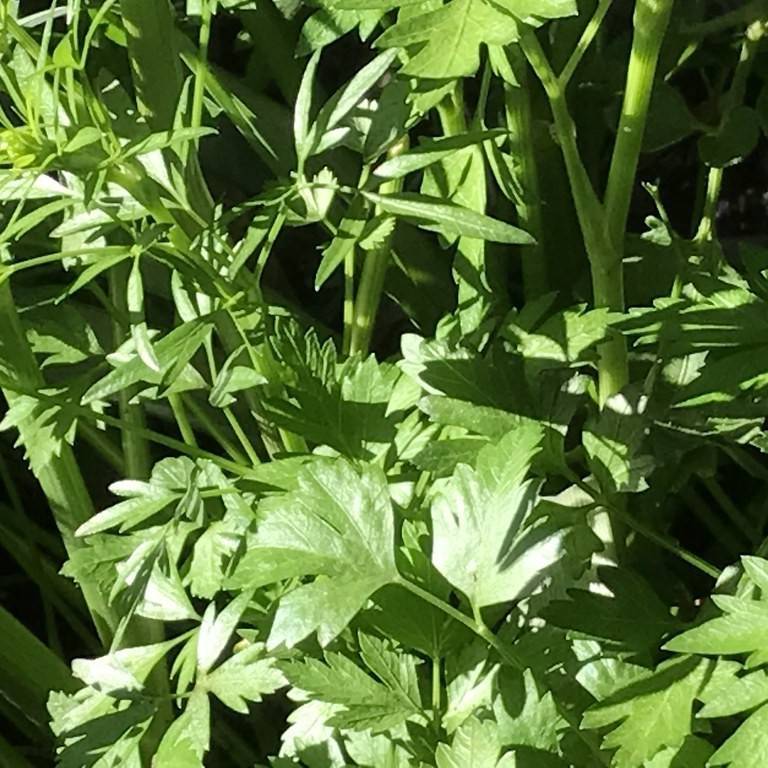
Italian Parsley
Petroselinum crispum var. neapolitanum
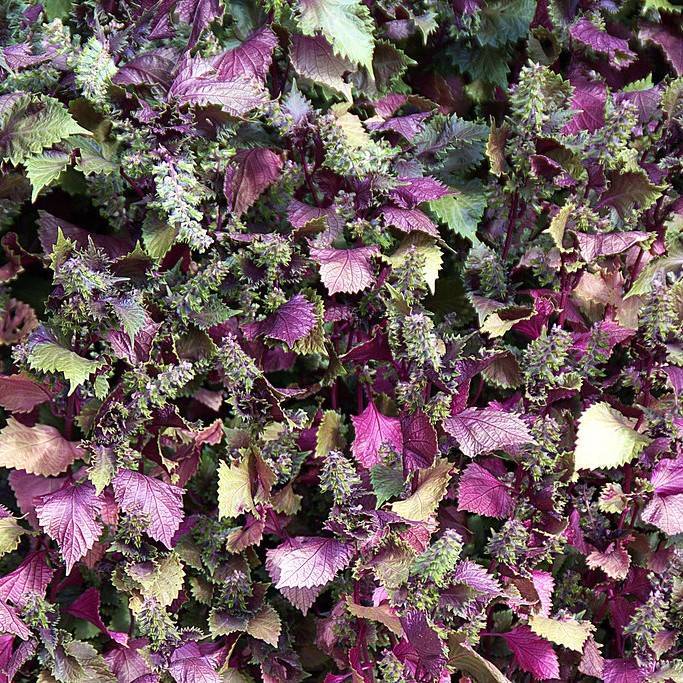
Beefsteak Plant
Perilla frutescens var. crispa
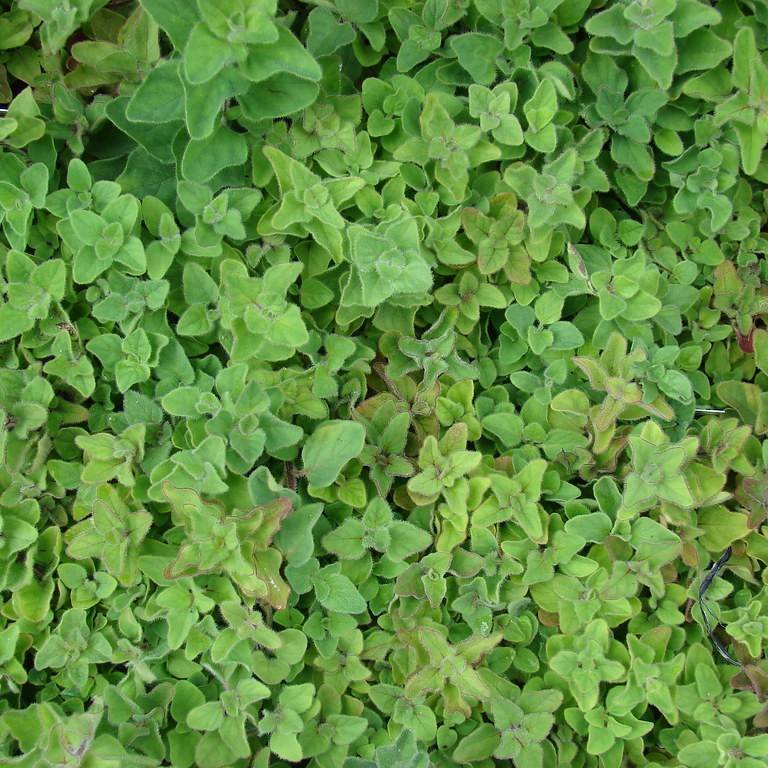
Greek Oregano
Origanum vulgare subsp. hirtum
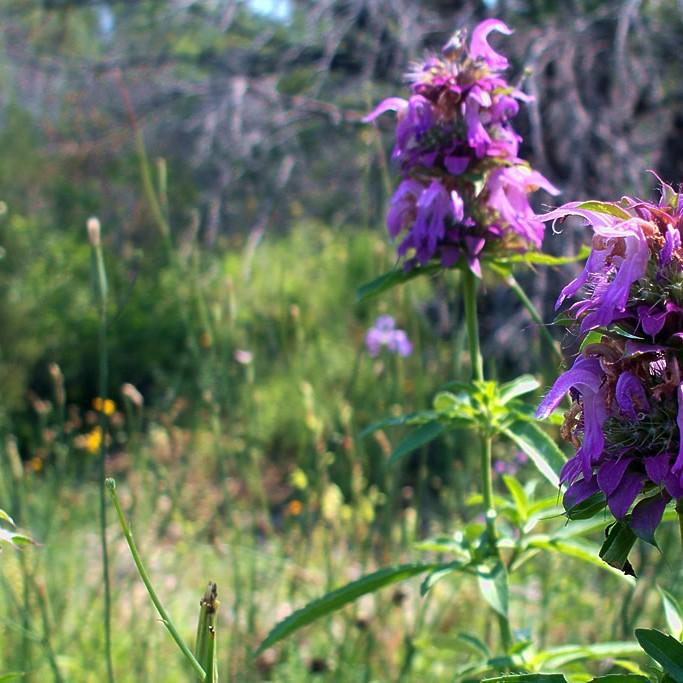
Lemon Mint
Monarda citriodora
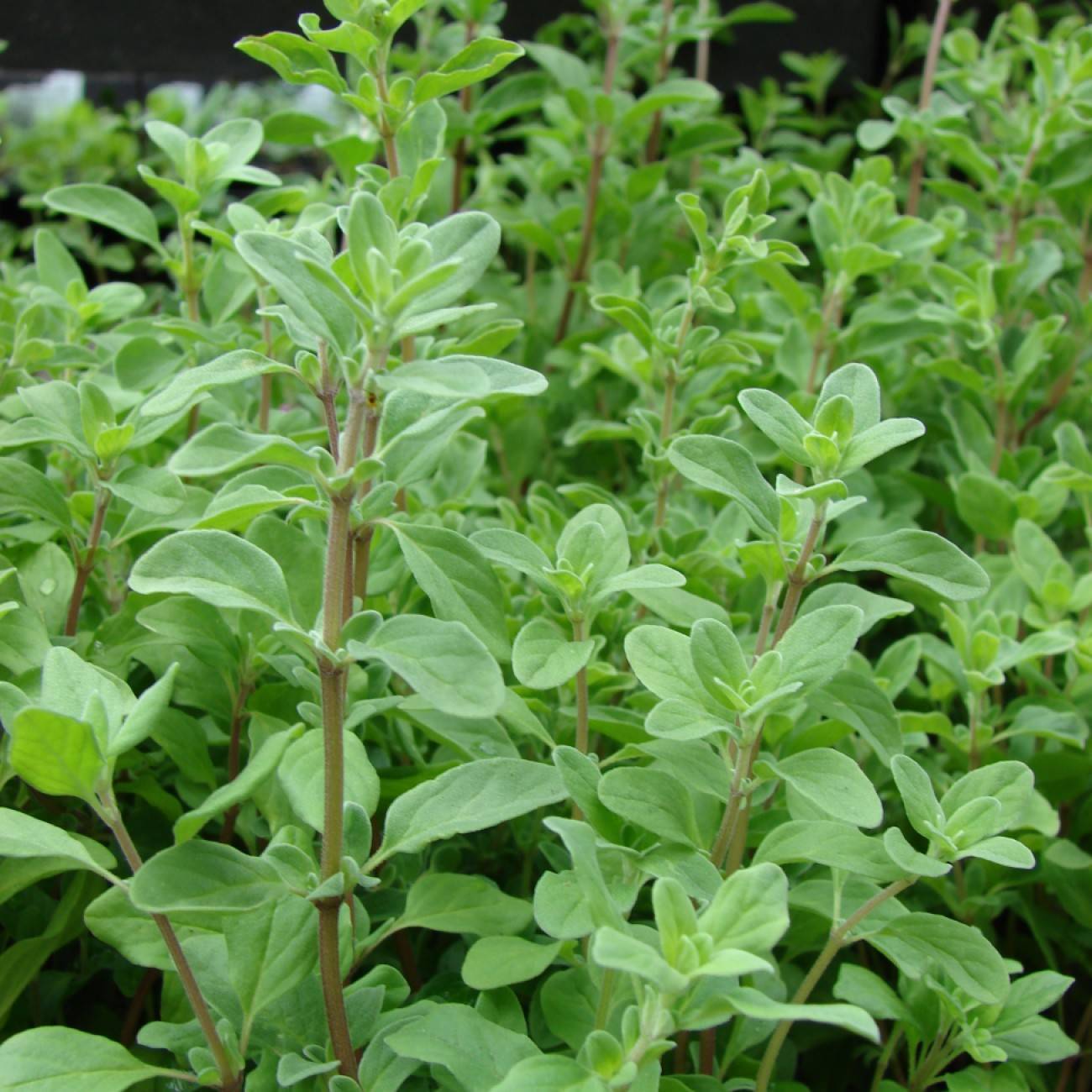
Golden Oregano
Origanum vulgare 'Aureum'
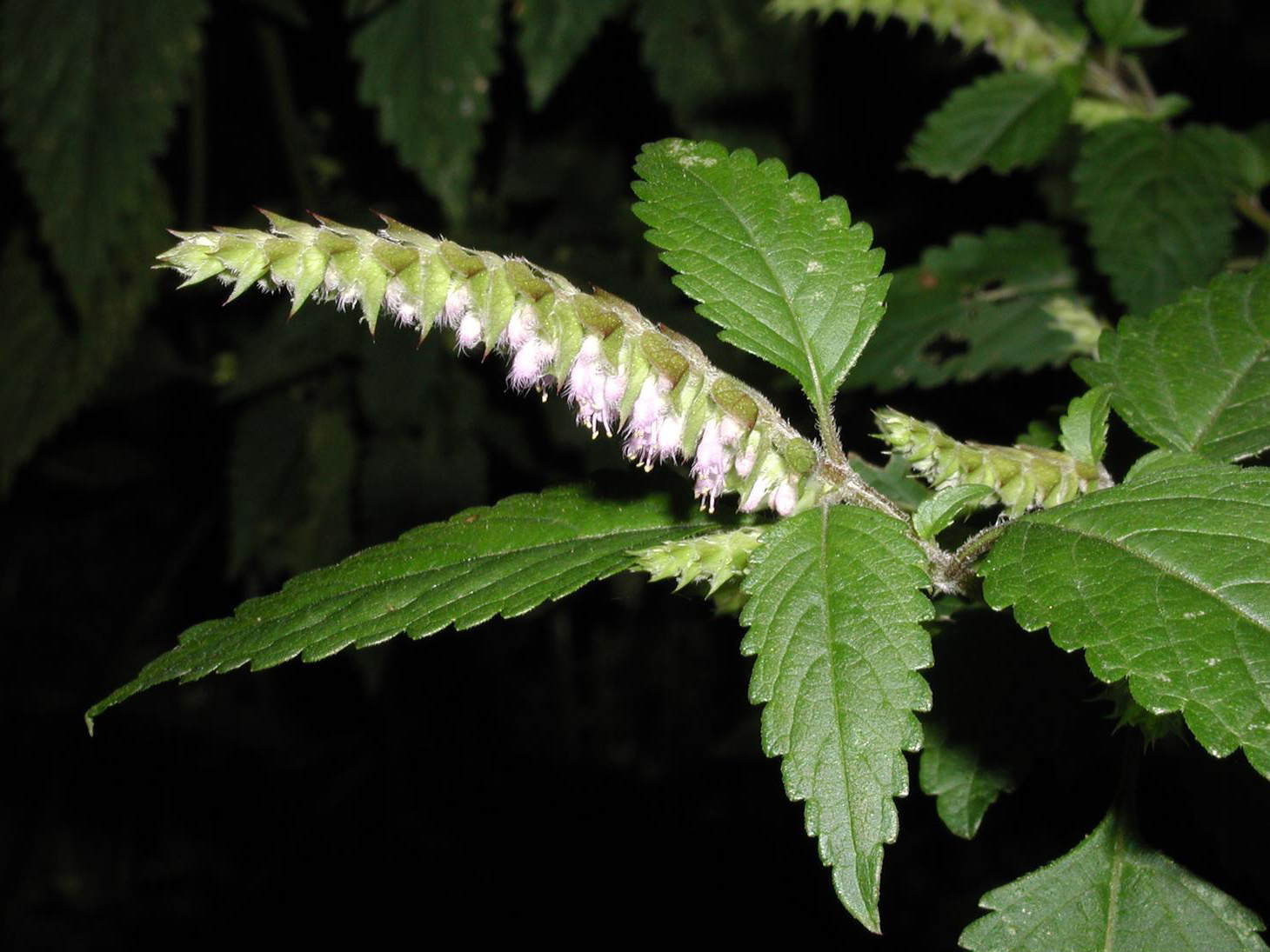
Japanese Shrub Mint
Elsholtzia ciliata
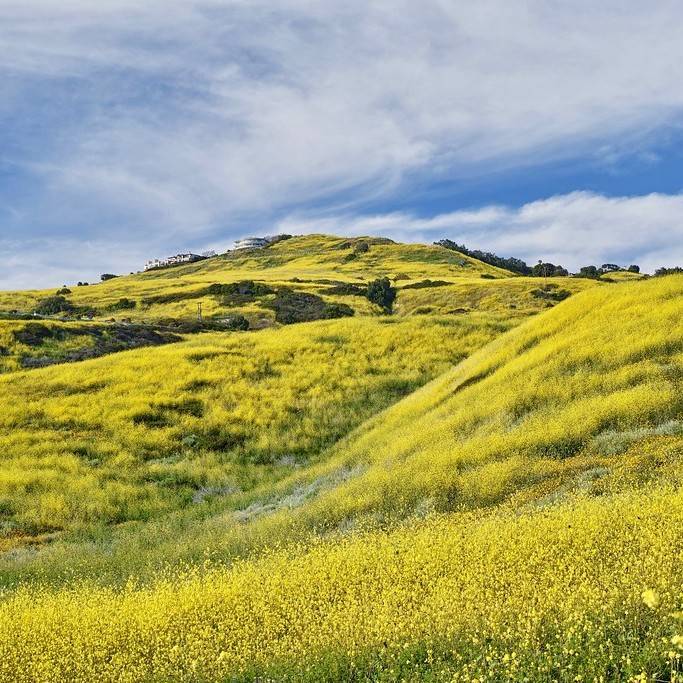
Black Mustard
Brassica nigra
Bible Hyssop
Hyssopus officinalis