Autumnal Water Starwort
Callitriche hermaphroditica
Overview
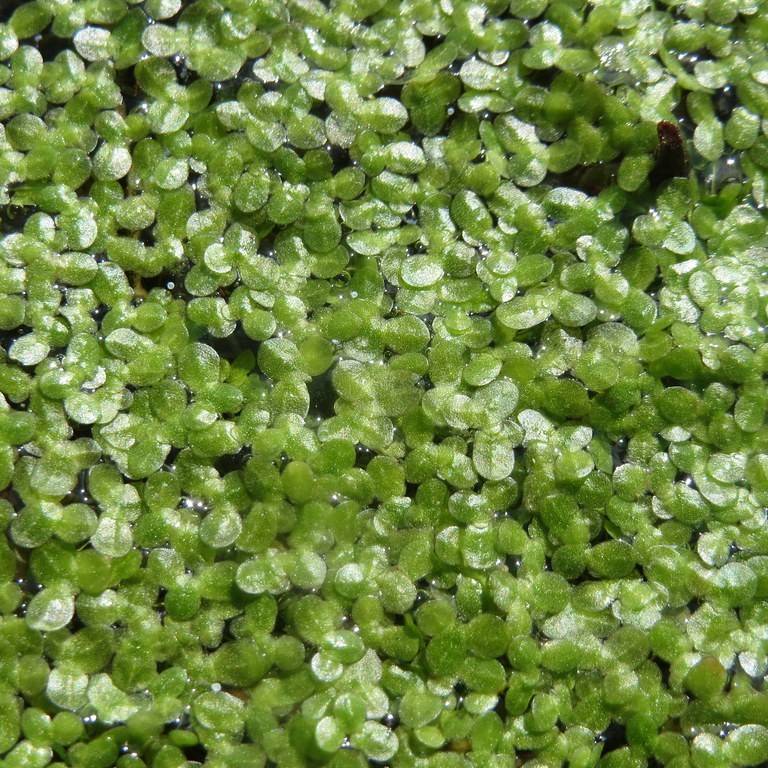
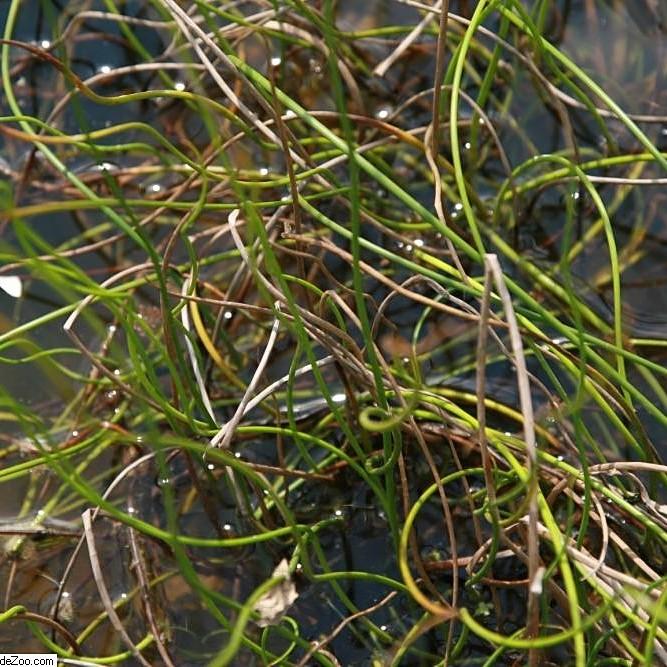
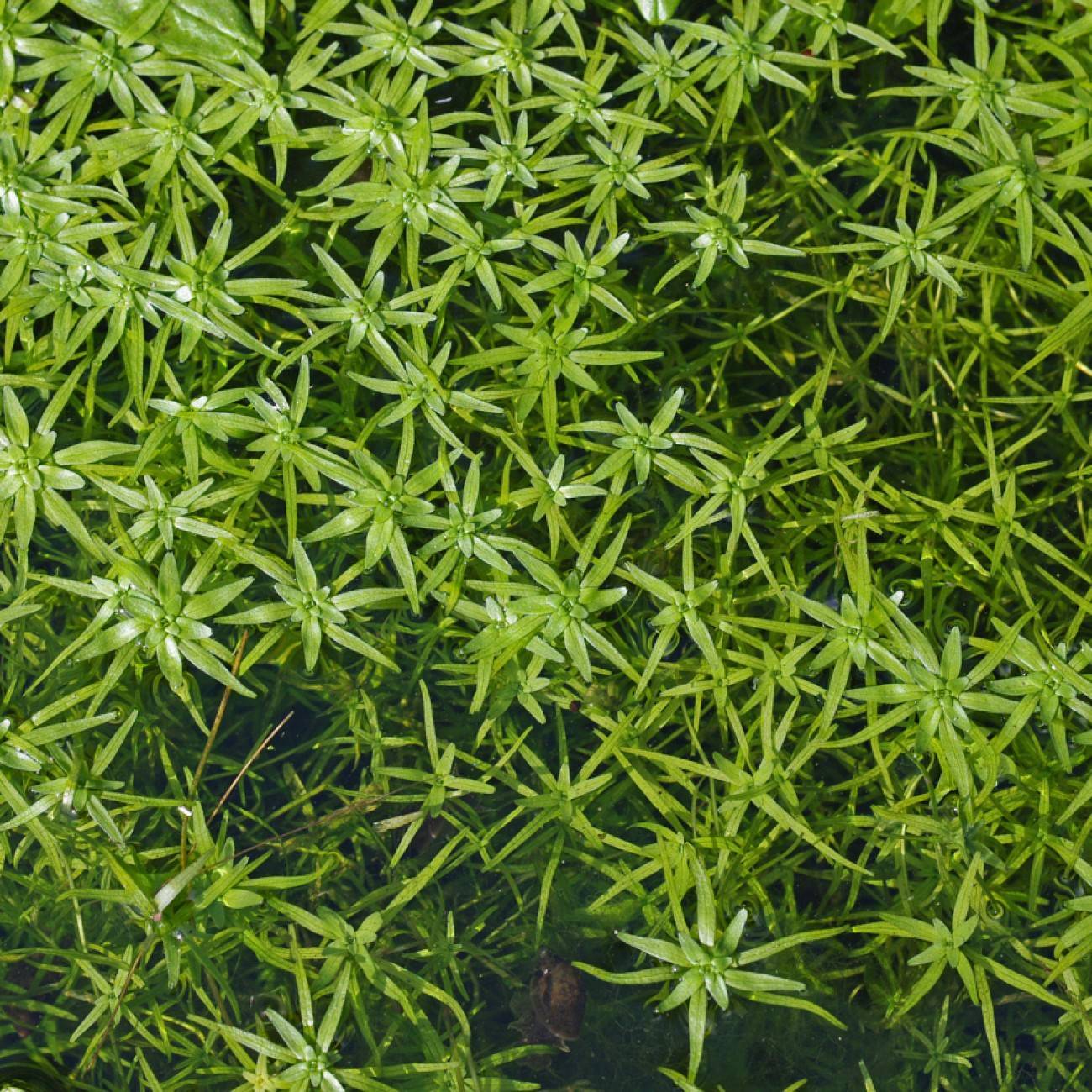
Autumnal water starwort is a submerged or floating aquatic annual recognized for its dense, whorled bright green leaves that form distinct star-shaped rosettes at stem tips. It thrives in cool, clear ponds, slow streams, and shallow lakes, often forming dense mats across the water surface in late summer and fall. The plant is monoecious, producing tiny, unnoticeable green flowers that develop submerged or at the water line during its autumn blooming period.
Care Guide
Watering
As a fully aquatic species, autumnal water starwort requires constant submersion in clean, slow-moving or still freshwater with water levels between 2 inches and 3 feet deep to support healthy growth. Avoid stagnant, nutrient-polluted water, which can cause algal overgrowth that smothers the plant’s delicate foliage. For aquarium cultivation, perform 10-15% weekly water changes to maintain low nutrient levels and stable water chemistry.
Light
This species prefers full sun to partial shade, requiring at least 4-6 hours of direct sunlight daily to produce dense, vibrant foliage. In low-light conditions, stems will become elongated and sparse, with reduced formation of the characteristic star-shaped leaf rosettes. Indoor aquarium specimens need high-output full-spectrum grow lights set to a 12-hour on/off cycle to mimic natural temperate light patterns.
Soil
Autumnal water starwort grows best in soft, silty, nutrient-poor substrate at the bottom of water bodies, though it can also grow as a free-floating plant without rooted substrate. For pond planting, use a thin layer of fine sand or loam without added fertilizers, as rich substrates can trigger excessive algal growth that competes with the starwort. Avoid heavy clay soils that compact and restrict root development for rooted specimens.
Fertilizer
This plant has very low nutrient requirements and rarely needs supplemental fertilization, as it draws all needed nutrients directly from the surrounding water. Over-fertilization, either in ponds or aquariums, will lead to algal blooms that outcompete and smother starwort foliage. If growth is noticeably stunted in an aquarium, add a tiny dose of liquid aquatic plant fertilizer once monthly during the active growing season, diluted to half the recommended strength.
Temperature
Autumnal water starwort prefers cool water temperatures between 50-70°F (10-21°C), consistent with its temperate native habitat. It can tolerate brief dips down to 32°F (0°C) as long as the water does not freeze solid, but prolonged temperatures above 75°F (24°C) will cause the plant to decline and die off prematurely. Indoor aquarium specimens should be kept in unheated or cool-water tanks to avoid heat stress.
Pruning
Prune back overgrown stems regularly to prevent dense mats from blocking light to submerged aquatic life below the surface, trimming no more than one-third of the plant’s total mass at one time. Remove any yellowed, decaying, or algae-covered foliage immediately to prevent rot from spreading to healthy stems. After the plant dies back in late fall, clear away all dead material to prevent nutrient buildup in the water as it decomposes.
Propagation
Autumnal water starwort propagates easily from stem cuttings; simply snip a 2-3 inch section of healthy stem with a leaf rosette, and either anchor it in shallow substrate or leave it floating to develop new roots within 7-10 days. It also self-seeds readily in natural or outdoor pond habitats, with seeds dropping to the substrate in late fall and germinating the following spring when water temperatures warm. Avoid introducing this plant to natural waterways outside its native range, as it can become invasive in suitable cool freshwater habitats.
Humidity
As an aquatic species, autumnal water starwort requires 100% humidity around its submerged foliage and does not tolerate exposure to dry air for more than a few minutes, which will cause leaves to desiccate and die. Floating stem tips can tolerate normal outdoor humidity levels as long as their lower portions remain fully submerged in water. There are no additional humidity requirements beyond the high moisture levels inherent to its aquatic growing environment.
Repotting
For rooted pond or aquarium specimens, repotting is rarely needed, as this is a short-lived annual that completes its full lifecycle in a single growing season. If growing in a submerged aquatic pot, refresh the substrate once annually in early spring before new seeds germinate to remove accumulated organic debris. Free-floating specimens do not require any repotting or container maintenance.
Uses & Symbolism
Autumnal water starwort is widely used in cool-water aquariums and ornamental ponds as a natural oxygenator, helping to stabilize water quality and provide shelter for small fish, tadpoles, and aquatic invertebrates. It is also a valuable food source for waterfowl and aquatic herbivores in its native range, with foliage and seeds consumed by ducks, geese, and small aquatic mammals. In ecological restoration projects, it is planted to stabilize shallow shorelines and improve water clarity in degraded temperate freshwater habitats.
Diseases & Pests
Autumnal water starwort is relatively pest-resistant, but can be smothered by filamentous algae if water nutrient levels are too high, which blocks light and kills foliage quickly. Aquarium specimens may be targeted by snails, which feed on the soft, delicate leaves, causing holes and defoliation of stems if populations are left unmanaged. Root rot can occur if the plant is grown in stagnant, low-oxygen water, leading to yellowing stems and slimy, decaying foliage that spreads rapidly through the colony.
Related plants
Other plants you might like if you grow Autumnal Water Starwort.