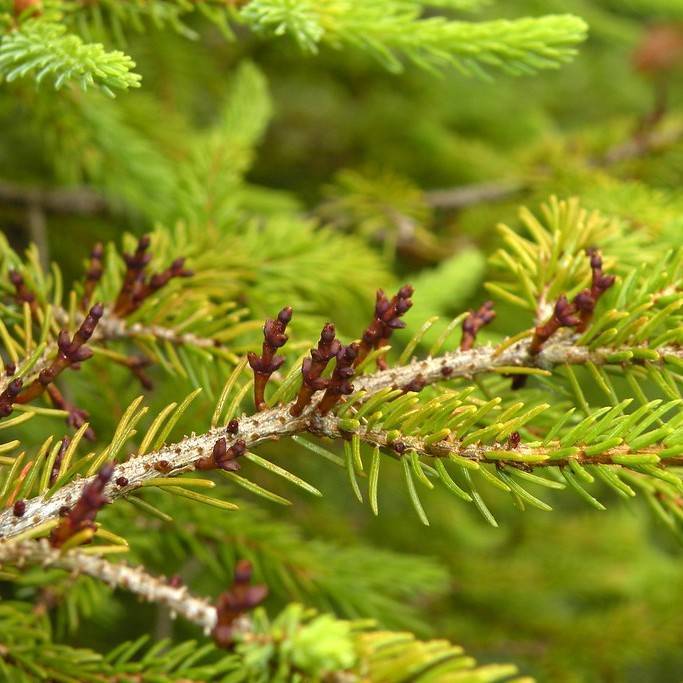
Hemlock Dwarf Mistletoe
Arceuthobium tsugense
Overview
Hemlock Dwarf Mistletoe is an obligate parasitic plant that relies entirely on host hemlock trees, primarily western hemlock (Tsuga heterophylla) and mountain hemlock (Tsuga mertensiana), for water and nutrients. Unlike larger leafy mistletoes, it has reduced, scale-like leaves and small, inconspicuous flowers, with most of its body embedded within the host tree’s branches. It is a significant forest pest in parts of its native range, causing widespread tree stress, reduced timber value, and increased susceptibility to secondary pests and diseases in affected stands.
Care Guide
Watering
As an obligate parasite, Hemlock Dwarf Mistletoe obtains all required water directly from its host hemlock tree, so it does not require independent watering. Attempts to grow it outside of a compatible host will fail, as it cannot absorb water or nutrients from soil on its own. For infected host trees, regular watering to reduce overall stress may help mitigate the negative impacts of the parasite, though it will not eliminate the mistletoe itself.
Light
Hemlock Dwarf Mistletoe grows on the branches of host hemlock trees, preferring partial to full sunlight exposure, as even its minimal photosynthetic tissue benefits from light to supplement nutrients taken from the host. It is rarely found on deeply shaded lower branches of dense, closed-canopy hemlock stands, as insufficient light limits its reproductive success. When growing on host trees, it naturally positions itself in areas of the canopy that receive adequate light for its minimal photosynthetic needs.
Soil
Hemlock Dwarf Mistletoe has no roots and does not grow in soil at all, as it embeds its haustoria (specialized feeding structures) directly into the vascular tissue of host hemlock branches to extract all required nutrients and water. The health of the host tree is influenced by the quality of the soil it grows in, with well-drained, acidic forest soils typical of hemlock habitats supporting more vigorous host trees that are better able to tolerate mistletoe infection. Attempting to plant this species in any type of soil will result in immediate death, as it has no ability to take up resources from a growing medium.
Fertilizer
Hemlock Dwarf Mistletoe extracts all required nutrients directly from its host tree, so it does not require any independent fertilization. Fertilizing an infected host tree may temporarily boost tree vigor, but it will also provide additional nutrients to the parasitic mistletoe, potentially increasing its growth and reproductive rate. There are no specific fertilizer applications recommended for this species, as it is almost universally considered a forest pest rather than a cultivated ornamental plant.
Temperature
Hemlock Dwarf Mistletoe is adapted to the cool, temperate climates of western North American montane forests, tolerating winter temperatures as low as -40°F (-40°C) and summer highs up to 85°F (29°C). It requires a period of cold winter dormancy to trigger reproductive development, and it will not survive in consistently warm, tropical or subtropical climates that do not experience extended freezing temperatures. Its temperature range is closely tied to that of its host hemlock species, which are also restricted to cool, moist forest habitats.
Pruning
Control of Hemlock Dwarf Mistletoe in forest settings relies on pruning infected host branches at least 12 inches below the visible mistletoe growth to remove all embedded haustoria, as partial pruning will leave the parasite intact to regrow. For heavily infected trees, complete removal is often recommended to prevent the spread of the parasite’s explosive seed dispersal to nearby healthy hemlock trees. There is no pruning required for the mistletoe itself, as any trimming of visible above-ground growth will not kill the embedded portion of the plant within the host branch.
Propagation
Hemlock Dwarf Mistletoe propagates naturally via small, sticky seeds that are ejected explosively from mature female fruits at speeds of up to 60 miles per hour, traveling up to 50 feet to land on nearby host branches. The seeds germinate when they come into contact with young, thin hemlock bark, penetrating the tissue to form haustoria that connect to the host’s vascular system. Artificial propagation is extremely difficult and rarely attempted, as it requires fresh seed and access to young, healthy hemlock trees, and the species is not cultivated for ornamental or commercial use.
Humidity
Hemlock Dwarf Mistletoe thrives in the moderate to high humidity levels typical of western North American coniferous forests, where relative humidity ranges from 50% to 80% for most of the growing season. It obtains all required moisture directly from its host tree, so ambient humidity levels primarily affect the health of the host, with prolonged drought reducing host vigor and increasing the severity of mistletoe-related damage. The species cannot tolerate extremely dry, arid conditions, as these will stress or kill its host hemlock trees, eliminating its only source of nutrients and water.
Repotting
Hemlock Dwarf Mistletoe has no root system and does not grow in containers or soil, so repotting is never required or applicable for this species. If an infected potted hemlock tree is being repotted, the parasite will remain attached to the host branches throughout the process, as its feeding structures are embedded deep within the tree’s vascular tissue. There is no scenario where this species would be removed from its host and repotted, as it cannot survive independently of a compatible hemlock host.
Uses & Symbolism
While not cultivated for commercial use, Hemlock Dwarf Mistletoe plays a minor ecological role in forest ecosystems, providing food for small birds and mammals that feed on its fruits and foliage, and creating complex branch deformities called 'witches’ brooms' that serve as nesting habitat for some bird species. Some Indigenous groups in its native range have historically used small amounts of the plant for medicinal purposes, though its high toxicity means it is rarely used for this purpose today. It is also studied by forest ecologists to better understand parasite-host dynamics in coniferous forest ecosystems, and to develop effective management strategies for reducing its impact on commercial timber stands.
Diseases & Pests
Hemlock Dwarf Mistletoe itself is relatively free of significant pests and diseases, though it may occasionally be infected by specialized parasitic fungi that target mistletoe species, reducing its vigor and reproductive output. The main negative impacts associated with this species are the health issues it causes in its host hemlock trees, including reduced growth, branch dieback, increased susceptibility to bark beetles and root rot, and eventual tree death in heavily infected stands. There are no known chemical controls that effectively kill the mistletoe without also harming the host tree, so management relies on cultural practices like pruning and selective tree removal to limit spread.
Related plants
Other plants you might like if you grow Hemlock Dwarf Mistletoe.
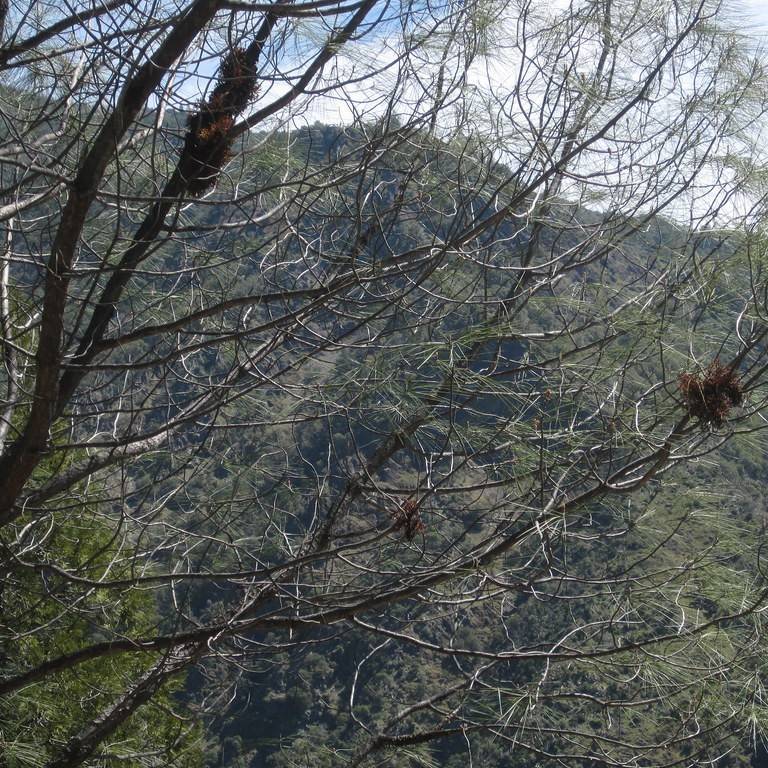
Douglas Fir Dwarf Mistletoe
Arceuthobium douglasii
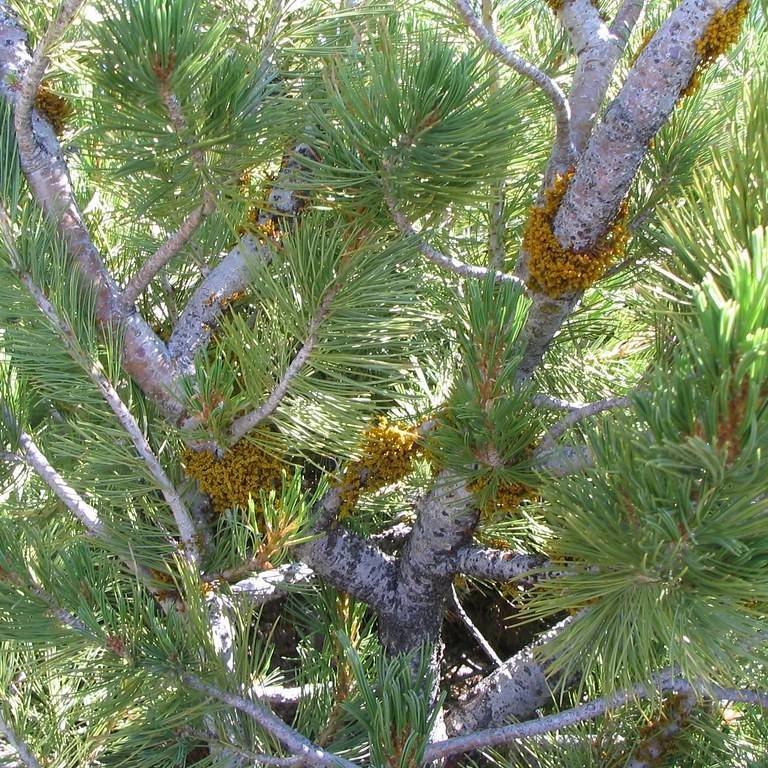
Larch Dwarf Mistletoe
Arceuthobium laricis
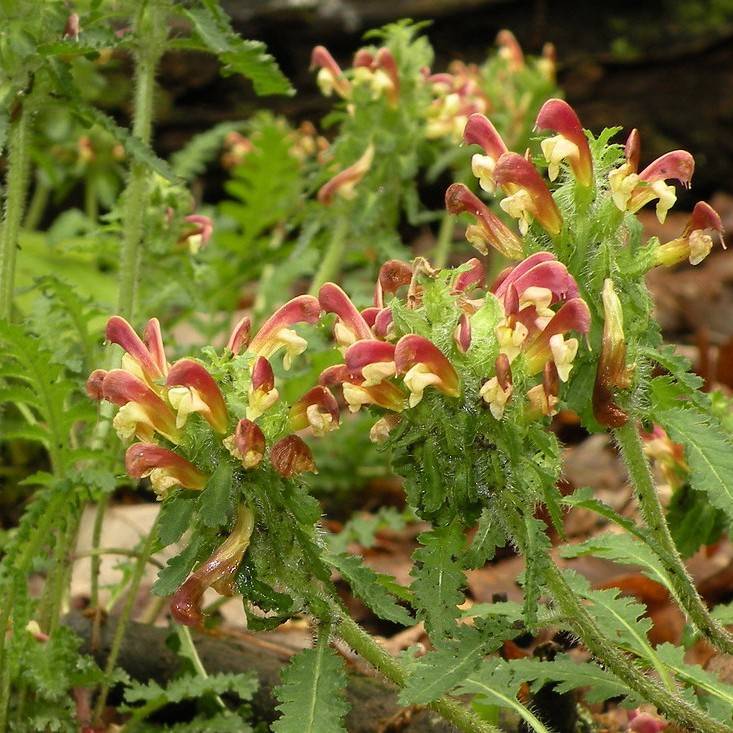
Common Lousewort
Pedicularis sylvatica
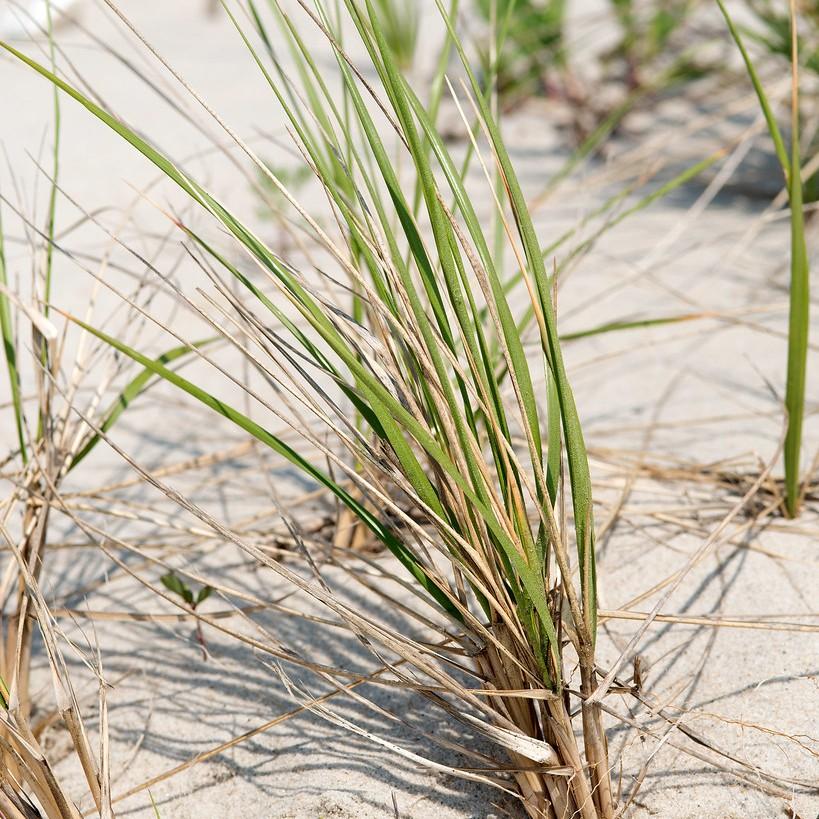
American Beachgrass
Ammophila breviligulata
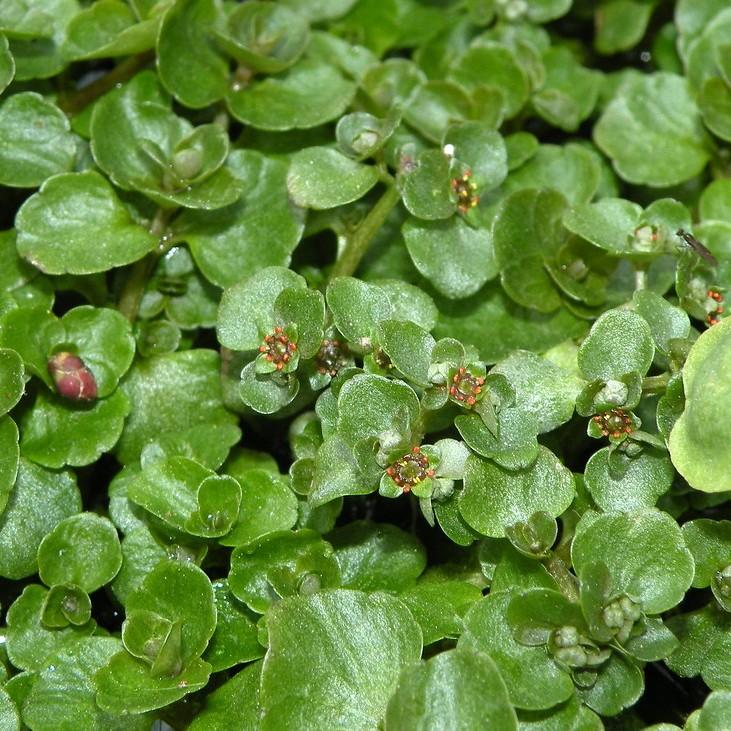
American Golden Saxifrage
Chrysosplenium americanum
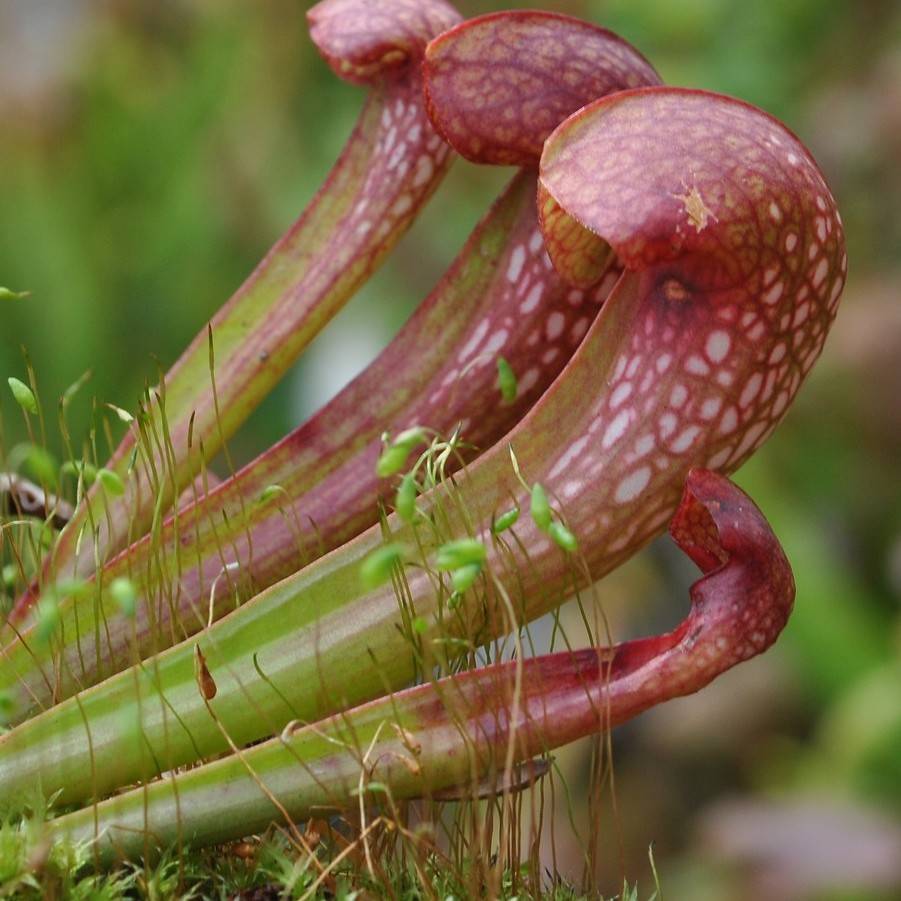
Hooded Pitcher Plant
Sarracenia minor
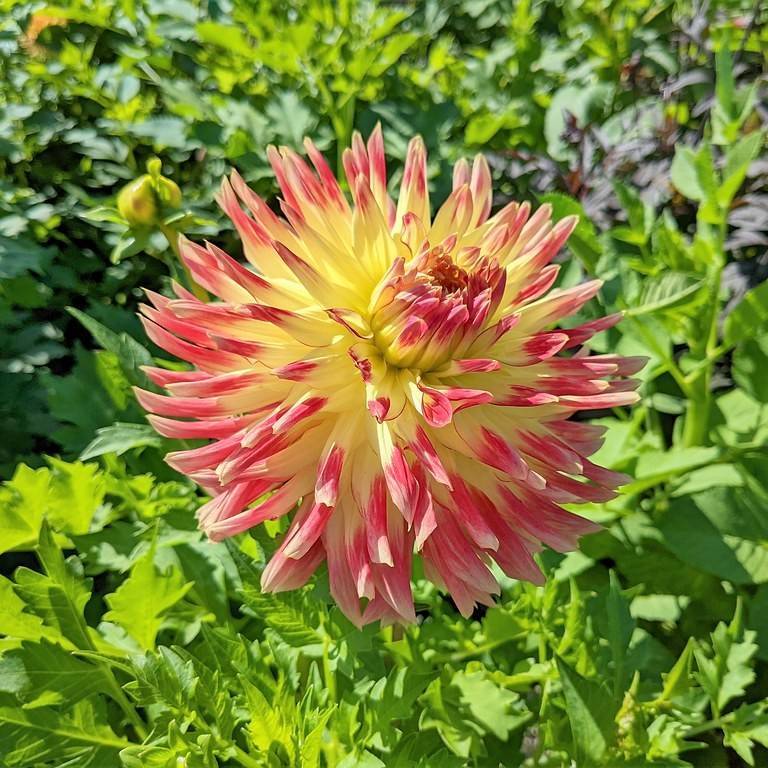
dahlia
Dahlia (group)
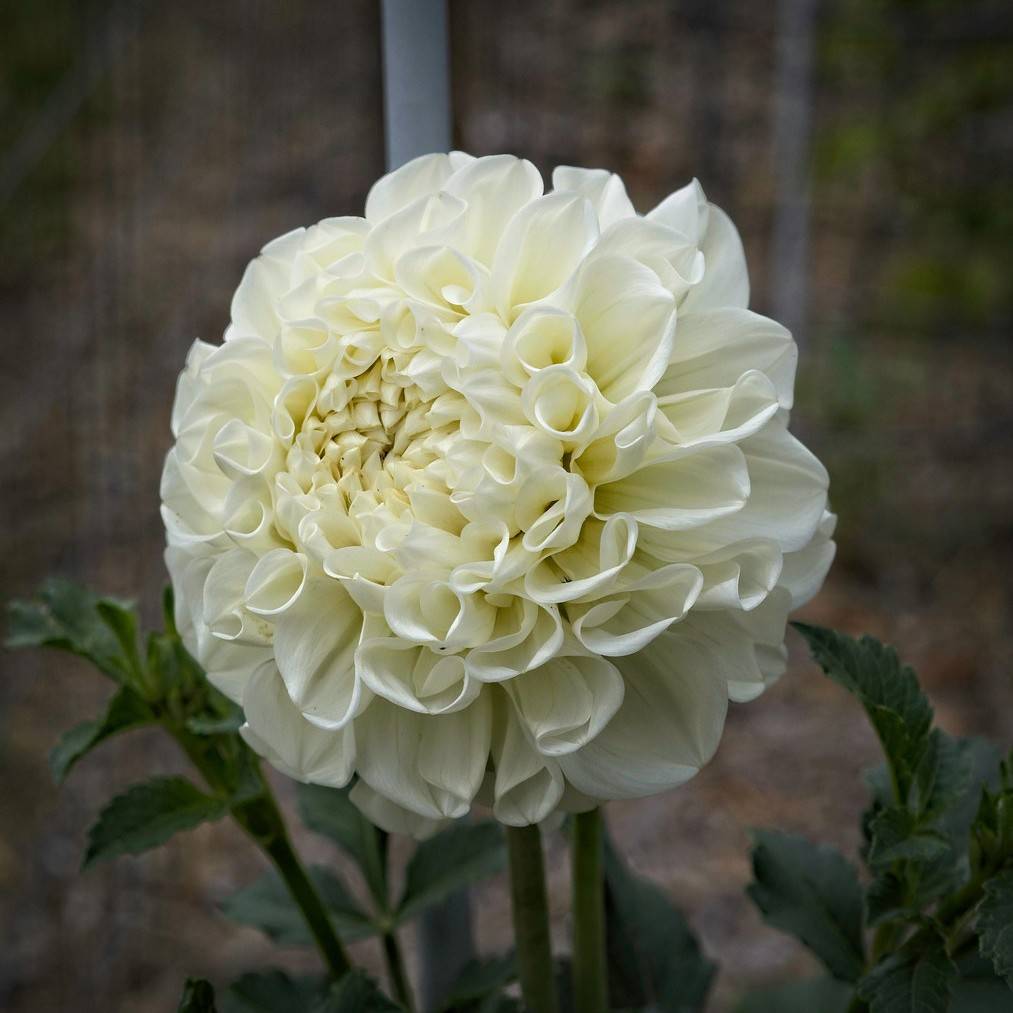
decorative dahlia
Dahlia 'Prinzessin Irene von Preussen'