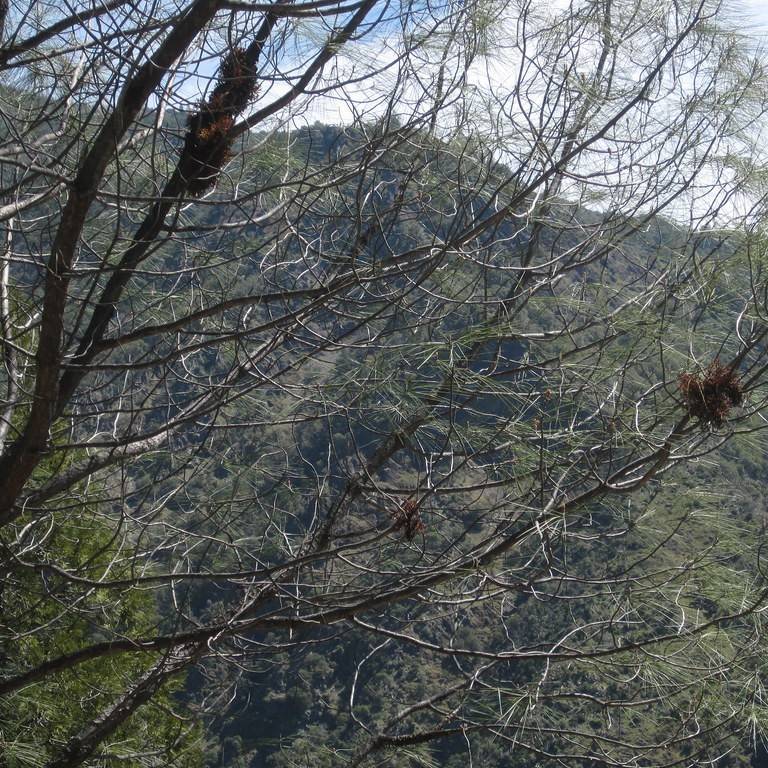
Douglas Fir Dwarf Mistletoe
Arceuthobium douglasii
Overview
Douglas Fir Dwarf Mistletoe is an obligate hemiparasite that relies almost entirely on its primary host, Pseudotsuga menziesii (Douglas fir), for water and nutrients, though it produces small amounts of chlorophyll for limited photosynthesis. Female plants produce sticky, berry-like fruits that forcibly eject seeds at speeds up to 60 mph to colonize new host branches, while male plants produce small, wind-pollinated flowers. Severe infestations lead to the formation of dense, broom-like growths on host branches, reduced timber value, and increased host vulnerability to drought, insect damage, and secondary pathogens.
Care Guide
Watering
As a parasitic plant, Douglas Fir Dwarf Mistletoe extracts all required moisture from its host Douglas fir, so no supplemental watering is needed; it thrives only when attached to a living, actively growing host tree. In cultivation for research purposes, it requires a healthy, established Douglas fir host with consistent soil moisture to support both the host and the parasite. It cannot survive independently of a host, and will desiccate and die within days if removed from its host branch.
Light
It grows best in partial to full sunlight, as it carries out limited photosynthesis to supplement nutrients stolen from its host; it is most commonly found on the sun-exposed upper and outer branches of Douglas fir canopies. It can tolerate low light conditions on shaded inner host branches, but growth and reproduction are significantly reduced in these locations. For research cultivation, position the host tree in a site that receives at least 4 hours of direct sunlight daily to support mistletoe growth.
Soil
Douglas Fir Dwarf Mistletoe has no true root system, instead producing specialized haustoria that penetrate host branch tissue to extract resources, so it does not require soil of its own. Its survival is entirely dependent on the soil conditions supporting its Douglas fir host, which prefers well-drained, slightly acidic loam soils typical of western North American coniferous forests. It cannot grow in soil directly, and attempts to plant it without a host will result in immediate failure.
Fertilizer
No direct fertilizer applications are required for the mistletoe itself, as it pulls all required macronutrients and micronutrients from the vascular system of its host tree. Fertilizing the host Douglas fir with a balanced, slow-release evergreen fertilizer in early spring will indirectly support mistletoe growth by improving host vigor, though this is generally not desirable in managed forest settings. Over-fertilization of the host may lead to excessive new growth that is more susceptible to mistletoe seed colonization.
Temperature
It is adapted to the temperate to cool climate of western North American montane forests, tolerating winter temperatures as low as -30°F (-34°C) and summer highs up to 90°F (32°C) when supported by a healthy host. It requires a period of cold winter dormancy to trigger spring flowering and fruit production, and will not thrive in consistently warm, tropical climates. Frost damage to the mistletoe is rare, as it is insulated by host branch tissue and shares the host's cold hardiness.
Pruning
In managed landscapes or timber stands, pruning of infected host branches 12-18 inches below the visible mistletoe growth is the most effective control method to prevent spread to healthy trees. For research cultivation, pruning is only needed to remove excess mistletoe growth that is excessively stressing the host tree, which can lead to premature host death. Dead mistletoe growth will naturally slough off host branches after the infected portion of the branch dies, so no removal is required in natural settings.
Propagation
Propagation is achieved by harvesting ripe, sticky seeds from female plants in late summer and pressing them onto the young, thin bark of healthy 1-3 year old Douglas fir branches, ideally in late summer or early fall. Germination occurs the following spring, with haustoria penetrating the host bark within 6-8 weeks, though visible mistletoe shoots will not appear for 2-3 years after successful infection. It cannot be propagated from cuttings or seed without a suitable Douglas fir host, and cross-infection to other conifer species is extremely rare.
Humidity
Douglas Fir Dwarf Mistletoe is adapted to the moderate humidity levels common in western North American coniferous forests, ranging from 30-70% relative humidity, and extracts all required moisture from its host so atmospheric humidity has minimal direct impact. It can tolerate short periods of very low humidity or drought, as long as its host tree has access to sufficient soil moisture to maintain turgor. Extremely high, prolonged humidity may increase the risk of secondary fungal infections on mistletoe shoots, though this is uncommon in its native range.
Repotting
As an obligate parasite attached to a host tree, Douglas Fir Dwarf Mistletoe never requires repotting; its survival is tied directly to the health and location of its host. If the host Douglas fir is grown in a container for research purposes, repot the host only when root-bound, taking care not to damage branches where mistletoe is attached during the process. Transplanting infected host trees is possible, but may stress the host and lead to mistletoe dieback if root damage is severe.
Uses & Symbolism
Historically, some Indigenous peoples of western North America used small quantities of Douglas Fir Dwarf Mistletoe in traditional medicinal preparations for treating skin conditions and respiratory ailments, though its high toxicity makes internal use extremely dangerous. In forest ecology research, it is studied as a keystone species that supports specialized insect and bird populations, including several species of grouse that feed on its nutrient-dense shoots and berries. It has no ornamental or horticultural uses, as it is considered a damaging pest in commercial Douglas fir timber plantations, reducing growth rates and timber quality.
Diseases & Pests
Douglas Fir Dwarf Mistletoe itself is relatively resistant to most diseases, though it may be infected by host-specific rust fungi that can reduce its growth and reproductive output. The most significant negative impacts associated with the species are the diseases and stress it causes to its host tree: severe infestations lead to branch dieback, reduced growth, and increased susceptibility to secondary pathogens such as Armillaria root rot and Douglas fir beetle infestations. In very wet conditions, mistletoe shoots may develop soft rot, though this rarely kills the entire parasite, which is protected by its connection to healthy host tissue.
Related plants
Other plants you might like if you grow Douglas Fir Dwarf Mistletoe.
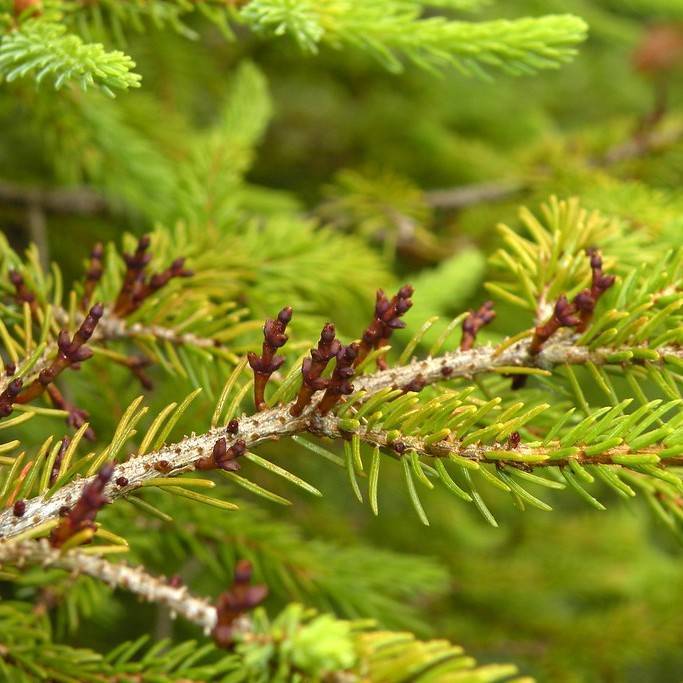
Hemlock Dwarf Mistletoe
Arceuthobium tsugense
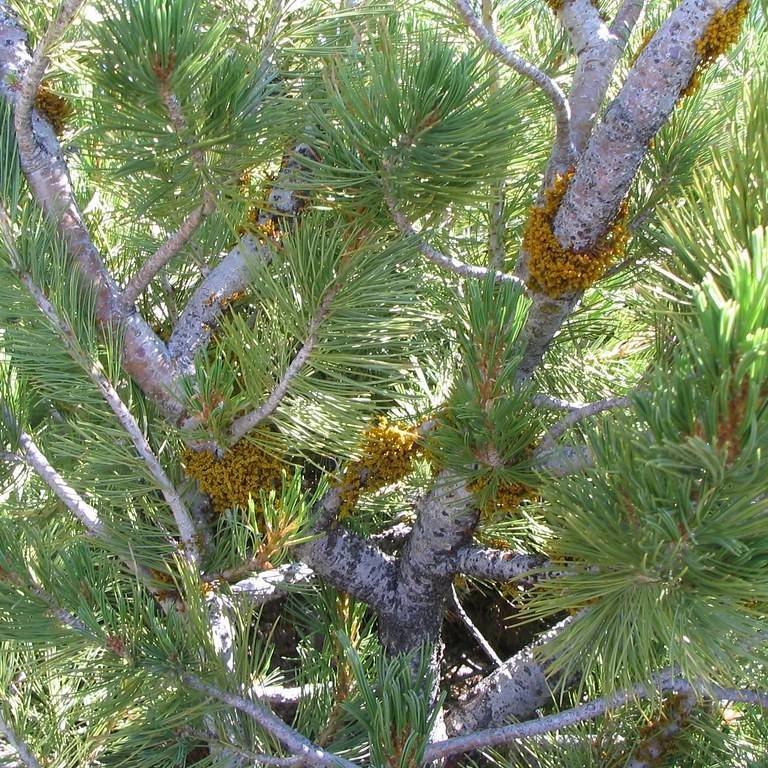
Larch Dwarf Mistletoe
Arceuthobium laricis
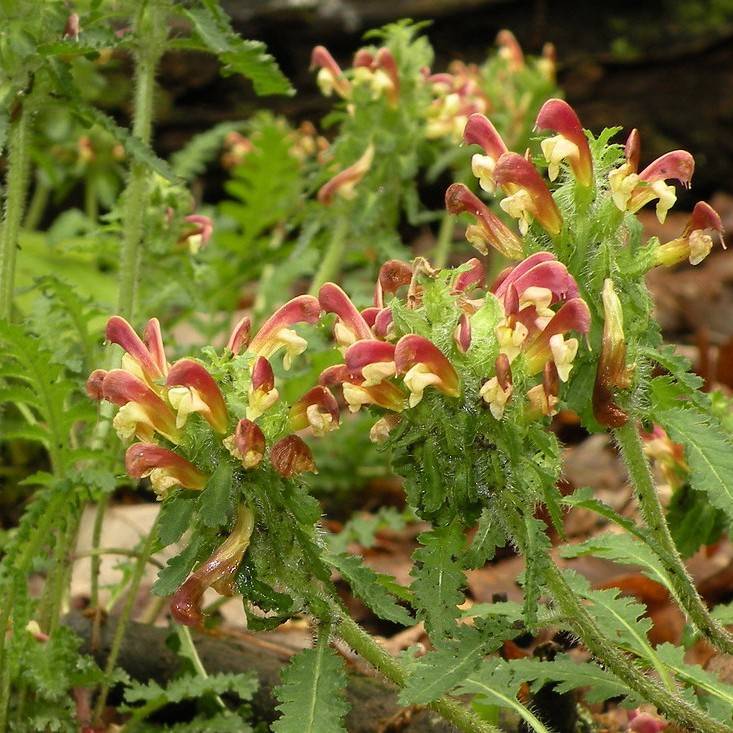
Common Lousewort
Pedicularis sylvatica
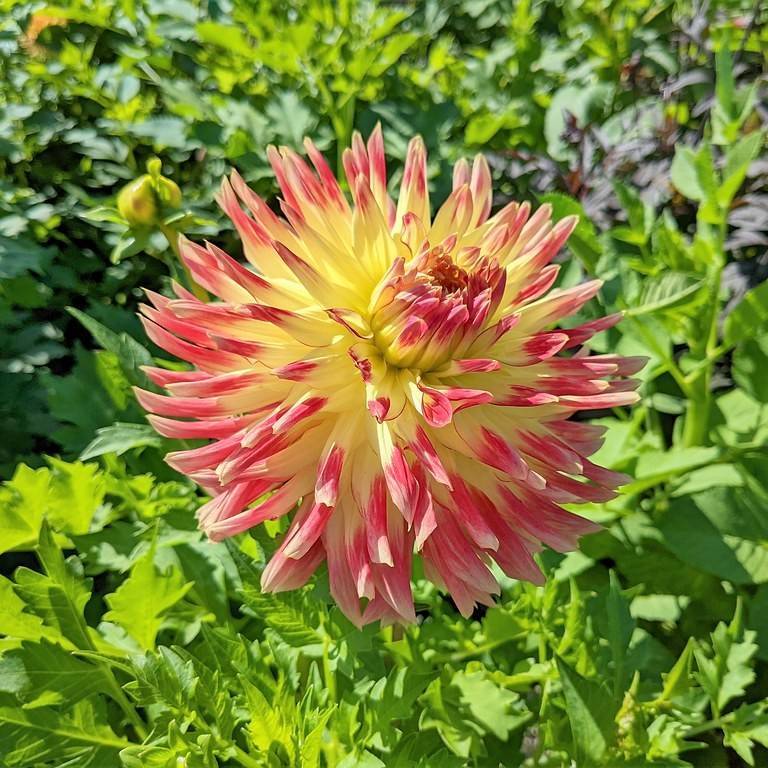
dahlia
Dahlia (group)
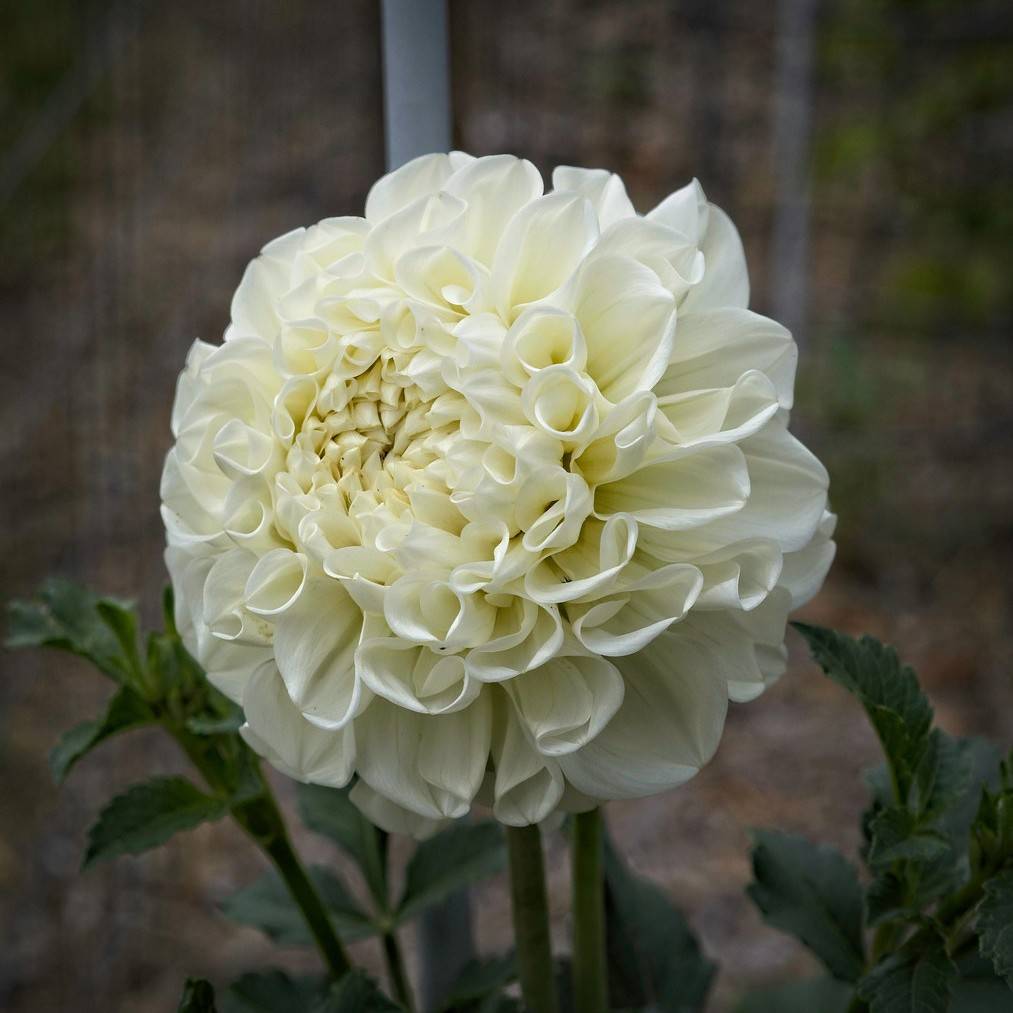
decorative dahlia
Dahlia 'Prinzessin Irene von Preussen'
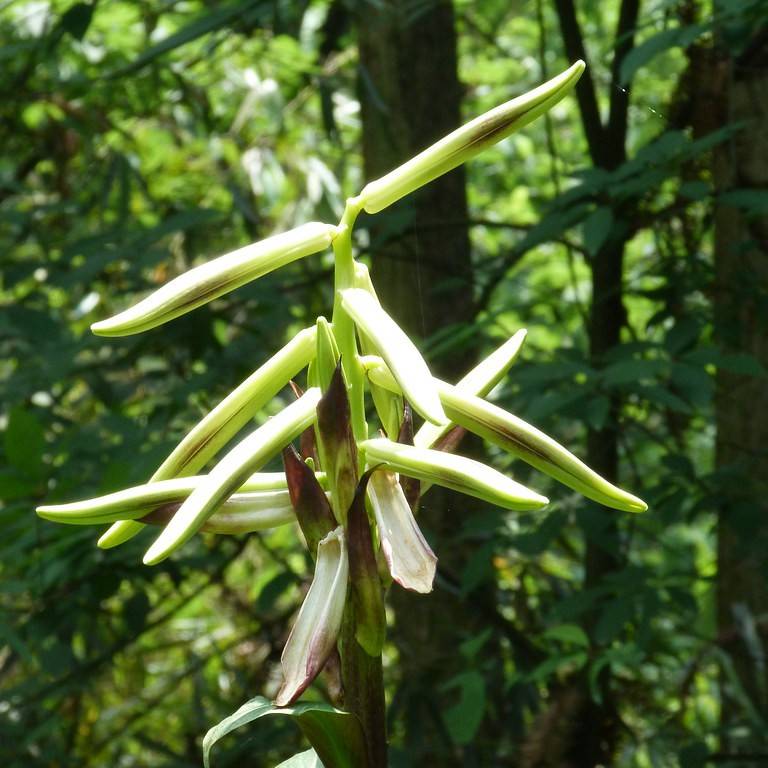
giant lily
Cardiocrinum giganteum
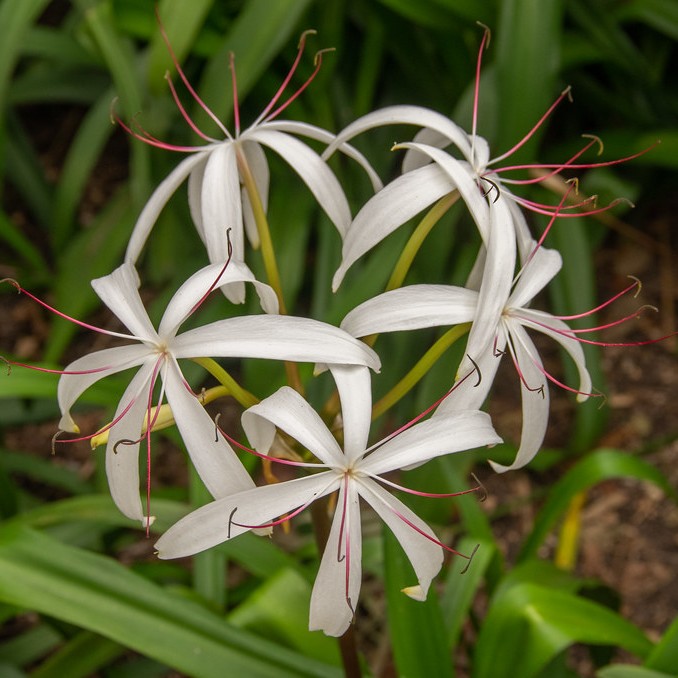
giant lily
Cardiocrinum giganteum var. yunnanense
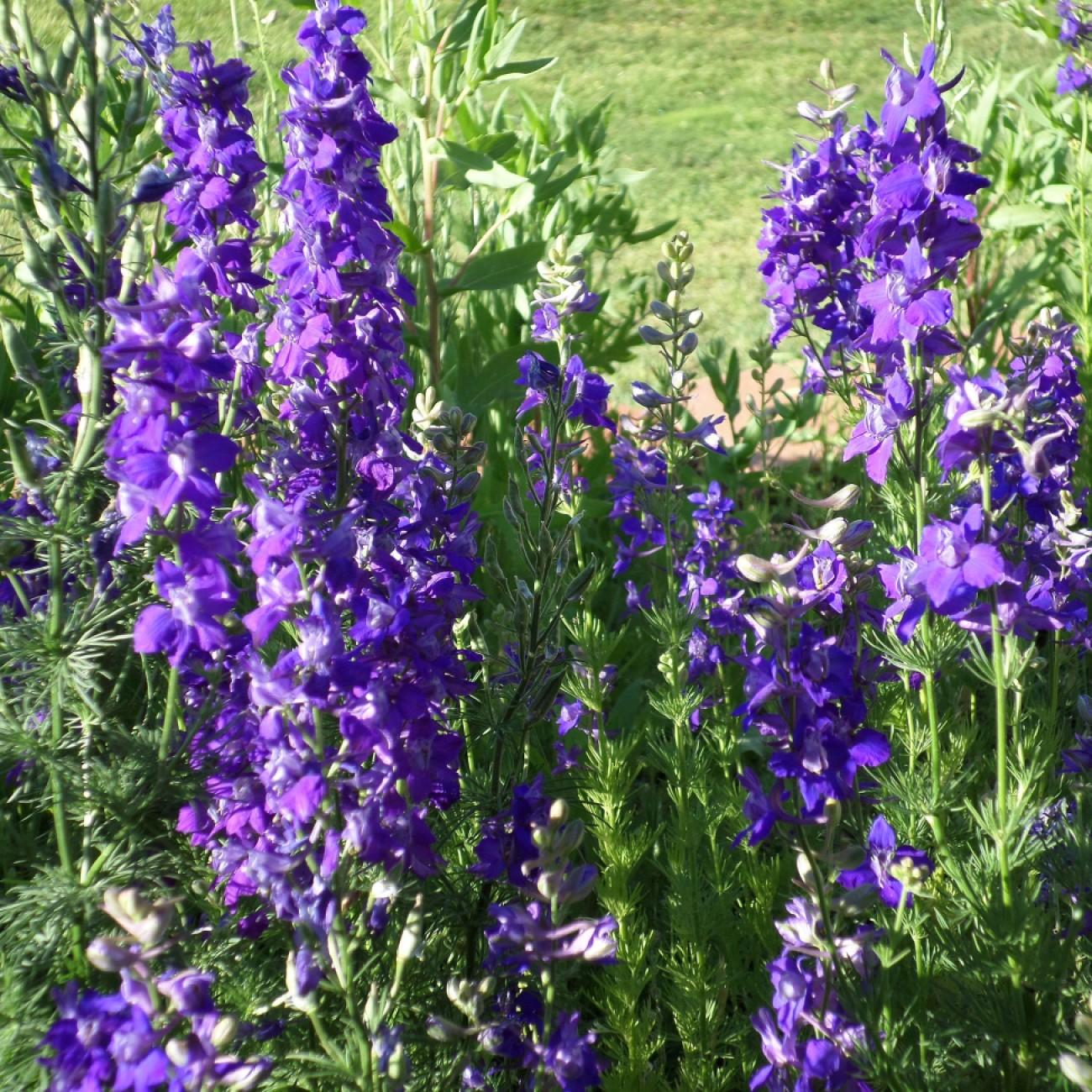
larkspur
Delphinium 'Misty Mauves'