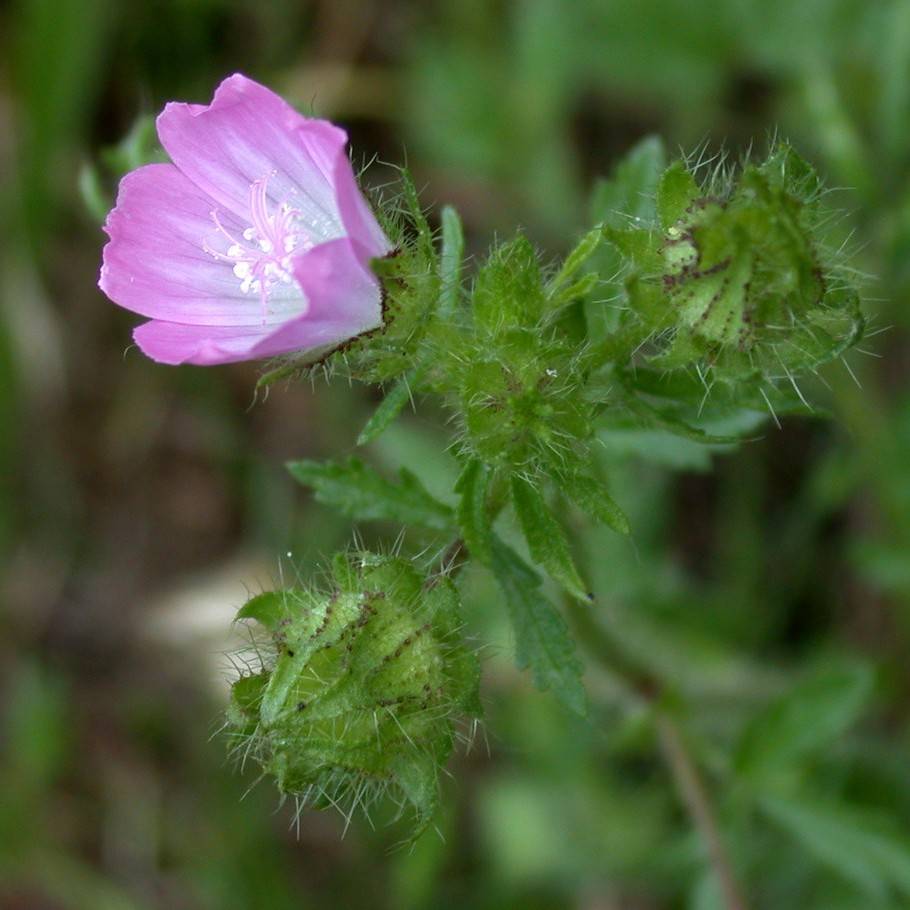
Hairy Marsh Mallow
Althaea hirsuta
Overview
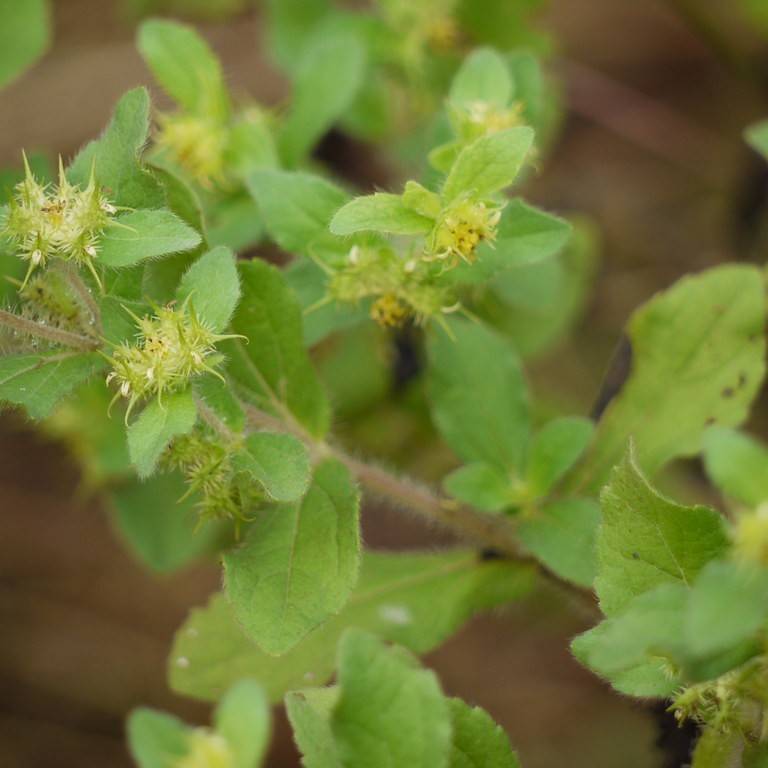
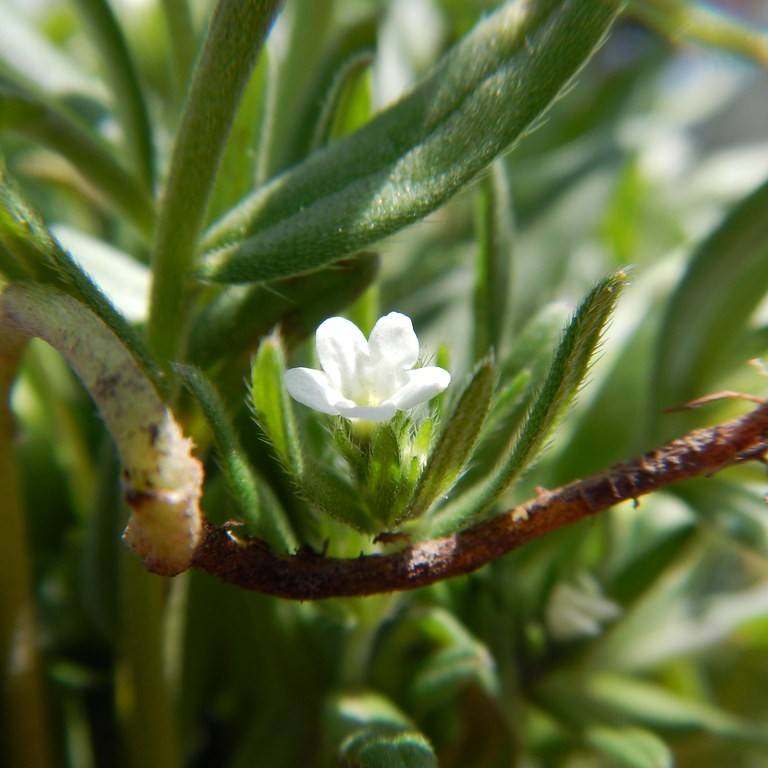
Hairy marsh mallow is a soft, herbaceous annual distinguished by its dense, velvety trichomes covering stems, leaves, and sepals. It produces delicate five-petaled pale pink or white flowers from late spring to early fall, attracting pollinators such as bees and butterflies. Unlike its perennial relative common marsh mallow, it completes its lifecycle in a single growing season, thriving in wet, nutrient-rich environments.
Care Guide
Watering
Keep soil consistently moist, never allowing it to dry out completely, as this species is adapted to marshy, wet habitats. Water deeply and regularly, especially during hot, dry periods, to maintain saturated soil conditions. Avoid overwatering in poorly draining containers, as standing water can still cause root rot in potted specimens.
Light
Grow in full sun, receiving at least 6 hours of direct sunlight daily for optimal flowering and robust growth. It can tolerate partial shade, but plants grown in low light will become leggy and produce fewer blooms. In extremely hot climates, light afternoon shade can help prevent leaf scorch.
Soil
Plant in nutrient-rich, loamy soil with a neutral to slightly alkaline pH, between 6.5 and 7.5. The soil must retain moisture well, as this species prefers consistently damp to wet conditions. Amending soil with compost or well-rotted manure before planting will improve both nutrient content and water retention.
Fertilizer
Apply a balanced, all-purpose liquid fertilizer diluted to half strength every 4 weeks during the active growing season. Avoid over-fertilizing with high-nitrogen formulas, as this can encourage excessive leaf growth at the expense of flower production. Potted specimens may require more frequent feeding, as nutrients leach quickly from wet soil.
Temperature
Hairy marsh mallow thrives in warm temperatures between 60 and 85°F (15 and 29°C) during its active growth period. It is not frost tolerant, and exposure to temperatures below 32°F (0°C) will kill the plant immediately. It can tolerate short periods of higher heat as long as soil moisture levels remain consistent.
Pruning
Pruning is rarely required for this short-lived annual, but you can pinch back stem tips in early growth to encourage bushier, more compact form. Remove spent flowers regularly to promote continuous blooming throughout the growing season. Pull up and discard entire plants once they die back at the end of the season to prevent self-seeding if desired.
Propagation
Propagate easily from seed, sown directly outdoors in early spring after the last frost date has passed. Sow seeds ¼ inch deep in moist soil, spacing them 12 to 18 inches apart to allow for mature spread. Seeds germinate within 7 to 14 days in warm, consistently moist conditions, with no pre-treatment required.
Humidity
Prefers moderate to high humidity levels between 50 and 70%, consistent with its native marshy habitat. It can tolerate average household humidity if grown indoors, but will benefit from regular misting if the air is dry. Avoid placing potted specimens near heating or cooling vents, which can dry out foliage quickly.
Repotting
As an annual, hairy marsh mallow rarely needs repotting if planted in an adequately sized container at the start of the growing season. If roots begin to grow out of drainage holes and growth slows, repot into a slightly larger container with fresh, moisture-retentive potting mix. Stop repotting once flowering begins to avoid disrupting bloom production.
Uses & Symbolism
Hairy marsh mallow has a long history of use in traditional herbal medicine, with its roots and leaves used to soothe sore throats, reduce inflammation, and treat minor digestive complaints. Its delicate pink flowers make it a charming addition to rain gardens, bog gardens, and wetland restoration plantings, supporting local pollinator populations. It is sometimes grown as a low-maintenance ornamental for moist, sunny borders where other plants may struggle with damp soil conditions.
Diseases & Pests
Hairy marsh mallow is relatively pest and disease resistant, but can be susceptible to rust, powdery mildew, and leaf spot in overly humid conditions with poor air circulation. Aphids and spider mites may occasionally feed on new growth, which can be controlled with insecticidal soap or a strong spray of water. Root rot can occur if the plant is grown in poorly draining soil that stays waterlogged for extended periods.
Related plants
Other plants you might like if you grow Hairy Marsh Mallow.