Great Pignut
Bunium bulbocastanum
Overview
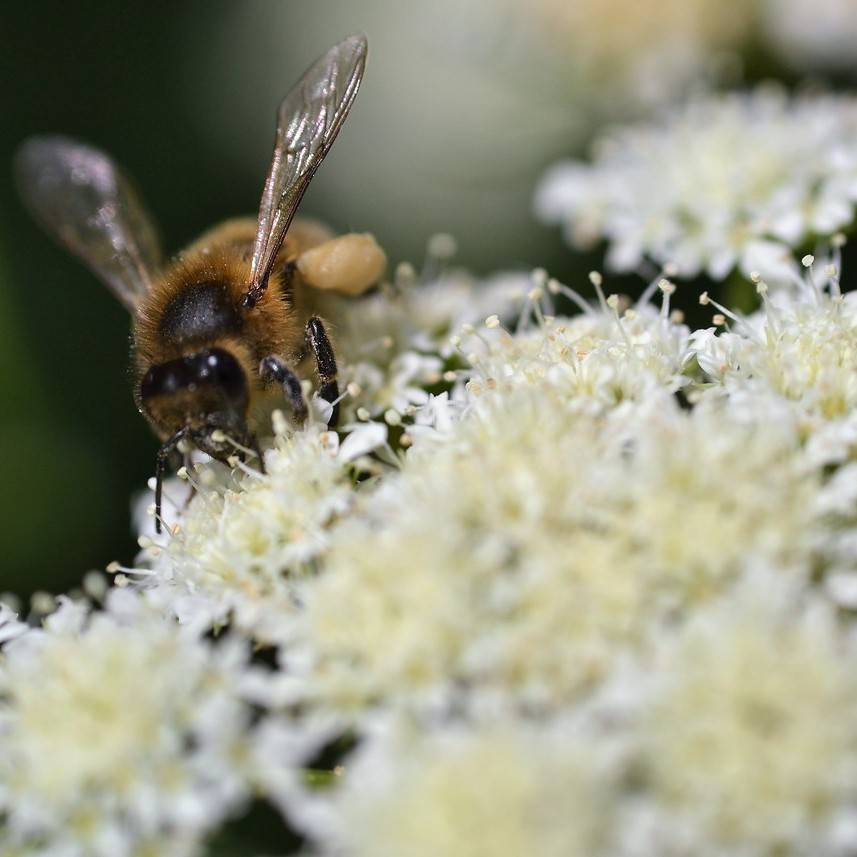
Great pignut, also called earth chestnut, is a herbaceous perennial valued for its small, rounded edible tubers that have a nutty, sweet flavor reminiscent of roasted chestnuts. It produces lacy, dark green fern-like foliage and clusters of small white umbel flowers typical of the Apiaceae family in late spring to early summer. Native to grasslands and meadows across Europe and Western Asia, it has been foraged for food for centuries and is increasingly grown as a low-maintenance specialty edible crop.
Care Guide
Watering
Great pignut prefers consistently moist, well-drained soil during its active growing season in spring and summer, requiring watering when the top 1 inch of soil feels dry to the touch. Reduce watering gradually as foliage yellows and dies back in late summer, keeping soil barely moist during the plant's dormant winter period to prevent tuber rot. Avoid overwatering, especially in heavy, poorly draining soils, as this can cause the underground tubers to decay.
Light
This species thrives in full sun, requiring a minimum of 6 hours of direct sunlight daily to produce robust foliage and well-developed tubers. It can tolerate partial shade, particularly in regions with very hot summer temperatures, though tuber yields may be reduced in low-light conditions. Avoid planting in full shade, as this will result in weak, spindly growth and minimal tuber production.
Soil
Great pignut grows best in loose, well-drained, loamy or sandy soil with a neutral to slightly alkaline pH between 6.5 and 7.5. It can tolerate poor, rocky soils as long as drainage is excellent, but heavy clay soils that hold water will cause tuber rot and stunted growth. Work compost or well-rotted manure into the top 12 inches of soil before planting to improve structure and nutrient content without creating overly rich, water-retentive conditions.
Fertilizer
Great pignut is a light feeder that rarely requires supplemental fertilization if planted in moderately fertile soil. If growing in very poor, sandy soil, apply a balanced, slow-release organic fertilizer at half strength once in early spring as new foliage emerges. Avoid high-nitrogen fertilizers, as these will encourage excessive leaf growth at the expense of tuber development.
Temperature
This plant is cold-hardy, tolerating winter temperatures as low as -20°F (-29°C) when tubers are well-established in the soil. It prefers cool growing temperatures between 50°F and 75°F (10°C and 24°C) during its spring and summer growing period, and can tolerate light frosts in early spring and late fall. High temperatures above 85°F (29°C) will cause foliage to die back prematurely, reducing tuber size.
Pruning
Pruning is rarely required for great pignut, though yellowed or damaged foliage can be trimmed away at the base throughout the growing season to maintain a tidy appearance. Once foliage dies back completely in late summer, cut all dead stems to ground level to prepare the plant for dormancy and reduce the risk of fungal pathogens overwintering in decaying plant material. Avoid harvesting foliage in large quantities, as this will reduce the plant's ability to photosynthesize and produce energy for tuber growth.
Propagation
Great pignut is most commonly propagated by planting small, whole tubers in early spring, 2 to 3 inches deep and 6 inches apart in prepared soil. It can also be grown from seed, which requires a 3-month cold stratification period to break dormancy, and will take 2 to 3 years to produce harvestable tubers. Divide established clumps of tubers in late fall or early spring during dormancy, replanting individual tubers immediately to avoid drying out.
Humidity
Great pignut is adaptable to a wide range of humidity levels, tolerating both dry and moderately humid conditions as long as soil moisture is consistent. It does not require high humidity, and excessive humidity combined with poor air circulation can increase the risk of foliar fungal diseases such as powdery mildew. Ensure plants are spaced adequately to allow good air flow around foliage, particularly in humid climates.
Repotting
When grown in containers, great pignut should be repotted every 1 to 2 years during late winter dormancy, replacing the soil with fresh, well-drained loamy mix. Choose a container at least 12 inches deep to accommodate tuber development, with multiple drainage holes to prevent waterlogging. Gently separate and harvest excess tubers during repotting, leaving a few small tubers in the new pot to regrow for the next season.
Uses & Symbolism
Great pignut tubers are edible raw or cooked, eaten raw like nuts, roasted, boiled, or added to soups, stews, and salads for their sweet, chestnut-like flavor. The young leaves and shoots are also edible, used fresh in salads or cooked as a leafy green vegetable. It is also planted in wildflower meadows and pollinator gardens to support bees and other beneficial insects that feed on its nectar-rich flowers.
Diseases & Pests
Great pignut is relatively pest and disease resistant, though it can be affected by common Apiaceae pests such as carrot root fly, aphids, and slugs that feed on foliage and young tubers. Fungal diseases including powdery mildew and root rot can occur in poorly draining soil or overly humid conditions with poor air circulation. Rotating planting locations each year and avoiding overwatering can prevent most disease issues, while organic pest controls such as neem oil or diatomaceous earth can manage minor pest infestations.
Guides that mention Great Pignut
Related plants
Other plants you might like if you grow Great Pignut.