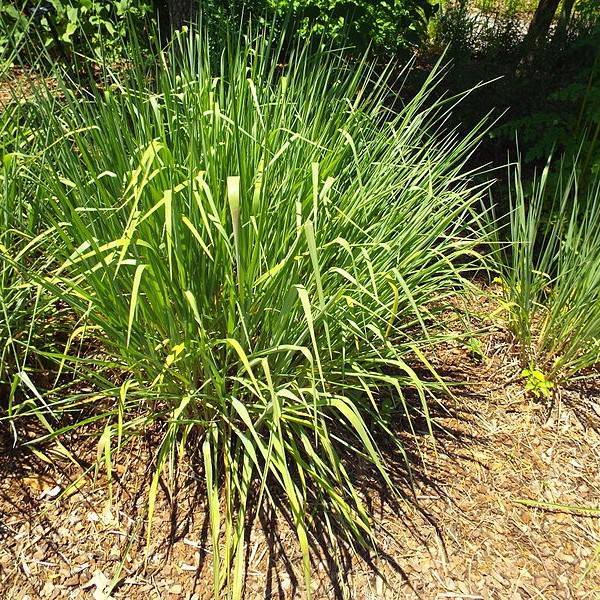
Florida Paspalum
Paspalum notatum var. saurae
Overview
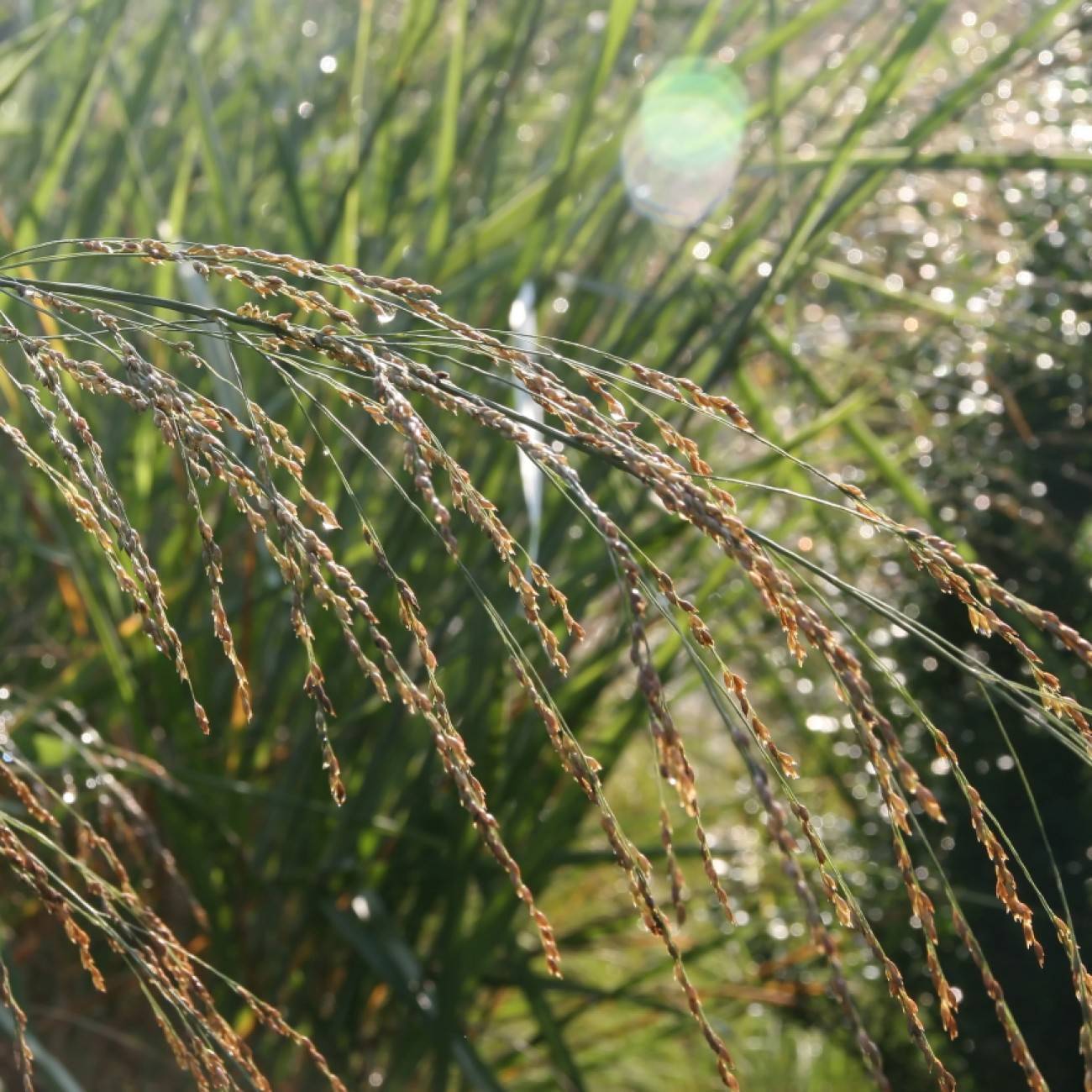
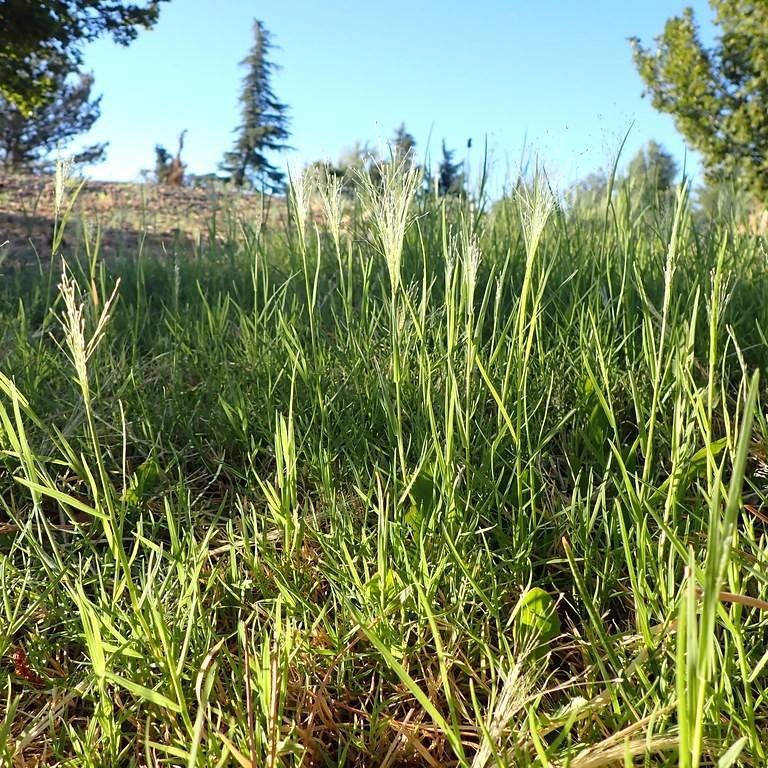
Florida paspalum is a warm-season perennial turfgrass prized for its exceptional salt tolerance, making it a top choice for coastal landscapes where other grass species struggle with salt spray or saline irrigation. It forms a dense, dark green mat via both rhizomes and stolons, with a fine to medium texture that holds up well to moderate foot traffic. Though it originated in subtropical coastal ecosystems, it has been selectively bred for improved cold tolerance, expanding its viable growing range slightly north of traditional warm-season turf zones.
Care Guide
Watering
Florida paspalum has moderate drought tolerance once established, requiring 1 to 1.5 inches of water per week during active growth in warm months; it can survive on less frequent irrigation in coastal areas with regular fog or light rainfall. It tolerates occasional flooding and saline water sources better than most other warm-season turfgrasses, making it suitable for regions with poor water quality or periodic storm surges. Reduce watering frequency during cooler dormant periods to prevent root rot and fungal growth.
Light
This grass thrives in full sun, requiring a minimum of 6 hours of direct sunlight daily to maintain its dense growth habit and deep green color. It can tolerate very light, dappled shade for 1 to 2 hours per day, but prolonged shade will cause thinning, increased vulnerability to weeds, and reduced overall vigor. Plant in unobstructed south or west-facing areas for best performance in residential landscapes.
Soil
Florida paspalum adapts to a wide range of soil types, including sandy coastal soils, loam, and even heavy clay, as long as the site has reasonable drainage. It tolerates acidic to slightly alkaline soil pH levels between 5.5 and 8.5, and is highly tolerant of saline soil conditions that would kill most other turf species. Amending poor sandy soils with a 1 to 2 inch layer of organic compost before planting will improve nutrient retention and support faster establishment.
Fertilizer
Apply a balanced, slow-release turf fertilizer with an N-P-K ratio of 16-4-8 or similar at a rate of 1 pound of nitrogen per 1,000 square feet every 6 to 8 weeks during the active growing season from late spring to early fall. Avoid over-fertilizing, as excess nitrogen can increase susceptibility to fungal diseases and reduce the grass’s natural salt tolerance. Skip fertilization entirely during the cool dormant season, as the grass will not take up nutrients and excess product can run off into nearby waterways.
Temperature
Florida paspalum thrives in warm temperatures between 75°F and 95°F (24°C to 35°C), with active growth commencing once soil temperatures consistently stay above 65°F (18°C) in spring. It has better cold tolerance than seashore paspalum, surviving light freezes and mild winters as far north as USDA hardiness zone 8b, though it will turn brown and go dormant during extended cool periods. Prolonged temperatures below 25°F (-4°C) can cause permanent damage or kill unprotected plants.
Pruning
Mow Florida paspalum to a height of 2.5 to 4 inches for residential lawns, or 1 to 2 inches for golf course fairways and athletic fields, never removing more than one-third of the grass blade height in a single mowing to avoid stressing the plant. Mow every 7 to 10 days during peak warm-season growth, and reduce mowing frequency to every 2 to 3 weeks during cooler periods when growth slows. Leave grass clippings on the lawn after mowing to return nutrients to the soil and reduce fertilizer needs.
Propagation
Florida paspalum is most commonly propagated via sprigs, plugs, or sod for fast, uniform establishment, as seeded varieties can produce inconsistent growth and texture. Plant sprigs or plugs in late spring or early summer when soil temperatures are warm, spacing plugs 6 to 12 inches apart to allow for full coverage within one growing season. If using seed, plant at a rate of 1 to 2 pounds per 1,000 square feet, keeping the top 1 inch of soil consistently moist until germination occurs in 7 to 14 days.
Humidity
This grass thrives in the high humidity typical of subtropical and tropical coastal regions, tolerating humidity levels between 60% and 90% without issue. Good air circulation over the turf canopy will reduce the risk of fungal diseases during extended periods of high humidity and frequent rainfall. It adapts well to lower humidity levels in more arid warm regions, as long as it receives adequate irrigation to compensate for increased evaporation.
Repotting
Florida paspalum is rarely grown in containers, as it is primarily used as a landscape turfgrass. If grown in a planter for test or decorative purposes, repot every 2 to 3 years in spring before active growth begins, using a well-draining sandy loam potting mix. Trim back overgrown rhizomes and roots by up to one-third during repotting to prevent the plant from becoming root-bound and to encourage new, healthy foliage growth.
Uses & Symbolism
Florida paspalum is most widely used as a turfgrass for residential lawns, golf course fairways, tees, and roughs, and public parks in coastal subtropical regions, where its salt tolerance allows it to thrive where other grasses fail. It is also planted for erosion control on coastal dunes, shorelines, and roadside embankments, as its dense rhizome and stolon network holds soil in place against wind and water damage. Some low-input varieties are used for pasture grazing for livestock, as it produces palatable, nutritious forage that tolerates heavy grazing pressure.
Diseases & Pests
The most common diseases affecting Florida paspalum are brown patch and dollar spot, fungal infections that thrive in warm, humid conditions with extended leaf wetness, appearing as circular brown or tan patches of dead grass that expand if left untreated. Pests include chinch bugs, which suck sap from grass blades and cause yellowing or browning in sunny, dry areas, and mole crickets, which tunnel through the root zone and cause widespread turf lifting and damage. Overwatering, poor air circulation, and over-fertilization with nitrogen increase the risk of both pest and disease issues, so adhering to proper care guidelines is the most effective prevention strategy.
Related plants
Other plants you might like if you grow Florida Paspalum.