Black Willow
Salix nigra
Overview
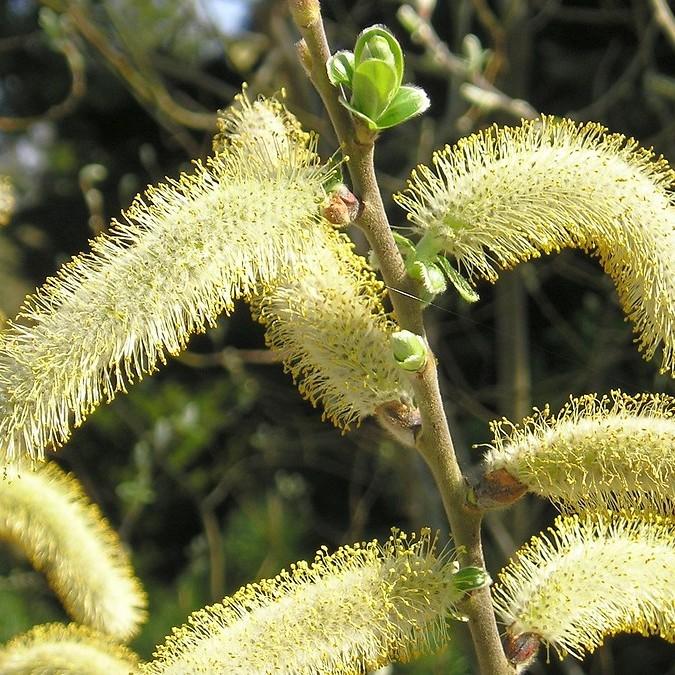
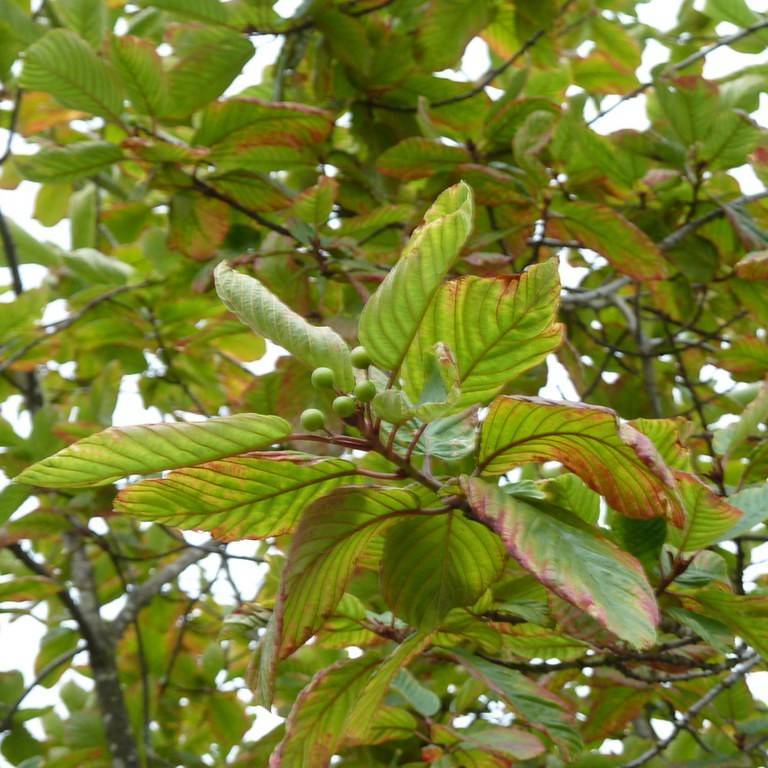
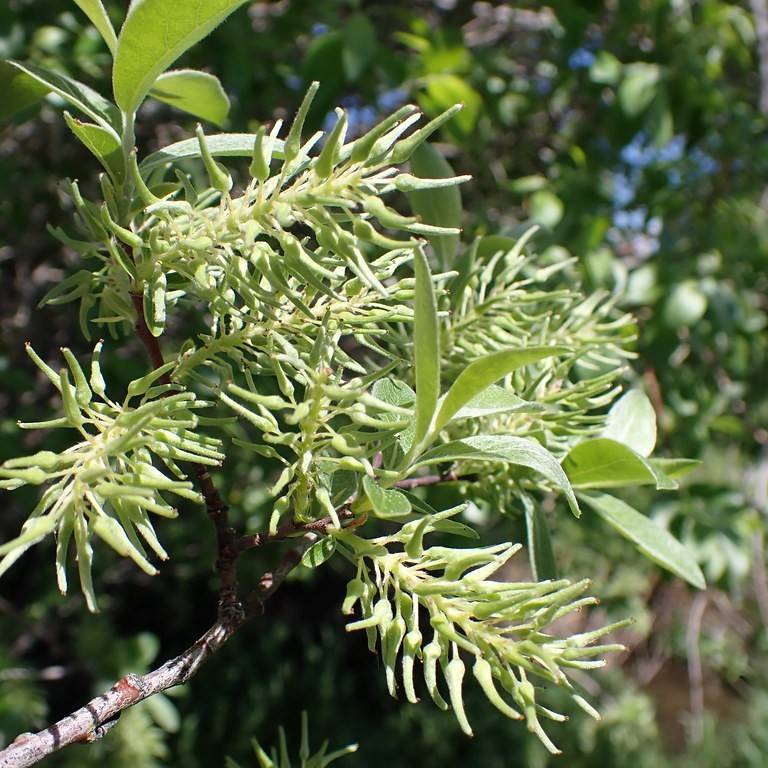
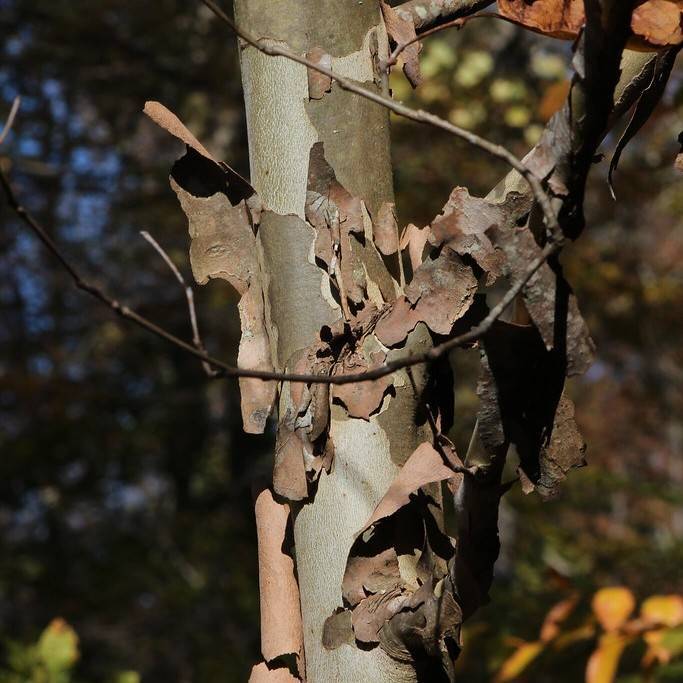
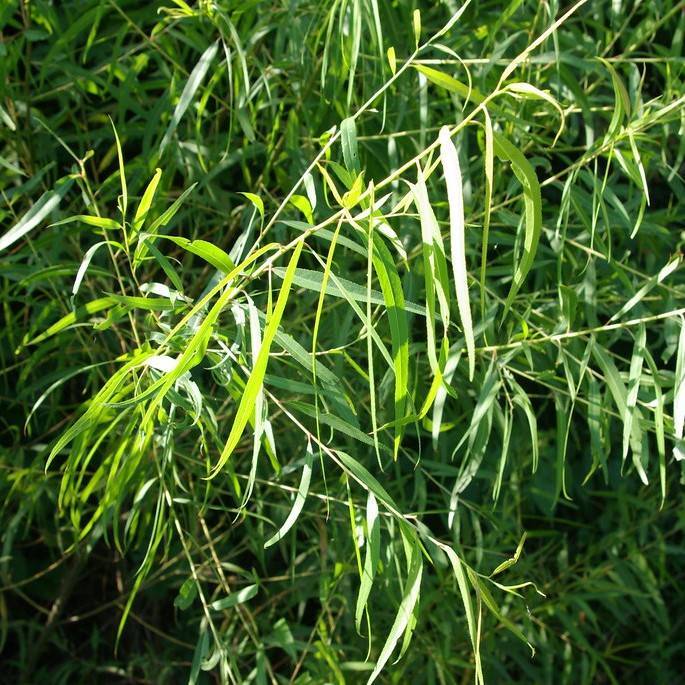
Black willow is the largest and most commercially important willow species in North America, recognizable by its rough, dark brown to black furrowed bark, narrow lance-shaped leaves, and slender, flexible branches. It thrives in saturated, riparian soils, often forming dense stands along riverbanks, lakeshores, and floodplains where it stabilizes sediment and reduces shoreline erosion. Male and female flowers appear on separate trees in early spring as drooping catkins, with female trees producing small, fuzzy seed capsules that release tiny, wind-dispersed seeds coated in cottony fibers.
Care Guide
Watering
Black willow requires consistent moisture and tolerates prolonged flooding, making it ideal for wet, poorly drained sites; water regularly during establishment to keep the root zone fully saturated, and avoid letting the soil dry out completely even for mature specimens. It is not drought-tolerant, and extended dry periods will cause leaf drop, stunted growth, or dieback in non-riparian locations.
Light
This species prefers full sun, requiring a minimum of 6 hours of direct, unfiltered sunlight daily to support its rapid growth habit. It will not thrive in shaded conditions, with low light leading to sparse foliage, weak branch structure, and increased susceptibility to pest infestations.
Soil
Black willow adapts to a wide range of soil types including clay, silt, sand, and loam, as long as the substrate is consistently moist or wet. It tolerates mildly acidic to neutral pH levels (5.5 to 7.5) and can handle occasional saline conditions in coastal floodplains, though it does not perform well in dry, compacted, or highly alkaline soils.
Fertilizer
Mature black willow trees rarely need supplemental fertilization, as they obtain sufficient nutrients from nutrient-rich riparian sediments. Young, newly planted trees can benefit from a balanced, slow-release 10-10-10 fertilizer applied once in early spring to support root and foliage development, but over-fertilization can lead to weak, fast growth that is prone to storm damage.
Temperature
Black willow is cold-hardy in USDA zones 3 through 9, tolerating winter temperatures as low as -40°F (-40°C) and summer highs up to 100°F (38°C) as long as sufficient moisture is available. Late spring frosts can damage new leaf growth, but the tree typically recovers quickly by producing new foliage within a few weeks.
Pruning
Prune black willow in late winter during dormancy to remove dead, damaged, or crossing branches, and to shape the tree if desired. Its fast growth means it may require annual pruning to prevent weak, overextended branches that are prone to breaking during heavy wind or ice storms; avoid heavy pruning of mature trees, as this can trigger excessive, unstable sucker growth.
Propagation
Black willow is most easily propagated via dormant hardwood cuttings taken in late winter or early spring, before new leaf growth emerges. Cut 12-18 inch (30-45 cm) sections of 1-2 year old branches, plant them 2-3 inches deep in moist soil, and keep the substrate consistently saturated; cuttings root quickly, often establishing a functional root system within 4-6 weeks. It can also be grown from seed, but seeds remain viable for only a few weeks after ripening and require constant moisture to germinate.
Humidity
Black willow thrives in moderate to high humidity levels typical of its native riparian habitat, tolerating humidity ranges from 50% to 90%. It can adapt to lower humidity conditions if provided with sufficient soil moisture, but extended periods of dry, arid air will cause leaf scorch and increased water demand.
Repotting
Black willow is rarely grown in containers long-term, as its extensive, fast-growing root system quickly outgrows even large pots and requires constant moisture to survive. Young saplings intended for landscape planting can be kept in deep, well-drained containers for 1-2 growing seasons, repotting annually in early spring before new growth emerges to a pot 2-3 inches larger than the previous one, using a moisture-retentive potting mix.
Uses & Symbolism
Black willow wood is lightweight, fine-grained, and shock-resistant, making it ideal for manufacturing boxes, crates, furniture parts, and wooden tool handles, while its flexible branches are used for traditional basket weaving. It is widely planted for riparian restoration, shoreline erosion control, and stormwater management, as its dense root system stabilizes sediment and filters pollutants from runoff. It also provides critical wildlife habitat: its catkins support early spring pollinators, its foliage is a food source for numerous moth and butterfly species, and its branches provide nesting sites for birds and cover for aquatic organisms.
Diseases & Pests
Black willow is susceptible to a range of fungal diseases including willow scab, which causes black spots on leaves and young shoot dieback, and black canker, which forms sunken, dark lesions on branches that can girdle and kill affected limbs. Common pests include aphids, which suck sap from new growth and secrete honeydew that leads to sooty mold, and willow beetles, which skeletonize foliage and can cause widespread defoliation during heavy infestations. It is also prone to root rot in poorly drained, stagnant water, and its soft wood is easily damaged by wood-boring insects in stressed, drought-stricken specimens.
Related plants
Other plants you might like if you grow Black Willow.