Laurel Oak
Quercus laurifolia
Overview
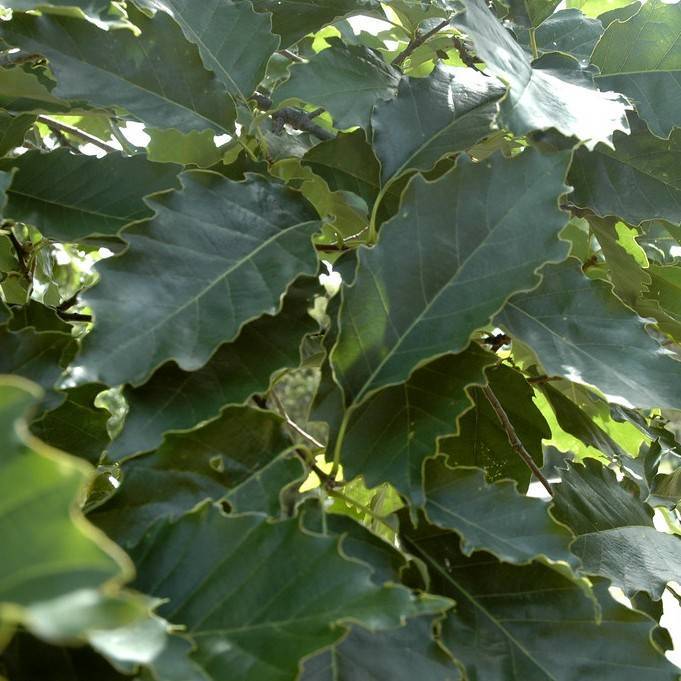
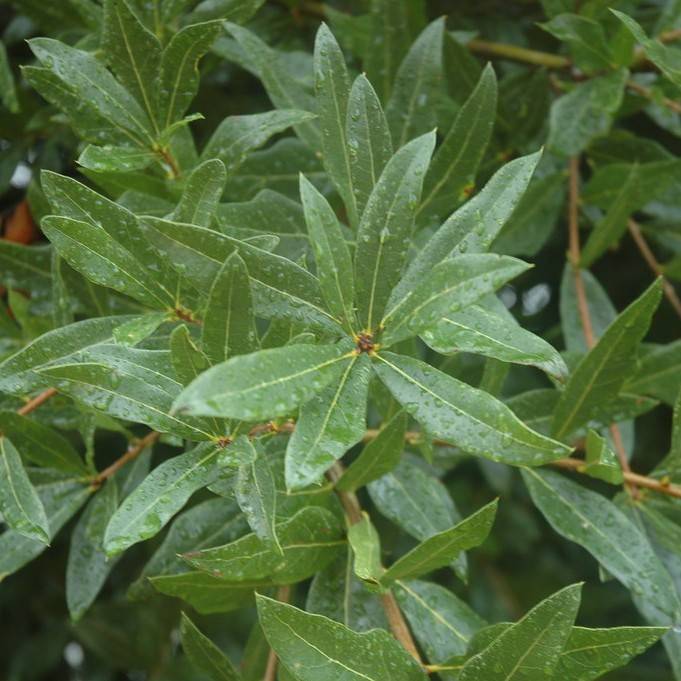
Laurel oak is a broad-canopied member of the red oak group, identifiable by its glossy, oblong, laurel-like leaves that lack the deep lobes common to many other oak species. It is predominantly semi-evergreen in the warmest parts of its range, dropping old leaves briefly in early spring before new foliage emerges. It grows rapidly compared to most oaks, making it a popular choice for shade and street plantings in its native region.
Care Guide
Watering
Laurel oak prefers consistently moist, well-drained soils, and tolerates periodic flooding better than many other oak species, making it well-suited to low-lying, wet areas. Once established, it has moderate drought tolerance, though prolonged dry periods may cause premature leaf drop; supplemental watering is recommended for young trees during extended dry spells. Avoid overwatering in heavy, poorly drained soils that stay saturated for weeks at a time, as this can lead to root rot.
Light
This species thrives in full sun, requiring at least six hours of direct, unfiltered sunlight daily to develop a strong, symmetrical canopy and robust growth. It can tolerate very light partial shade, but shaded specimens will have sparser foliage and a more stretched, irregular growth habit. Plant in an open location away from taller structures or trees that would block consistent sun access for best results.
Soil
Laurel oak adapts to a wide range of soil types, including sand, loam, and clay, as long as the substrate is acidic to neutral with a pH between 4.5 and 7.0. It is highly tolerant of poorly drained, occasionally flooded soils, including swampy sites and riparian areas, where many other tree species cannot survive. Alkaline soils will cause chlorosis, or yellowing of the leaves, so amend with sulfur or peat moss if planting in an area with high soil pH.
Fertilizer
Young laurel oaks benefit from an annual application of a balanced, slow-release 10-10-10 fertilizer in early spring, before new leaf growth begins, to support rapid root and canopy development. Mature, established trees typically do not require regular fertilization, as they can access sufficient nutrients from the surrounding soil, though a light application of nitrogen-rich fertilizer may be beneficial if growth is stunted or foliage is pale. Avoid fertilizing in late fall, as this can stimulate tender new growth that will be damaged by winter frost.
Temperature
Laurel oak is hardy in USDA zones 7 through 10, tolerating minimum winter temperatures as low as 0°F (-18°C) without significant damage. It thrives in the warm, humid summers of its native southeastern range, and does not perform well in arid, cool climates outside its hardiness zone. Young trees may require winter protection, such as a trunk wrap, in the colder parts of its range to prevent sunscald and frost damage during their first 2-3 years.
Pruning
Prune laurel oak during the dormant winter season, when the tree is not actively growing, to reduce the risk of oak wilt transmission and minimize stress on the tree. Focus on removing dead, damaged, or crossing branches, and thin out crowded inner growth to improve air circulation through the canopy, which reduces disease risk. Avoid heavy pruning of more than 25% of the canopy in a single year, as this can stunt growth and leave the tree vulnerable to pests and pathogens.
Propagation
Laurel oak is most commonly propagated from acorns, which mature in two years after pollination, characteristic of species in the red oak group. Collect ripe acorns in fall, remove the caps, and sow immediately outdoors 1-2 inches deep, or stratify in moist refrigerated conditions for 30-60 days before sowing in spring to break seed dormancy. Cuttings are rarely successful for this species, as rooted cuttings have very low survival rates, making seed propagation the only viable method for most growers.
Humidity
This species prefers moderate to high humidity levels between 50% and 80%, typical of its native southeastern U.S. habitat, and thrives in areas with regular summer rainfall and humid air. It can tolerate lower humidity levels for short periods, but extended dry, arid conditions will cause leaf browning and premature drop, and may stunt overall growth. Indoor cultivation is not practical for this large tree, so no humidity adjustments are needed for landscape specimens.
Repotting
Laurel oak is a large landscape tree that is not suitable for container growth long-term, so repotting is only relevant for young saplings grown in pots before transplanting to a permanent outdoor location. Young saplings should be repotted annually in early spring before new growth begins, moving to a slightly larger container each time with fresh, acidic potting mix, until they are large enough to transplant outdoors, typically when they reach 2-3 feet tall. Avoid keeping laurel oaks in containers for more than 3-4 years, as their extensive root systems will become pot-bound and stunt growth permanently.
Uses & Symbolism
Laurel oak is widely planted as a shade tree and street tree in its native range, valued for its fast growth, dense canopy, and tolerance of urban conditions including air pollution and compacted soil. Its heavy, strong wood is used for lumber, firewood, and pulpwood, though it is less commercially valuable than white oak due to its porous grain. It also provides important habitat and food for wildlife, including squirrels, deer, and numerous bird species that feed on its acorns.
Diseases & Pests
Laurel oak is susceptible to oak wilt, a fatal fungal disease spread by sap-feeding beetles and root grafts between adjacent trees, which causes rapid wilting and death of infected specimens, and requires immediate removal of affected trees to prevent spread. It is also prone to leaf spot, powdery mildew, and anthracnose, fungal diseases that cause browning or spotting of foliage, particularly in wet, humid conditions with poor air circulation. Common pests include oak borers, scale insects, and gypsy moth caterpillars, which can defoliate trees if infestations are severe, though healthy, established trees usually recover from minor pest damage.
Related plants
Other plants you might like if you grow Laurel Oak.