Bloody Cranesbill: Complete Care, Growing Guide, and Garden Ideas
Learn how to grow and care for bloody cranesbill (Geranium sanguineum), a low-maintenance, pollinator-friendly perennial ground cover for temperate gardens.
Bloody Cranesbill: Complete Care, Growing Guide, and Garden Ideas
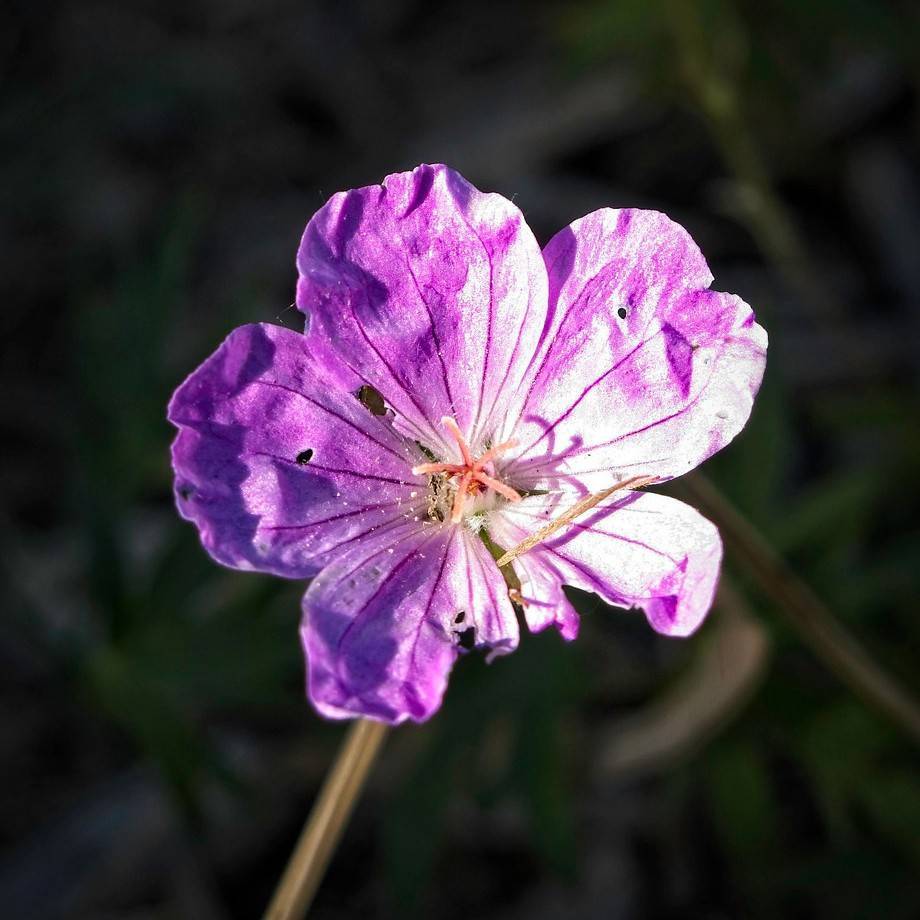
Bloody cranesbill (Geranium sanguineum) is a low-growing, cold-hardy perennial ground cover that thrives in USDA zones 3–9, producing vibrant magenta blooms from late spring to mid-summer with minimal required upkeep. It tolerates poor soil, drought, and light foot traffic, making it ideal for borders, rock gardens, and tree beds.
What Is Bloody Cranesbill (Geranium sanguineum)?
Bloody cranesbill is a low-growing hardy hardy geranium that reaches 6–12 inches tall and spreads 12–24 inches wide, producing vibrant magenta-pink five-petaled flowers from late May to mid-August. Its lobed green foliage turns deep crimson in autumn, and it forms dense, weed-suppressing mats ideal for ground cover. It is native to Europe and temperate regions of Asia, and is often called bloody geranium for its bright flower hue and autumn leaf color.
Key Traits of Bloody Cranesbill
- Hardiness: USDA zones 3–9
- Bloom period: Late spring to mid-summer
- Light preference: Full sun to partial shade
- Water needs: Drought tolerant once established
- Special features: Pollinator friendly, low maintenance, deer resistant
Bloody Cranesbill Soil, Light, and Climate Requirements
Bloody cranesbill grows best in well-draining soil with a pH of 5.8–7.0, and tolerates poor, sandy, or rocky soil as long as it does not stay waterlogged. It thrives in 6+ hours of direct sun daily in cool climates, and benefits from afternoon shade in regions with summer temperatures above 90°F to prevent leaf scorch.
Climate Suitability Notes
- Tolerates temperatures as low as -40°F once established
- Avoid planting in low-lying areas that collect standing water after rain
- For heavy clay soil, mix 2 inches of compost or sand into the planting hole to improve drainage
Use Sproutly to scan your garden soil and light conditions to confirm if Bloody Cranesbill is a good fit for your space.
How to Plant Bloody Cranesbill
Plant bloody cranesbill in early spring after the last frost, or in early fall 6–8 weeks before the first expected frost to give roots time to establish before cold weather. Space plants 12–18 inches apart to allow for their spreading growth habit, and plant at the same depth they were growing in their nursery pot.
Step-by-Step Planting Instructions
- Dig a hole twice as wide and the same depth as the root ball
- Loosen tangled roots gently with your fingers to encourage outward growth
- Backfill the hole with native soil mixed with 1 part compost if your soil is very poor
- Water thoroughly to settle soil around the roots, and add a 1-inch layer of mulch to retain moisture and suppress weeds
If you are unsure of your last frost date, Sproutly can pull local weather data to suggest the ideal planting window for your area. For gardeners growing edible crops alongside ornamental perennials, reference our Jicama: A Complete Guide to Growing, Eating, and Storing This Crisp Root Vegetable for tips on arranging edible and decorative plantings to maximize space.
Bloody Cranesbill Care Routine
Water newly planted bloody cranesbill 1–2 times per week for the first 3 months to help roots establish. Once established, water only during extended dry periods of 2+ weeks without rain, as overwatering is the most common cause of poor growth. No regular fertilization is required; a light topdressing of compost in early spring is sufficient for healthy growth.
Seasonal Care Tasks
- Spring: Remove any dead foliage from winter, and add a thin layer of mulch if desired
- Summer: Deadhead spent blooms if you want to encourage a second, lighter flush of flowers; this is optional, as the plant will still perform well without deadheading
- Fall: Leave foliage in place after it turns red to provide winter interest and protect the crown from cold damage; cut back dead foliage in early spring before new growth emerges
Sproutly can send you custom care reminders for your bloody cranesbill based on your local climate and plant age, so you never overwater or miss a seasonal task.
Common Bloody Cranesbill Pests and Problems
Bloody cranesbill is largely pest and disease resistant, but may develop powdery mildew in humid, shaded areas with poor air circulation. Slugs and snails may occasionally feed on young foliage in wet spring weather, but rarely cause significant damage to established plants. Yellow leaves are almost always a sign of overwatering or poorly draining soil.
Troubleshooting Common Issues
- Powdery mildew: Trim affected foliage, and thin surrounding plants to improve air flow; avoid watering overhead to keep leaves dry
- Slug damage: Place copper tape around plant bases, or use organic slug bait in early spring when new growth emerges
- No blooms: The plant is likely getting too much shade, or was pruned too late in the season; move to a sunnier spot if possible, and avoid pruning after mid-spring
If you spot unusual damage on your bloody cranesbill, use Sproutly’s AI identification tool to diagnose the issue and get targeted treatment steps.
Bloody Cranesbill Companion Plants
Bloody cranesbill pairs well with sun-loving perennials that have similar low-maintenance, drought-tolerant needs, and its low mounding growth habit makes it an ideal filler around taller, upright plants. Its vibrant magenta blooms contrast beautifully with soft pastels, white, and deep purple foliage, making it a versatile addition to mixed borders.
Top Companion Plant Picks
- Peonies: Tall, fluffy late-spring blooms create a striking height contrast with low-growing bloody cranesbill. For a cohesive late-spring border, plant peonies at the back of the bed, with bloody cranesbill planted along the front edge to hide bare peony stems as the season progresses.
- Alliums: Spherical purple or white allium blooms emerge at the same time as bloody cranesbill, creating a cohesive late-spring display. The rigid, upright allium stems complement the soft, mounding habit of the geranium, and both plants are deer resistant.
- Ornamental grasses: Fine-textured grasses complement the lobed foliage of bloody cranesbill, and add winter interest after geranium foliage dies back. For low-effort year-round interest, mix in evergreen grasses to retain structure even in the coldest months.
- Hydrangeas: In partial shade areas, bloody cranesbill forms a dense ground cover around the base of hydrangeas, suppressing weeds and hiding bare hydrangea stems. Both plants prefer well-draining soil, and the geranium’s shallow root system will not compete with hydrangeas for nutrients.
Bloody Cranesbill Garden Design Ideas
Bloody cranesbill’s dense spreading habit and tolerance for poor soil make it suitable for a wide range of garden uses that many other flowering perennials cannot support. It works well in both formal and informal garden styles, and requires minimal upkeep once established.
Popular Use Cases
- Gravel step borders: Plant between stepping stones or along gravel path edges, as it tolerates light foot traffic and poor, rocky soil common in these areas. The vibrant magenta blooms pop against neutral gravel, creating a soft, meadow-like feel without the high maintenance of traditional lawn edging.
- Native plant tree beds: Use as a low ground cover under deciduous trees, where it will thrive in partial spring sun before trees leaf out, and tolerate dappled shade in summer. Its dense mat suppresses weed growth, reducing the need for frequent weeding under tree canopies, and its autumn foliage adds seasonal color to otherwise plain tree beds.
- Slope plantings: Its deep root system holds soil in place on slopes, making it a low-maintenance alternative to turf grass on hard-to-mow hills. Unlike many ground covers, it will not spread aggressively beyond the slope, and requires no mowing or frequent watering once established.
- Rock gardens: Its compact size and drought tolerance make it ideal for rock garden crevices with well-draining soil. Pair it with other alpine plants that prefer poor, rocky soil for a cohesive, low-water rock garden display.
Bloody Cranesbill vs. Similar Geranium Varieties
Bloody cranesbill is often confused with other hardy geranium varieties, but has distinct traits that make it better suited for specific uses. Unlike many other cranesbill varieties, it tolerates full sun, poor soil, and drought, and has a longer bloom period than most low-growing geranium species.
Key Comparisons
- vs. Endres's cranesbill: Endres's cranesbill has softer pink blooms and prefers partial shade, while bloody cranesbill tolerates full sun and has brighter, more vibrant flowers. For full-sun areas with poor soil, bloody cranesbill is the more reliable choice, while Endres’s cranesbill performs better in partial shade locations.
- vs. Other Hardy Geraniums: Most hardy geranium varieties grow taller (12–24 inches) than bloody cranesbill, which stays under 12 inches tall, making it a better choice for low ground cover. Taller geranium varieties work well in mid-border plantings, while bloody cranesbill is ideal for front borders and gap filling.
- vs. Annual Geraniums (Pelargonium spp.): Annual geraniums are not cold hardy, while bloody cranesbill is a perennial that returns year after year in zones 3–9. Annual geraniums may have larger blooms, but they require replanting each year, making bloody cranesbill the lower-effort choice for long-term garden plantings.
If you are unsure what geranium variety you have, scan it with Sproutly to get an accurate identification and custom care tips.
How to Propagate Bloody Cranesbill
Bloody cranesbill is easiest to propagate by division in early spring or late fall, every 3–4 years when the center of the plant starts to die out. You can also grow it from seed, but seed-grown plants will take 2–3 years to reach full blooming size, so division is the faster method for most home gardeners.
Division Steps
- Dig up the entire plant carefully, taking care not to damage the root system
- Use a sharp, clean garden knife to cut the root ball into 3–4 sections, each with healthy foliage and roots
- Replant sections immediately at the same depth they were growing originally, and water thoroughly
- Water 1–2 times per week for the first month to help new transplants establish
Geranium Variety Comparison Table
| Variety | Mature Height | Light Preference | Bloom Color | Hardiness Zones | Best Use Case |
|---|---|---|---|---|---|
| Bloody cranesbill | 6–12 inches | Full sun to partial shade | Vibrant magenta-pink | 3–9 | Low ground cover, gravel borders, rock gardens |
| Endres's cranesbill | 12–18 inches | Partial shade | Soft pink | 4–8 | Partial shade ground cover, mid-border filler |
| Tall hardy geraniums | 12–24 inches | Full sun to partial shade | Pink, purple, white, blue | 3–9 | Mid-border plantings, cut flower gardens |
| Annual geranium (Pelargonium) | 6–24 inches | Full sun | Red, pink, white, purple | 10–11 | Container plantings, annual bedding |
Frequently Asked Questions
Is bloody cranesbill the same as bloody geranium?
Yes, bloody cranesbill and bloody geranium are both common names for Geranium sanguineum, the same low-growing perennial ground cover plant.
Does bloody cranesbill spread?
Yes, bloody cranesbill spreads slowly via rhizomes to form dense mats, reaching 12–24 inches wide per plant. It is not considered invasive, and is easy to divide or trim back if it spreads beyond its desired space.
Do you cut back bloody cranesbill in fall?
It is not required to cut back bloody cranesbill in fall. Leaving the red autumn foliage in place provides winter interest and protects the plant’s crown from cold damage. You can cut back any dead foliage in early spring before new growth emerges.
Is bloody cranesbill deer resistant?
Yes, bloody cranesbill is generally deer resistant, as deer avoid its slightly fragrant, textured foliage. It is also rabbit resistant, making it a good choice for gardens in areas with high wildlife pressure.
How long does bloody cranesbill bloom?
Bloody cranesbill blooms for 4–6 weeks from late spring to mid-summer, typically from late May to mid-August depending on your climate. Deadheading spent blooms can encourage a second, lighter flush of flowers in late summer.
Try Sproutly
Identifying plants, diagnosing pest issues, and remembering seasonal care tasks is simple with Sproutly. Scan any plant in your garden for accurate identification, get custom care reminders tailored to your local climate, and troubleshoot problems before they damage your plants. Get started with Sproutly today to keep your garden thriving year-round.
Leitura relacionada
Mais guias que pode gostar
Aster Tataricus: Complete Growing, Care, and Usage Guide
Learn how to grow and care for aster tataricus (Tartarian aster), including its sun needs, medicinal uses, pet safety, and popular Jindai cultivar details.
2026-07-28 · 10 min read
Plant Games: 25+ Best Options for Casual Play, Learning, and Plant Lovers
Explore the best plant games for mobile, desktop, and console, including casual picks, learning-focused titles, and cozy options for every type of plant enthusiast.
2026-07-27 · 17 min read
Hamamelis Mollis (Chinese Witch Hazel): Complete Grow & Care Guide
Learn to grow, care for, and enjoy Hamamelis mollis (Chinese witch hazel), a fragrant winter-blooming shrub with vibrant autumn foliage for temperate gardens.
2026-07-26 · 12 min read