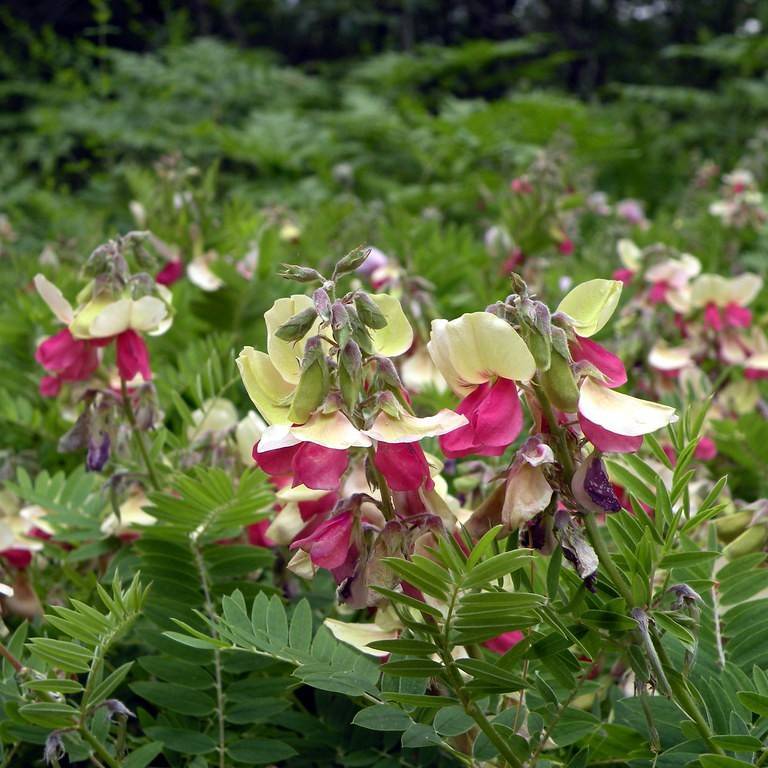
Goat's Rue
Galega officinalis
Overview
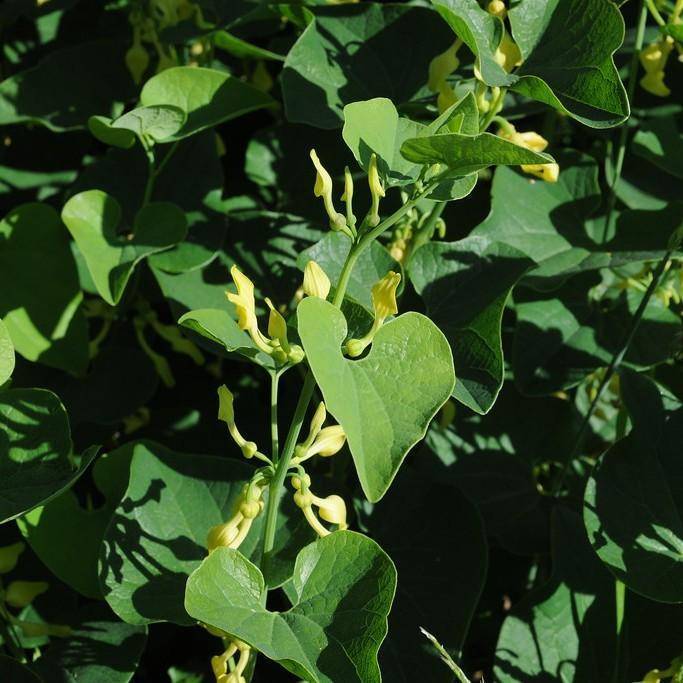
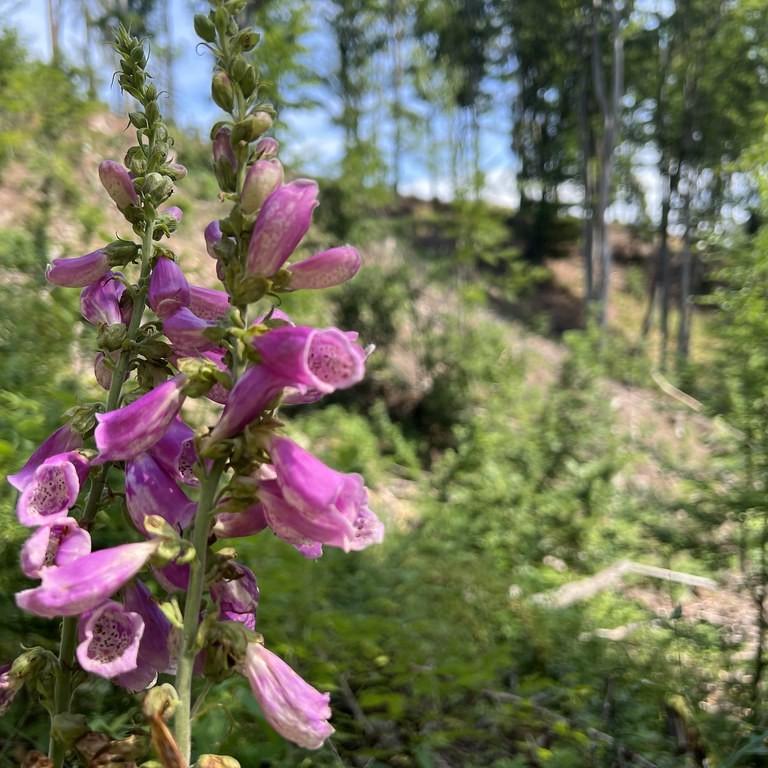
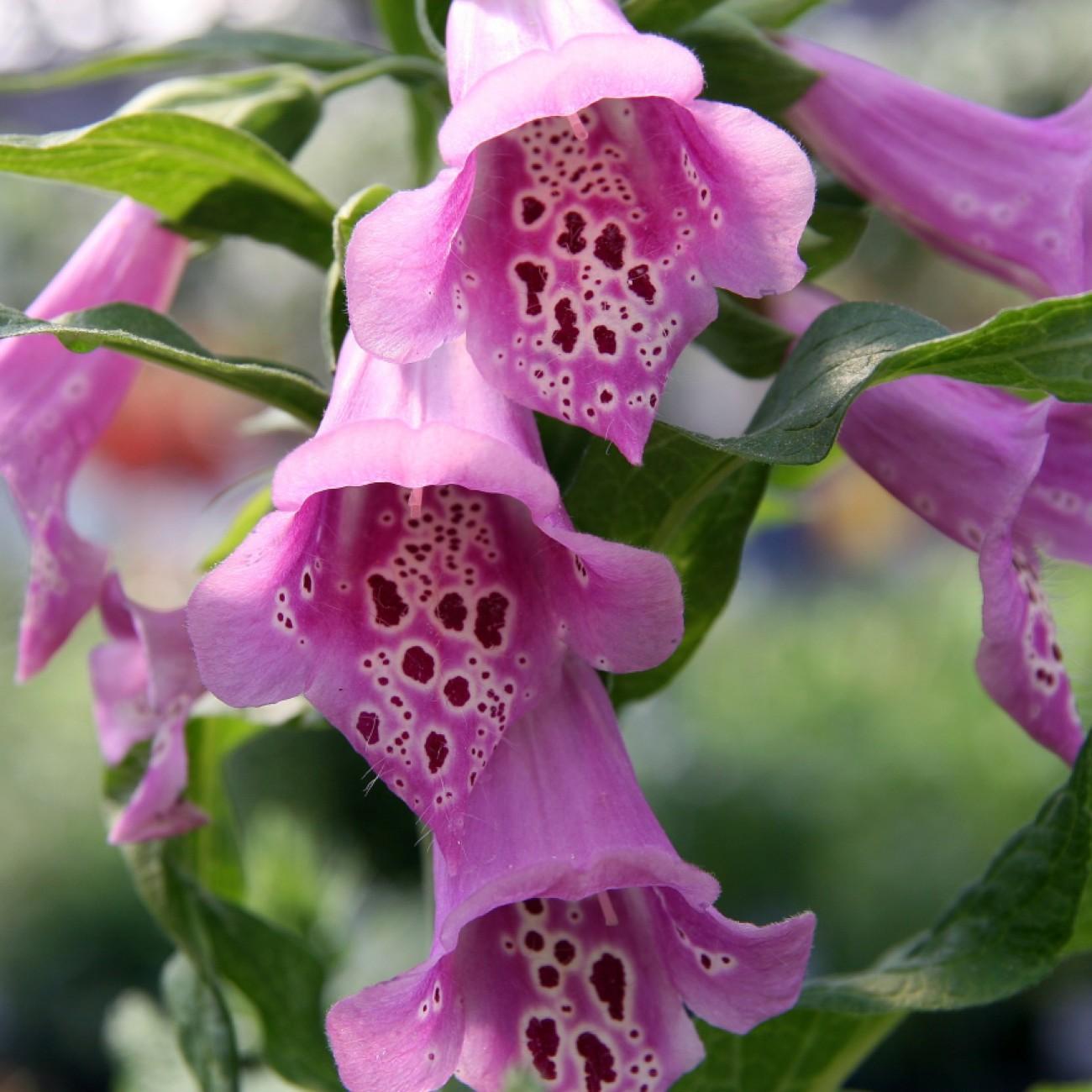
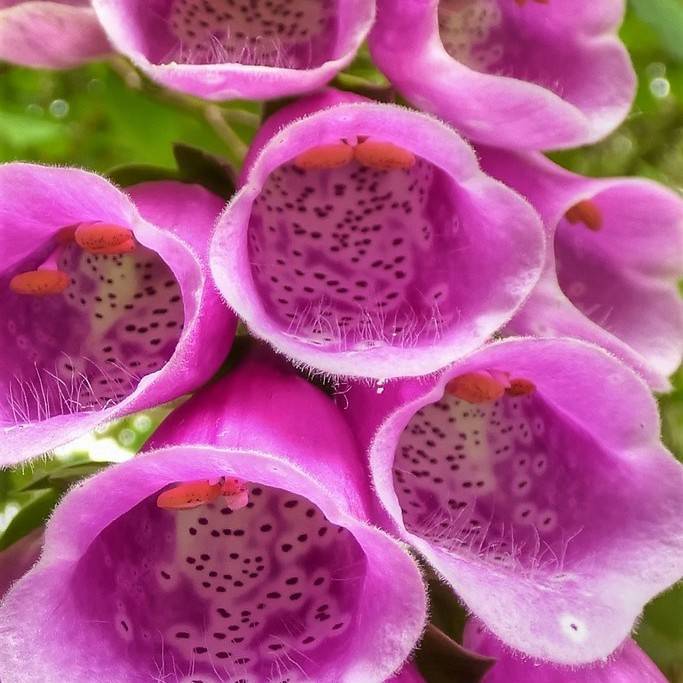
Goat's Rue is a clumping, upright perennial legume that produces dense spikes of fragrant, pea-shaped blooms from early to mid-summer, attracting bees, butterflies, and other pollinators. It gets its common name from the historic belief that feeding the plant to goats increased their milk production, though modern research confirms its toxic alkaloid content makes it unsafe for unregulated animal or human consumption. Naturalized widely across temperate regions of North America, it is often found in meadows, roadside verges, and damp grasslands, and is occasionally grown as an ornamental pollinator plant for wildflower gardens.
Care Guide
Watering
Goat's Rue prefers consistently moist, well-drained soil, and should be watered deeply whenever the top 1-2 inches of soil feel dry to the touch, especially during prolonged hot, dry periods. Avoid overwatering or allowing the plant to sit in standing water, as this can cause root rot and weaken the plant’s structural integrity. Once established, it has moderate drought tolerance, requiring only supplemental watering during extended dry spells.
Light
This plant thrives in full sun, receiving a minimum of 6 hours of direct, unfiltered sunlight daily to encourage robust growth and abundant flowering. It can tolerate partial shade, though plants grown in shadier conditions will become leggy, produce fewer blooms, and may be more prone to pest infestations. In regions with extremely hot summer climates, light afternoon shade can help prevent foliage scorch without compromising bloom production.
Soil
Goat's Rue adapts well to a wide range of soil types, including sandy, loamy, and clay soils, as long as the substrate is well-drained. As a legume, it fixes atmospheric nitrogen in its root nodules, so it can grow successfully in low-fertility, poor soils where other plants may struggle. It prefers a neutral to slightly alkaline soil pH between 6.5 and 7.5, but can tolerate slightly acidic conditions as well.
Fertilizer
Because it fixes its own nitrogen, Goat's Rue rarely requires nitrogen-rich fertilizers, which can encourage excessive foliage growth at the expense of flowers. A light application of balanced, slow-release granular fertilizer in early spring is sufficient to support growth in very poor, nutrient-depleted soils. Avoid over-fertilizing, as this can lead to lush, weak growth that is more susceptible to wind damage and fungal diseases.
Temperature
Goat's Rue is hardy in USDA zones 4 through 8, tolerating winter temperatures as low as -30°F (-34°C) once established. It prefers moderate summer temperatures between 60°F and 80°F (15°C and 27°C), and will go dormant earlier in the season if exposed to prolonged temperatures above 90°F (32°C). Young seedlings should be protected from late spring frosts, as cold snaps can kill tender new growth.
Pruning
Deadhead spent flower spikes throughout the blooming season to encourage additional flushes of flowers and prevent unwanted self-seeding, as the plant can spread aggressively in favorable conditions. Cut back the entire plant to 3-4 inches above the soil line in late fall after foliage has died back, to tidy the planting area and reduce overwintering sites for pests and diseases. Thin out overcrowded clumps every 2-3 years in early spring to improve air circulation and prevent fungal growth.
Propagation
Goat's Rue is most commonly propagated from seed, which should be scarified (nicked or soaked in warm water for 24 hours) before sowing in early spring to break hard seed coats and improve germination rates. It can also be propagated by root division in early spring or late fall, when the plant is dormant, by carefully splitting mature clumps into smaller sections each with a healthy portion of roots and new growth buds. Cuttings are generally not successful for this species, as stem cuttings rarely form a robust root system.
Humidity
This plant adapts well to average ambient humidity levels between 40% and 70%, which are common in its native temperate grassland habitats. It does not require extra humidity, and high humidity combined with poor air circulation can increase the risk of powdery mildew and other fungal leaf diseases. In very humid climates, ensure plants are spaced far enough apart to allow for full air flow around foliage to reduce disease risk.
Repotting
Goat's Rue is rarely grown in containers, as its deep taproot requires ample space to grow, and it performs best when planted directly in the ground. If grown in a pot, choose a deep container at least 18 inches wide and deep to accommodate its root system, and repot every 2-3 years in early spring before new growth emerges, using a well-drained, loamy potting mix. When repotting, take care not to damage the taproot, as injury to this structure can cause the plant to wilt or die.
Uses & Symbolism
Historically, Goat's Rue has been used in traditional folk medicine to treat diabetes, as its active compound galegine was the original basis for the synthesis of the common diabetes medication metformin, though the unprocessed plant is too toxic for unregulated medicinal use. It is occasionally grown as an ornamental pollinator plant in wildflower and cottage gardens, as its fragrant flowers attract a wide range of beneficial insect species. In controlled agricultural settings, it has been studied for use as a green manure crop, as its nitrogen-fixing roots improve soil fertility, though its toxicity prevents use as livestock forage.
Diseases & Pests
Goat's Rue is relatively pest and disease resistant, but can be susceptible to powdery mildew, a fungal infection that presents as a white, powdery coating on leaves, particularly in humid conditions with poor air circulation. Aphids and spider mites may occasionally infest new growth, sucking sap from foliage and causing stunted growth or leaf curling, which can be treated with insecticidal soap or neem oil. Root rot can occur in waterlogged, poorly drained soils, so ensuring proper soil drainage is critical to preventing this fatal condition.
Related plants
Other plants you might like if you grow Goat's Rue.