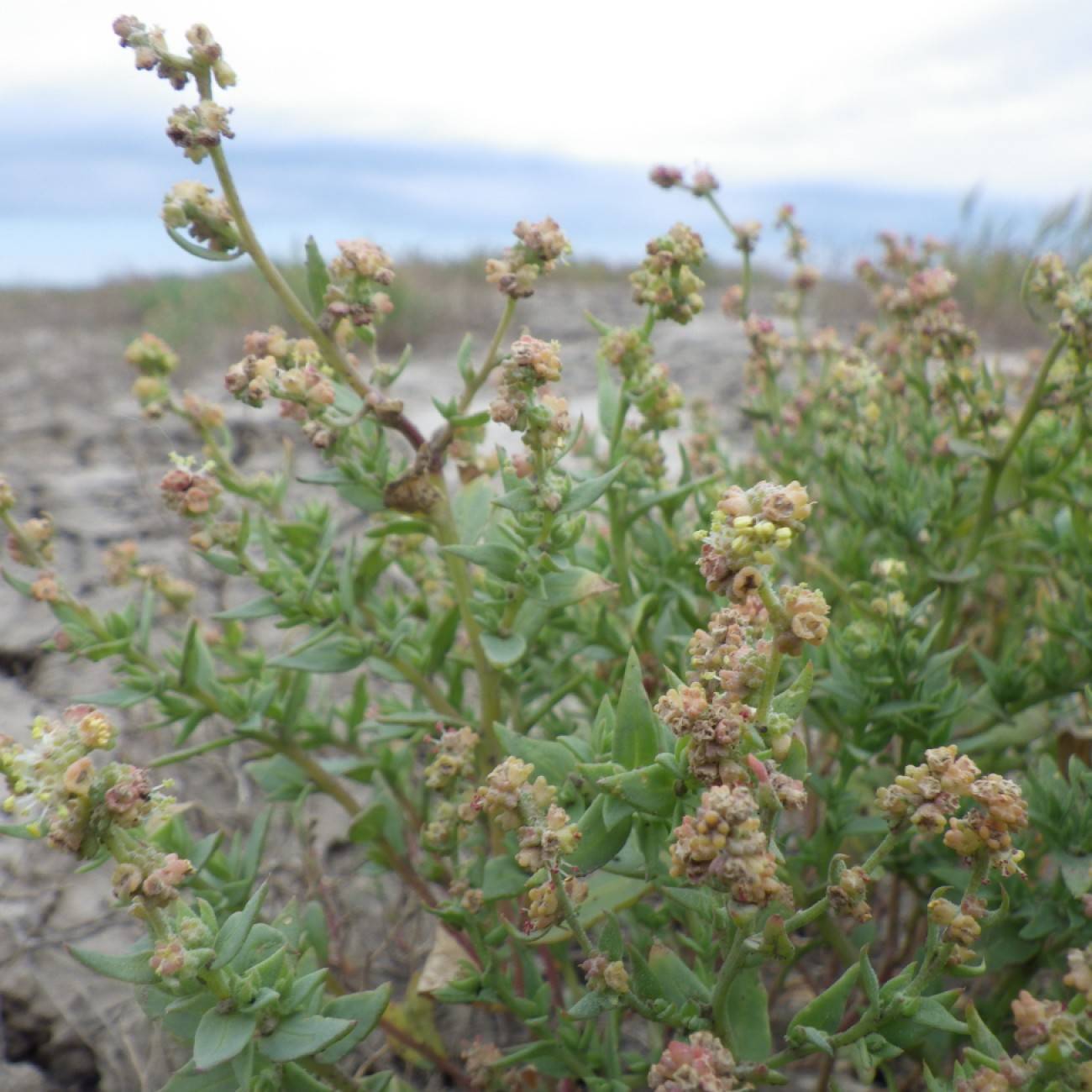
Glabrous Saltbush
Atriplex glabriuscula
Overview
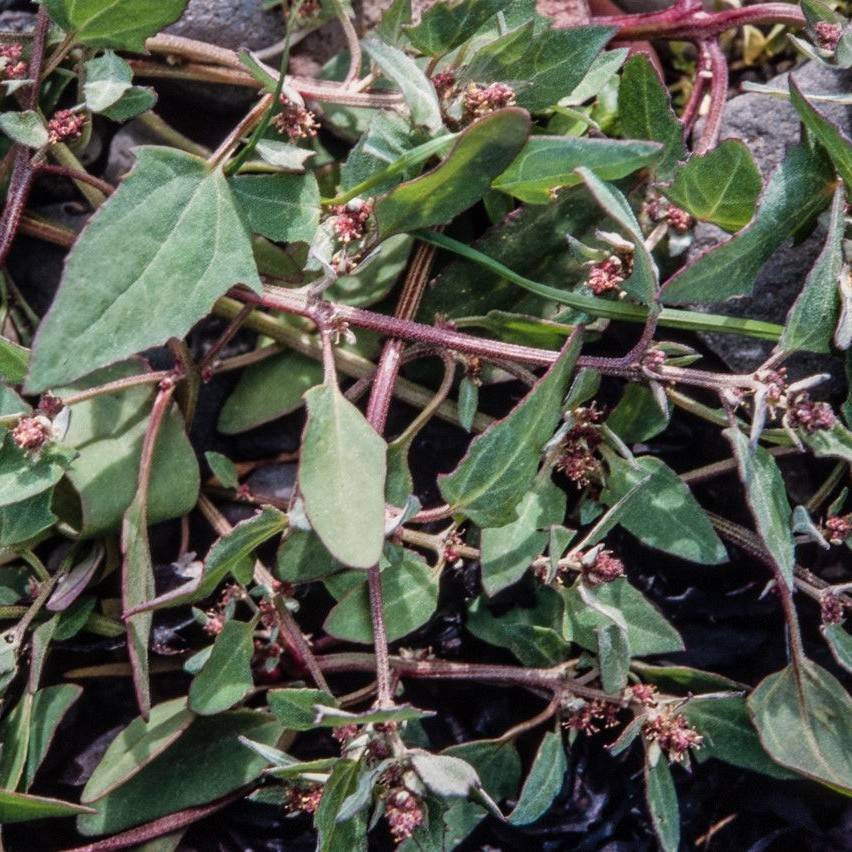
Glabrous Saltbush is a low-growing, spreading shrub adapted to saline, coastal habitats and inland alkaline soils, recognizable by its smooth, oval, silvery-gray foliage that lacks the hairy texture common to many other Atriplex species. It produces tiny, unisexual greenish flowers in late summer, with female plants developing small, papery, winged seed structures that disperse via wind and water. It is highly tolerant of salt spray, drought, and poor soil conditions, making it a resilient species for challenging growing environments.
Care Guide
Watering
Glabrous Saltbush is extremely drought-tolerant once established, requiring only occasional supplemental watering during prolonged dry spells; overwatering can lead to root rot, especially in poorly drained soils. Young plants benefit from regular, light watering to help them establish root systems, but mature plants thrive with minimal moisture, even in arid coastal conditions.
Light
This species requires full, direct sunlight for optimal growth, tolerating no more than light partial shade, which can cause sparse foliage and reduced vigor. It performs well in exposed coastal locations where it receives unobstructed sunlight throughout the day, even with intense summer sun exposure.
Soil
Glabrous Saltbush adapts to a wide range of soil types, including sandy, loamy, and clay soils, as long as drainage is good; it thrives in highly saline or alkaline soils that are unsuitable for most other plant species. It tolerates pH levels ranging from 6.0 to 9.0, and does not require nutrient-rich soils, making it ideal for poor, degraded sites.
Fertilizer
This shrub rarely requires fertilization, as it is adapted to low-nutrient soils; excessive nitrogen can lead to overly lush, weak growth that is more susceptible to pest damage. If grown in extremely poor, infertile soil, a light application of a balanced, slow-release fertilizer in early spring is sufficient to support healthy growth.
Temperature
Glabrous Saltbush is cold-hardy in USDA zones 3 through 9, tolerating winter temperatures as low as -40°F (-40°C) and summer temperatures exceeding 100°F (38°C). It is well-adapted to temperature fluctuations common in coastal habitats, including cool, windy conditions and sudden temperature drops.
Pruning
Pruning is rarely required for Glabrous Saltbush, though light trimming in early spring can be done to shape the plant, remove dead or damaged branches, and encourage denser foliage growth. Avoid heavy pruning, as this can damage the woody base of the plant and reduce its ability to regrow vigorously.
Propagation
Glabrous Saltbush is most easily propagated from seed, which can be sown directly outdoors in fall or cold-stratified for 30 days before spring sowing; seeds germinate readily in moist, well-drained soil even with high salinity levels. It can also be propagated from semi-hardwood cuttings taken in late summer, rooted in a sandy growing medium with consistent moisture until new growth appears.
Humidity
This species tolerates a wide range of humidity levels, from the high humidity of coastal environments to the low humidity of inland arid regions, with no additional humidity adjustments needed for healthy growth. It is unaffected by salt-laden coastal air, which can damage more sensitive plant species.
Repotting
Glabrous Saltbush is rarely grown in containers, as it prefers to spread its root system in open soil; if grown in a pot, use a fast-draining, sandy potting mix and repot only when roots emerge from the drainage holes, typically every 2 to 3 years in early spring. Ensure containers have ample drainage holes to prevent waterlogging, which can quickly kill the plant.
Uses & Symbolism
Glabrous Saltbush is widely used for coastal habitat restoration, erosion control, and saline soil reclamation, as its extensive root system stabilizes sandy or loose soil and tolerates high salt levels that kill most other vegetation. Its edible young leaves are sometimes used as a salty, spinach-like green in salads or cooked dishes, and it provides valuable food and shelter for coastal wildlife, including birds and pollinators. It is also planted as a low-maintenance ornamental shrub in xeriscapes and coastal gardens, valued for its silvery foliage and drought tolerance.
Diseases & Pests
Glabrous Saltbush is largely pest and disease resistant, with only occasional issues with aphids or spider mites during prolonged hot, dry periods, which can be controlled with a strong spray of water or insecticidal soap. Overwatering or poorly drained soil can lead to root rot and fungal leaf spots, which are best prevented by allowing soil to dry out between waterings and providing good air circulation around the plant. It is rarely affected by browsing deer or rabbits, due to its high salt content and slightly bitter foliage.
Related plants
Other plants you might like if you grow Glabrous Saltbush.