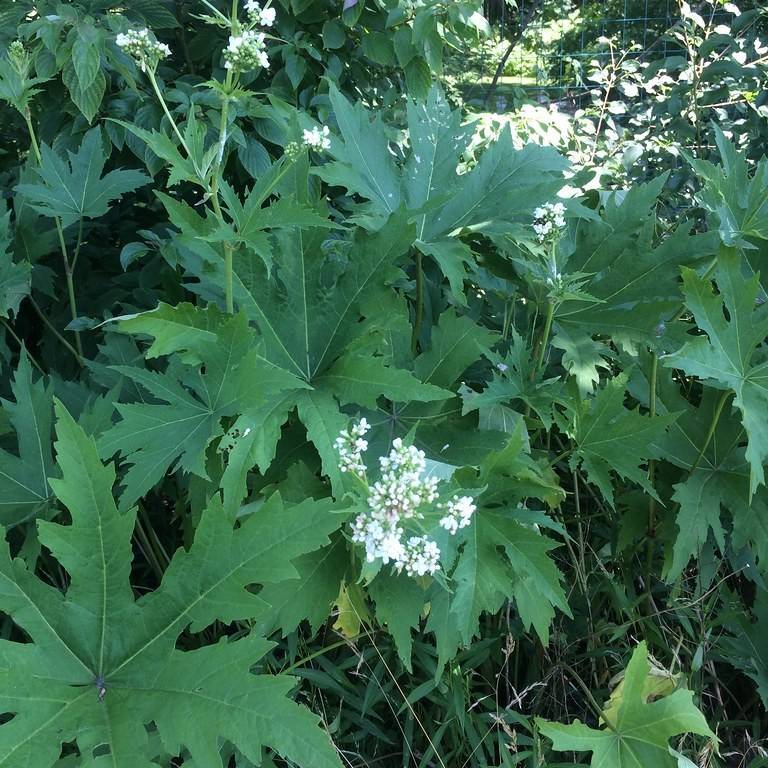
Giant Hogweed
Heracleum mantegazzianum
Overview
Giant hogweed is a robust biennial that grows as a low rosette of foliage in its first year, then sends up a towering, hollow, purple-spotted flowering stalk in its second growing season. It produces large, flat-topped clusters of white flowers that can span up to 2.5 feet (76 cm) across, each plant producing up to 100,000 seeds that spread easily via water, wind, or human activity. Introduced to North America and Europe as an ornamental garden plant in the 19th century, it is now classified as a noxious invasive species in most regions where it has naturalized, outcompeting native vegetation and posing severe public health risks.
Care Guide
Watering
Giant hogweed thrives in consistently moist, well-watered habitats, and is most commonly found along stream banks, ditches, and wet meadows where soil moisture remains high throughout the growing season. It tolerates temporary flooding but will suffer if grown in prolonged, waterlogged conditions that cause root rot. Drought stress will stunt its growth and reduce seed production, though established plants can survive short dry periods.
Light
It prefers full, direct sunlight for 6 or more hours per day to support its rapid, towering growth, but can tolerate partial shade in forest edges or partially shaded riparian corridors. Growth is significantly reduced in full shade, where plants rarely reach their full mature height or produce large flower clusters.
Soil
Giant hogweed adapts to a wide range of soil types, including loam, silt, and clay, but grows most vigorously in nutrient-rich, moist alluvial soils common in riparian zones. It tolerates a broad pH range from slightly acidic to slightly alkaline, with an optimal range between 6.0 and 7.5. Poor, sandy soils with low nutrient content will limit its growth and reproductive output.
Fertilizer
In its native and naturalized ranges, giant hogweed does not require supplemental fertilizer, as it thrives in naturally nutrient-rich soils, particularly those high in nitrogen from decaying organic matter. High-nutrient soils from agricultural runoff or garden fertilization will boost its growth rate and seed production, increasing its invasive potential.
Temperature
It is cold-hardy to USDA zones 3 through 8, tolerating winter temperatures as low as -40°F (-40°C) as it dies back to its root system during the dormant winter season. Optimal growing temperatures range between 60°F and 85°F (15°C to 29°C), and prolonged high temperatures above 95°F (35°C) will cause foliage wilting and reduced growth.
Pruning
Pruning or any physical handling of giant hogweed requires full protective clothing, including goggles, gloves, long sleeves, and pants, to avoid skin contact with toxic sap. For eradication, cut flowering stalks before seeds mature to prevent spread, and remove the entire root system to prevent regrowth from remaining root fragments. All plant material must be disposed of as hazardous waste to avoid accidental exposure to people or animals.
Propagation
Giant hogweed propagates exclusively via seed, with each second-year plant producing up to 100,000 small, flat seeds that remain viable in the soil for up to 15 years. Seeds are dispersed naturally by water, wind, wildlife, and human activity such as movement of soil or garden waste. It does not spread vegetatively via rhizomes, though small root fragments left in soil after removal can regrow into new plants.
Humidity
It prefers moderate to high humidity levels between 50% and 80%, typical of its native riparian and mountain meadow habitats. It tolerates lower humidity levels if soil moisture is sufficient, but very dry air will cause leaf browning and reduce seed viability.
Repotting
Giant hogweed is not cultivated intentionally in gardens, so repotting is not a recommended practice; any accidental growth in containers should be removed carefully with full protective gear to avoid exposure. If handling for research purposes, use large, deep containers to accommodate its extensive root system, and keep it isolated to prevent seed escape into natural areas.
Uses & Symbolism
Historically, giant hogweed was occasionally planted as an ornamental curiosity for its dramatic size and large white flower clusters, though this practice has been banned in most regions due to its toxicity and invasive status. There are no recognized edible or medicinal uses, as its toxic sap poses severe health risks to humans and animals. In its native Caucasus range, it has limited traditional use in some folk remedies, but these are not recommended due to the high risk of injury.
Diseases & Pests
Giant hogweed has few natural pests or diseases in its introduced ranges, which contributes to its aggressive invasive spread; some native aphids and fungal pathogens may feed on its foliage, but rarely cause significant damage to established plants. Powdery mildew and leaf spot can occur in overly moist, crowded conditions, but do not typically kill the plant. For biological control, some regions have introduced the specialist insect *Agonopterix alstroemeriana*, the hogweed moth, whose larvae feed exclusively on giant hogweed foliage and reduce its reproductive capacity.
Related plants
Other plants you might like if you grow Giant Hogweed.
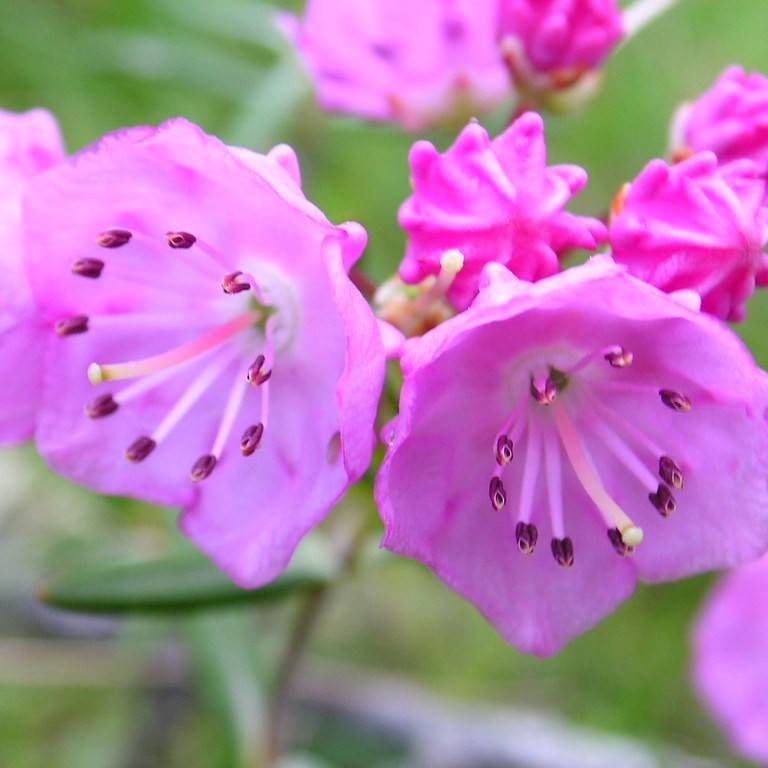
Bog Laurel
Kalmia polifolia
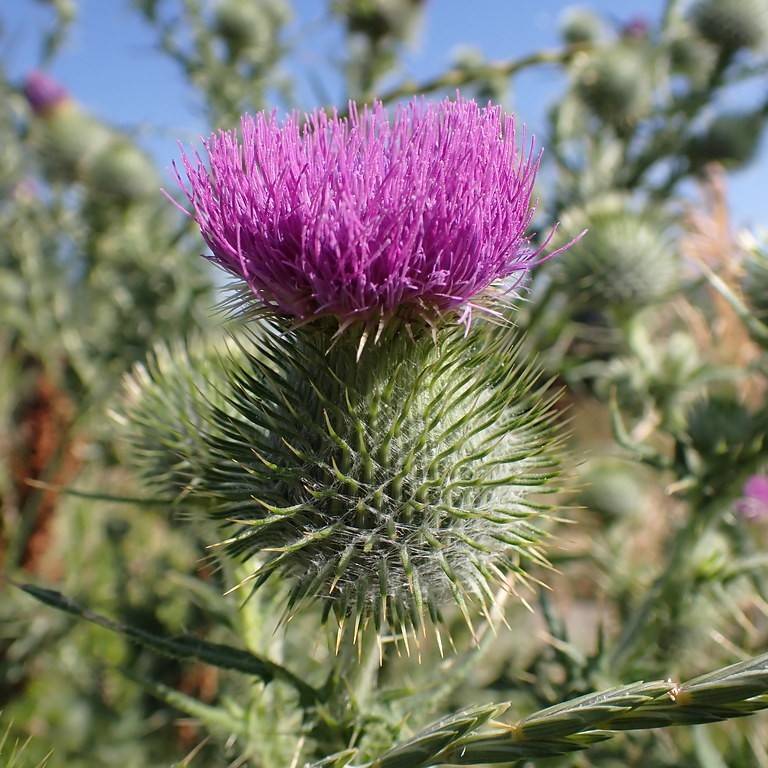
Bull Thistle
Cirsium vulgare
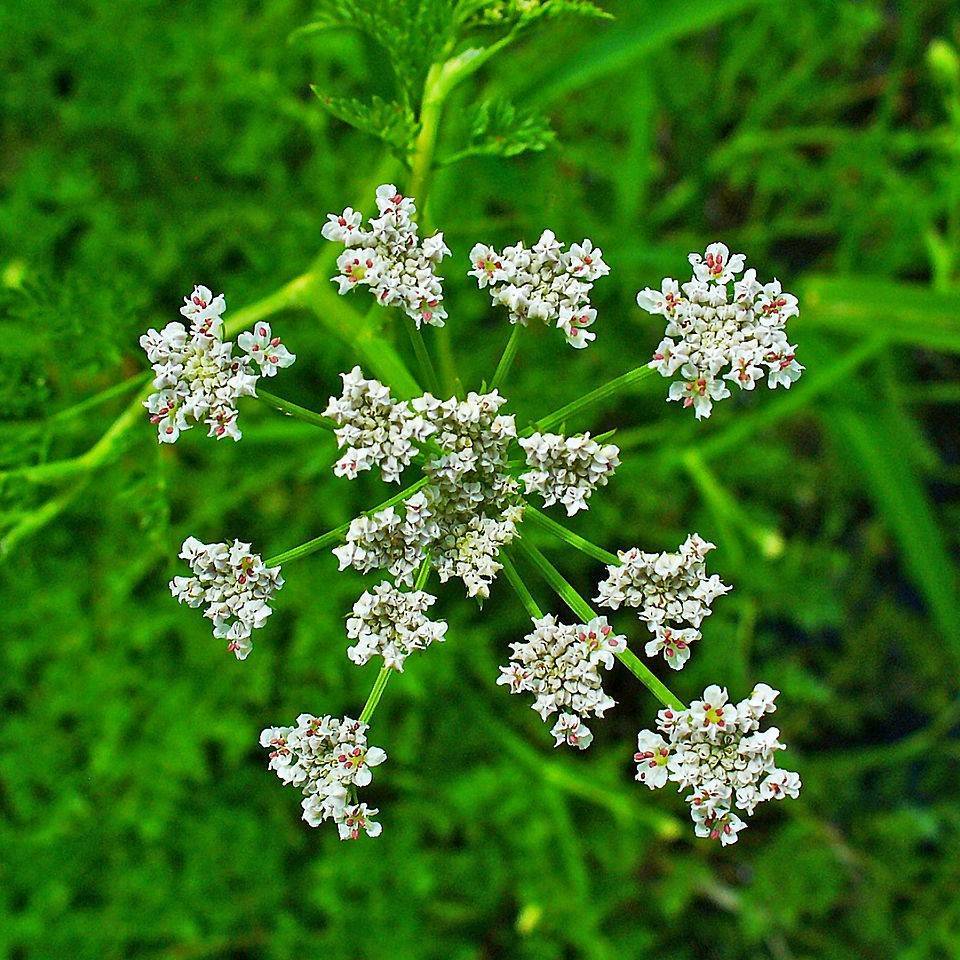
Fine Leaved Water Dropwort
Oenanthe aquatica
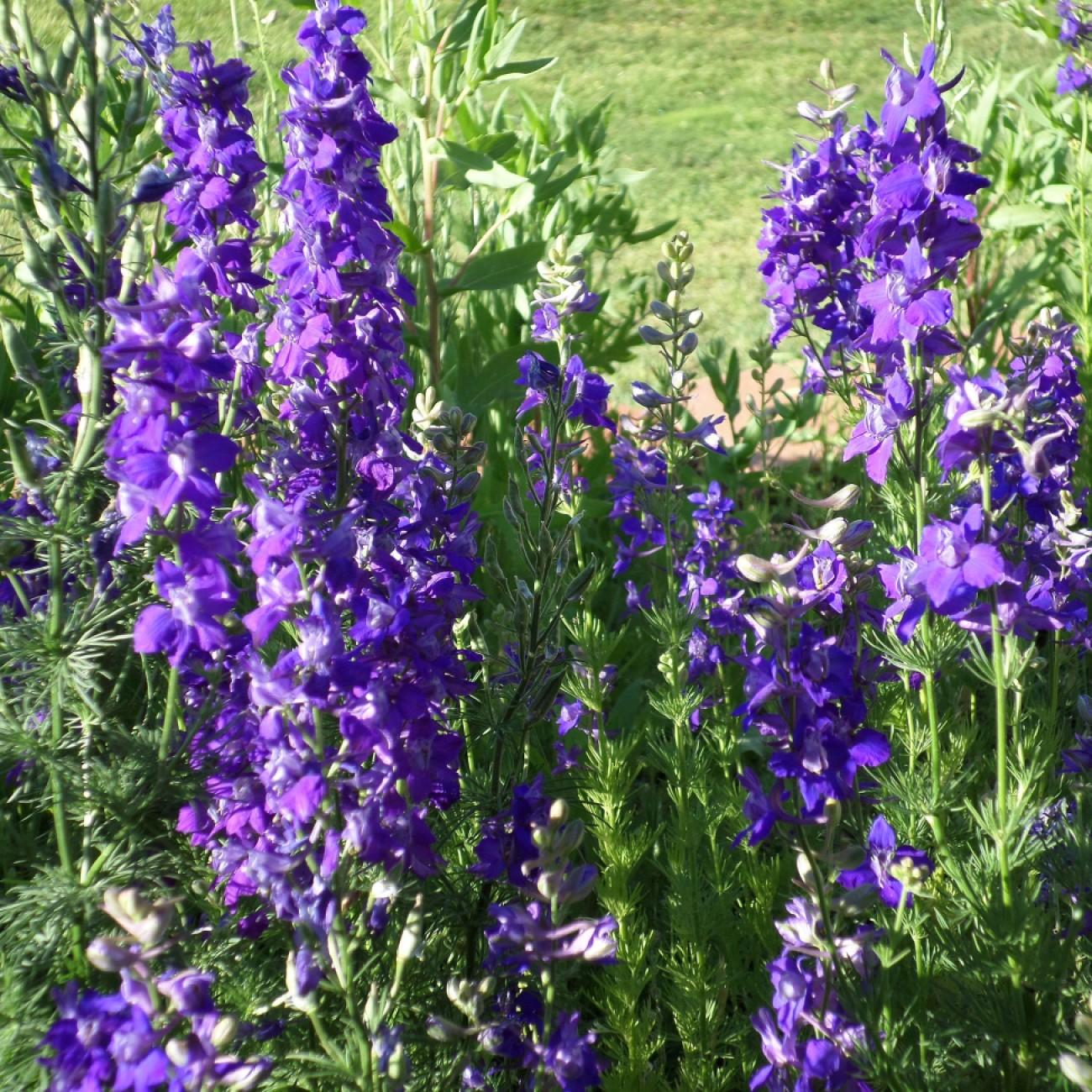
larkspur
Delphinium 'Misty Mauves'
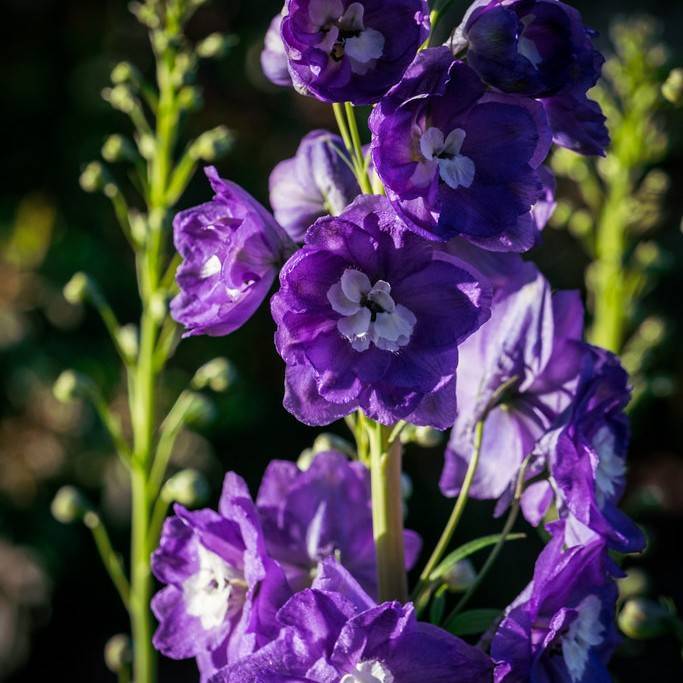
larkspur
Delphinium (Pacific Hybrids)
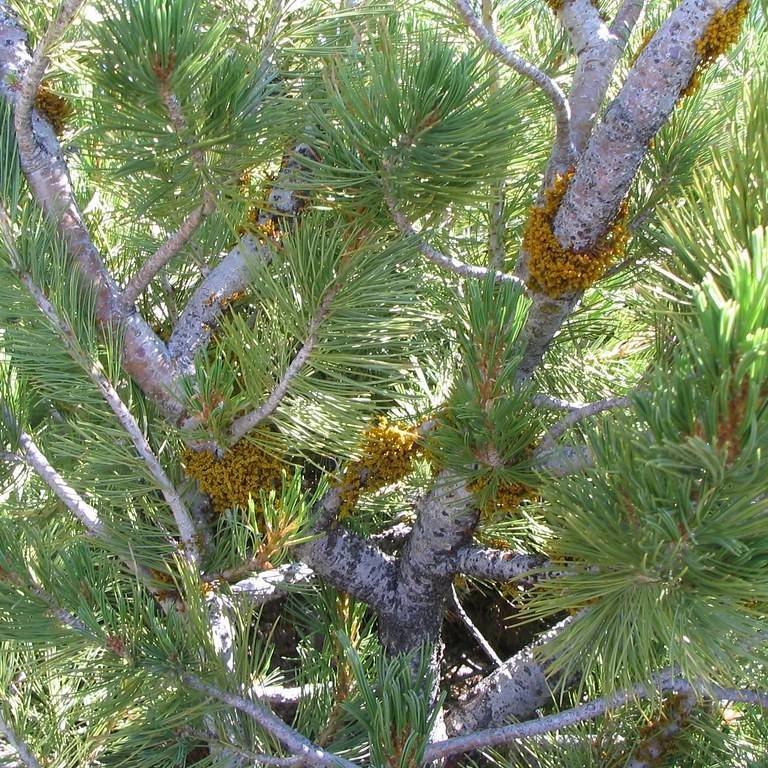
Larch Dwarf Mistletoe
Arceuthobium laricis
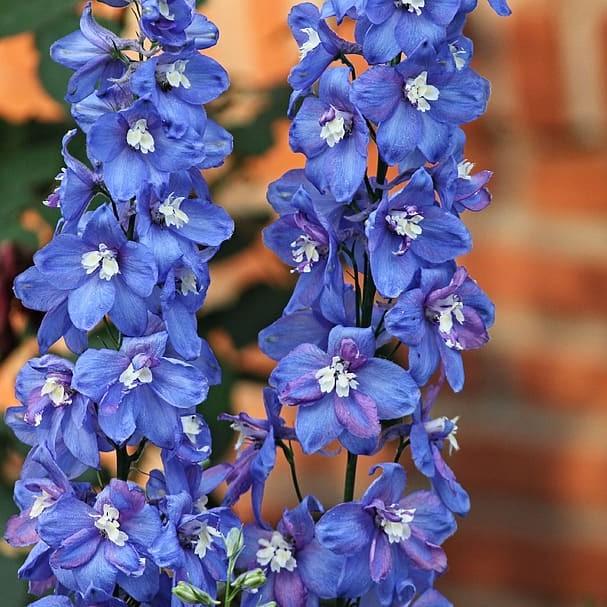
candle larkspur
Delphinium elatum AURORA BLUE
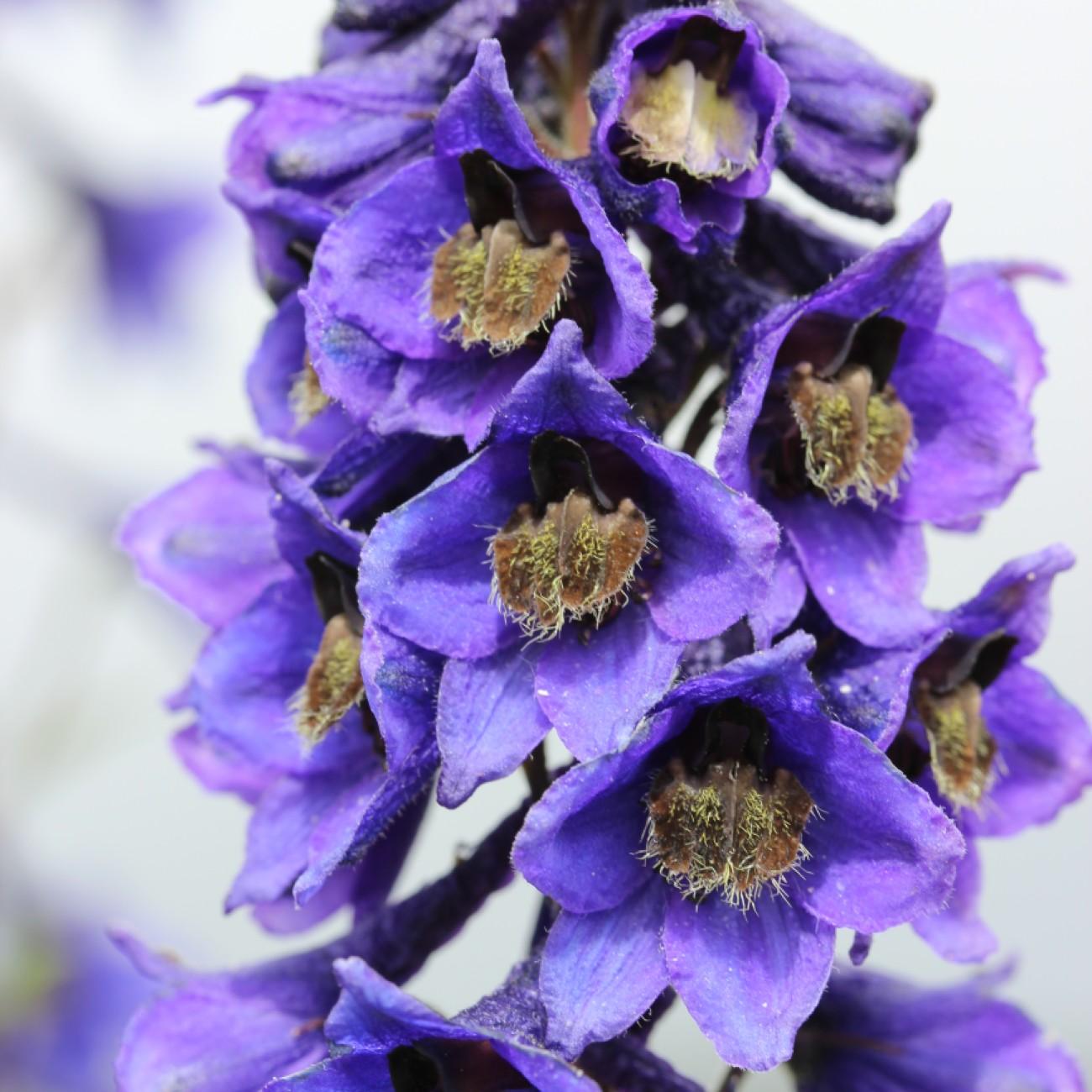
candle larkspur
Delphinium elatum AURORA DEEP PURPLE