Early Wintercress
Barbarea verna
Overview
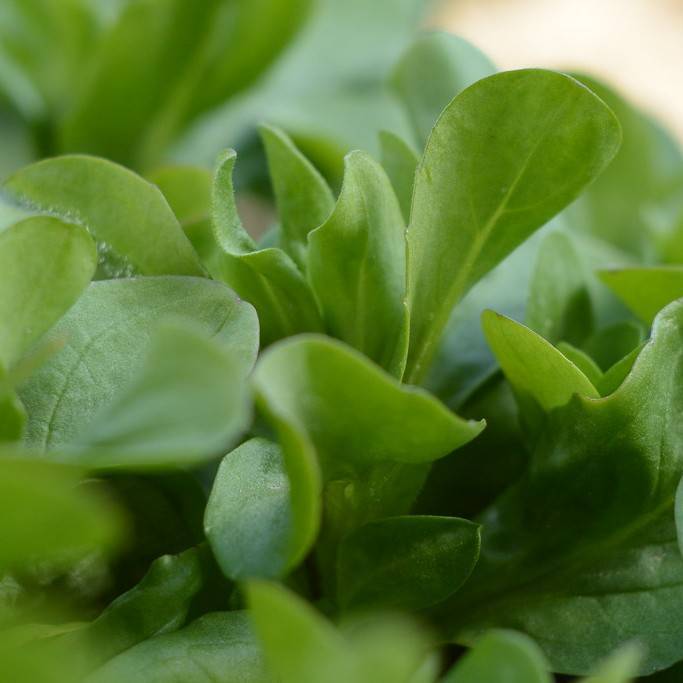
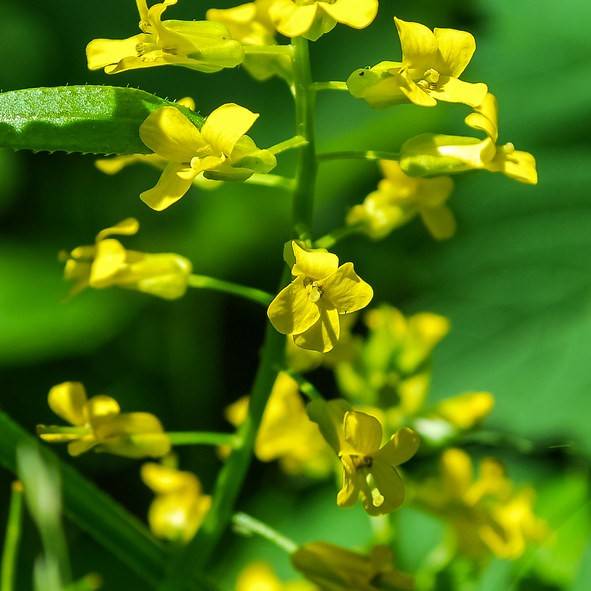
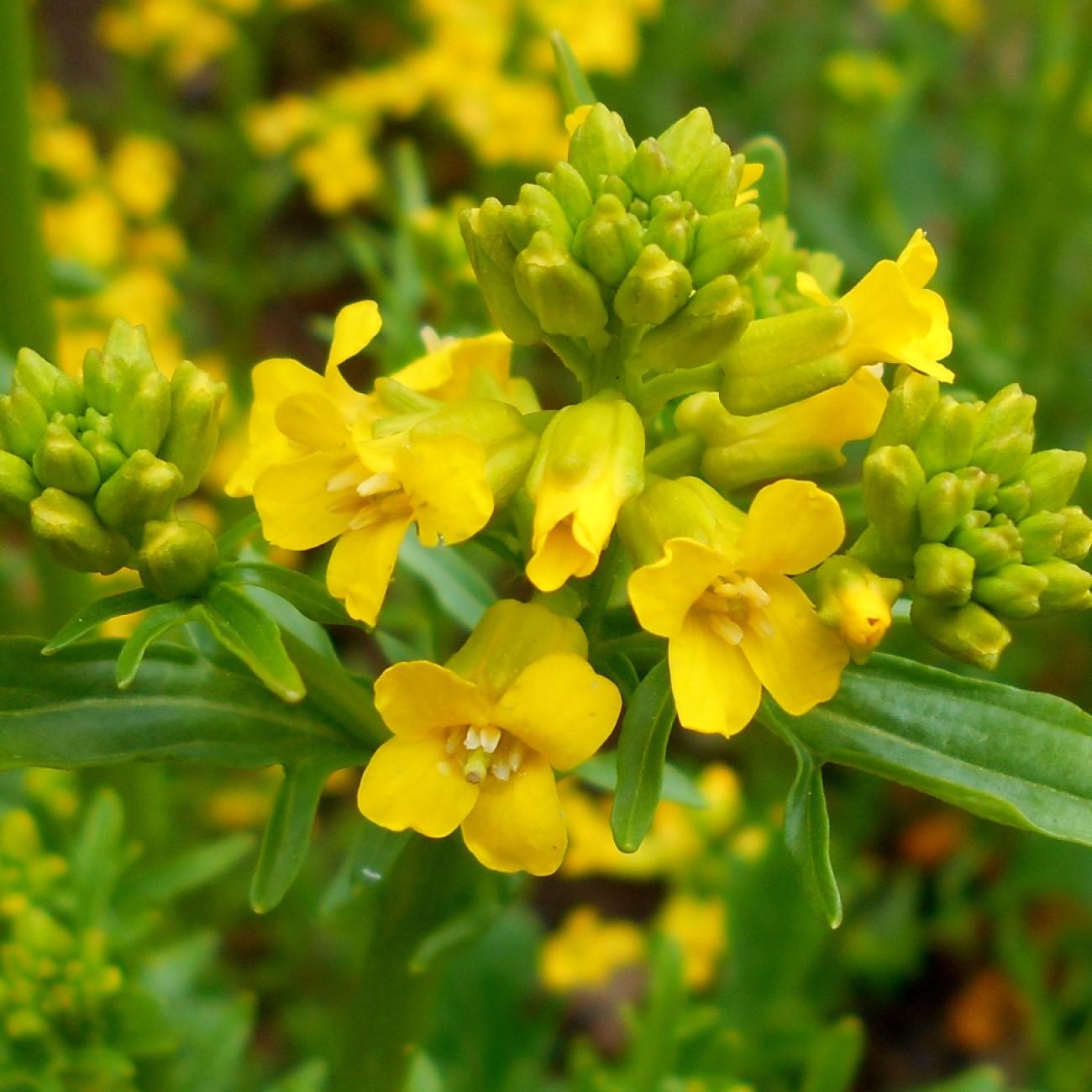
Early Wintercress, also called land cress or American cress, is a fast-growing cool-season plant in the mustard family that thrives in low temperatures, surviving light frosts and mild winter conditions in temperate regions. It produces rosettes of glossy, lobed dark green leaves in its first year, followed by upright stalks of small yellow four-petaled flowers in its second spring. Widely naturalized across North America, it is often grown as a cold-hardy alternative to watercress that does not require boggy growing conditions.
Care Guide
Watering
Keep soil consistently moist but not waterlogged, providing approximately 1 inch of water per week during active growth; reduce watering in the coldest winter months when growth slows. Avoid overhead watering to minimize risk of fungal leaf spot, watering at the base of the plant instead.
Light
Grow best in full sun (6+ hours of direct sunlight daily) for maximum leaf production, though it tolerates partial shade, especially in warmer spring weather to prevent premature bolting. Winter plantings in mild climates can thrive in bright, filtered light if direct sun is limited.
Soil
Prefers well-drained, fertile loamy soil with a pH between 6.0 and 7.0, rich in organic matter to retain moisture and support leafy growth. It tolerates poorer soils than many other leafy greens, but amending with compost before planting will improve harvest yields.
Fertilizer
Amend soil with well-rotted compost or a balanced 10-10-10 granular fertilizer at planting time to provide essential nutrients for initial growth. For ongoing harvests, apply a diluted liquid nitrogen-rich fertilizer every 4-6 weeks during active cool-season growth to support new leaf production.
Temperature
Thrives in cool temperatures between 45-65°F (7-18°C), and can survive short dips down to 10°F (-12°C) with light mulch protection. Temperatures above 75°F (24°C) trigger bolting, making leaves bitter and unpalatable, so plant in early spring or late fall for best harvests.
Pruning
Harvest outer leaves regularly by cutting them 1-2 inches above the crown to encourage new, tender leaf growth throughout the cool season. If growing as an annual, pull the entire plant once it begins to bolt and produce flower stalks, as leaves will become tough and bitter at this stage.
Propagation
Easily propagated from seed, sown directly in the garden 2-3 weeks before the last spring frost, or 6-8 weeks before the first fall frost for winter harvests. Seeds germinate in 7-14 days in cool soil; thin seedlings to 6-8 inches apart to give rosettes room to develop fully.
Humidity
Tolerates average outdoor humidity levels between 40-70%, with no special humidity requirements for outdoor cultivation. High humidity combined with poor air circulation can increase fungal disease risk, so space plants appropriately to promote airflow around foliage.
Repotting
Rarely grown in containers long-term, but if potted, repot only if roots outgrow their container, moving to a pot one size larger with fresh, fertile potting mix. For container harvests, refresh topdressing of compost every 2 months to replenish nutrients without full repotting.
Uses & Symbolism
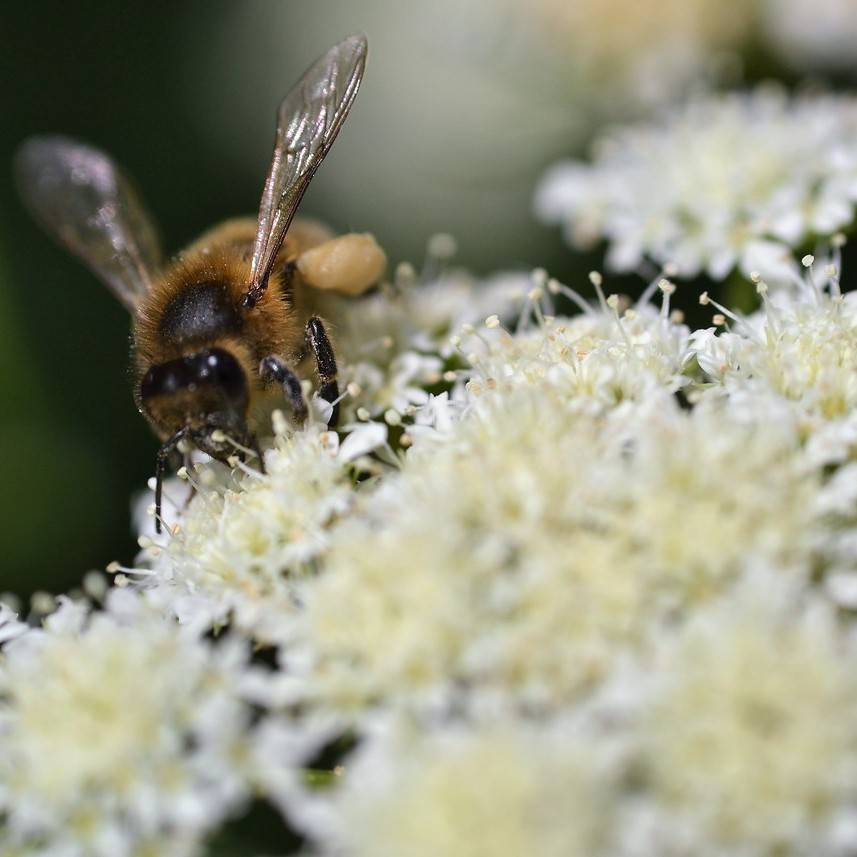
Early Wintercress is primarily grown as an edible leafy green, with its peppery, nutrient-dense leaves used raw in salads, sandwiches, and pesto, or cooked like spinach or kale to mellow their sharp flavor. It is also planted as a cover crop in cool seasons to suppress weeds, prevent soil erosion, and add organic matter to soil when tilled under. Additionally, its early spring yellow flowers provide a minor nectar source for pollinators such as bees and butterflies.
Diseases & Pests
Common fungal diseases include downy mildew and leaf spot, which occur in wet, poorly ventilated conditions; these can be prevented by spacing plants for airflow and avoiding overhead watering. Aphids and flea beetles are the most common pests, which can be controlled with insecticidal soap, neem oil, or floating row covers to protect young seedlings. Root rot may develop in waterlogged soils, so ensure proper drainage at planting time to avoid this issue.
Related plants
Other plants you might like if you grow Early Wintercress.