Black Starthistle
Centaurea solstitialis
Overview
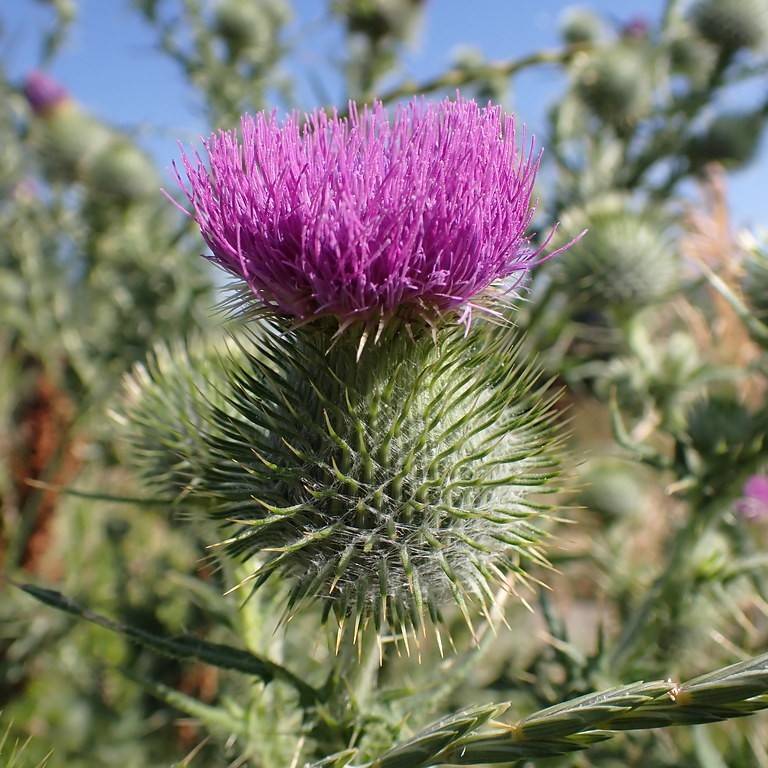
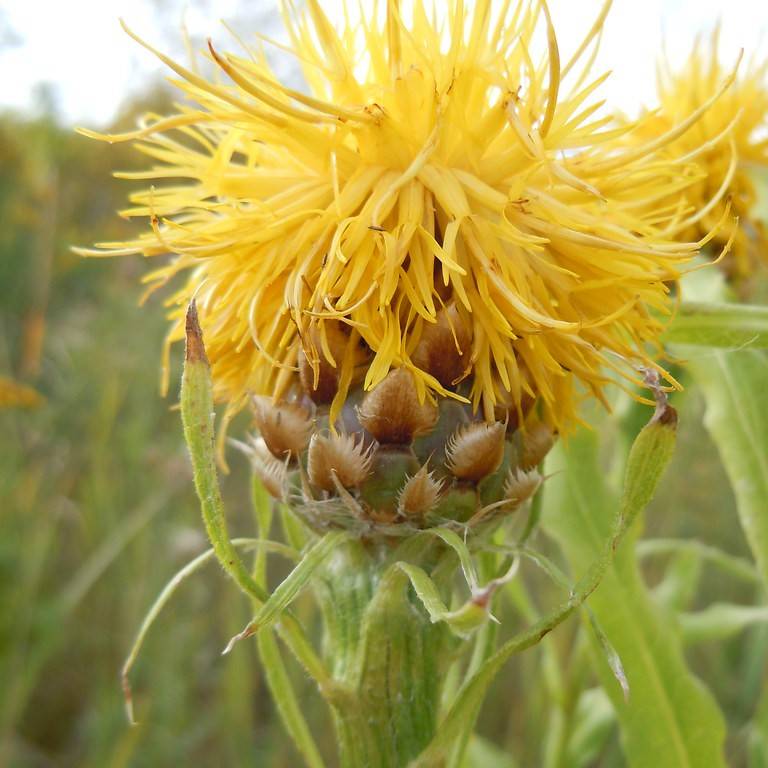
Black starthistle is an upright annual herb identifiable by its sharp, black-tipped spines surrounding bright yellow thistle-like flower heads and its gray-green, woolly foliage. Introduced accidentally to North America, South America, and Australia in the 19th century, it is classified as a noxious invasive weed in many regions, outcompeting native grassland species and reducing forage quality. It produces a deep taproot that allows it to survive drought conditions, and each plant can generate up to 10,000 seeds that remain viable in soil for up to 10 years.
Care Guide
Watering
Black starthistle is highly drought-tolerant, requiring only minimal rainfall to establish and mature; it thrives in dry conditions and suffers root rot in consistently waterlogged soil. It does not need supplemental watering in most climates, relying entirely on natural precipitation to complete its life cycle. Overwatering will significantly reduce its vigor and prevent it from spreading aggressively.
Light
This species requires full, direct sunlight for at least 6 hours per day to grow and flower successfully. It will not tolerate shaded conditions, failing to reach maturity or produce seeds if grown under partial or full shade. Full sun exposure supports robust stem development, abundant flower production, and maximum seed output.
Soil
Black starthistle adapts to a wide range of poor, well-drained soil types, including sandy, loamy, and rocky soils with low nutrient content. It prefers neutral to slightly alkaline pH levels and struggles in heavy, poorly drained clay soils that retain excess moisture. It is often found in disturbed sites such as roadsides, overgrazed pastures, and abandoned fields where soil structure is disrupted.
Fertilizer
This invasive weed thrives in low-nutrient soils and does not require supplemental fertilization to grow vigorously. Adding nitrogen or other fertilizers may actually benefit competing grass species more than black starthistle, reducing its ability to establish in treated areas. In regions where it is invasive, avoiding over-fertilization of grasslands can help limit its spread.
Temperature
Black starthistle grows best in warm, temperate climates with average summer temperatures between 70–90°F (21–32°C). It can tolerate light frosts in early spring or late fall, but hard freezes will kill mature plants. It germinates in cool, moist fall or spring conditions, with seedlings surviving temperatures as low as 20°F (-7°C) for short periods.
Pruning
For control of invasive populations, pruning or pulling plants before they develop flowers and seeds is the most effective manual management strategy. Cut plants at least 2 inches below the soil surface to prevent regrowth from the root crown, as mowing at or above ground level can stimulate new stem and flower production. All pruned material with developing seed heads should be bagged and disposed of properly to avoid accidental seed spread.
Propagation
Black starthistle propagates exclusively by seed, which is dispersed by wind, animals, vehicles, and contaminated hay or soil. Seeds germinate in fall or early spring when moisture is available, with most germination occurring within the first year after seed production. Each plant can produce thousands of seeds that remain dormant in the soil seed bank for up to a decade, leading to sudden new infestations long after mature plants are removed.
Humidity
This species prefers low to moderate humidity levels between 30–60%, typical of its native Mediterranean climate. High humidity and prolonged wet weather increase the risk of fungal infections on foliage and flower heads, reducing seed production. It does not require any supplemental humidity and grows poorly in consistently humid, tropical environments.
Repotting
Black starthistle is not cultivated as a desirable plant, so repotting is never performed; instead, management focuses on eradication rather than cultivation. If grown for research purposes, plants should be kept in deep, well-drained pots to accommodate their long taproot, and all seed heads must be contained to prevent accidental escape into the wild. Pots should be disposed of carefully after the plant completes its life cycle to avoid introducing seeds to natural areas.
Uses & Symbolism
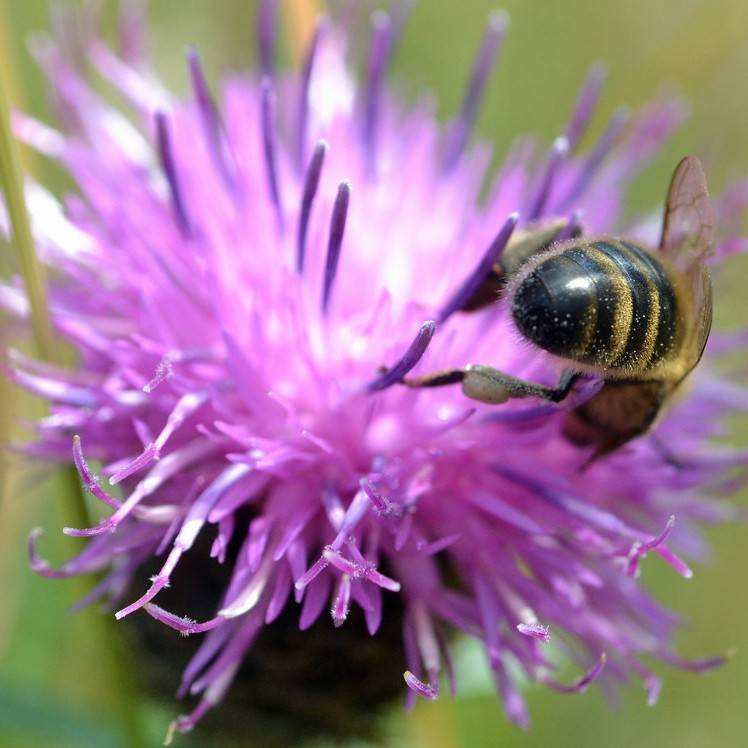
Black starthistle has limited beneficial uses, though its nectar produces high-quality, light-colored honey popular with beekeepers in regions where the plant is abundant. In its native range, it has been used occasionally in traditional folk medicine to treat minor inflammation and digestive complaints, though these uses are not widely supported by clinical research. Some wildlife species, including finches and other seed-eating birds, feed on its mature seeds as a minor food source.
Diseases & Pests
Common pests of black starthistle include several biological control agents intentionally released to reduce invasive populations, such as the Eustenopus villosus weevil, which feeds on flower buds and destroys developing seeds, and the Puccinia jaceae var. solstitialis rust fungus, which infects foliage and reduces plant vigor. It is also susceptible to powdery mildew and root rot in overly moist, poorly drained conditions. Aphids and leaf miners may occasionally feed on its foliage, though they rarely cause significant damage to healthy plants.
Related plants
Other plants you might like if you grow Black Starthistle.