Hamamelis Mollis (Chinese Witch Hazel): Complete Grow & Care Guide
Learn to grow, care for, and enjoy Hamamelis mollis (Chinese witch hazel), a fragrant winter-blooming shrub with vibrant autumn foliage for temperate gardens.
Hamamelis Mollis (Chinese Witch Hazel): Complete Grow & Care Guide
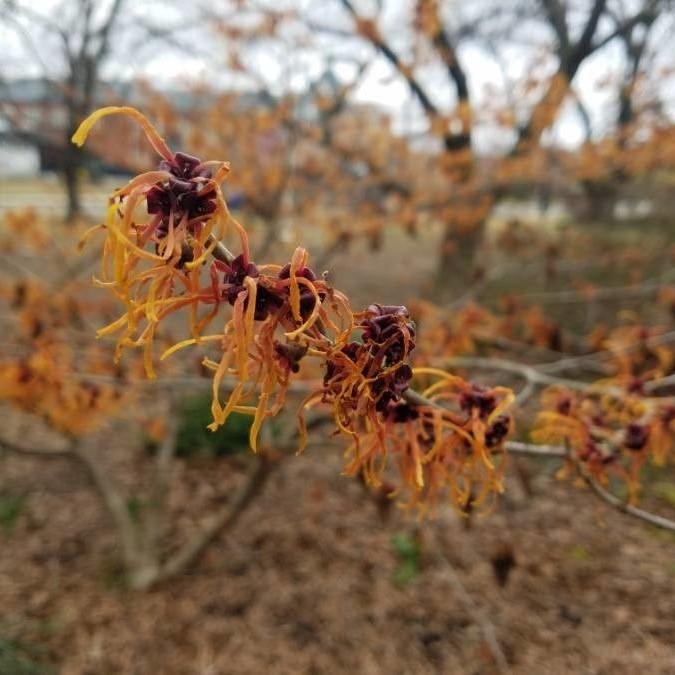
Hamamelis mollis chinese witch hazel is a cold-hardy, winter-blooming deciduous shrub suited for USDA Zones 5–8, valued for fragrant yellow blooms, bold autumn foliage, and low-maintenance care. It grows 10–15 feet wide and tall at maturity, making it a versatile focal point for temperate North American gardens.
What Is Hamamelis Mollis (Chinese Witch Hazel)?
Hamamelis mollis chinese witch hazel is a deciduous winter-flowering shrub native to central and eastern China, growing 10–15 feet tall and wide at maturity. It produces clusters of sweetly fragrant, ribbon-like bright yellow blooms from late January to early March, before its foliage emerges, and develops bold yellow-orange autumn color each fall.
Key Botanical Traits
Its distinct traits make it easy to identify once you know what to look for:
- Oval, fuzzy, 4–6 inch long leaves with soft undersides (the term ‘mollis’ means soft in Latin)
- Each bloom has 4 narrow, crinkled petals that curl inward during extreme cold to avoid damage
- Small, woody seed pods that split open in fall to eject seeds up to 30 feet from the parent plant
Popular Cultivars to Look For
Several named cultivars offer slight variations in size, bloom time, and flower color to suit different garden needs:
- ‘Wisley Supreme’: Large, extra-fragrant pale yellow blooms, award-winning RHS selection
- ‘Goldcrest’: Deep golden petals with a red calyx, more compact habit growing 8–10 feet tall
- ‘Pallida’: Pale lemon-yellow blooms, one of the earliest flowering varieties, often blooming in mid-January
Ideal Growing Conditions for Hamamelis Mollis Chinese Witch Hazel
Hamamelis mollis chinese witch hazel thrives in USDA Hardiness Zones 5–8, tolerating minimum temperatures down to -20°F. It prefers full sun to partial shade, with at least 4 hours of direct daily sun to produce the heaviest bloom set, and grows best in well-drained, slightly acidic soil with a pH of 5.5–6.5.
Soil Requirements
This shrub has specific soil needs to avoid common issues like root rot and chlorosis:
- Amend heavy clay soil with 3 inches of compost or pine bark fines before planting to improve drainage, as waterlogged roots will cause root rot
- Avoid alkaline soil, which will lead to yellowed foliage (chlorosis) and stunted growth over time
- Add a 2-inch layer of shredded pine bark mulch around the base each spring to maintain consistent soil moisture and acidity
Light & Temperature Needs
Adjust planting location based on your region to support healthy growth and long-lasting blooms:
- In warmer parts of Zone 8, plant in partial shade to protect leaves from scorch during summer heatwaves
- Blooms last 2–3 weeks in cool 30–50°F winter temperatures, fading faster if temperatures stay above 60°F for multiple days
- No winter protection is required for established plants, but cover newly planted shrubs with burlap during their first 2 winters if exposed to harsh, drying winds
Hamamelis Mollis Chinese Witch Hazel Care Routine
Hamamelis mollis chinese witch hazel is low-maintenance once established, requiring only regular watering during its first 2 years and minimal annual pruning. It has no serious pest or disease issues, making it a reliable choice for low-fuss temperate gardens.
Watering Schedule
Water needs vary significantly based on the shrub’s age and local weather conditions:
- Water newly planted shrubs 1 inch per week for the first 2 growing seasons, until roots are fully established
- Mature plants only need supplemental watering during extended 4+ week droughts, as they are moderately drought tolerant once settled
- Avoid overhead watering in late spring to reduce minor risk of powdery mildew on new foliage
Fertilizing Tips
Over-fertilizing is a common mistake that can reduce bloom production, so follow these conservative guidelines:
- Fertilize once per year in early spring, before new growth emerges, with a slow-release, acidic shrub fertilizer formulated for rhododendrons or azaleas
- Do not over-fertilize, as excess nitrogen will reduce bloom production and promote overly lush foliage prone to winter damage
- Skip fertilizing entirely for the first year after planting to avoid burning young, tender roots
Pruning Steps
Prune only during the narrow window right after blooms fade to avoid removing next year’s flower buds, which form on old wood. Follow this 4-step dormant pruning schedule for best results:
- Prune immediately after blooms fade in early spring, before new leaf growth starts, to avoid removing next year’s flower buds (which form on old wood)
- First, remove any dead, damaged, or crossing branches to improve air circulation through the center of the shrub
- Trim back up to 1/3 of the oldest, woodiest branches to the ground every 3–4 years to encourage new, bloom-heavy growth
- Avoid shearing into formal shapes, as this will ruin the shrub’s natural open, vase-like habit and reduce future blooms
Common Pests & Problems for Chinese Witch Hazel
Hamamelis mollis chinese witch hazel is largely resistant to most common garden pests and diseases, but may experience minor issues in poor growing conditions. Most problems can be avoided by planting in well-drained soil and providing adequate air circulation.
Pest Issues
Only three pests are known to affect this shrub, and most cause only cosmetic damage:
- Japanese beetles may chew small holes in foliage during mid-summer; knock them into soapy water or use neem oil for severe infestations
- Witch hazel leaf gall aphids may cause small, bumpy red galls on leaves; these are purely cosmetic and do not harm the plant, so no treatment is required
- Scale insects may appear on branches in overly shaded, poorly ventilated spots; scrape off by hand or apply horticultural oil during dormancy
Disease & Cultural Problems
Most issues stem from incorrect planting or care, and can be corrected with targeted adjustments:
- Powdery mildew may form a white coating on leaves in humid, shaded conditions; improve air circulation and avoid overhead watering to reduce risk
- Chlorosis (yellowed leaves with green veins) occurs in alkaline soil; amend soil with sulfur to lower pH and apply chelated iron to correct symptoms
- Lack of blooms is usually caused by pruning at the wrong time (removing flower buds), too much shade, or over-fertilizing with high-nitrogen products
How to Propagate Hamamelis Mollis Chinese Witch Hazel
Hamamelis mollis chinese witch hazel is most reliably propagated from softwood cuttings taken in early summer, as seed-grown plants can take 6–8 years to bloom and may not grow true to the parent cultivar. Cuttings typically root within 3–4 months with consistent moisture and humidity.
Step-by-Step Cutting Propagation
Follow these steps to propagate new plants that are identical to the parent cultivar:
- Take 4–6 inch long softwood cuttings from the tips of healthy, non-flowering branches in June, when new growth is still flexible but not fully woody
- Remove the lower 2/3 of leaves, dip the cut end in rooting hormone powder, and plant in a pot filled with a 50/50 mix of perlite and peat moss
- Cover the pot with a clear plastic bag to maintain 70–80% humidity, and keep in a bright, indirect light spot out of direct sun
- Check cuttings for root growth after 3 months, then transplant to individual pots once roots are 1–2 inches long; grow in pots for 1–2 years before planting outdoors
Seed Propagation Notes
Seed propagation is only recommended for growing the straight species, not named cultivars, as seedlings will not retain the parent’s unique traits:
- Seeds require 3 months of warm stratification followed by 3 months of cold stratification to germinate, so plant fresh seeds in pots outdoors in fall for natural stratification
- Seedlings will emerge the following spring, but will take 6–8 years to produce their first blooms, so this method is only recommended for species propagation, not cultivars
Cultivation & Uses for Chinese Witch Hazel
Hamamelis mollis chinese witch hazel has been cultivated in its native China for centuries, and is grown globally as an ornamental shrub for winter garden interest, cut flower arrangements, and medicinal extracts. It is also a valuable early nectar source for pollinators emerging from winter dormancy.
Garden Uses
Its unique seasonal interest makes it a versatile addition to multiple garden design styles:
- Plant as a specimen focal point in a winter garden, where its bright yellow blooms stand out against bare branches and snow
- Use in a mixed shrub border to add late winter color, followed by autumn foliage interest
- Cut blooming branches in late winter to force indoors for fragrant, long-lasting cut flower arrangements
Medicinal Uses
Its bark and leaves have a long history of use in traditional medicine, though commercial products often use a related North American species:
- Bark and leaves contain tannins and flavonoids that have astringent and anti-inflammatory properties, used in traditional Chinese medicine to treat swelling, skin irritation, and minor wounds
- Commercial witch hazel astringent products often use extracts from Hamamelis virginiana (North American witch hazel), but Hamamelis mollis extracts have similar properties
- Always consult a medical professional before using any plant material for medicinal purposes
Hamamelis Mollis vs Similar Witch Hazel Species
Hamamelis mollis chinese witch hazel is often confused with other related witch hazel species, and even unrelated plants that share the ‘mollis’ species epithet. Knowing the key differences helps you confirm your plant ID and select the right variety for your garden.
Common Lookalike Comparisons
Use these key traits to distinguish between similar plants, and use the Sproutly app to scan foliage or blooms if you are unsure of your plant’s identity:
- hybrid witch hazel (Hamamelis × intermedia): A cross between Chinese witch hazel and Japanese witch hazel, with blooms in yellow, orange, and red. It is slightly more cold hardy than Chinese witch hazel, but often has less fragrant blooms.
- Japanese witch hazel (Hamamelis japonica): Smaller, growing 8–10 feet tall, with smaller, less fragrant yellow blooms that appear 2–3 weeks later than Chinese witch hazel in late winter.
- Fortunearia sinensis: A close witch hazel relative that blooms in spring instead of winter, with smaller, less fragrant yellow blooms and similar autumn foliage.
- Acanthus mollis (Bear’s Breeches): A completely unrelated herbaceous perennial with large, lobed leaves and tall purple flower spikes, sharing only the ‘mollis’ epithet.
Companion Plants for Hamamelis Mollis Chinese Witch Hazel
The best companion plants for hamamelis mollis chinese witch hazel share its preference for slightly acidic, well-drained soil, and complement its winter blooms, summer green foliage, and autumn color. Plant low-growing perennials and bulbs around its base to extend seasonal interest in your garden bed.
Winter & Early Spring Companion Plants
Pair with other cold-hardy bloomers to create a vibrant late-winter display:
- Snowdrops (Galanthus nivalis): Low-growing white bulbs that bloom at the same time as Chinese witch hazel, creating a bright contrast against dark soil or snow
- Hellebores (Helleborus × hybridus): Evergreen perennials with pink, purple, or white blooms that appear in late winter, thriving in the partial shade under witch hazel branches
- Winter jasmine (Jasminum nudiflorum): Trailing yellow-flowering shrub that blooms in late winter, cascading over walls or slopes to complement the upright witch hazel habit
Summer & Autumn Companion Plants
Choose plants that thrive in dappled shade to add interest during the shrub’s non-blooming seasons:
- Astilbe (Astilbe spp.): Feathery pink, white, or red plumes bloom in mid-summer, tolerating the dappled shade under mature witch hazel canopies
- Japanese forest grass (Hakonechloa macra): Low-growing, cascading golden grass that adds texture around the base of the shrub and turns bright yellow in fall, matching the witch hazel’s autumn foliage
- Rhododendron (Rhododendron spp.): Acid-loving evergreen shrubs that bloom in spring, providing year-round green foliage as a backdrop for witch hazel’s winter blooms
Frequently Asked Questions
When does Hamamelis mollis chinese witch hazel bloom?
Hamamelis mollis chinese witch hazel blooms from late January to early March in most temperate regions, producing flowers on bare branches before new foliage emerges. Blooms last 2–3 weeks in cool winter temperatures.
How big does Hamamelis mollis chinese witch hazel get?
Mature Hamamelis mollis chinese witch hazel grows 10–15 feet tall and wide, with an open, vase-like habit. Compact cultivars like ‘Goldcrest’ stay smaller, reaching 8–10 feet tall at maturity.
Is Hamamelis mollis chinese witch hazel deer resistant?
Yes, Hamamelis mollis chinese witch hazel is considered deer resistant, as its fragrant foliage and twigs are rarely browsed by deer in most temperate garden settings.
Can I grow Hamamelis mollis chinese witch hazel in a pot?
You can grow young Hamamelis mollis chinese witch hazel in a large, 15+ gallon pot for 2–3 years, but it will eventually need to be planted in the ground to accommodate its large mature root system.
How long does it take for Hamamelis mollis chinese witch hazel to bloom after planting?
Grafted or nursery-bought Hamamelis mollis chinese witch hazel shrubs will usually bloom 1–2 years after planting. Seed-grown plants can take 6–8 years to produce their first blooms.
Try Sproutly
If you are unsure if your shrub is Chinese Witch Hazel or a lookalike species, or need help diagnosing issues like yellow leaves or lack of blooms, the Sproutly app can help. Scan a photo of your plant’s leaves, blooms, or branches for an accurate ID, plus personalized care recommendations tailored to your local climate and growing conditions. Download Sproutly today to keep your garden thriving year-round.
قراءات ذات صلة
أدلة أخرى قد تعجبك
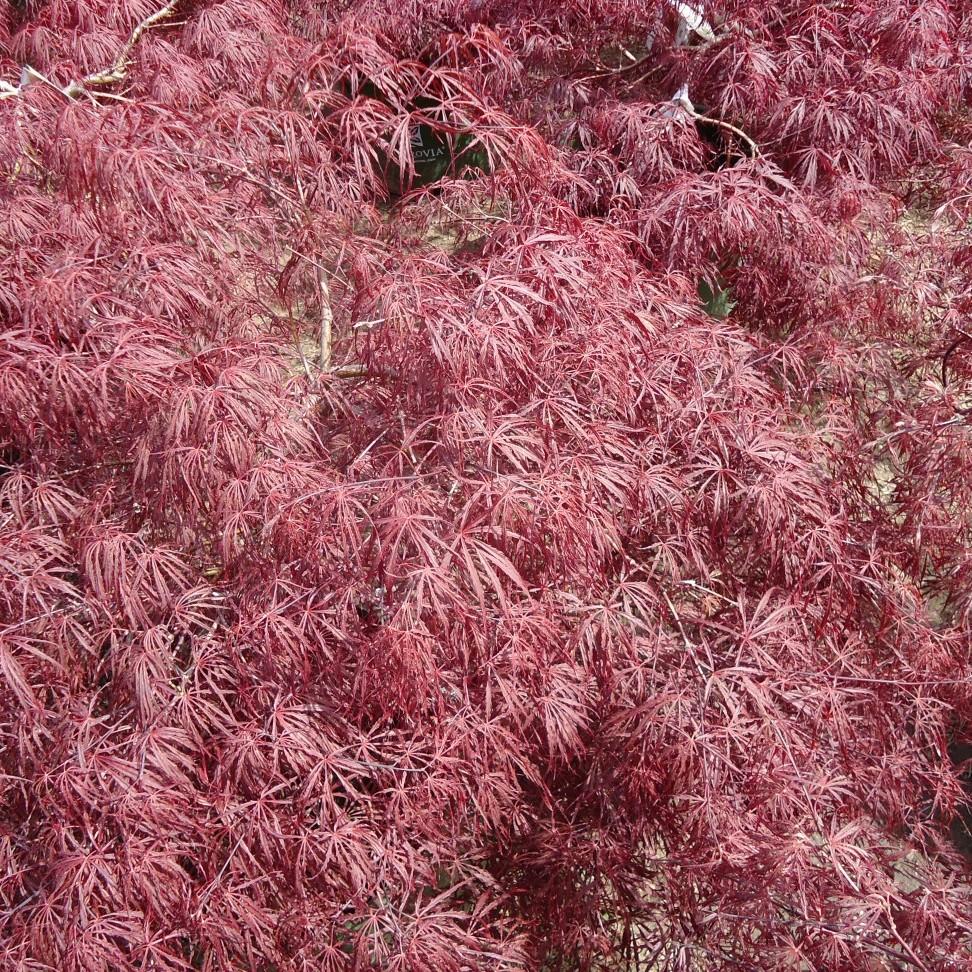
Japanese Maple Plant Description: Key Details for Iijima Sunago, Select Red, and Popular Cultivars
Get clear, beginner-friendly descriptions of Japanese maple trees, including specific details for Iijima Sunago and Select Red cultivars, plus care and pruning tips.
2026-07-26 · 8 min read
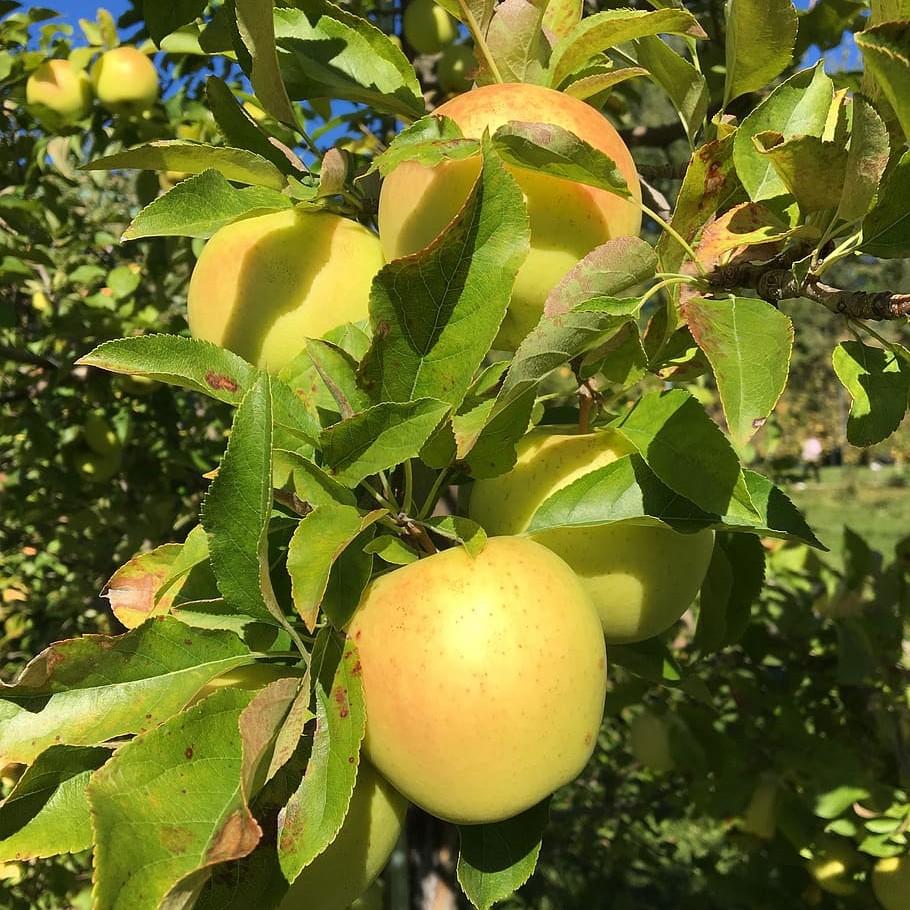
Flowering Crabapple: Grow Guide, Cultivars, and Landscape Uses
Learn to grow and care for flowering crabapple trees, with tips on cultivar selection, bloom care, disease resistance, and using their edible fruit and seasonal foliage.
2026-07-25 · 11 min read
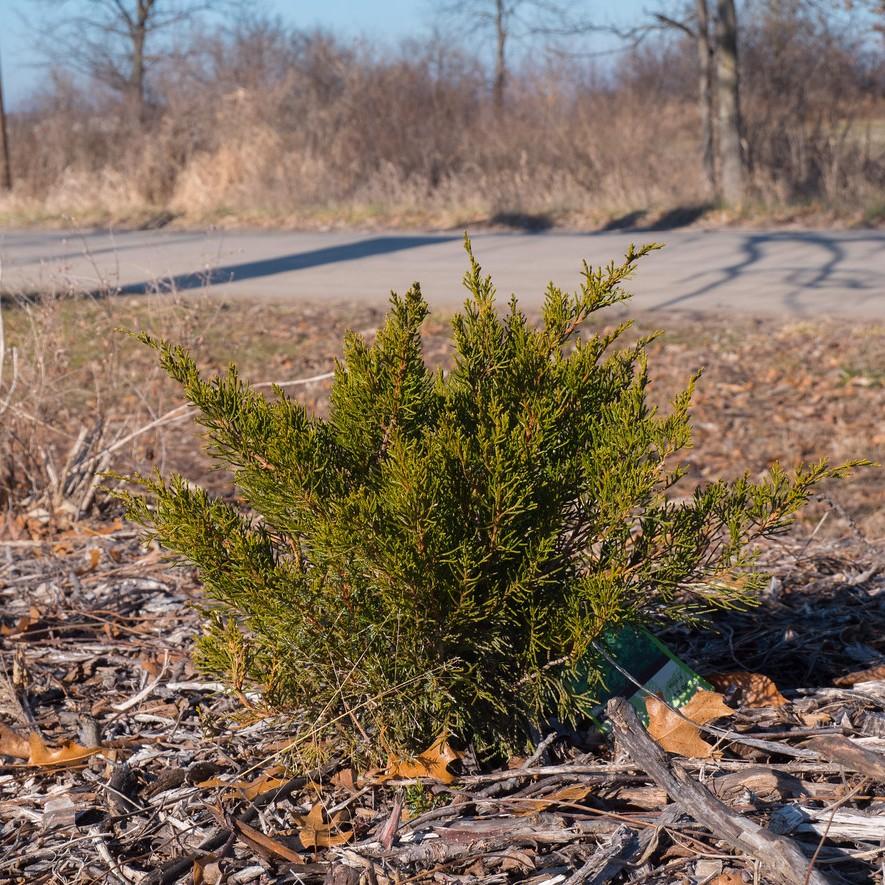
Dwarf Peach Tree: Complete Care, Growing Guide & Top Varieties for Small Spaces
Learn how to grow a dwarf peach tree in containers or small yards, get care tips, top variety picks, and solutions for common issues like brown rot and peach leaf curl.
2026-07-24 · 18 min read