Flowering Crabapple: Grow Guide, Cultivars, and Landscape Uses
Learn to grow and care for flowering crabapple trees, with tips on cultivar selection, bloom care, disease resistance, and using their edible fruit and seasonal foliage.
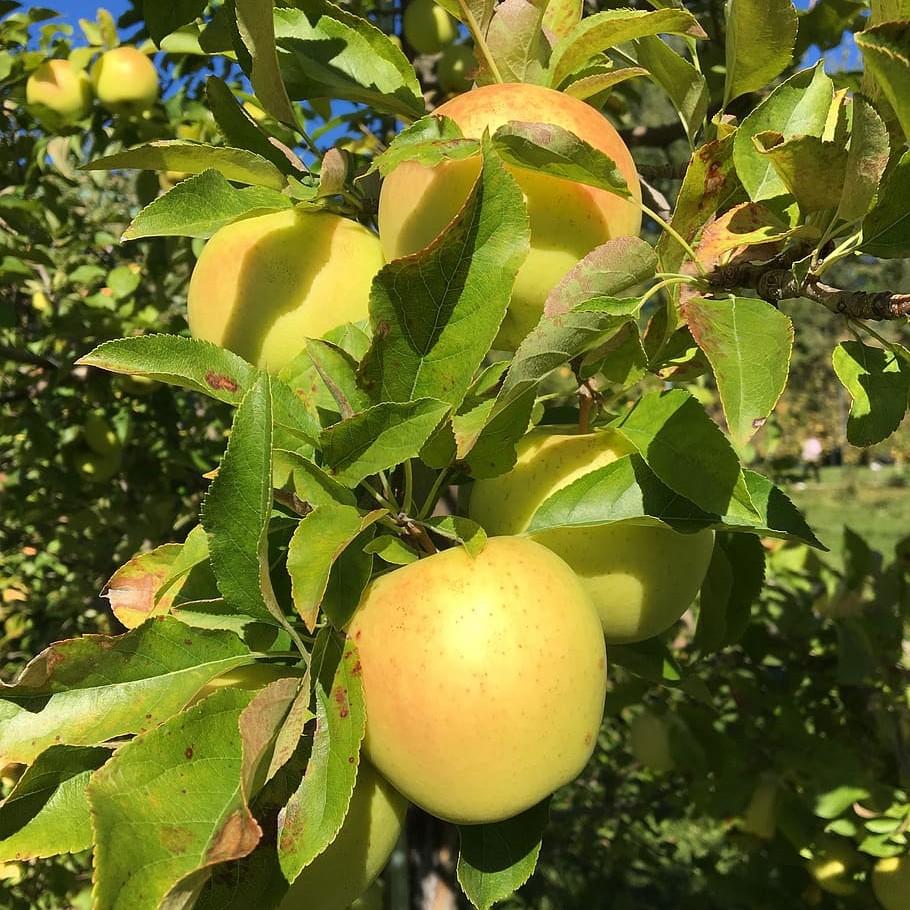
Flowering Crabapple: Grow Guide, Cultivars, and Landscape Uses
Flowering crabapple (Malus spp. ornamental cultivars) are small, multi-season deciduous trees grown for dense spring blooms, colorful persistent fruit, and vibrant fall foliage. Most varieties grow 10 to 25 feet tall and wide, and thrive in temperate USDA zones 4 through 8.
What Is a Flowering Crabapple Tree?
Flowering crabapple trees are ornamental Malus hybrids bred specifically for aesthetic appeal, unlike wild or fruiting crabapple species grown for rootstock or crop use. They offer year-round landscape interest, from spring blooms to winter fruit that supports local wildlife, and fit in spaces too small for full-sized apple trees.
Key Traits That Distinguish Flowering Crabapples
- Small, tart fruit 1/4 to 2 inches in diameter, smaller than standard cultivated apples
- Bloom period lasts 1 to 2 weeks in early to mid-spring, before full leaf emergence
- Deciduous foliage that often shifts to yellow, orange, or red hues in fall
- Highly attractive to pollinators and songbirds during both bloom and fruiting seasons
Difference Between Flowering Crabapple and European Crabapple
Ornamental flowering crabapple hybrids are bred specifically for bloom density, fruit color, and compact growth, while European crabapple (Malus sylvestris) is a wild species often used as European crabapple rootstock information for cultivated apple trees, with less consistent bloom display. For more details on species distinctions, see our full crabapple tree types and care guide.
Ideal Growing Conditions for Flowering Crabapple
Flowering crabapple trees thrive in full sun (6+ hours of direct light daily) and well-drained loamy soil with a pH between 6.0 and 7.0. They are tolerant of occasional drought once established, but perform best with consistent moisture during their first 2 to 3 years of growth. Proper planting and site selection reduce disease risk and support consistent annual blooming.
Soil and Planting Requirements
- Dig a planting hole 2 to 3 times wider than the root ball, and no deeper than the root flare to avoid stem rot
- Amend heavy clay soil with compost to improve drainage before planting
- Space standard-sized cultivars 15 to 20 feet apart, and dwarf varieties 8 to 10 feet apart to allow for air circulation
Temperature and Hardiness Notes
Most flowering crabapple varieties tolerate winter temperatures as low as -30°F, making them suitable for cold climate landscapes. They require 500 to 1,000 chill hours (temperatures below 45°F) during winter to set consistent blooms the following spring.
Flowering Crabapple Bloom Color and Fragrance
Flowering crabapple blooms come in shades of white, pale pink, deep rose, and magenta, depending on the cultivar. Many varieties feature buds that are darker than the open flower, creating a two-toned display during peak bloom. Most blooms have a mild, sweet fragrance, with some hybrid varieties bred for stronger, more noticeable scent.
Common Bloom Color Varieties
- White blooms: 'David', 'Donald Wyman', 'Adirondack'
- Pink blooms: 'Louisa', 'Prairie Rose', 'Brandywine'
- Red/magenta blooms: 'Prairifire', 'Purple Prince', 'Adams'
How to Extend Bloom Life
- Avoid over-fertilizing with high-nitrogen products in early spring, which can encourage leaf growth over flower development
- Water deeply once per week during dry spring weather to prevent premature bloom drop
- If you suspect your tree is not blooming as expected, use Sproutly to scan its foliage and get personalized troubleshooting tips for your specific cultivar.
Flowering Crabapple Foliage and Growth Habit
Flowering crabapple foliage varies by cultivar, with leaves ranging from glossy deep green to bronze, purple, or variegated hues in spring and summer. Many varieties develop rich yellow, orange, or burgundy fall color that lasts 2 to 3 weeks before leaf drop. Growth habits include rounded, vase-shaped, weeping, and narrow columnar forms to fit different landscape spaces.
Common Growth Shapes and Sizes
- Columnar: 15 to 20 feet tall, 6 to 8 feet wide, ideal for small yards or narrow planting strips (e.g., 'Adirondack')
- Weeping: 10 to 15 feet tall and wide, with cascading branches suited for focal points (e.g., 'Louisa')
- Rounded: 15 to 25 feet tall and wide, a versatile option for shade or screening (e.g., 'Donald Wyman')
- Dwarf: 5 to 10 feet tall and wide, suitable for large containers or small urban gardens
Flowering Crabapple Fruit: Edibility and Uses
Nearly all flowering crabapple fruit is edible, though most varieties are very tart when raw. The small fruits ripen in late summer to early fall, and many persist on the tree through winter, providing food for songbirds and other wildlife. The fruit is high in pectin, making it ideal for cooked preparations.
Popular Uses for Flowering Crabapple Fruit
- Crabapple jelly or jam, where the tart flavor balances added sugar
- Infused vinegar or cider for a tangy, fruity base
- Added to apple pies or applesauce to boost tartness and depth of flavor
- Note: Avoid eating the seeds, which contain small amounts of cyanide compounds, as you would with standard apple seeds.
Low-Fruit and Fruitless Cultivars
If you prefer to avoid messy fruit drop, select cultivars bred for minimal fruiting such as 'Spring Snow' or 'Coralburst', which produce few to no small apples after blooming.
Flowering Crabapple Disease Resistance and Maintenance
Many modern flowering crabapple hybrids are bred for resistance to four common diseases: apple scab, fire blight, cedar-apple rust, and powdery mildew. Selecting a resistant cultivar cuts down on annual maintenance and reduces the need for fungicide applications in most home landscapes.
Annual Care Tasks
- Prune in late winter before bud break to remove dead, damaged, or crossing branches, and improve air circulation through the canopy
- Apply a balanced 10-10-10 fertilizer once per year in early spring, before new growth emerges
- Water deeply once every 10 to 14 days during extended summer droughts, avoiding wetting the foliage to reduce disease risk
High Disease-Resistance Cultivars
- 'Prairifire': Resistant to apple scab, fire blight, cedar-apple rust, and powdery mildew
- 'Donald Wyman': Excellent resistance to all four common crabapple diseases, with persistent red fruit through winter
- 'Adams': Highly resistant to scab and fire blight, with deep pink blooms and dark red fruit
Popular Flowering Crabapple Cultivars for Home Landscapes
There are hundreds of flowering crabapple cultivars, each with unique bloom, foliage, fruit, and growth traits. Below are the most widely grown options for home gardens, selected for their low maintenance and consistent performance across temperate regions.
- 'Adams': 20 feet tall and wide, deep pink blooms, dark red 1/2-inch fruit, high scab and fire blight resistance, best for general landscape use and screening
- 'Adirondack': 18 feet tall, 8 feet wide, white blooms, persistent orange-red fruit, good disease resistance, ideal for narrow planting strips and small yards
- 'Beverly': 20 feet tall and wide, pure white blooms, bright red persistent fruit, excellent scab resistance, well-suited for cold climate landscapes
- 'Brandywine': 20 feet tall and wide, double rose-pink blooms, greenish-yellow 1-inch fruit, moderate scab resistance, best for focal points with showy blooms
- 'David': 15 feet tall and wide, white blooms, bright red 1/2-inch fruit, excellent disease resistance, compact size fits small urban gardens
- 'Donald Wyman': 20 feet tall and wide, white blooms, persistent glossy red fruit, full resistance to all four common crabapple diseases, versatile for screening or specimen planting
- 'Louisa': 15 feet tall and wide, weeping habit, soft pink blooms, yellow persistent fruit, good disease resistance, perfect for patio or entryway focal points
- 'Prairifire': 20 feet tall and wide, dark magenta blooms, dark red 1/2-inch fruit, full disease resistance, purple-tinged summer foliage adds extra seasonal interest
- 'Prairie Rose': 20 feet tall and wide, soft pink semi-double blooms, red 1-inch fruit, good scab resistance, drought-tolerant once established
- 'Purple Prince': 20 feet tall and wide, deep magenta blooms, bronze-purple summer foliage, dark red fruit, good scab resistance, ideal for foliage contrast in mixed landscapes
To confirm the exact cultivar of a flowering crabapple growing in your yard, identify your flowering crabapple cultivar with Sproutly by scanning its leaves, blooms, or fruit for a precise match. For more cultivar-specific care tips, visit our Flowering Crabapple encyclopedia entry.
Landscaping Ideas for Flowering Crabapple Trees
Flowering crabapple trees work well as standalone focal points, privacy screens, or pollinator garden anchors, thanks to their small size and multi-season interest. They pair well with spring-blooming perennials, evergreen shrubs, and native wildflowers to create a layered, wildlife-friendly landscape.
Common Landscape Placement Ideas
- Plant a columnar cultivar along a driveway or property line for a low, narrow privacy screen that blooms in spring
- Use a weeping cultivar as a focal point near a patio or front entry to showcase its cascading blooms and fruit
- Plant multiple varieties with staggered bloom times to extend your spring flower display by 2 to 3 weeks
- Pair with underplantings of daffodils, tulips, or creeping phlox that bloom at the same time as the tree for a coordinated spring display
Frequently Asked Questions About Flowering Crabapple
Below are answers to the most common questions home gardeners have about selecting, planting, and caring for flowering crabapple trees. For more personalized guidance, scan your tree with Sproutly to access care reminders and troubleshooting specific to your cultivar.
Are flowering crabapple trees messy?
Flowering crabapple trees drop spent blooms in spring, and many drop small fruit in late fall or winter. To minimize mess, select low-fruiting or fruitless cultivars such as 'Spring Snow', which produces very few apples after blooming. Regular pruning to remove dead branches also cuts down on excess debris.
Can you eat fruit from a flowering crabapple tree?
Nearly all flowering crabapple fruit is edible when cooked, though most varieties are too tart to eat raw. The fruit is high in pectin, making it ideal for jelly, jam, infused vinegar, or additions to applesauce and pies. Avoid eating the seeds, which contain small amounts of cyanide compounds, as with standard apples.
How long does it take a flowering crabapple tree to bloom?
Most flowering crabapple trees planted as 1- to 2-year-old saplings will begin producing consistent blooms within 3 to 5 years of planting. Dwarf varieties may bloom slightly earlier, often in 2 to 3 years, as they reach mature size faster than standard-sized cultivars.
Do flowering crabapple trees need full sun?
Flowering crabapple trees require 6+ hours of direct full sun daily to produce dense, consistent blooms and reduce disease risk. Trees planted in partial shade will produce fewer blooms, have sparser foliage, and be more susceptible to fungal diseases like powdery mildew and apple scab.
How big do flowering crabapple trees get?
Flowering crabapple size varies by cultivar: dwarf varieties grow 5 to 10 feet tall and wide, standard varieties grow 15 to 25 feet tall and wide, and narrow columnar varieties grow 15 to 20 feet tall but only 6 to 8 feet wide, making them ideal for small spaces.
Try Sproutly
Not sure which flowering crabapple cultivar you have, or need customized care reminders to support healthy blooms and fruit? Scan your tree with the Sproutly app to get precise identification, seasonal care tips, and alerts for pruning, fertilizing, and pest management tailored to your specific tree. Get started with Sproutly today.
Leitura relacionada
Mais guias que pode gostar
Hamamelis Mollis (Chinese Witch Hazel): Complete Grow & Care Guide
Learn to grow, care for, and enjoy Hamamelis mollis (Chinese witch hazel), a fragrant winter-blooming shrub with vibrant autumn foliage for temperate gardens.
2026-07-26 · 12 min read
Japanese Maple Plant Description: Key Details for Iijima Sunago, Select Red, and Popular Cultivars
Get clear, beginner-friendly descriptions of Japanese maple trees, including specific details for Iijima Sunago and Select Red cultivars, plus care and pruning tips.
2026-07-26 · 8 min read
Dwarf Peach Tree: Complete Care, Growing Guide & Top Varieties for Small Spaces
Learn how to grow a dwarf peach tree in containers or small yards, get care tips, top variety picks, and solutions for common issues like brown rot and peach leaf curl.
2026-07-24 · 18 min read