Downy Oak (Quercus pubescens): Identification, Care, Habitat, and Uses
Learn about downy oak (Quercus pubescens), a hardy Mediterranean deciduous tree valued for drought tolerance, wildlife support, and use in truffle cultivation.
Downy Oak (Quercus pubescens): Identification, Care, Habitat, and Uses
Downy oak (Quercus pubescens) is a hardy Mediterranean deciduous tree named for the fine, fuzzy hairs covering its young foliage and twigs. It is valued for extreme drought tolerance, wildlife support, and use in commercial truffle cultivation, and thrives in alkaline limestone soils in USDA zones 6 to 9.
What Is a Downy Oak? (Quercus pubescens Basic Facts)
The downy oak is a small to medium deciduous tree native to the Mediterranean basin, named for the fine, soft downy hairs covering its young leaves, twigs, and leaf undersides. It typically grows 30 to 60 feet tall at maturity, with a broad, rounded crown and thick, furrowed gray bark.
Common Names for Downy Oak
- Quercus pubescens (scientific name)
- Truffle oak
- Pubescent oak
- Mediterranean white oak
Key Species Traits
- Drought tolerant, adapted to long, dry summer conditions
- Hardy to USDA zones 6 to 9
- Prefers alkaline limestone soils, tolerates rocky, low-nutrient growing sites
- Supports dozens of native pollinator and bird species in its native range
- Classified in the white oak group, with acorns that mature in a single growing season
Downy Oak Identification: How to Tell It Apart From Similar Oaks
Identify downy oak by its 2 to 4 inch long, lobed leaves with rounded tips, soft fuzzy undersides on new growth, and 0.5 to 1 inch long acorns with shallow, scaly cups that mature in one growing season. The downy hairs on young twigs are visible to the naked eye on close inspection, even on partially mature growth.
Comparison to Other Common Oaks
- vs. English oak (Quercus robur): English oak has completely hairless leaves and longer acorn stalks, and grows across a wider European range including cooler, wetter regions
- vs. Chinkapin oak (Quercus muehlenbergii): Chinkapin oak has sharper, toothed leaves and sweeter edible acorns with lower tannin content, and is native to North America
- vs. chestnut oak (Quercus montana): Chestnut oak has thicker, more heavily ridged bark and grows primarily in eastern North America, preferring acidic rather than alkaline soils
If you are unsure if a tree you have found is a downy oak, upload a photo of its leaves, bark, and acorns to Sproutly for fast, accurate identification to avoid misclassification with lookalike species.
Downy Oak Subspecies and Accepted Varieties
Botanists recognize three accepted subspecies of downy oak, differentiated by their native range and subtle leaf traits: Quercus pubescens subsp. pubescens, Quercus pubescens subsp. anatolica, and Quercus pubescens subsp. palensis. No commercial ornamental cultivars are widely available as of 2024, as most saplings sold are straight native stock for reforestation or truffle cultivation.
Subspecies Range Breakdown
- subsp. pubescens: The most widespread subspecies, found across southern Europe and northern Africa, from Portugal to western Turkey and south to Morocco
- subsp. anatolica: Native to Turkey and the eastern Mediterranean, with smaller, more densely hairy leaves adapted to hotter, drier summer conditions
- subsp. palensis: Restricted to northern Spain’s Pyrenees region, growing at higher elevations up to 6,000 feet with greater tolerance for cold winter temperatures
Downy Oak Natural Habitat and Growing Range
Downy oak grows natively across the Mediterranean basin, from southern France and northern Spain east to Turkey and south to northern Morocco and Algeria. It thrives at elevations from sea level up to 6,000 feet in mountainous regions, primarily on well-drained, alkaline limestone or calcareous soils that drain quickly after rainfall.
Ideal Climate Conditions
- Tolerates annual rainfall as low as 16 inches, with adaptations to 4 to 6 month summer dry periods common in Mediterranean climates
- Can survive short temperature drops down to -5°F (-20°C), though extended periods of cold below this threshold will damage or kill mature trees
- Prefers full sun exposure, tolerates partial shade only in very hot, arid regions where midday sun may scorch young foliage
Landscape Care for Downy Oak Trees
Established downy oaks require almost no supplemental care, making them a low-maintenance choice for drought-prone, alkaline landscapes. Young trees need regular watering for their first 2 to 3 years to establish deep root systems, after which they can survive on natural rainfall alone in regions with at least 16 inches of annual precipitation.
Key Care Tips
- Plant in full sun in well-drained soil, avoid heavy clay or waterlogged sites that can cause root rot in the first two years of growth
- Do not fertilize unless soil tests show severe nutrient deficiencies, as excess nitrogen can promote weak, fast growth that is vulnerable to drought damage
- Prune only to remove dead or damaged branches, ideally in late winter before new growth emerges to minimize stress on the tree
- Avoid overwatering, as excess moisture around the root zone is the most common cause of health issues for cultivated downy oaks
Common Pests and Diseases
- Resistant to most oak pests, but may be affected by oak processionary moth caterpillars in European ranges; contact local extension services if you spot nest clusters on branches, as the caterpillar hairs can cause skin irritation in humans
- Powdery mildew may appear on leaves in unusually humid summers, but rarely causes long-term damage and does not require treatment unless it covers more than 70% of the tree’s foliage for two consecutive growing seasons
Log your downy oak in the Sproutly app to get customized care reminders and alerts for common pest risks in your specific region, tailored to your local climate and soil conditions.
Downy Oak Benefits and Uses
Downy oak is valued for both ecological and commercial uses: its dense root systems prevent soil erosion on sloped limestone sites, its acorns feed wildlife including deer, squirrels, and jays, and its dense, durable hardwood is used for furniture, firewood, and construction. It also has a long history of cultural use in Mediterranean communities.
Truffle Cultivation Compatibility
- Commonly called truffle oak because it forms a symbiotic relationship with black Périgord truffle (Tuber melanosporum) mycelium, which grows on the tree’s root system to exchange nutrients
- Commercial truffle farms often plant inoculated downy oak saplings to produce truffles 7 to 10 years after planting, as the tree’s drought tolerance and preference for alkaline soil align with ideal truffle growing conditions
Wildlife Support
- Leaves host over 100 species of native butterfly and moth caterpillars, making it a critical host plant for pollinator populations in its native range
- Acorns are a critical food source for over 20 bird species and small mammals, including wild boar, red squirrels, and Eurasian jays, during the late autumn and winter months when other food sources are scarce
Downy Oak vs. Other 'Downy' Named Plants: What’s the Difference?
The name "downy" refers to soft fuzzy foliage on many unrelated plant species, so it is easy to confuse downy oak with other downy-named plants that have no taxonomic relation to the Quercus genus. All of these species have distinct growth habits, care needs, and native ranges, and none are suitable for truffle cultivation or share the downy oak’s drought tolerance.
Common Non-Oak 'Downy' Plants
- downy birch (Betula pubescens): A cold-hardy boreal tree with white peeling bark, native to northern Europe and Asia, adapted to wet, acidic soils rather than dry, alkaline limestone sites
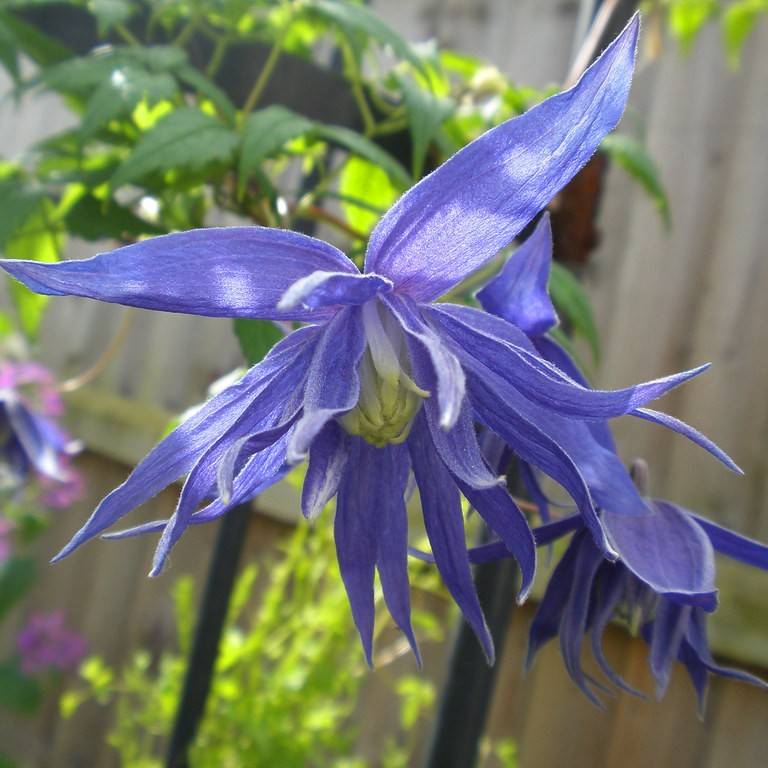
- Downy clematis (Clematis macropetala): A vining flowering plant with blue bell-shaped blooms, grown as an ornamental garden plant that climbs structures rather than growing as a free-standing tree
- Downy paintbrush (Castilleja sessiliflora): A hemiparasitic North American prairie wildflower, unrelated to woody tree species, that obtains part of its nutrients from the roots of surrounding prairie plants
Cultural and Historical Significance of Downy Oak
Downy oak has been a part of Mediterranean cultural history for thousands of years: ancient Greek and Roman texts reference it as a durable timber source for building ships and agricultural tools, and it has long been associated with strength and longevity in regional folklore. Its ability to thrive on rocky, marginal land made it a valuable resource for rural communities with limited access to other timber sources.
Modern Symbolism
- Used as a symbol of drought resilience and ecological stewardship in Mediterranean reforestation projects, as it can stabilize eroding limestone slopes and support native wildlife with minimal human intervention
- Featured on the coat of arms of several small towns in southern France and Italy, where it is a dominant native tree species and a marker of local regional identity
FAQ: Common Downy Oak Questions
Why is it called a downy oak?
Downy oak gets its name from the fine, soft downy hairs that cover its young leaves, twigs, and leaf undersides. These hairs help the tree reduce moisture loss in hot, dry Mediterranean climates by slowing air flow across the leaf surface.
Is downy oak the same as truffle oak?
Yes, truffle oak is a common alternate name for downy oak, because it forms a symbiotic relationship with black Périgord truffle mycelium, making it a popular choice for commercial truffle farms.
How big do downy oak trees get?
Mature downy oaks typically grow 30 to 60 feet tall, with a broad, rounded crown that can spread 30 to 50 feet wide. Slow-growing specimens in very dry, rocky sites may stay smaller than 30 feet tall at maturity.
Are downy oak acorns edible?
Downy oak acorns are edible, but they have a bitter taste due to high tannin content, unlike the sweeter acorns of chinkapin oak. They can be consumed after leaching to remove tannins, but are primarily eaten by wildlife.
Can I grow a downy oak outside of the Mediterranean region?
Downy oak can be grown in regions with similar climate conditions, including USDA zones 6 to 9 with well-drained alkaline soil. It will not survive in regions with consistently heavy rainfall, waterlogged soil, or winter temperatures below -5°F for extended periods.
Identify and Care for Downy Oak With Sproutly
If you spot a downy oak in the wild or are growing one in your landscape, Sproutly can help you confirm its identity, track its growth, and access customized care guidance tailored to your location. Upload a photo of the tree’s leaves, bark, or acorns to the app to get started, and log your tree to receive timely care reminders and pest alerts specific to your region.
Explore the full Sproutly plant encyclopedia to learn more about hundreds of native tree species, or download the app to start identifying plants today.
関連記事
こちらのガイドもおすすめ
Dendrobium Orchid Care, Types, and Growing Guide for Home Gardeners
Learn how to grow and care for dendrobium orchids, including light, water, and humidity needs, plus common types, troubleshooting, and safe handling for pet owners.
2026-07-08 · 17 min read
Crocus chrysanthus: Complete Care, Cultivars, and Growing Guide
Learn all about Crocus chrysanthus, the early-blooming snow crocus, including care tips, popular cultivars, and how to grow these pet-safe spring flowers.
2026-07-07 · 13 min read
Norway Spruce: Identification, Care, Cultivars, and Uses
Learn all about Norway spruce (Picea abies), including its growth habits, popular cultivars, planting guidelines, care requirements, and common uses for landscapes.
2026-07-06 · 11 min read