Jicama: A Complete Guide to Growing, Eating, and Storing This Crisp Root Vegetable
Learn all about jicama, including its nutrition, health benefits, growing tips, how to prepare and store it, plus safety notes about its toxic foliage and seeds.
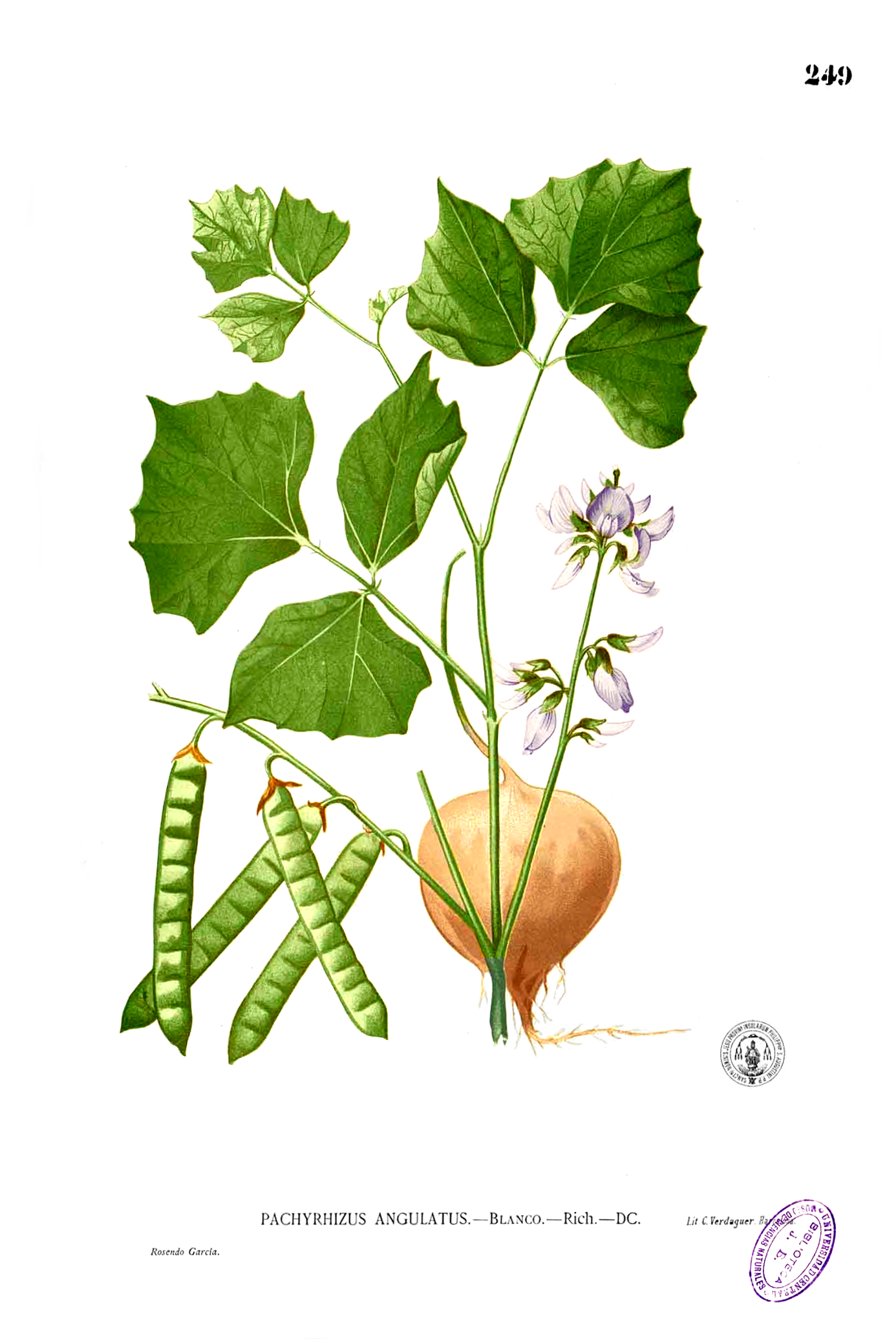
This sweet, crisp tropical root vegetable native to Mexico and Central America is grown for its edible tuber. Only the root is safe to consume; all foliage, vines, and seeds contain toxic rotenone. It can be eaten raw or cooked, and grows well in warm, frost-free climates with 150+ growing days.
What Is This Crisp Tropical Root?
Pachyrhizus erosus is a tropical legume grown for its crisp, sweet, edible root tuber. Native to Mexico and Central America, it is a warm-season root vegetable with brown, papery skin and white, juicy flesh that stays crunchy even when cooked. Only the root is safe to eat; all other parts of the plant contain toxic rotenone that can cause illness if ingested. If you spot a vine with broad, heart-shaped leaves growing in a warm garden, you can use the Sproutly plant identification tool to confirm it is jicama and access tailored care tips.
As a member of the legume family, this plant produces purple or white pea-like flowers and seed pods similar to bean pods, though these parts are never safe for consumption. The root itself ranges in size from 1 pound small, early-harvested tubers to 50 pound giant specimens grown in ideal tropical conditions. It is classified as one of the warm season root vegetables that thrives in heat, unlike cold-hardy root crops such as carrots or turnips. You can find full species details and growth habit information on the official jicama care guide entry in the Sproutly plant encyclopedia.
Nutrition Facts
A 1-cup serving of raw, sliced root (130g) contains 49 calories, 12g of carbohydrates, 6g of dietary fiber, 1g of protein, and less than 1g of fat. It is a rich source of vitamin C, providing 44% of your daily recommended intake per serving, plus small amounts of folate, potassium, magnesium, and iron. It is naturally low in sodium and free of cholesterol and saturated fat. Unlike starchy root vegetables like potatoes, it has a low glycemic index, making it a suitable choice for people monitoring blood sugar levels.
The high fiber content accounts for half of its total carbohydrate count, leading to a low net carb profile that works for a wide range of eating patterns. Its vitamin C content is comparable to that of a medium orange per serving, and it contains no added sugars, making it a nutrient-dense alternative to starchy sides or processed snacks.
Health Benefits
Regular consumption of this root supports several key areas of health, thanks to its high fiber and nutrient content. Its soluble and insoluble fiber supports digestive regularity and helps you feel full longer, which can support healthy weight management. The prebiotic fiber feeds beneficial gut bacteria, supporting a balanced gut microbiome. It also contains antioxidant compounds like vitamin C and quercetin that help reduce oxidative stress in the body, and its potassium content supports healthy blood pressure levels by counteracting the effects of sodium.
The low glycemic index means it does not cause rapid spikes in blood sugar, making it a suitable swap for higher-carb root vegetables for people with type 2 diabetes or those following low-glycemic eating plans. Its high water content (nearly 90% of its weight is water) also supports hydration, especially when eaten raw as a summer snack. For those following plant-based diets, it adds a source of non-heme iron and magnesium to meals, paired with vitamin C that boosts iron absorption.
Risks and Safety Notes
The only edible part of the plant is the root tuber; all above-ground parts (leaves, vines, flowers, seeds) contain rotenone, a natural toxin that can cause vomiting, diarrhea, and seizures if consumed in large quantities. Never eat the seeds or foliage, and keep the plant out of reach of pets and small children that may nibble on the vines. For most people, the root is safe to eat raw or cooked, though people with legume allergies may want to avoid it or consult a doctor first, as it is a member of the legume family.
Rotenone is a naturally occurring compound used in some organic pesticides, and it is concentrated in the foliage and seeds of the plant to deter pests. Even small amounts of ingested foliage can cause gastrointestinal distress, so always discard all above-ground plant material immediately after harvest, and do not compost the vines or seeds if you have pets that access your compost pile. If you are new to growing legumes, you can reference the legume plant care guide for tips on handling toxic plant parts safely.
How to Grow It at Home
This plant grows best in USDA hardiness zones 7–12, where it has 150–210 consecutive frost-free days to mature. Plant seeds 1–2 inches deep in well-draining, loamy soil with a pH between 6.0 and 7.0, after all risk of frost has passed and soil temperatures are consistently above 70°F (21°C). Space plants 12 inches apart, and provide a trellis for the climbing vines to grow on to keep foliage off the ground and reduce pest risk. Water plants deeply once per week, providing 1–2 inches of water total per week, and avoid overwatering which can cause root rot. You can use the Sproutly app to set custom watering reminders and track growing degree days to know when your jicama is ready for harvest.
For gardeners in cooler zones below USDA 7, you can start seeds indoors 8–10 weeks before your last expected frost date to extend the growing season, and transplant seedlings outside once soil temperatures warm. The plant requires full sun, meaning 6–8 hours of direct sunlight per day, to produce large tubers. Avoid using high-nitrogen fertilizers, as these will promote vine growth at the expense of root development. If you are growing it in containers, choose a pot that is at least 12 inches deep and 12 inches wide to accommodate the expanding root, and use a lightweight, well-draining potting mix.
How to Harvest
Roots are ready to harvest 150–180 days after planting, when the foliage starts to yellow and die back. You can harvest roots early for a smaller, sweeter tuber, or leave them in the ground longer to grow larger (some roots reach up to 50 pounds, though most home-grown roots are 1–5 pounds at harvest). Dig carefully around the base of the vine with a garden fork to avoid damaging the root, then lift the entire root out of the soil. Cut off all foliage immediately and discard it safely to avoid accidental ingestion of toxic plant parts.
If a light frost occurs before your root is fully mature, harvest it immediately, as frost will kill the vines and can cause the root to rot in the soil if left unattended. After harvesting, brush off excess soil from the root, but do not wash it until you are ready to use it, as excess moisture can shorten storage life. Smaller roots (under 3 pounds) tend to have a sweeter, more tender flesh, while larger roots can be slightly starchier and better suited for cooked dishes.
How to Prepare It
Preparing the root is simple: first, use a sharp vegetable peeler to remove the thick, papery brown skin, making sure to remove all of the tough, fibrous outer layer just under the skin. Cut the peeled white flesh into slices, sticks, cubes, or shred it depending on how you plan to use it. It can be eaten raw as a snack, dipped in hummus or guacamole, added to salads for extra crunch, or cooked in stir-fries, soups, and roasted vegetable dishes. Unlike apples or potatoes, it does not brown quickly after cutting, so you can prep it ahead of time for meals or snacks.
The mild, neutral flavor pairs well with a wide range of seasonings, including chili powder, lime juice, cilantro, soy sauce, and garlic. It can be used as a low-carb alternative to water chestnuts in Asian-inspired dishes, or as a crunchy swap for croutons in salads. When cooking, keep heating time short to retain its signature crunch; overcooking will cause it to soften and lose its texture. For raw snacking, you can toss cut pieces in a mixture of lime juice and chili powder for a classic Mexican street food-style treat.
How to Store It
Whole, unpeeled root can be stored in a cool, dry, dark place (like a pantry or root cellar) at 55–60°F (13–15°C) for up to 4 weeks. Do not store whole roots in the refrigerator, as temperatures below 50°F (10°C) can cause chill damage that makes the flesh soft and discolored. Once peeled and cut, the root can be stored in an airtight container in the refrigerator for up to 1 week. You can also freeze peeled, cut pieces for up to 6 months, though it will lose some of its crisp texture when thawed, making it best for cooked dishes after freezing.
If you notice any soft spots, mold, or off odors on a whole root, discard the entire root, as spoilage can spread quickly through the flesh. For cut pieces, change the water in the storage container every 2 days if you are storing it submerged in water to retain maximum crispness, though dry storage in an airtight container works well for most uses. Do not can or preserve the root using water bath canning methods, as its low acid content requires pressure canning to prevent foodborne illness.
Frequently Asked Questions
Can you eat it raw?
Yes, the root is completely safe to eat raw, and its mild, sweet flavor and crisp, apple-like texture make it a popular addition to crudité platters, salads, and fresh salsas. Only the root is edible; all other parts of the jicama plant are toxic and should not be consumed.
Is it keto-friendly?
Yes, jicama is suitable for low-carb and keto diets in moderation. A 1-cup serving has 6g of net carbs (total carbs minus fiber), which fits within most daily carb limits for keto eating, and its high fiber content helps slow digestion to avoid blood sugar spikes.
How long does it last after cutting?
Peeled and cut root will stay fresh in an airtight container in the refrigerator for up to 1 week. For longer storage, you can freeze cut pieces for up to 6 months, though it will lose some of its crisp texture after thawing.
What does it taste like?
It has a mild, slightly sweet, nutty flavor often compared to a cross between an apple and a potato. Its flesh is very juicy and crisp, with a similar texture to raw pear or water chestnut, and it retains its crunch even when cooked for short periods.
Can you grow it in containers?
Yes, you can grow jicama in containers as long as the pot is at least 12 inches deep and 12 inches wide to accommodate the growing root. Use well-draining potting mix, place the container in a spot that gets 6–8 hours of full sun per day, and provide a small trellis for the vines to climb.
Try Sproutly
Whether you are growing this tropical root in your home garden or looking to identify new edible plants to add to your meal plan, Sproutly can help. The app offers accurate plant identification, custom care reminders, and harvest tracking tools to help you get the most out of your edible garden. Get started with Sproutly today.
Letture correlate
Altre guide che potrebbero piacerti
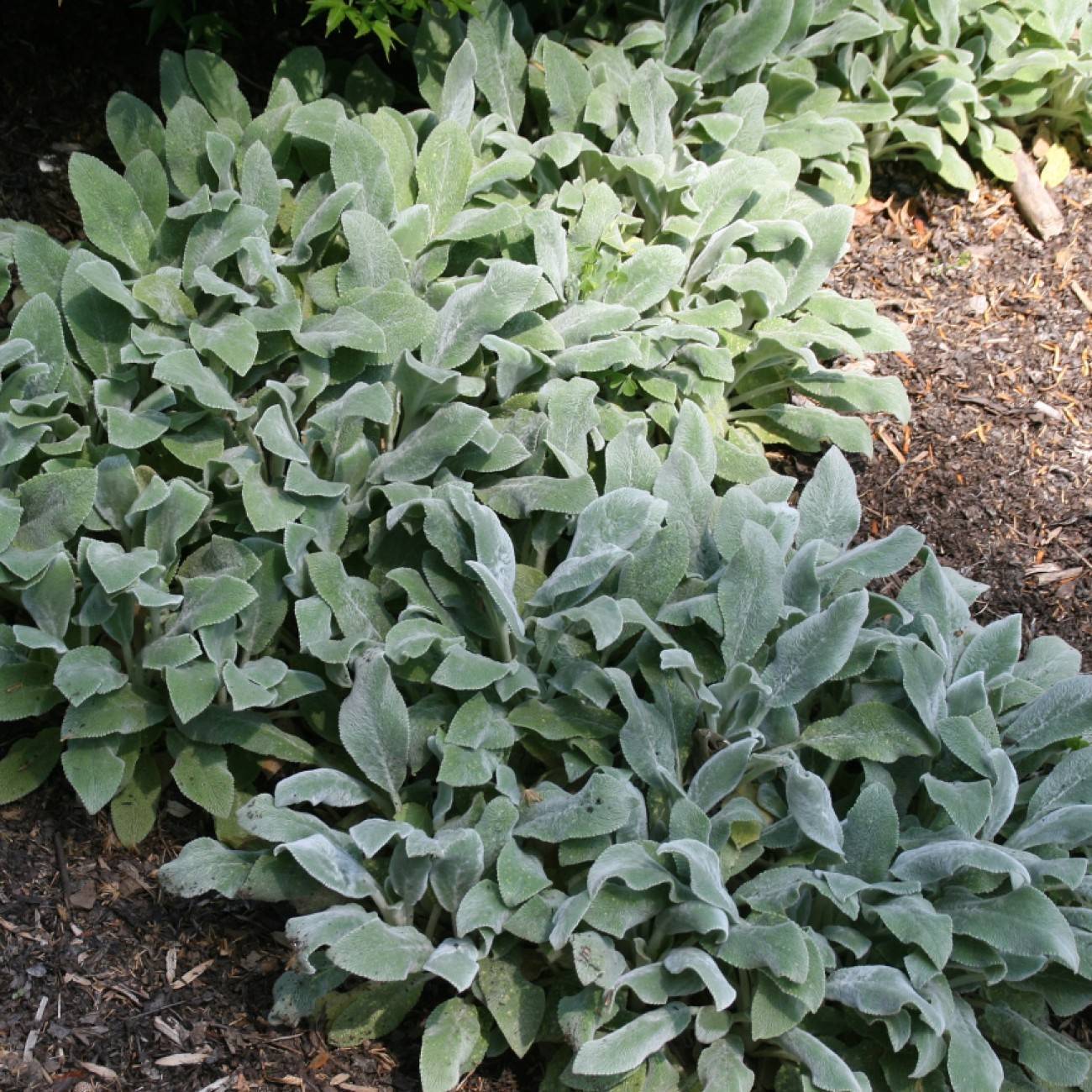
Lambs Ears: Complete Care Guide, Uses, and Growing Tips
Learn how to grow and care for lambs ears (Stachys byzantina), a soft, fuzzy silver perennial perfect for drought-tolerant gardens and ground cover.
2026-08-02 · 20 min read

Hibiscus China Rose: Identification, Care, Uses, and Growing Guide
Learn how to identify, grow, and care for hibiscus china rose (Hibiscus rosa-sinensis), plus its edible and traditional medicine uses for home gardeners.
2026-08-01 · 14 min read
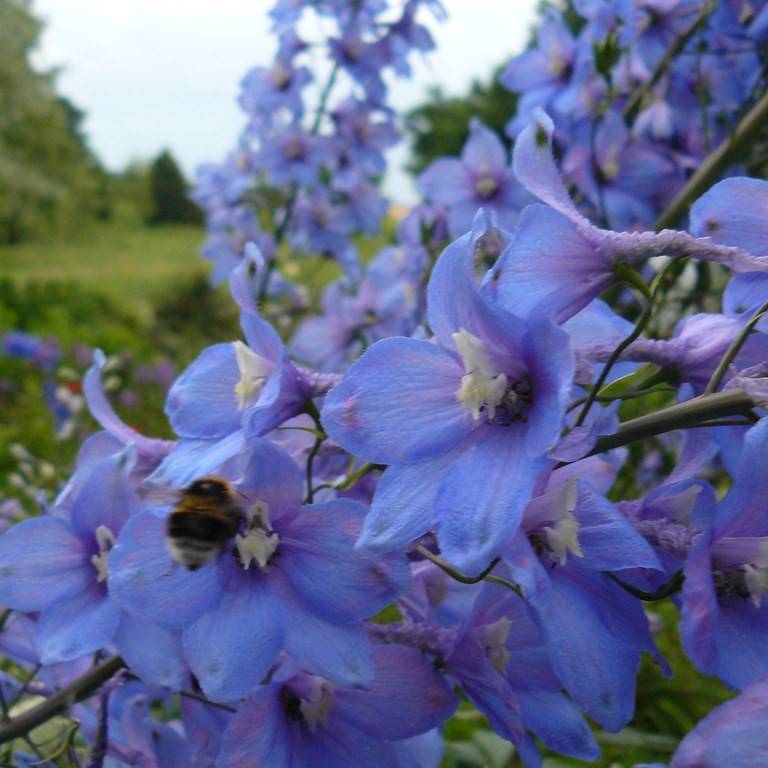
Delphinium Elatum: Care, Cultivars, Toxicity, and Growing Guide
Learn how to grow and care for Delphinium elatum, including sun, water, and soil needs, popular cultivars, and toxicity warnings for home gardeners.
2026-07-31 · 16 min read