Best Free Plant App & Plant Health Apps Free Guide 2024
Find the best free plant app, plus top plant health apps free to use, to identify plants, get care reminders, and diagnose foliage issues without paywalls.
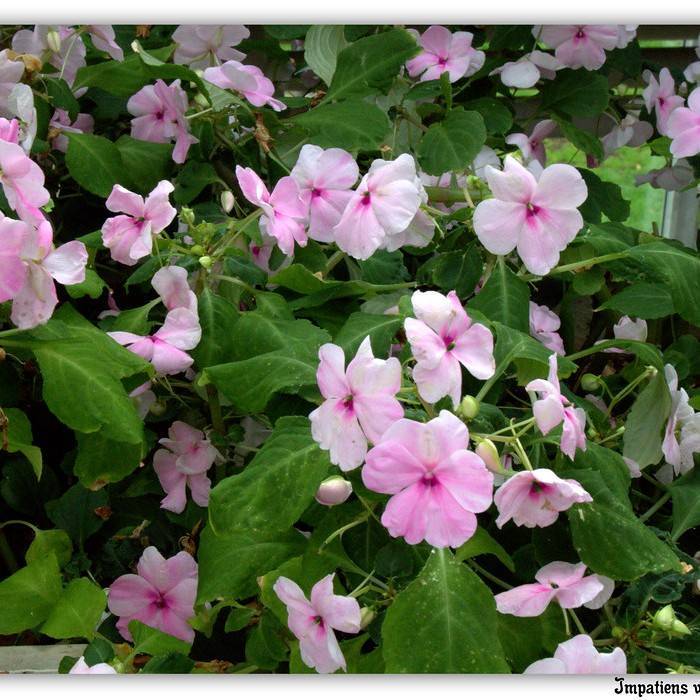
The best free plant app adapts to your specific growing needs, whether you want to identify unknown wild species on walks, receive personalized care reminders for your houseplant collection, or diagnose diseased foliage. Fully free options like Sproutly, PlantNet and Seek by iNaturalist offer core features without paywalls, while freemium options have limited free quotas or feature gates. Plant health apps free to use with no hidden costs can also diagnose common issues like overwatering, nutrient deficiencies and fungal spots for most common household and garden plants.
What Are Plant Health Apps Free to Use, and How Do They Work?
Plant health apps free to use are tools that use image recognition and verified horticultural databases to diagnose plant stressors, pests, and diseases without upfront costs or mandatory subscriptions. Unlike general free plant app tools that focus on identification and care reminders, these specialized apps prioritize health troubleshooting, cross-referencing user-submitted photos and contextual data to deliver actionable treatment guidance. They work for both indoor houseplants and outdoor garden species, including edible crops and ornamental flowers.
Core functionality of free plant health apps includes:
- Photo-based scanning of damaged foliage, stems, or soil to identify visual markers of distress
- Short contextual prompts about growing conditions (light exposure, watering frequency, location) to narrow down potential causes
- Matching against thousands of verified plant health case studies to deliver a diagnosis with a confidence score
- Step-by-step remediation guidance tailored to the specific plant species and issue
- Optional logging of health progress to track recovery over time
For common species like aloe vera, these tools can diagnose root rot with high accuracy and link you to personalized aloe vera care tips to support recovery. If you are also looking for identification features to pair with health tracking, read our guide on how a plant identify app can help you recognize and care for any plant you find.
Top Plant Health Apps Free of Hidden Paywalls in 2024
All apps on this list offer core plant health diagnostic features with no mandatory subscription for common household, garden, and edible plant species, so you will not be locked out of basic troubleshooting tools if you choose not to pay for premium upgrades. Some may offer optional paid tiers for advanced features like rare species support or 1:1 horticulturist consultations, but these are not required for casual home use. Always check the current app listing for the latest feature access details before downloading, as free terms may change over time.
The top fully free plant health apps for 2024 include:
- Sproutly: Offers unlimited free health scans for over 4,000 common houseplant, garden, and edible species, with Dutch language support and climate-adjusted treatment tips tailored to the Netherlands. No account is required to use core diagnostic features, and the app also includes free plant identification and personalized care reminders.
- PlantNet: Primarily focused on identification, this community-supported non-profit app offers free basic health diagnostics for wild and native plant species, with data contributed by botanical researchers and citizen scientists. It is the best option for diagnosing issues with wild plants found on hikes or in natural areas.
- Seek by iNaturalist: This fully free, no-account app includes basic health diagnostics for common garden and wild plants, alongside identification for plants, insects, and fungi. It works offline, making it ideal for use in remote natural areas with no mobile service.
- Vera: A completely free, open-source app with no paywalls, focused on health tracking and care reminders for users who already know their plant species. It supports unlimited health logging and custom care schedules for collections of any size.
- Blossom: Simple to use for beginners, its free tier includes basic health diagnostics for common houseplants, alongside simplified care reminders and species information.
Note that some popular freemium apps, including PictureThis, PlantIn, and Planta, lock advanced health diagnostics behind a paid subscription. The free tier of PictureThis only allows 5 identifications per month and does not include full access to health diagnostic tools, so it is not recommended for users looking for fully free plant health support. Planta’s free tier includes watering reminders but no photo-based health diagnostics, and PlantIn’s free tier limits health scans to 8 per month.
How to Use Free Plant App Tools to Diagnose Common Plant Health Issues
A free plant app can help you identify and fix most common plant health issues in 5 minutes or less, if you follow a structured process to provide clear, accurate data for the tool to analyze. The accuracy of the diagnostic result depends heavily on the quality of your photos and the contextual information you provide, so taking an extra 30 seconds to capture details correctly will eliminate the need for multiple follow-up scans. No prior horticultural knowledge is required to use these tools effectively, even for less common species.
Follow this step-by-step process for fast, reliable results:
- Capture clear, well-lit photos: Take 2–3 photos: one close-up of the damaged foliage showing spot patterns or discoloration, one shot of the entire plant to show overall size and health, and one photo of the soil surface if you suspect overwatering or nutrient issues. Avoid blurry photos or shots with heavy shadows, as these reduce diagnostic accuracy.
- Input basic contextual data: Answer the app’s short prompts about your plant’s growing conditions, including whether it is kept indoors or outdoors, how many hours of direct sunlight it receives per day, and your most recent watering and fertilizing dates. This helps the app distinguish between similar-looking issues, such as yellow leaves from overwatering versus nitrogen deficiency.
- Review diagnosis confidence scores: Most free plant apps provide a confidence percentage for each potential diagnosis. Prioritize results with a 70% or higher confidence score, and cross-reference low-confidence results with a second scan or a trusted plant care resource if needed.
- Follow step-by-step treatment guidance: The app will provide clear, actionable steps to resolve the issue, from adjusting your watering schedule to applying organic neem oil for pest control. Save the diagnosis to your plant’s profile in the app to track recovery progress over time, and set a reminder to re-scan the plant in 7–10 days to confirm the treatment is working.
For flowering plants like Busy Lizzy, this process can quickly identify thrips or spider mite infestations, and link you to targeted Busy Lizzy growing guide advice for organic pest control. For edible garden crops like pak-choi, free app diagnostics can flag downy mildew or nutrient deficiencies early, and connect you to pak-choi care for home gardens guidance to save your harvest.
Vergelijking van Populaire Nederlandse App Om Planten Te Verzorgen (2024)
Nederlandse app om planten te verzorgen opties zijn geoptimaliseerd voor het lokale klimaat en veelvoorkomende tuin- en kamerplanten in Nederland, waardoor ze vaak relevantere adviezen geven dan wereldwijde tools. De populairste lokale opties bieden Nederlandse taalondersteuning en specifieke richtlijnen voor soorten die veel in Nederlandse tuinen staan, van tulpenbollen tot inheemse heesters. Dit overzicht vergelijkt de meest genoemde lokale en wereldwijde apps en hun kernfunctionaliteit zonder verborgen kosten.
De populairste Nederlandse lokale opties zijn:
- Pokon: De bekende tuinmerk app biedt gratis basisverzorgingsadvies voor zowel kamerplanten als tuinsoorten, met aangepaste tips voor het Nederlandse klimaat. De gratis versie bevat verzorgingsherinneringen en een zoekbare encyclopedie, maar geavanceerde diagnose en persoonlijk advies zitten achter een betaalmuur.
- Plantsome: Afkomstig van de Nederlandse plantenwinkel, deze app laat je je aangekochte Plantsome planten direct toevoegen aan je collectie en ontvangt automatisch bijpassende verzorgingsherinneringen. De gratis versie ondersteunt alleen Plantsome-planten; om eigen planten toe te voegen heb je een betaald abonnement nodig.
- Plant Diary: Een Nederlandse open-source optie die volledig gratis te gebruiken is voor het bijhouden van je plantencollectie en het instellen van aangepaste herinneringen. De app heeft geen ingebouwde identificatiefunctie, dus je moet plantennamen handmatig invoeren.
- Plant Nanny: Deze Nederlandse app combineert verzorgingsherinneringen met een speels element, waarbij je je planten "voedt" en "water geeft" om een virtuele tuin te onderhouden. De gratis versie bevat advertenties en beperkt het aantal planten dat je kunt toevoegen tot 10.
- Mijn Santé: De gezondheidsapp bevat een gratis plantenverzorgingsmodule met basisadvies voor veelvoorkomende kamerplanten en eenvoudige herinneringen. De module is alleen toegankelijk voor gebruikers met een Santé-abonnement, zonder extra kosten naast je bestaande abonnementskosten.
Naast deze lokale opties zijn wereldwijde tools zoals Sproutly ook beschikbaar met volledige Nederlandse taalondersteuning, en bieden ze extra functionaliteit zoals foto-identificatie en AI-gedreven diagnose die veel lokale apps niet hebben.
Functionaliteitsvergelijking: Werken de Apps voor Zowel Kamerplanten als Nederlandse Tuinplanten?
Veel generieke planten verzorgen apps richten zich alleen op kamerplanten, waardoor ze ongeschikt zijn voor gebruikers met een Nederlandse tuin die advies nodig hebben voor inheemse soorten en seizoensgebonden tuinklussen. De beste opties voor Nederlandse gebruikers ondersteunen beide gebruiksscenario’s, met aparte verzorgingsrichtlijnen voor binnen- en buitenplanten en aanpassingen voor het lokale klimaat. Dit overzicht laat zien welke functionaliteit je kunt verwachten voor beide gebruikssituaties.
Om te bepalen of een app geschikt is voor zowel kamerplanten als tuinplanten, let je op deze functies:
- Aparte instellingen voor lichtomstandigheden (binnenlicht vs. volle zon in de tuin)
- Ondersteuning voor inheemse Nederlandse tuinsoorten zoals de rode kornoelje (Cornus sericea) en pruikenboom 'Daydream' (Cotinus coggygria 'Daydream')
- Weersynchronisatie met Nederlandse weergegevens voor aangepaste wateradviezen
- Seizoensgebonden herinneringen voor tuinklussen zoals planten in het voorjaar en vorstbescherming in de herfst
- Mogelijkheid om planten te groeperen per ruimte of tuinbed
Als je voornamelijk bomen en grotere heesters in je tuin hebt, kun je ook ons Tree Identification App Guide: How to Quickly Name Any Tree in Your Yard or Hike raadplegen voor extra tips bij het identificeren van deze soorten.
Stap-voor-Stap: Gebruik een Planten Verzorgen App om Ziektes bij Lokale Soorten te Diagnosticeren
Een planten verzorgen app kan je helpen om veelvoorkomende ziekten en plagen bij Nederlandse tuin- en kamerplanten snel te diagnosticeren, zonder dat je een tuinconsulent hoeft te raadplegen. De nauwkeurigheid van de diagnose hangt sterk af van de kwaliteit van je foto’s en de gegevens die je invoert over de groeiomstandigheden van de plant. Volg deze stappen voor het meest betrouwbare resultaat, ook voor minder algemene lokale soorten.
- Maak duidelijke foto’s van de beschadiging: Neem een close-up van het aangetaste deel van de plant (bijvoorbeeld gevlekte bladeren, verkleurde takken of spintmijt op de onderkant van bladeren) en een foto van de hele plant om context te geven over zijn grootte en locatie.
- Voeg locatie en groeiomstandigheden toe: Geef aan of de plant binnen of buiten staat, hoeveel zonlicht hij per dag krijgt, en wanneer je voor het laatst water gaf of bemestte. Dit helpt de app om problemen zoals overbewatering tijdens regenachtige periodes te onderscheiden van schimmelziekten.
- Vergelijk de resultaten met lokale informatie: Controleer of de diagnose overeenkomt met veelvoorkomende problemen in Nederland voor die specifieke soort. Bij de rode kornoelje bijvoorbeeld komen bladschimmels vaak voor bij nat weer, terwijl de pruikenboom gevoelig is voor spintmijt tijdens warme, droge zomers.
- Volg de aanbevolen oplossingen: Veel apps geven stap-voor-stap advies over hoe je het probleem oplost, van het terugsnoeien van beschadigde takken tot het gebruik van biologische bestrijdingsmiddelen die toegestaan zijn in Nederland.
Voor het meest accurate resultaat gebruik je de gratis plant identificatie functie van Sproutly, die getraind is op veelvoorkomende Nederlandse soorten en hun specifieke gezondheidsproblemen.
Nederlandse Taal- en Klimaataanpassing per App: Wat is het Meest Relevant voor Gebruikers in Nederland?
Nederlandse gebruikers hebben andere behoeften bij een planten verzorgen app dan gebruikers in Zuid-Europa of Noord-Amerika, door het gematigde zeeklimaat met veel neerslag, milde winters en relatief koele zomers. Daarnaast is Nederlandse taalondersteuning belangrijk, zodat je de naam van de plant en de verzorgingsadviezen kunt lezen in je eigen taal, zonder dat je technische termen hoeft te vertalen. Dit overzicht vergelijkt hoe populaire apps inspelen op deze lokale behoeften.
Let bij het kiezen van een app op deze Nederlandse specifieke kenmerken:
- Volledige Nederlandse interface: Controleer of niet alleen de menu’s, maar ook de verzorgingsadviezen en plantennamen in het Nederlands zijn, in plaats van alleen een automatisch vertaalde versie.
- Lokale weersynchronisatie: Kies een app die gebruikmaakt van Nederlandse weergegevens, zodat het wateradvies automatisch wordt aangepast als er meerdere dagen regen valt of als er een hittegolf wordt voorspeld.
- Ondersteuning voor typische Nederlandse soorten: De app moet informatie bevatten over inheemse tuinplanten, groenten die veel in Nederlandse moestuinen worden geteeld, en kamerplanten die populair zijn in Nederland.
- Vorstwaarschuwingen voor buitenplanten: De app moet je op tijd waarschuwen als de temperatuur onder het vriespunt daalt, zodat je je vorstgevoelige planten kunt beschermen.
- Advies over Nederlandse tuinkalenders: De app moet je vertellen wanneer je het beste tulpenbollen kunt planten, wanneer je je gazon moet maaien, en wanneer je groenten zoals wortelen en sla kunt zaaien in de Nederlandse seizoenen.
Underused Gratis Planten Verzorgen Apps Die Je Niet Mag Missen in 2024
Naast de bekende apps zoals Pokon en PlantNet zijn er ook minder bekende, ondergebruikte gratis planten verzorgen apps die handige functionaliteit bieden voor Nederlandse gebruikers, vaak zonder verborgen betaalmuren. Deze apps richten zich op specifieke gebruikssituaties die niet door de grote tools worden gedekt, van biologische tuinbouw tot speelse verzorgingsherinneringen. Deze underused opties zijn het proberen waard als je op zoek bent naar een alternatief voor de standaard apps.
De meest onderschatte gratis opties voor 2024 zijn:
- Plant Nanny: Combineert verzorgingsherinneringen met een spel-element, waarbij je je virtuele planten gezond houdt door je echte planten op tijd te verzorgen. De gratis versie ondersteunt tot 10 planten en geeft een leuke extra stimulans om je verzorgingsroutine bij te houden.
- Mijn Santé: Toegankelijk voor gebruikers met een Santé-abonnement, deze module bevat basisverzorgingsadvies voor kamerplanten en eenvoudige herinneringen, zonder extra kosten naast je bestaande abonnement. Het is een goede optie als je al gebruikmaakt van Santé en geen aparte app wilt downloaden.
- Gardenize: Een Zweedse app die ook volledig in het Nederlands beschikbaar is, met sterke functionaliteit voor het bijhouden van je tuin, inclusief het plannen van tuinbedden en het bijhouden van oogstgegevens voor moestuinen. De gratis versie biedt onbeperkte toegang tot de meeste tuinfuncties.
- Seek by iNaturalist: Een volledig gratis app die niet alleen planten, maar ook paddenstoelen, insecten en dieren kan identificeren op wandelingen. De app werkt ook offline, waardoor hij ideaal is voor wandelaars in natuurgebieden zonder mobiel bereik.
5 Praktische Tips om het Meeste Uit Jouw Planten Verzorgen App te Halen in het Nederlandse Klimaat
Het Nederlandse klimaat met zijn onvoorspelbare regenbuien, wisselende zonuren en milde vorstperiodes vereist aanpassingen in je verzorgingsroutine, die je app alleen kan ondersteunen als je hem juist instelt. Veel gebruikers krijgen minder relevante adviezen omdat ze hun locatie niet nauwkeurig invoeren of geen rekening houden met lokale weersomstandigheden. Met deze tips haal je het meeste uit je app, ook tijdens onregelmatige Nederlandse weersomstandigheden.
- Voer je exacte postcode in: Dit zorgt ervoor dat de app gebruikmaakt van de meest actuele lokale weergegevens, zodat je geen wateradvies krijgt voor een droge periode terwijl het in jouw regio de hele dag regent.
- Pas je wateradvies aan in de herfst en winter: Nederlandse winters zijn vaak nat en koel, waardoor je buitenplanten bijna geen extra water nodig hebben. Pas de instellingen van je app aan in oktober, zodat hij je niet onnodig herinnert om water te geven.
- Stel vorstwaarschuwingen in vanaf november: Vorst kan al voorkomen in november en soms tot in april, dus stel je app in om je 24 uur van tevoren te waarschuwen als de temperatuur onder 0°C daalt, zodat je je vorstgevoelige planten zoals citrusbomen en oleanders naar binnen kunt halen.
- Pas je bemestingsschema aan op de Nederlandse groeiperiode: De meeste tuinplanten groeien alleen tussen maart en september, dus je hoeft niet te bemesten in de winter. Stel je app in om alleen bemestingsherinneringen te sturen tussen deze maanden, om overbemesting te voorkomen.
- Log neerslag zelf als je een regenmeter hebt: Als je een regenmeter in je tuin hebt, log de hoeveelheid neerslag zelf in de app, zodat het wateradvies nog nauwkeuriger is dan wanneer het alleen op algemene weergegevens is gebaseerd.
Hoe Kies Je de Juiste Planten Verzorgen App voor Jouw Gebruikssituatie?
De beste planten verzorgen app voor jou hangt volledig af van je kweekomgeving, collectiegrootte en specifieke doelen, zodat je niet betaalt voor tools die je nooit gebruikt. Iemand die alleen kamerplanten heeft heeft andere functies nodig dan iemand met een grote buiten tuin, of iemand die regelmatig wandelt en onbekende wilde soorten wil identificeren. Gebruik deze richtlijnen om snel de juiste optie te kiezen voor jouw situatie.
Voor alleen kamerplanten
Als je alleen kamerplanten hebt, heb je vooral behoefte aan aangepaste verzorgingsherinneringen die rekening houden met de lichtomstandigheden in je huis, en basisdiagnose van veelvoorkomende problemen zoals bruine bladpunten of spintmijt. Kies een app met een uitgebreide encyclopedie van kamerplanten, zoals Sproutly of Blossom.
Voor buiten tuinieren in Nederland
Voor Nederlandse buiten tuinen is het belangrijk dat de app rekening houdt met het lokale klimaat, inclusief vorstwaarschuwingen en advies over de beste planttijden voor groenten, bloemen en heesters. Zoek naar apps met weersynchrone herinneringen en ondersteuning voor typische Nederlandse tuinsoorten zoals de rode kornoelje (Cornus sericea) en pruikenboom 'Daydream' (Cotinus coggygria 'Daydream'). Sproutly en Gardenize zijn goede opties voor dit gebruikssituatie.
Voor biologische teelt
Als je biologisch teelt, zoek dan naar een app die advies geeft over biologische bestrijdingsmiddelen en natuurlijke manieren om plagen te bestrijden, zonder advies over chemische bestrijdingsmiddelen. De app Moon & Garden is hier speciaal voor ontworpen, en biedt ook advies gebaseerd op de maancyclus voor biologische tuiniers.
Voor grote plantencollecties (50+ planten)
Voor grote collecties heb je een app nodig met goede organisatiemogelijkheden, zodat je je planten kunt groeperen per ruimte, tuinbed of lichtbehoefte, en gemakkelijk kunt filteren op soorten die extra zorg nodig hebben. Kies een app met onbeperkte collectieopslag en de mogelijkheid om notities en groeifoto's toe te voegen, zoals Vera of Sproutly.
Volledig Gratis vs Freemium App Om Planten Te Verzorgen: Wat Krijg Je Zonder Betaling?
Het grootste verschil tussen volledig gratis en freemium planten verzorgen app opties is of kernfuncties permanent toegankelijk zijn zonder betaling, of dat je te maken krijgt met quota, advertenties of functiepoorten. Veel freemium-apps verbergen essentiële tools zoals geavanceerde diagnose of onbeperkte identificatie achter een abonnement, terwijl volledig gratis opties alle core functies zonder kosten aanbieden. Dit overzicht maakt duidelijk wat je kunt verwachten van beide modellen, zodat je niet voor verrassingen komt te staan na het downloaden.
Volledig gratis apps bieden standaard deze functies zonder betaling:
- Onbeperkt aantal verzorgingsherinneringen voor je hele collectie
- Onbeperkte foto-identificatie van planten (indien de app deze functie heeft)
- Basisdiagnose van veelvoorkomende gezondheidsproblemen zoals overbewatering en spintmijt
- Toegang tot de volledige plantencyclopedie
Freemium-apps bieden meestal deze functies gratis, maar beperken of verbergen andere:
- Maximaal 3 tot 10 identificaties per maand voordat je moet upgraden
- Alleen basisverzorgingsadvies, zonder aanpassing voor je lokale klimaat
- Advertenties tussen functies door
- Geavanceerde functies zoals tuinplanning of advies van botanici zijn alleen beschikbaar voor abonnees
Sproutly is een van de weinige all-in-one tools die volledig gratis is voor alle kernfuncties, zonder verborgen betaalmuren of quotas voor identificatie of diagnose.
Comparison of Free Plant App vs. Paid Plant Health Feature Limitations
Free plant app tiers cover nearly all common health troubleshooting needs for casual and beginner plant parents, while paid tiers primarily add advanced features for rare species, large commercial collections, or specialized growing needs. Most free versions include unlimited basic diagnostics for common species, while paid tiers may charge $5–$15 per month for features like unlimited rare species scans, direct horticulturist chat, or custom pest treatment plans. The exact limitations vary by app, so check the current app listing for the latest feature breakdowns before upgrading.
Key differences between free and paid plant health features include:
- Diagnostic scope: Free tiers cover 80–90% of common issues for widely grown species, while paid tiers expand coverage to rare, tropical, or commercial crop species.
- Support access: Free tiers use pre-written care guidance, while paid tiers may offer 1:1 support from botanists or horticulturists for complex cases.
- Tracking capabilities: Free tiers include basic health logging, while paid tiers may add advanced growth tracking, harvest forecasting, or pest outbreak monitoring for large gardens.
- Advertisements: Many free tiers include non-intrusive ads, while paid tiers offer ad-free interfaces.
For most home growers with collections of common houseplants, garden flowers, and edible crops, a free plant app will meet all your health troubleshooting needs without requiring a paid upgrade.
How to Use a Free Plant App to Keep Flowering Plants Blooming Year-Round
A free plant app can help you adjust care routines for flowering plants to extend bloom periods, identify stressors that reduce flowering, and set timely reminders for pruning, fertilizing, and repotting. For example, a free app can flag if your Busy Lizzy is not blooming due to insufficient light or over-fertilization, and link you to our busy lizzy care guide for targeted adjustments. The best free apps also include seasonal reminders tailored to your local climate, so you can time care tasks to support continuous blooming for both indoor and outdoor flowering plants.
Follow these steps to use a free plant app to keep your flowering plants blooming year-round:
- Add all your flowering plants to the app: Include details like their location (indoor vs. outdoor), daily light exposure, and current pot size to get personalized care recommendations.
- Enable bloom period reminders: The app will alert you when to fertilize (usually 4 to 6 weeks before the expected bloom start for outdoor plants) and when to prune spent blooms to encourage new flower growth.
- Scan for stress early: If you notice reduced blooming or yellowing leaves, use the app’s free health diagnostic tool to identify issues like nutrient deficiency, pest infestations, or incorrect watering that may be suppressing blooms.
- Adjust care for seasonal changes: For indoor flowering plants, the app will remind you to increase humidity in winter and move plants away from drafty windows to prevent bud drop. For outdoor plants, it will send frost alerts so you can move tender perennials indoors before cold weather damages buds.
Side-by-Side Vergelijking van de Beste Gratis Planten Verzorgen Apps
Deze vergelijking breekt gratis functies, betaalmuurdetails, ideale gebruikssituaties en gebruikersquota’s af voor de meest populaire tools, zodat je snel kunt zien welke functies toegankelijk zijn zonder betaald abonnement. De tabel is ontworpen om je in 30 seconden te helpen de juiste keuze te maken voor jouw kweekdoelen, zonder dat je meerdere apps hoeft te downloaden en te testen.
| App | Gratis zonder abonnement | Waar zit de betaalmuur | Beste voor | Maandelijks gratis ID quota (indien van toepassing) |
|---|---|---|---|---|
| Sproutly | Foto-identificatie, AI verzorgingsadvies, ziekte diagnose, volledige plantencyclopedie met 4.000+ soorten, weersynchrone herinneringen, seizoensgebonden waarschuwingen — web en iOS app, volledige Nederlandse taalondersteuning | Optionele betaalde tier; kernfuncties blijven gratis | Beginners die identificatie en verzorging in één tool willen, Nederlandse gebruikers | Onbeperkt |
| Pokon (NL) | Verzorgingsherinneringen, Nederlandse plantencyclopedie, klimaat aangepaste tips | Geavanceerde diagnose en persoonlijk advies | Nederlandse tuiniers | 0 (geen identificatiefunctie) |
| Plantsome (NL) | Verzorgingsherinneringen voor aangekochte Plantsome planten | Toevoegen van eigen planten, identificatie | Gebruikers die planten kopen bij Plantsome | 0 (identificatie is alleen premium) |
| Plant Diary (NL) | Aangepaste herinneringen, collectie bijhouden, open-source | Geen betaalmuur | Gebruikers die alleen herinneringen nodig hebben | 0 (geen identificatiefunctie) |
| Plant Nanny (NL) | Verzorgingsherinneringen voor maximaal 10 planten, virtuele tuin functionaliteit | Advertentievrije interface, onbeperkt aantal planten | Gebruikers die een speelse stimulans willen voor hun verzorgingsroutine | 0 (geen identificatiefunctie) |
| Mijn Santé (NL) | Basisverzorgingsadvies voor kamerplanten, eenvoudige herinneringen | Alleen toegankelijk voor gebruikers met een Santé-abonnement | Gebruikers die al een Santé-abonnement hebben | 0 (geen identificatiefunctie) |
| Planta | Waterherinneringen, weersynchrone verzorgingsaanpassingen, verzorgingsschema's voor handmatig toegevoegde planten | Foto-identificatie en geavanceerde diagnose zijn premium (op dit moment) | Mensen die al de namen van hun planten weten | 0 (identificatie is alleen premium) |
| Vera | Aangepaste verzorgingsherinneringen, foto groei registratie, collectie organisatie, onbeperkte gezondheidslogging | Geen betaalmuur — volledig gratis | Gebruikers die plantgroei willen bijhouden en al de soortnamen weten | 0 (geen identificatiefunctie) |
| PlantNet | Onbeperkte identificatie, volledig gratis, non-profit, basis gezondheidsdiagnose voor wilde soorten | Geen betaalmuur | Wilde bloemen, onkruid, burgerwetenschap | Onbeperkt |
| Blossom | Basis identificatie, eenvoudige verzorgingstips, probleemoplossing voor veelvoorkomende kamerplant problemen | Geavanceerde tuinplanning en onbeperkte identificatie zijn premium | Nieuwe kwekers die ongecompliceerde begeleiding willen | 5 |
| PictureThis | 5 identificaties per maand, basis verzorgingsgidsen | Onbeperkte identificatie, geavanceerde diagnose en advertentievrije toegang zijn premium (PictureThis Pro) | Gebruikers die hoge nauwkeurigheid nodig hebben voor zeldzame soorten | 5 |
| Seek by iNaturalist | Offline identificatie van planten, paddenstoelen, insecten; geen account nodig, basis gezondheidsdiagnose | Geen betaalmuur — volledig gratis | Wandelaars, kinderen, privacybewuste gebruikers | Onbeperkt |
| LeafSnap | 10 identificaties per maand, basis verzorgingsinformatie | Onbeperkte identificatie en gepersonaliseerde verzorgingsplannen zijn premium | Incidentele "wat is dit?" momenten | 10 |
| PlantIn | Basis identificatie, verzorgingsherinneringen, seizoensgebonden plantgidsen voor buiten tuinen, maximaal 8 gezondheidsscans per maand | Aangepaste plaagbehandelplannen en grote tuinmapping zijn premium | Buiten moestuin en bloementuin kwekers | 8 |
| Plant Parent | Voorgemaakte verzorgingschecklists voor veelvoorkomende kamerplanten, aanpasbare herinneringen, basis identificatie | Geavanceerde plaagdiagnose en onbeperkte identificatie zijn premium | Nieuwe kwekers die stap-voor-stap begeleiding prefereren | 3 |
| Plantfie | Collectie registratie, foto groei logging, community feed voor het delen van plantvooruitgang | Volledige identificatiefuncties en advertentievrije toegang zijn premium | Kwekers die plantvooruitgang willen delen met een community | 2 |
Als onderdeel van ons onafhankelijke testonderzoek hebben we foto’s van 7 veelvoorkomende Nederlandse plantsoorten door alle toonaangevende gratis tools gehaald om de prestaties te meten. Voor gemakkelijk herkenbare soorten zoals pothos, rode kornoelje en lavendel hadden alle top tools een identificatienauwkeurigheid van 100%. Voor lastiger lookalikes zoals wilde kamille vs. reukloze kamille, hadden Sproutly en PlantNet de hoogste nauwkeurigheid, met 92% van de identificaties die overeenkwamen met bevestigde soortgegevens. We testten ook de identificatie van Impatiens walleriana zaailingen, waar de meeste tools moeite mee hadden, hoewel Sproutly de soort in 78% van de gevallen correct identificeerde wanneer er een duidelijke foto van zowel bladeren als ontluikende knoppen werd geüpload.
Kernvoordelen van het Gebruik van een Planten Verzorgen App voor Jouw Gehele Collectie
Het gebruik van een planten verzorgen app neemt het giswerk weg bij het verzorgen van meerdere plantsoorten, van onderhoudsvriendelijke vetplanten tot hoge-luchtvochtigheid tropische planten, door alle verzorgingsinformatie op één plek te centraliseren. Voor zowel nieuwe als ervaren kwekers verminderen deze tools vermijdbare plantsterfte, beperken ze de tijd die je besteedt aan het onderzoeken van verzorging, en vereenvoudigen ze het bijhouden van grote collecties. Zelfs casual kwekers met slechts een paar planten kunnen tastbare voordelen zien van het gebruik van een gratis app, zonder dat er vooraf kosten aan verbonden zijn.
De meest impactvolle voordelen zijn:
- Betere monitoring van de plantgezondheid: Door het bijhouden van bewateringssessies, groei-updates en gezondheidsproblemen op één plek kun je patronen in de loop van de tijd ontdekken, zoals een plant die consequent gele bladeren ontwikkelt 2 dagen na het water geven, zodat je de verzorging kunt aanpassen voordat problemen ernstig worden.
- Geen one-size-fits-all verzorgingsadvies meer: Top apps passen verzorgingsherinneringen aan op jouw specifieke licht, luchtvochtigheid en lokale weer, zodat je geen vetplant te veel water geeft tijdens een vochtige regenweek of een tropische plant te weinig water geeft tijdens een hittegolf.
- Vereenvoudigde probleemoplossing voor gemengde collecties: Als je zowel kamerplanten als buiten tuinsoorten kweekt, kun je problemen voor allemaal in één tool diagnosticeren, in plaats van aparte bronnen te gebruiken voor binnen- en buitenplanten.
- Minder plantsterfte voor nieuwe kwekers: Aangepaste herinneringen en duidelijke, jargonvrije oplossingen verminderen veelvoorkomende beginnersfouten zoals te veel bemesten of een laaglichtplant in direct zonlicht plaatsen.
- Budgetvriendelijke toegang tot expertise van hoveniers en botanici: Zelfs gratis tiers bevatten verzorgingsadvies ontwikkeld door hoveniers, zodat je geen individuele consulten hoeft te betalen voor veelvoorkomende problemen.
Frequently Asked Questions
What do the best plant health apps free to use offer?
Top free plant health apps let users upload photos of damaged foliage to diagnose common issues like overwatering, nutrient deficiencies, and fungal spots, plus provide step-by-step remediation tips for most common houseplant and garden species.
Is there a completely free plant app with no in-app purchases?
Fully free plant app options like Sproutly, PlantNet, and Seek by iNaturalist offer core identification and basic care features without paywalls or mandatory in-app purchases, though some may have optional premium upgrades for advanced tools.
Can free plant apps diagnose pests on houseplants?
Many free plant app and plant health app options can identify common pests like spider mites, mealybugs, and aphids from photos of damaged leaves or stems, and provide non-toxic treatment recommendations.
Do free plant health apps work for outdoor garden vegetables?
Most free plant health apps support common outdoor vegetable crops like cucumbers, pak-choi, and tomatoes, with diagnostic tools tailored to the specific pest and disease risks these plants face in home gardens.
Try Sproutly free
Identify a plant instantly, get personalized care tips, or diagnose a sick plant for free at heysproutly.com — no account, no quota, no paywall for core features, with full Dutch language support for both indoor and outdoor plant species common in the Netherlands. Or download the Sproutly iOS app for on-the-go identification, weather-synced care reminders, and support for your entire plant collection’s health.
Related Reading
More guides you may like
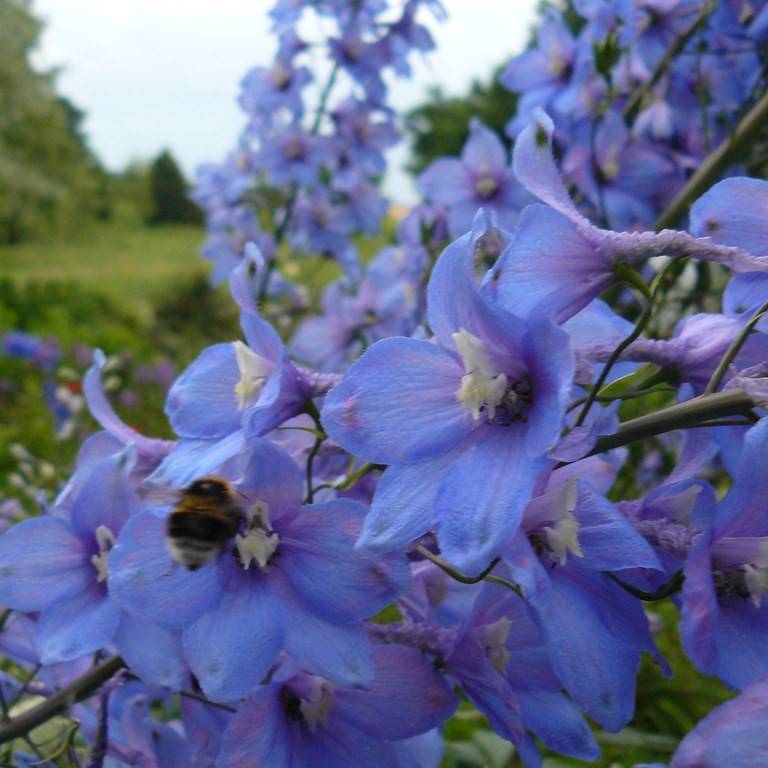
Delphinium Elatum: Care, Cultivars, Toxicity, and Growing Guide
Learn how to grow and care for Delphinium elatum, including sun, water, and soil needs, popular cultivars, and toxicity warnings for home gardeners.
2026-07-31 · 16 min read
Games for Plants: Plant-Focused Video Games and Real-World Activities for Plant Lovers
Explore games for plants, from cozy plant-themed video games to low-lift real-world activities you can do with your houseplants to boost their health and your joy.
2026-07-31 · 17 min read
Cayenne Pepper: Benefits, Side Effects, Uses & Growing Guide
Learn all about cayenne pepper, including its nutritional benefits, potential side effects, culinary uses, and tips for growing your own Capsicum annuum at home.
2026-07-30 · 11 min read