Bottle Gourd: Grow, Harvest, Cook, and Use This Versatile Ancient Crop
Learn how to grow, cook, and use bottle gourd, a fast-growing annual cucurbit with edible young fruit, hard mature shells, and long cultivation history.
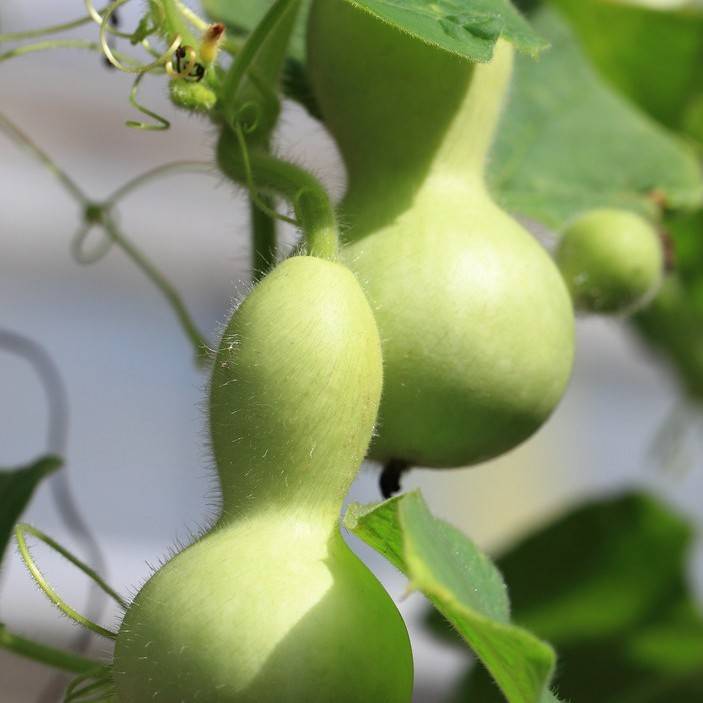
Bottle Gourd: Grow, Harvest, Cook, and Use This Versatile Ancient Crop
Bottle gourd is a fast-growing annual cucurbit vine cultivated for edible young fruit, hard mature shells for crafts and containers, and its long 9,000-year history of human use. It grows in warm, frost-free climates, works in both savory dishes and functional crafts, and is simple for home gardeners to grow with basic care.
What Is Bottle Gourd? (Lagenaria siceraria Botanical Overview)
Bottle gourd is a member of the Cucurbitaceae family, closely related to squash, cucumbers, and melons. Young fruits are soft and edible, while fully mature fruits develop a hard, waterproof shell ideal for crafts and containers. Vines can grow up to 30 feet long in a single growing season, producing white, night-blooming flowers before setting fruit.
Core identifying traits (leaf shape, flower type, fruit variation)
Bottle gourd leaves are large, broad, and heart-shaped with soft, fuzzy surfaces, and they grow alternately along the vine. Its flowers are bright white, 2–4 inches wide, and open exclusively at night, typically pollinated by moths rather than bees. Fruit shape varies widely by cultivar, from the classic elongated bottle shape to round, bulbous, or curved forms, with skin ranging from pale to deep light green when young.
Key difference between bottle gourd and similar species (wax gourd, pumpkin)
Bottle gourd is often confused with wax gourd and small pumpkin varieties, but distinct traits set them apart. Unlike bottle gourd, wax gourd develops a thick, waxy white coating on its skin as it matures, and remains fleshy rather than hardening into a woody shell. Pumpkins are part of the Cucurbita genus, produce bright yellow day-blooming flowers, and have much thicker, sweeter flesh even when young.
How to use the Sproutly app to confirm bottle gourd identification vs. lookalike cucurbits
If you are growing multiple cucurbit varieties and cannot tell young vines apart, upload a photo of the leaf, flower, or developing fruit to the Sproutly app. The tool will match your sample to its plant database, confirm if it is bottle gourd, and flag any lookalike species that may require different care. You can also save your Bottle Gourd entry to access tailored care guidance all season long.
Bottle Gourd Etymology and 9,000-Year Ancient History
The common name “bottle gourd” comes from the mature fruit’s traditional use as a water and food storage container. Archeological evidence confirms it was one of the first domesticated plant species, with cultivated remains found in Peru, Mexico, China, and Africa dating back to 7000 BCE. It is the only crop known to have been grown in both the Old and New Worlds prior to European colonization.
Origins of the alternate name “calabash”
The term “calabash” comes from the Spanish word calabaza, which refers to gourds or squashes more broadly. Today, it is used interchangeably with bottle gourd to describe both the living plant and the dried, hard shell of the mature fruit. The name is also occasionally used for unrelated plants with similar hard, useful fruits, but it most commonly refers to Lagenaria siceraria.
Early cultivation and trade routes across Central America, Asia, and Africa
Genetic studies suggest bottle gourd was first domesticated in Africa, then spread via ocean currents and human trade to Central America as early as 8000 BCE. By 5000 BCE, it was cultivated across East and South Asia, carried along early trade routes between the Middle East, India, and China. Its ability to hold water and stay intact for long sea voyages made it a valuable staple for early traveling communities, contributing to its widespread distribution before transatlantic trade began.
Traditional cultural uses across Indigenous communities globally
Across Indigenous cultures, bottle gourd served both practical and ceremonial purposes. Many Central American Indigenous groups used dried shells as bowls, cooking vessels, and ceremonial rattles for spiritual rituals. In parts of West Africa, carved and decorated gourds were used as musical instruments, storage for precious materials, and symbols of status. In China, bottle gourd was grown both for food and as a decorative good luck symbol, often hung in homes to ward off negative energy.
Bottle Gourd Growing Guide for Home Gardeners
Bottle gourd is a warm-season crop that requires 100–180 frost-free days to reach full maturity, and soil temperatures of at least 70°F for germination. It grows best in full sun (6+ hours of direct light per day) and well-drained, loamy soil with a pH between 6.0 and 6.8.
Step-by-step seed sowing and transplanting guidance
Sow bottle gourd seeds directly in the garden 1–2 weeks after your last average frost date, when soil temperatures have stabilized above 70°F. Plant seeds 1 inch deep, spaced 24–36 inches apart in rows 6–8 feet apart to accommodate sprawling vines. If you have a short growing season, start seeds indoors 4 weeks before your last frost date in biodegradable pots to avoid disturbing the sensitive root system during transplanting. Harden off seedlings for 3–4 days before planting them outside.
Watering schedule (1–2 inches of water per week, avoid wetting foliage)
Water bottle gourd vines deeply once or twice per week to provide 1–2 inches of water total, depending on rainfall. Focus water at the base of the vine, and avoid wetting foliage to reduce the risk of fungal disease. During extended periods of temperatures above 90°F, you may need to water more frequently to prevent soil from drying out completely.
Support structures (trellises, fences) to prevent fruit rot and save garden space
Bottle gourd vines grow aggressively, so a strong support structure is highly recommended to save garden space and prevent fruit from sitting on damp soil, where it is prone to rot. Use a 6–8 foot tall trellis, fence, or arbor, and tie vines loosely to the support with soft twine as they grow. For larger fruit varieties, use slings made from old cloth or pantyhose to support heavy fruits and prevent them from breaking off the vine prematurely.
Fertilizer recommendations (balanced 10-10-10 fertilizer at planting, side-dress with nitrogen every 4 weeks during growth)
Mix a balanced 10-10-10 granular fertilizer into the top 6 inches of soil at planting time, following package application rates. Once vines begin producing flowers, side-dress each plant with 1 tablespoon of high-nitrogen fertilizer every 4 weeks to support continued foliage and fruit growth. Avoid over-fertilizing with phosphorus, which can lead to excessive vine growth at the expense of fruit production.
How to use Sproutly to set custom watering and fertilizing reminders for your bottle gourd vines
Add your bottle gourd planting date to your Sproutly app profile, and the tool will generate custom watering and fertilizing reminders tailored to your local climate and rainfall patterns. You can also log rainfall amounts and soil moisture checks to adjust reminders as needed, and access guidance for seasonal care shifts as temperatures rise or fall throughout the growing season.
Common Bottle Gourd Pests, Diseases, and Troubleshooting
Bottle gourd is susceptible to the same pests and diseases as other cucurbits, including squash bugs, cucumber beetles, powdery mildew, and blossom end rot. Most issues can be prevented with proper spacing, consistent watering, and crop rotation.
Identifying and treating common pests (squash bugs, cucumber beetles, vine borers)
- Squash bugs: Flat, gray-brown bugs that cluster on the undersides of leaves, sucking sap and causing yellowing and wilting. Hand-pick adults and egg clusters, or apply insecticidal soap to heavy infestations.
- Cucumber beetles: Small, yellow-green beetles with black spots or stripes that spread bacterial wilt. Cover young vines with floating row covers until flowering begins to prevent infestations.
- Vine borers: White larvae that tunnel into the base of vines, causing sudden wilting and death. Slit the affected vine lengthwise to remove larvae, then cover the cut area with moist soil to encourage new root growth.
Preventing fungal diseases (powdery mildew, downy mildew)
Powdery mildew appears as a white, powdery coating on leaves, while downy mildew causes yellow spots on upper leaf surfaces and fuzzy gray growth on undersides. Prevent both by spacing plants to allow for good air circulation, watering at the base of vines, and applying a copper fungicide at the first sign of infection. Rotate bottle gourd plantings to a new spot each year, and avoid planting them where other cucurbits have grown in the past 3 years.
Fixing common growth issues (no flowers, fruit drop, misshapen fruit)
- No flowers: Excess nitrogen fertilizer or insufficient sunlight often causes vines to produce only foliage and no flowers. Reduce nitrogen applications and ensure vines get at least 6 hours of direct sun per day.
- Fruit drop: Young fruit may drop if pollination is insufficient, or if plants are stressed by drought or extreme temperatures. Hand-pollinate flowers by transferring pollen from male flowers (which grow on thin stems) to female flowers (which have a small immature fruit at the base) with a small paintbrush if pollinator activity is low in your area.
- Misshapen fruit: Uneven watering or incomplete pollination usually causes lumpy or curved fruit. Maintain consistent soil moisture, and hand-pollinate if needed to encourage uniform growth.
Companion plants to repel pests and boost yield (corn, beans, radishes, marigolds)
Plant bottle gourd alongside companion plants that repel pests and support growth:
- Corn provides a natural trellis for vines to climb, and its tall foliage shades soil to retain moisture.
- Beans fix nitrogen in the soil to feed gourd vines, and their dense foliage repels many cucumber beetles.
- Radishes planted near gourd vines repel squash bugs and vine borers, and can be harvested before gourd vines grow large enough to shade them out.
- Marigolds release compounds that repel nematodes and many common cucurbit pests, and attract pollinators to support fruit set. If you are planning a pollinator-friendly garden, you can also plant bottle gourd near flowering species like bottlebrush and closed gentian to draw more pollinators to your yard.
When and How to Harvest Bottle Gourd
Harvest young edible bottle gourd 50–70 days after planting, when fruits are 6–12 inches long, have smooth, light green skin, and give slightly when pressed. Mature gourds for crafts or containers are ready 100–180 days after planting, when skin turns tan and feels hard and woody, and vines begin to die back.
How to harvest edible young gourds without damaging vines
Use a sharp pair of pruning shears to cut young gourds from the vine, leaving 1–2 inches of stem attached to the fruit. Avoid pulling or twisting gourds off the vine, which can damage the vine and reduce future fruit production. Check vines every 2–3 days during peak harvest season, as young gourds grow quickly and can become overripe for eating in as little as 48 hours.
Curing process for mature hard-shell gourds (4–6 weeks in a dry, well-ventilated area)
After harvesting mature gourds, wash the skin with mild soapy water to remove dirt, then dry thoroughly. Place gourds in a dry, well-ventilated area out of direct sunlight, spaced 2–3 inches apart to allow air flow. Turn gourds once per week for 4–6 weeks, until the skin feels completely hard and you can hear seeds rattling inside when you shake the gourd. Sand off any remaining outer skin or mold spots with fine-grit sandpaper once curing is complete.
Signs your bottle gourd is overripe for eating
Bottle gourd is overripe for eating if the skin feels tough and does not give when pressed, or if the flesh feels fibrous when cut. Overripe gourds may also develop a bitter taste, which indicates the presence of toxic cucurbitacins. Discard any gourds that taste bitter, and reserve fully mature, hard gourds for crafting rather than eating.
Bottle Gourd Nutrition and Evidence-Based Health Benefits
Bottle gourd is 96% water, low in calories, and high in dietary fiber, vitamin C, vitamin B6, potassium, and manganese. It is commonly used in traditional medicine to support hydration, digestion, and blood sugar management, though always consult a healthcare provider before using it for medicinal purposes.
Full nutrition breakdown per 1-cup serving of raw bottle gourd
One 1-cup serving of raw, peeled bottle gourd contains:
- 14 calories
- 1 gram of protein
- 3 grams of carbohydrates
- 1 gram of dietary fiber
- 10.1 mg of vitamin C (11% of the daily value, DV)
- 0.1 mg of vitamin B6 (6% DV)
- 170 mg of potassium (4% DV)
- 0.1 mg of manganese (6% DV) It also contains small amounts of iron, magnesium, and folate.
Research-backed potential health benefits (hydration, digestive support, antioxidant content)
The high water content of bottle gourd makes it a hydrating food option, especially in hot climates. Its soluble fiber content supports regular digestion and may help reduce cholesterol levels when eaten as part of a balanced diet. It also contains small amounts of antioxidant compounds like flavonoids and carotenoids, which help reduce cellular damage from free radicals in the body.
How it compares nutritionally to other summer squashes
Bottle gourd is lower in calories and carbohydrates than most other summer squashes, including zucchini and yellow squash. It has a similar vitamin C content to zucchini, but slightly more potassium and dietary fiber per serving. Unlike summer squashes, which are usually eaten only when young, bottle gourd can be used for crafts once fully mature, making it a more versatile crop for home growers.
Bottle Gourd Toxicity and Safety Guidelines
Overripe or bitter-tasting bottle gourd contains toxic cucurbitacins, compounds that can cause nausea, vomiting, diarrhea, and severe gastrointestinal distress. Never consume bottle gourd that tastes bitter, and peel and cook young gourds before eating to reduce potential irritation.
How to identify bitter, unsafe bottle gourd before consumption
Always taste a small piece of raw bottle gourd flesh before cooking or eating it. If it tastes even slightly bitter, discard the entire gourd immediately, as cucurbitacins are heat-stable and will not break down during cooking. Bitter gourds may also have a pungent, unpleasant odor when cut open.
Safe serving sizes for adults and children
For adults, a safe serving size of cooked, non-bitter bottle gourd is 1–2 cups per day. For children under 12, limit servings to ½–1 cup per day, as their smaller digestive systems may be more sensitive to low levels of cucurbitacins even in non-bitter gourds.
Groups who should exercise caution when eating bottle gourd (pregnant people, those with gastrointestinal conditions)
Pregnant and breastfeeding people should consult a healthcare provider before adding bottle gourd to their diet, as there is limited research on its safety for these groups. People with chronic gastrointestinal conditions like irritable bowel syndrome (IBS) or inflammatory bowel disease (IBD) may also want to avoid eating raw bottle gourd, as its fiber content can trigger flare-ups in some people.
Culinary Uses for Bottle Gourd (Global Recipes)
Young bottle gourd has a mild, neutral flavor similar to zucchini, and absorbs seasonings well in stir-fries, curries, soups, and stews. It is a staple ingredient in cuisines across Central America, East Asia, South Asia, and Southeast Asia.
Prep tips (peeling, seeding, cutting methods)
Peel young bottle gourd with a vegetable peeler to remove the thin outer skin, then cut in half lengthwise and scoop out any soft, seedy core if the gourd is over 8 inches long. Cut the flesh into cubes, slices, or matchsticks depending on your recipe. For dishes that require softer texture, you can grate the peeled flesh and squeeze out excess water before cooking.
Popular regional dishes: Indian lauki ki sabzi, Chinese bottle gourd soup, Mexican calabaza en tacha, Filipino upo sinigang
- Lauki ki sabzi (India): Diced bottle gourd cooked with onions, tomatoes, ginger, and cumin, served with roti or rice. Some recipes also add lentils or chickpeas for extra protein.
- Bottle gourd soup (China): Sliced bottle gourd simmered in chicken or vegetable broth with ginger, garlic, and soft tofu, often finished with a dash of sesame oil and green onions.
- Calabaza en tacha (Mexico): Sliced bottle gourd cooked in a syrup made from piloncillo (unrefined cane sugar), cinnamon, and cloves, served as a sweet dessert.
- Upo sinigang (Philippines): Diced bottle gourd added to a sour tamarind broth with pork, shrimp, and leafy greens, served as a main course with rice.
How to freeze and store leftover cooked bottle gourd
Allow cooked bottle gourd to cool completely, then transfer to airtight freezer-safe containers or bags, leaving ½ inch of headspace to allow for expansion. Frozen cooked bottle gourd will keep for up to 3 months. Thaw in the refrigerator overnight before reheating, and add it to soups, stews, or curries. It will lose its crisp texture after freezing, so it is not recommended for use in stir-fries after thawing.
Non-Edible Uses for Mature Bottle Gourd
Once fully cured, hard-shell bottle gourds are waterproof, durable, and can be carved, painted, or drilled for dozens of functional and decorative uses. They have been used as containers, instruments, and craft items for thousands of years across cultures.
Functional uses: water bottles, food storage containers, birdhouses, planters
Cured bottle gourds make excellent food and water containers, as their hard shell is naturally waterproof and insulating. To make a water bottle, drill a hole in the top of the gourd just large enough for a cork or reusable bottle cap, and clean the inside thoroughly with warm soapy water. For birdhouses, drill a 1–2 inch entrance hole near the top of the gourd, add a small perch below the hole, and hang it from a tree branch at least 5 feet off the ground. Smaller gourds can be drilled with drainage holes and used as planters for succulents or small houseplants.
Decorative and craft uses: carved ornaments, lamps, musical instruments (maracas, drums)
Cured gourds can be carved with intricate designs, painted, or wood-burned for decorative ornaments or wall hangings. To make a lamp, drill a hole in the bottom of the gourd for a light cord, and cut a larger opening in the top for a bulb and shade. For maracas, fill a small, round gourd with dry rice or beans, seal the opening with wood glue and a cork, and add a wooden handle for grip. Larger, wider gourds can be hollowed out and stretched with animal hide to make hand drums.
Step-by-step basic gourd crafting guide for beginners
- Start with a fully cured, dry bottle gourd. Sand the outer surface with fine-grit sandpaper to remove any remaining skin or mold spots, then wipe clean with a damp cloth.
- Sketch your design on the gourd with a pencil, or use stencils for more precise patterns.
- Carve or wood-burn your design into the gourd surface, working slowly to avoid cracking the shell.
- Seal the gourd with a clear acrylic sealant to protect the surface from moisture and damage, applying 2–3 thin coats and allowing each coat to dry completely before adding the next.
- Add any additional hardware (handles, cords, hinges) as needed for your project.
Frequently Asked Questions
Is bottle gourd the same as calabash?
Yes, calabash is a common alternate name for bottle gourd (Lagenaria siceraria). The term can also refer to the hard, dried shell of the mature fruit used for containers and crafts.
How long does it take to grow bottle gourd from seed?
Edible young bottle gourd is ready to harvest 50–70 days after planting seeds. Mature hard-shell gourds for crafts take 100–180 frost-free days to fully ripen and cure.
Can you eat raw bottle gourd?
Raw bottle gourd is edible only if it is young, fully ripe, and has no bitter taste. Most people prefer to cook it to soften the texture and reduce the risk of irritation from low levels of cucurbitacins.
What’s the difference between bottle gourd and wax gourd?
Bottle gourd (Lagenaria siceraria) has light green, smooth skin when young and a hard tan shell when mature. Wax gourd (Benincasa hispida) has a waxy, pale green coating when mature, and remains fleshy rather than developing a hard, woody shell.
Why is my bottle gourd bitter?
Bitter bottle gourd contains toxic cucurbitacins, which develop due to stress during growth (extreme temperatures, drought, or cross-pollination with wild cucurbits). Discard any bitter-tasting bottle gourd immediately, as it can cause severe gastrointestinal illness.
Try Sproutly
Whether you are growing bottle gourd for the first time or troubleshooting an existing vine, Sproutly makes plant care simple. Upload photos of your vines to confirm identification, set custom watering and fertilizing reminders, and get instant solutions for pests, diseases, and growth issues. To get started, visit heysproutly.com today.
Lectures associées
D'autres guides qui pourraient vous plaire
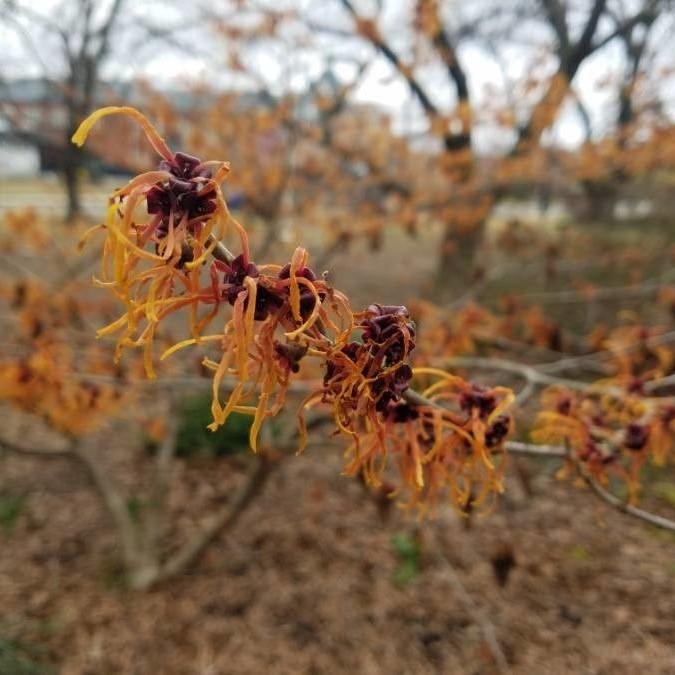
Hamamelis Mollis (Chinese Witch Hazel): Complete Grow & Care Guide
Learn to grow, care for, and enjoy Hamamelis mollis (Chinese witch hazel), a fragrant winter-blooming shrub with vibrant autumn foliage for temperate gardens.
2026-07-26 · 12 min read
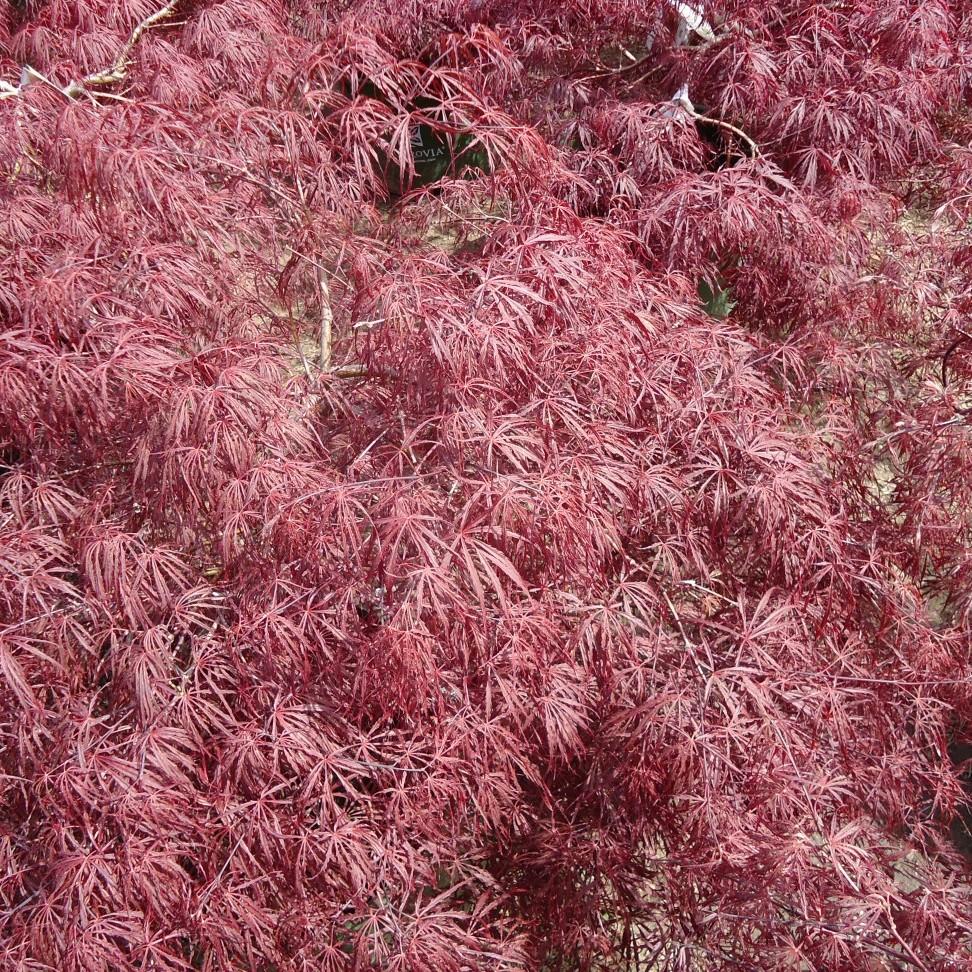
Japanese Maple Plant Description: Key Details for Iijima Sunago, Select Red, and Popular Cultivars
Get clear, beginner-friendly descriptions of Japanese maple trees, including specific details for Iijima Sunago and Select Red cultivars, plus care and pruning tips.
2026-07-26 · 8 min read
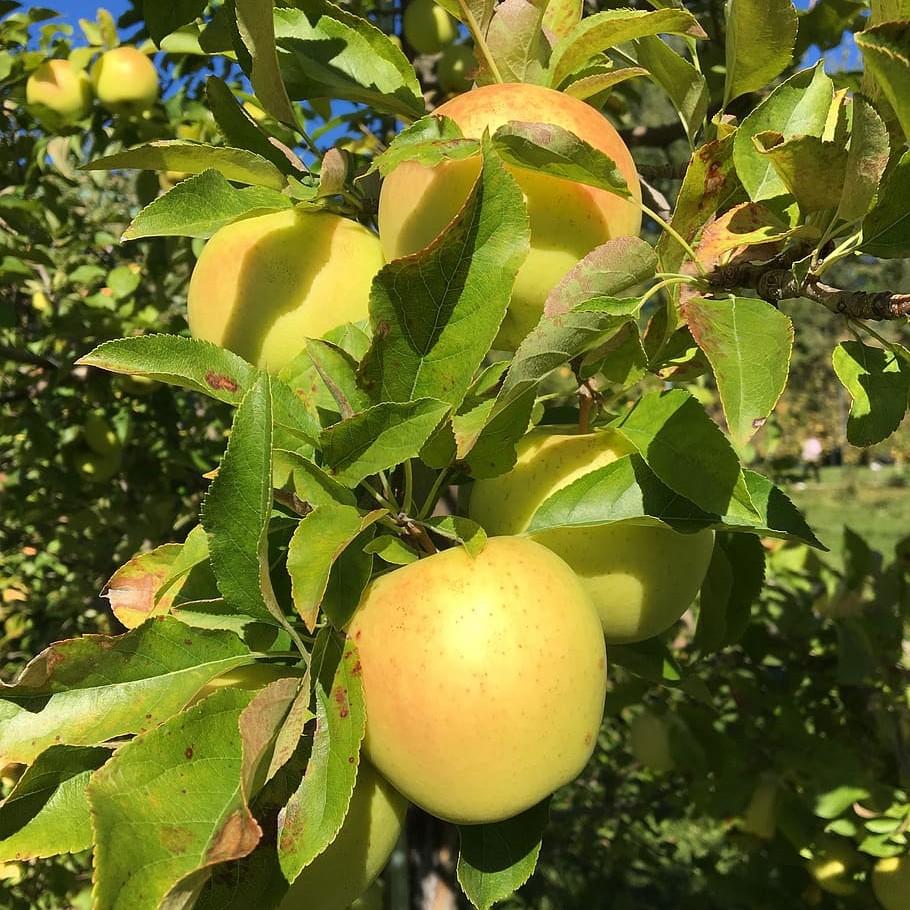
Flowering Crabapple: Grow Guide, Cultivars, and Landscape Uses
Learn to grow and care for flowering crabapple trees, with tips on cultivar selection, bloom care, disease resistance, and using their edible fruit and seasonal foliage.
2026-07-25 · 11 min read