Hibiscus China Rose: Identification, Care, Uses, and Growing Guide
Learn how to identify, grow, and care for hibiscus china rose (Hibiscus rosa-sinensis), plus its edible and traditional medicine uses for home gardeners.
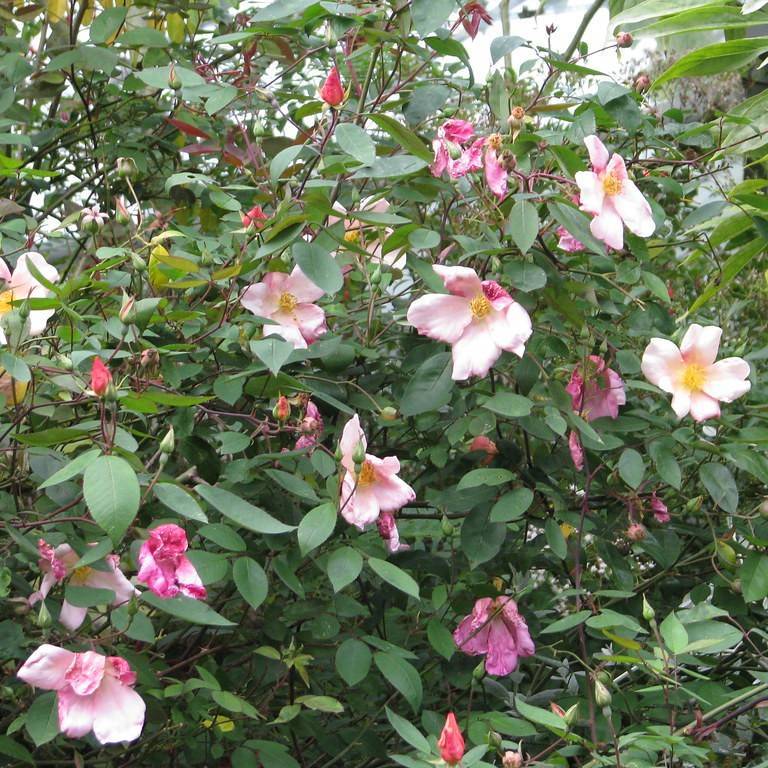
Hibiscus china rose (Hibiscus rosa-sinensis) is a tropical evergreen shrub in the Malvaceae family, grown for its large, showy blooms and edible petals. It thrives in warm, sunny conditions, and can be grown outdoors in USDA zones 9 to 11 or as a houseplant in cooler regions.
What Is Hibiscus China Rose? (Key Botanical Background)
Hibiscus china rose, or Hibiscus rosa-sinensis, is a tropical flowering shrub that produces 4 to 8 inch wide blooms in shades of red, pink, orange, yellow, or white year-round in warm climates. It is not related to true roses, and is part of the Malvaceae plant family, which also includes hollyhocks and cotton.
Official Taxonomy and Classification
- Genus: Hibiscus
- Species: rosa-sinensis
- Common alternative names: Chinese hibiscus, shoe flower, Hawaiian hibiscus
This specific classification distinguishes it from hundreds of other hibiscus species, from hardy perennials to tropical ornamentals. For a full breakdown of its native range and cultivar variations, see the official hibiscus china rose plant profile.
Core Physical Traits to Identify the Plant
- Glossy, dark green oval leaves with serrated edges, 3 to 6 inches long
- Upright, multi-stemmed growth habit reaching 4 to 10 feet tall at maturity
- Single or double blooms with a prominent central stamen column, lasting 1 to 3 days each
The glossy, serrated leaves are a reliable identification marker, even when the plant is not in bloom. Unlike many other hibiscus species, it retains its foliage year-round in suitable climates.
Origin and Natural Habitat of Hibiscus China Rose
Hibiscus china rose is native to tropical regions of southern China, with documented cultivation dating back more than 2,000 years in East and Southeast Asia. It has since naturalized in tropical and subtropical regions around the world, including Hawaii, the Caribbean, and parts of Central America.
Its long cultivation history has led to hundreds of named cultivars, with variations in bloom size, petal count, and color ranging from solid red to bicolored orange and white patterns. Many traditional cultivars have been preserved in home gardens across its native range for both ornamental and medicinal use.
Preferred Wild Growing Conditions
- Average temperatures between 60°F and 90°F year-round
- Well-draining, slightly acidic soil with a pH of 6.0 to 6.5
- Full sun exposure for 6 to 8 hours per day
In its native range, it grows in open, sunny areas with loose, loamy soil that does not hold standing water after heavy rain. It does not tolerate prolonged exposure to temperatures below 50°F, which limits its wild range to frost-free regions.
Ideal Growing Conditions for Hibiscus China Rose
Hibiscus china rose thrives in consistent warmth, full sun, and well-draining soil, and can be grown outdoors year-round in USDA hardiness zones 9 through 11, or as a container houseplant in cooler regions. Matching its native tropical conditions will yield the heaviest blooming and healthiest foliage, though it can adapt to slightly less ideal conditions with minor care adjustments.
Light Requirements
- 6 to 8 hours of direct sun daily for maximum blooming; in extreme summer heat above 95°F, provide afternoon shade to prevent leaf scorch
- Indoor container plants need a south or west-facing window, or supplemental grow lights for 10 to 12 hours per day in winter when natural light is limited
Insufficient light is the most common reason for failure to bloom, even if the plant otherwise appears healthy. If your plant is producing lots of green foliage but no flowers, move it to a sunnier location first.
Soil and Potting Needs
- Use a loose, peat-free potting mix with perlite or coarse sand to improve drainage, with a pH between 6.0 and 6.5
- Avoid heavy, clay soils that hold excess moisture, which can cause root rot in as little as 48 hours of saturated conditions
- For outdoor planting, amend heavy soil with 3 to 4 inches of compost and coarse sand to improve drainage before planting
Container-grown plants should be repotted every 2 to 3 years in spring, or when roots start growing out of the drainage holes. Choose a pot only 1 to 2 inches larger than the current root ball to avoid excess soil that holds unnecessary moisture.
Temperature and Humidity Needs
- Keep plants above 50°F at all times; temperatures below 32°F will kill the plant quickly, and prolonged exposure to temperatures between 32°F and 50°F can cause leaf drop and stunted growth
- Prefers 50% to 70% humidity; mist leaves regularly or place a tray of pebbles and water under indoor plants to raise humidity, especially during dry winter heating seasons
If you live in a region with cold winters, move outdoor container plants indoors before the first frost, and place them in a sunny location away from cold drafts from windows or heating vents.
Step-by-Step Care Routine for Hibiscus China Rose
Consistent, moderate watering and regular light fertilizing will keep hibiscus china rose blooming heavily year-round, with minimal pruning required to maintain shape. Overcare, particularly overwatering and overfertilizing, is a more common issue than neglect for this species, so stick to a predictable routine rather than adjusting care too frequently, as sudden changes can trigger stress like bud drop.
Watering Schedule
- Water outdoor plants once every 2 to 3 days in hot, dry weather above 85°F, and once every 7 to 10 days in cooler, cloudy conditions
- Water indoor container plants when the top 1 to 2 inches of soil feel dry to the touch, usually every 4 to 5 days in summer, every 10 to 14 days in winter when growth slows
- Always empty excess water from drainage trays within 30 minutes of watering to prevent root rot
If the leaves start to wilt slightly and the soil is dry, water immediately. If leaves wilt and the soil is wet, stop watering and check for root rot, as this is a common sign of overwatering.
Fertilizing Guidelines
- Feed with a balanced, water-soluble fertilizer (10-10-10 or 20-20-20) once every 2 weeks during the growing season (spring through fall), diluted to half the recommended strength to avoid fertilizer burn
- Stop fertilizing entirely in winter, when growth slows, to prevent salt buildup in the soil that can damage roots
- Avoid high-nitrogen fertilizers, which promote leaf growth at the expense of blooms
If you notice white crust buildup on the top of the soil, flush the pot with 3 times the pot volume of water to remove excess fertilizer salts, then resume fertilizing at a lower frequency.
Pruning Tips
- Prune back up to 1/3 of the plant’s growth in late winter or early spring, before new growth emerges, to encourage bushier growth and more blooms
- Remove spent blooms regularly to promote continuous flowering, as leaving spent blooms on the plant can trigger seed production that reduces new bloom output
- Trim off any yellow or damaged leaves as needed to improve air circulation and reduce pest risk
If you notice discolored leaves or stunted growth, upload a photo of your plant to Sproutly for a personalized care adjustment recommendation.
Common Pests and Problems Affecting Hibiscus China Rose
Hibiscus china rose is most often affected by sap-sucking pests, overwatering, and temperature stress, all of which can be resolved quickly if caught early. Regular inspection of the undersides of leaves and new growth will help you catch issues before they spread to the entire plant, and you can use Sproutly to diagnose unclear issues fast.
Most Common Pests
- Aphids: Small green or black insects that cluster on new growth and undersides of leaves, feeding on sap and causing distorted growth; spray off with a strong stream of water or treat with neem oil applied every 3 days for 2 weeks
- Whiteflies: Tiny white flying insects that leave sticky honeydew on leaves, which can lead to sooty mold growth; use yellow sticky traps to catch adults, or apply insecticidal soap to the undersides of leaves every 5 days for 3 weeks
- Spider mites: Microscopic pests that cause fine webbing on leaves and yellow stippling, most common in dry, low-humidity conditions; increase humidity around the plant and treat with horticultural oil applied every 7 days for 3 weeks
Severe infestations may require pruning of heavily damaged stems to prevent spread to healthy parts of the plant. If you are unsure which pest is affecting your plant, use Sproutly to identify the pest and get a targeted treatment plan.
Common Cultural Problems
- Yellow leaves: Usually caused by overwatering, cold drafts, or nutrient deficiency; check soil moisture first and adjust watering schedule as needed, then test soil pH if the issue persists
- Bud drop: Often triggered by sudden temperature changes, underwatering, or low light; keep plants in a consistent location away from heating or cooling vents, and avoid moving them frequently during bloom season
- No blooms: Caused by insufficient light, over-fertilizing with high-nitrogen formulas, or pruning too late in the growing season; move the plant to a sunnier location, adjust fertilizing routine, and ensure pruning is done only in late winter before new growth starts
Most cultural issues resolve within 2 to 4 weeks of adjusting care, as the plant produces new, healthy growth.
Edible and Traditional Uses for Hibiscus China Rose
Hibiscus china rose has edible flowers and leaves, and has been used in traditional East Asian medicine for centuries to support digestive and cardiovascular health. Only use flowers grown without synthetic pesticides for consumption, and avoid any flowers that have been treated with systemic insecticides, which can remain in the plant tissue for months.
Edible Uses
- Fresh petals have a mild, tart flavor similar to cranberry, and can be added to salads, smoothies, or used as a garnish for cocktails and desserts
- Dried petals can be steeped to make hibiscus tea, either on their own or blended with other herbs like mint or ginger for added flavor
- Always remove the central stamen and green calyx before eating, as these parts can be bitter and may cause mild stomach upset in some people
The petals can also be candied or used to make jams and jellies, as their natural pectin content helps thicken preserves without added additives.
Traditional Medicine Applications
- In traditional Chinese medicine, hibiscus china rose extracts are used to reduce inflammation, lower blood pressure, and soothe coughs caused by dry throat or seasonal allergies
- Topical pastes made from crushed leaves have been used to treat minor cuts, burns, and skin irritations, as the leaves have mild antimicrobial properties
- Note: Consult a healthcare provider before using any plant material for medicinal purposes, especially if you take prescription medications for blood pressure or blood sugar management.
Preliminary research supports some of these traditional uses, including the ability of hibiscus extracts to lower mild high blood pressure, though more human trials are needed to confirm efficacy and safe dosing.
How to Propagate Hibiscus China Rose
Hibiscus china rose is easiest to propagate from softwood cuttings taken in spring or early summer, with a 70 to 80% success rate when kept in warm, humid conditions. Propagation from seed is possible, but most named cultivars do not grow true to seed, so cuttings are the preferred method to preserve bloom color and plant traits.
Step-by-Step Propagation Guide
- Cut a 4 to 6 inch section of new, green growth from the tip of a healthy stem, just below a leaf node, using clean, sharp pruning shears
- Remove all leaves from the bottom 2 inches of the cutting, leaving 2 to 3 healthy leaves at the top to support photosynthesis
- Dip the cut end in rooting hormone (optional, but can speed root development by 1 to 2 weeks)
- Plant the cutting in a small pot filled with moist, well-draining potting mix, and cover with a clear plastic bag to maintain 70% to 80% humidity around the cutting
- Place in bright, indirect light, and keep soil consistently moist but not saturated; roots will form in 4 to 6 weeks
- Once new growth appears at the tip of the cutting, remove the plastic bag and care for the new plant as you would a mature hibiscus china rose
Avoid placing cuttings in direct sun while they are rooting, as excess heat can cause the leaves to wilt and the cutting to die before roots form.
Hibiscus China Rose vs. Similar Plants: How to Tell Them Apart
Many plants share the "China rose" or hibiscus common name, but have very different care requirements and traits. Use these quick checks to avoid misidentifying your plant, or scan a leaf or bloom with the Sproutly app for an instant, accurate ID to ensure you follow the right care routine for your specific plant.
Misidentification is a common cause of care failure, as hardy hibiscus species have very different cold tolerance and water needs compared to this tropical variety.
Hibiscus China Rose vs. Common Rose Mallow (Hibiscus moscheutos)
Common rose mallow is a hardy North American perennial that dies back to the ground in winter, while hibiscus china rose is a tropical evergreen shrub. Rose mallow blooms are often larger, up to 12 inches wide, and thrive in wetter soil conditions.
If your plant dies back completely in fall and regrows from the roots in spring, it is almost certainly common rose mallow, not hibiscus china rose. Common rose mallow also tolerates USDA zones 4 through 9, far colder than the tropical variety.
Hibiscus China Rose vs. Chinese Neillia (Neillia sinensis)
Chinese Neillia is a deciduous shrub in the true rose family (Rosaceae), with small, delicate pink spring blooms, unlike the large, year-round tropical blooms of hibiscus china rose. Chinese Neillia tolerates partial shade, while hibiscus china rose requires full sun to bloom consistently.
Chinese Neillia’s small, clustered flowers and dull, non-glossy leaves make it easy to distinguish from hibiscus china rose even at a distance. It is also far more cold-tolerant, growing well in USDA zones 5 through 8.
FAQ: Hibiscus China Rose Common Questions
Is hibiscus china rose the same as Chinese hibiscus?
Yes, hibiscus china rose is the common name for Hibiscus rosa-sinensis, which is also frequently called Chinese hibiscus, shoe flower, or tropical hibiscus.
Can you eat hibiscus china rose flowers?
Yes, the petals of hibiscus china rose are edible, with a mild tart flavor similar to cranberry. They can be used fresh in salads, steeped for tea, or used as a garnish, as long as they have not been treated with synthetic pesticides.
How big does a hibiscus china rose plant get?
Mature hibiscus china rose shrubs grow 4 to 10 feet tall and 3 to 6 feet wide when planted outdoors in ideal conditions. Container-grown indoor plants usually stay 2 to 5 feet tall, depending on pot size and pruning.
Can hibiscus china rose grow indoors?
Yes, hibiscus china rose grows well as a houseplant if placed in a south or west-facing window that gets 6 to 8 hours of direct sun per day, and kept in temperatures above 50°F year-round.
How often does hibiscus china rose bloom?
In warm, sunny conditions, hibiscus china rose blooms continuously from spring through fall, and may bloom year-round in tropical climates or indoor settings with consistent light and warmth. Individual flowers last 1 to 3 days, but new blooms open daily during active growth.
Troubleshoot Hibiscus China Rose Issues With Sproutly
Whether you are trying to confirm a plant ID, diagnose a pest infestation, or adjust your care routine to encourage more blooms, Sproutly can help. The app lets you scan a leaf or bloom for instant, accurate identification, and provides personalized care recommendations tailored to your specific growing conditions.
Try Sproutly today to keep your hibiscus china rose thriving all year long.
Lecturas relacionadas
Más guías que podrían interesarte
Delphinium Elatum: Care, Cultivars, Toxicity, and Growing Guide
Learn how to grow and care for Delphinium elatum, including sun, water, and soil needs, popular cultivars, and toxicity warnings for home gardeners.
2026-07-31 · 16 min read
Games for Plants: Plant-Focused Video Games and Real-World Activities for Plant Lovers
Explore games for plants, from cozy plant-themed video games to low-lift real-world activities you can do with your houseplants to boost their health and your joy.
2026-07-31 · 17 min read
Cayenne Pepper: Benefits, Side Effects, Uses & Growing Guide
Learn all about cayenne pepper, including its nutritional benefits, potential side effects, culinary uses, and tips for growing your own Capsicum annuum at home.
2026-07-30 · 11 min read