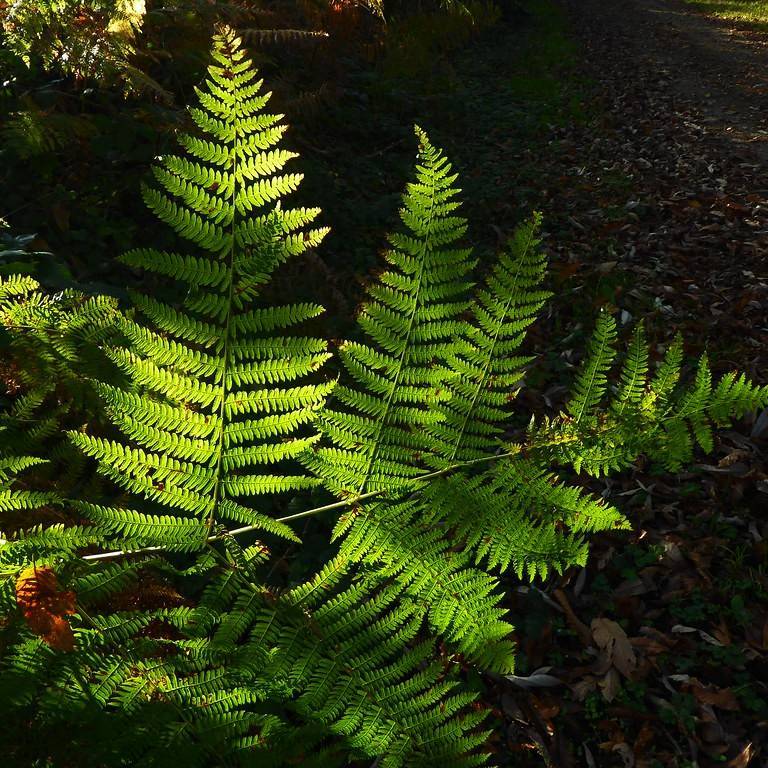
Bracken
Pteridium aquilinum
Overview
Bracken is one of the most common fern species worldwide, recognizable by its broad, lacy, triangular fronds that unfurl from fuzzy, coiled fiddleheads in spring. It spreads aggressively via deep, creeping rhizomes, often forming dense, single-species stands that can outcompete native understory vegetation. Its fronds turn a warm golden-brown in autumn before dying back completely in winter, leaving dormant rhizomes alive beneath the soil surface.
Care Guide
Watering
Bracken prefers consistently moist, well-drained soil, tolerating short periods of drought once established but thriving with regular watering during prolonged dry spells. Avoid waterlogged conditions, as this can cause rhizome rot, especially in poorly aerated heavy soils. In garden settings, water deeply once per week during the growing season, reducing frequency in cool, wet weather.
Light
This versatile fern grows best in partial dappled shade, but tolerates full sun if soil moisture is consistently high, as well as deep shade though frond growth may be sparser. In hotter subtropical climates, provide protection from intense midday sun to prevent frond scorching and keep foliage looking lush. It adapts well to varying light conditions, making it suitable for a range of landscape positions from woodland edges to open meadows.
Soil
Bracken thrives in acidic, sandy or loamy soil with a pH between 4.5 and 6.5, though it can tolerate mildly alkaline conditions in some regions. It prefers soil rich in organic matter, but is highly adaptable to poor, low-nutrient soils where many other plants struggle to survive. Heavy clay soils are only suitable if amended with compost or leaf mold to improve drainage and aeration.
Fertilizer
Bracken rarely requires supplemental fertilization, as it is adapted to grow in low-nutrient soils, and excessive nutrients can encourage overly aggressive spread. If grown in extremely poor, sandy soil, a light application of balanced, slow-release fertilizer in early spring can support healthy frond development without promoting invasive growth. Avoid high-nitrogen fertilizers, as these can stimulate excessive rhizome spread that is difficult to control.
Temperature
This hardy fern thrives in temperatures between 55-75°F (13-24°C) during its active growing season, and is winter hardy in USDA zones 3 through 11. It tolerates freezing winter temperatures down to -40°F (-40°C), as above-ground fronds die back completely and rhizomes remain insulated beneath the soil surface. In extremely hot, arid climates, supplemental watering and partial shade are required to prevent heat stress and frond desiccation.
Pruning
Prune back dead, brown fronds in late winter or early spring before new fiddleheads emerge to keep the planting area tidy and reduce habitat for overwintering pests. To control its aggressive spread, install a root barrier 12-18 inches deep around planting areas to prevent rhizomes from spreading into adjacent garden beds or natural areas. Remove unwanted fronds and dig out encroaching rhizomes regularly to prevent bracken from forming dense, monoculture stands.
Propagation
Bracken is most easily propagated by dividing established rhizomes in early spring before new growth begins, cutting rhizome sections with at least one visible growing bud and planting them 2-3 inches deep in prepared soil. Spores can also be collected from mature fronds in late summer, sown on moist, sterile acidic potting mix, and kept in shaded, humid conditions, though this method is much slower than rhizome division. Take care when propagating to avoid introducing bracken to areas where it is classified as an invasive species, as it can be extremely difficult to eradicate once established.
Humidity
Bracken prefers moderate humidity levels between 40-60%, but tolerates drier air than many other fern species, especially when grown in partial shade and sufficiently moist soil. In very arid climates, occasional misting or planting near water features can boost humidity and prevent frond edges from turning brown. It does not require high humidity to thrive, making it more adaptable to dry outdoor conditions than tropical fern species.
Repotting
Bracken is rarely grown in containers, as its extensive, creeping rhizome system requires ample space to spread, but if potted, use a wide, deep container with drainage holes filled with acidic, well-drained potting mix. Repot every 2-3 years in early spring before new growth emerges, trimming back overgrown rhizomes to fit the container and replacing old potting mix to refresh nutrient levels. Container growth helps restrict its aggressive spread, making it a more manageable option for gardeners concerned about it becoming invasive in natural areas.
Uses & Symbolism
Historically, bracken fiddleheads were foraged and thoroughly cooked to neutralize toxic compounds for consumption in some regional cuisines, though consumption is now widely discouraged due to associated cancer risks. Its tough, dried fronds have been used for thatching roofing, animal bedding, and tanning leather in traditional cultures across its native range. In landscape settings, it is occasionally used as a groundcover for large, shaded, acidic areas where other plants struggle to grow, though its invasive potential requires strict containment.
Diseases & Pests
Bracken is relatively resistant to most pests and diseases, though it may occasionally be affected by fern aphids, scale insects, and spider mites that feed on frond sap, causing yellowing or stunted growth. Fungal pathogens including rust and leaf spot can develop in overly humid, poorly ventilated conditions, leading to brown spots or lesions on fronds. Its dense, persistent stands can also host tick populations and livestock parasites, increasing pest risks for nearby animals and humans.
Related plants
Other plants you might like if you grow Bracken.
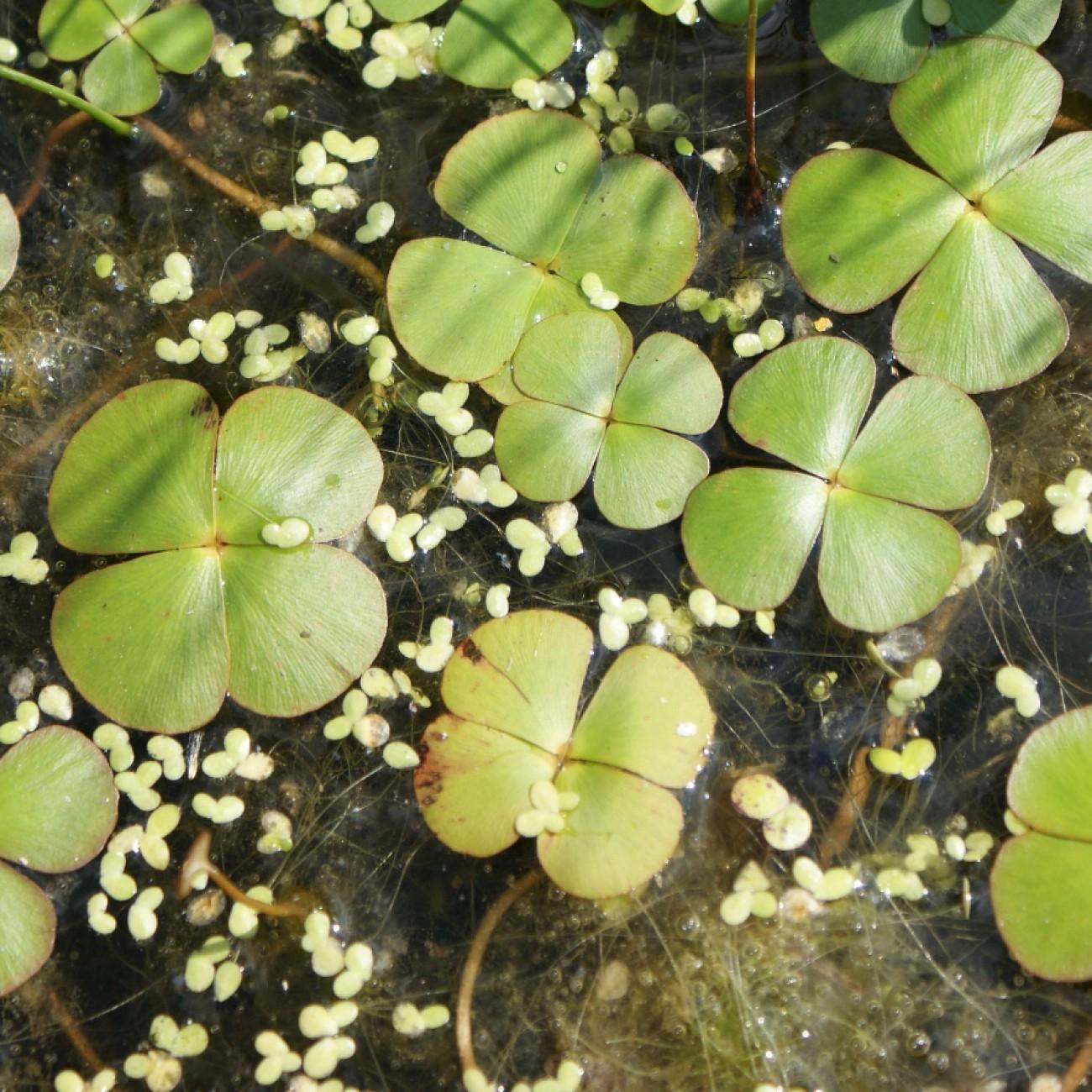
European Water Clover
Marsilea quadrifolia
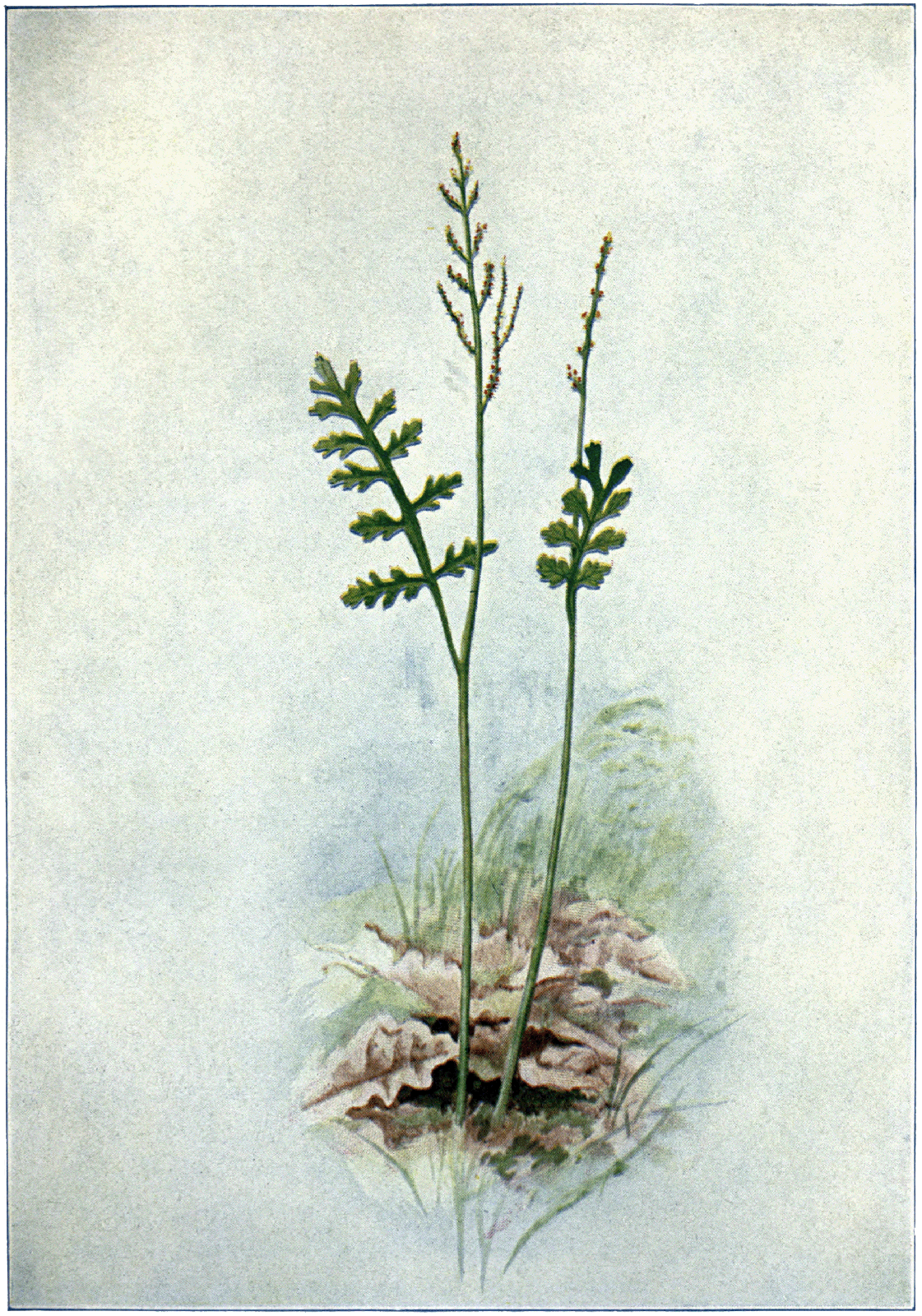
Chamomile Grape Fern
Botrychium matricariifolium
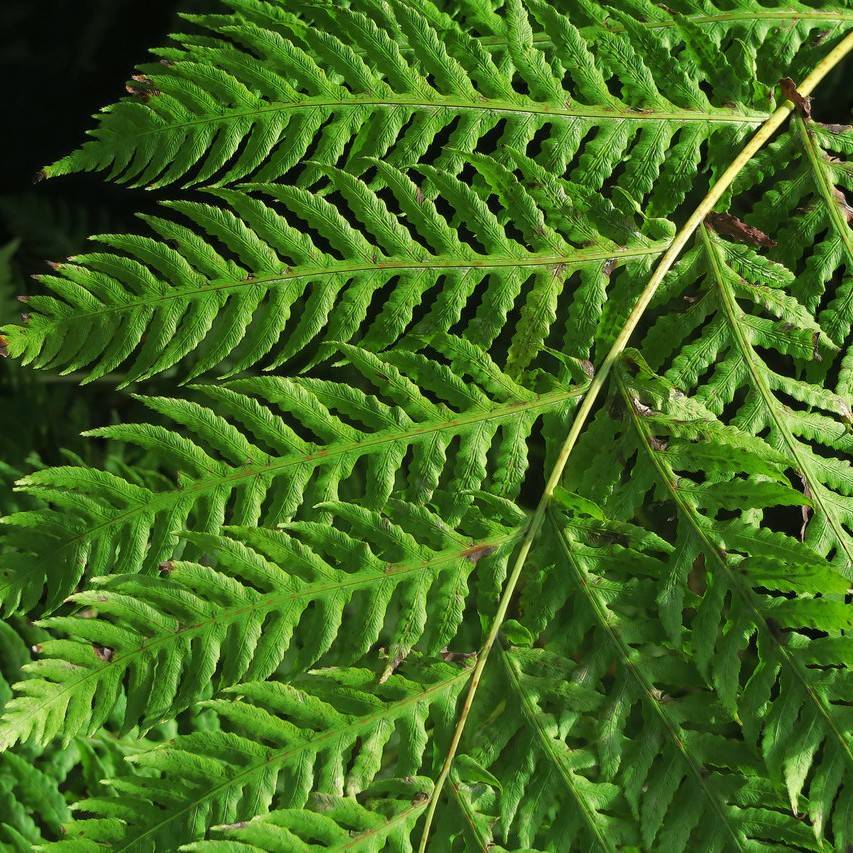
Giant Chain Fern
Woodwardia fimbriata
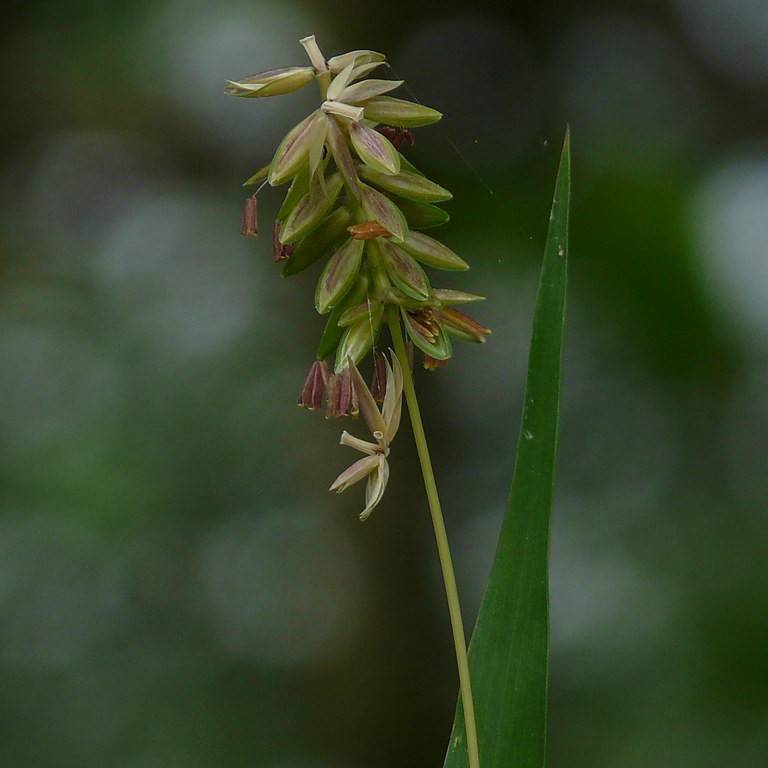
American beakgrain
Diarrhena americana
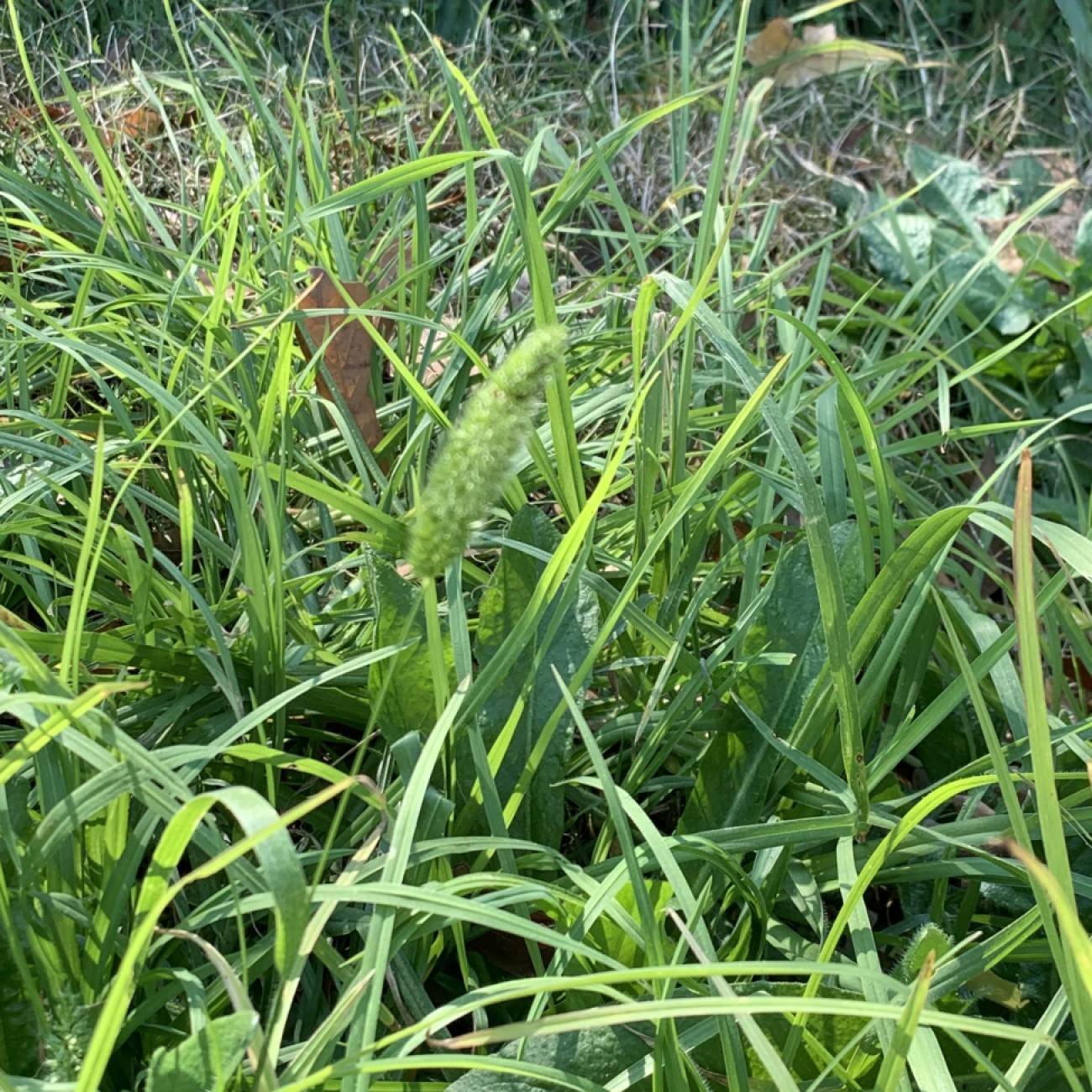
American beakgrain
Diarrhena obovata
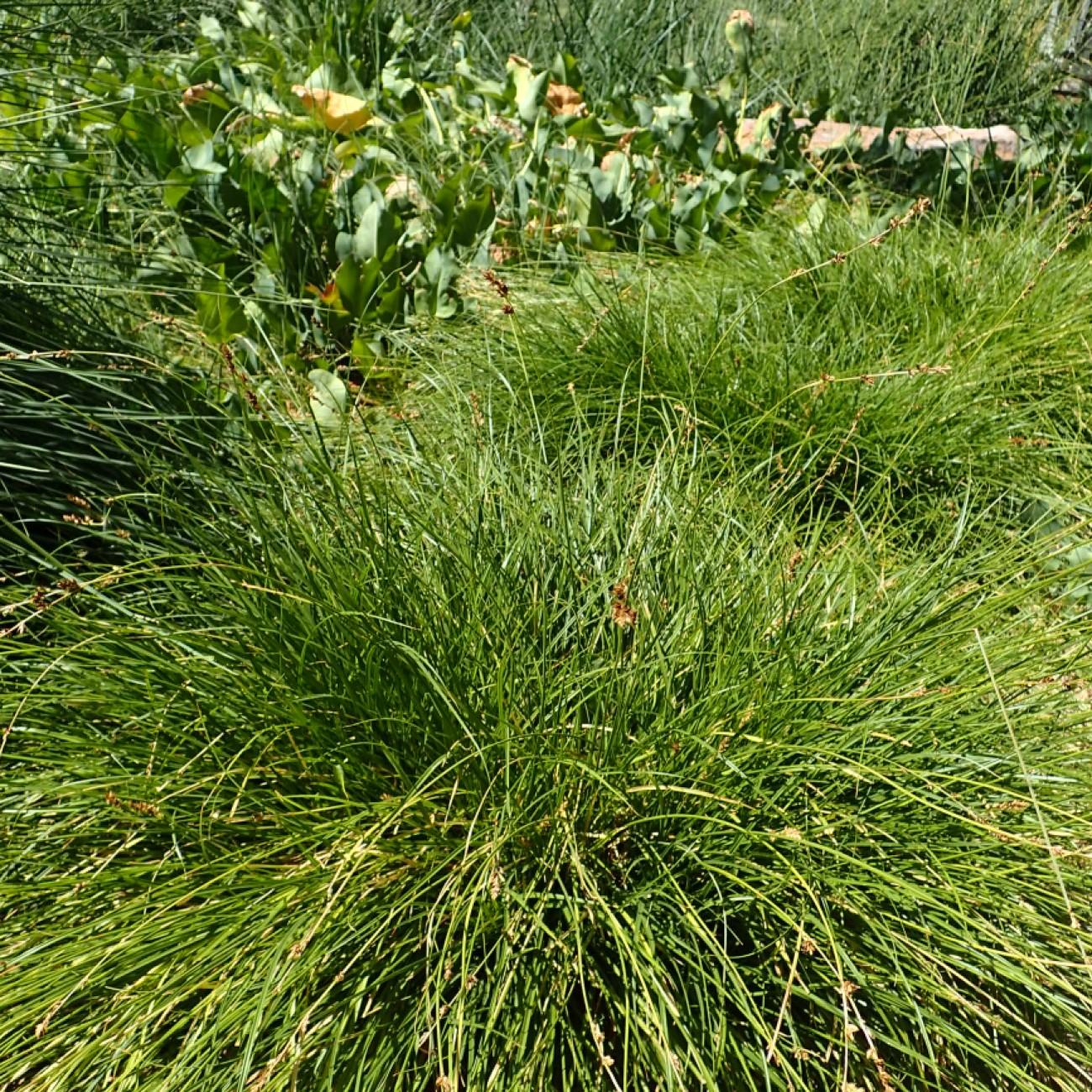
Berkeley sedge
Carex tumulicola
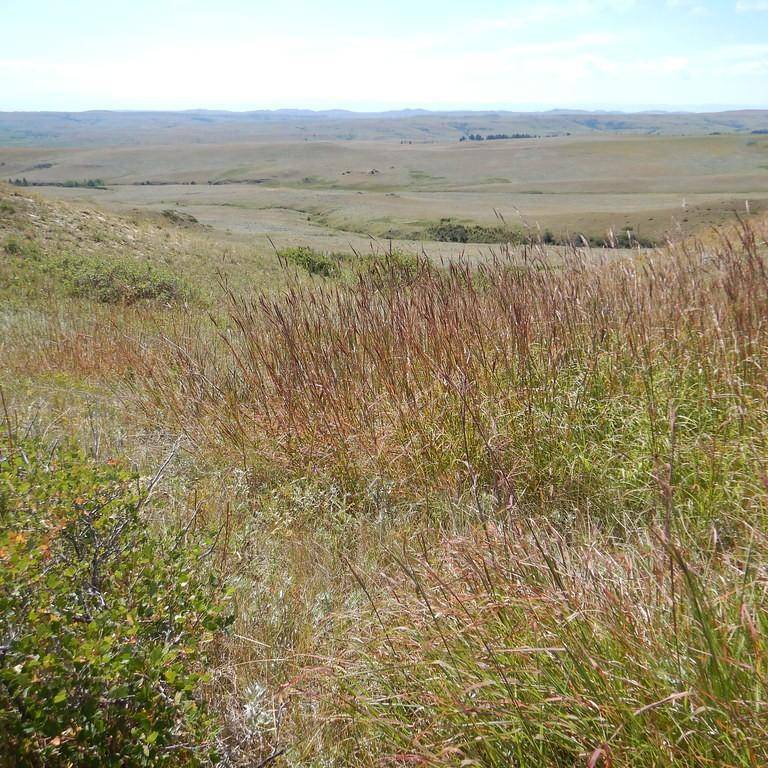
big blue stem
Andropogon gerardii
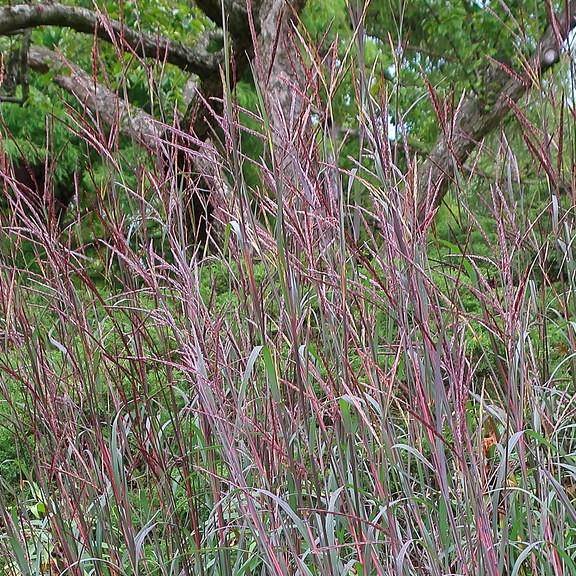
big blue stem
Andropogon gerardii 'Blackhawks'