Wild Flower Names: 8 Common, Distinct Species to Identify and Grow
Learn common wild flower names, key identifying traits, and growing tips for popular native and ornamental species perfect for pollinator gardens and low-maintenance landscapes.
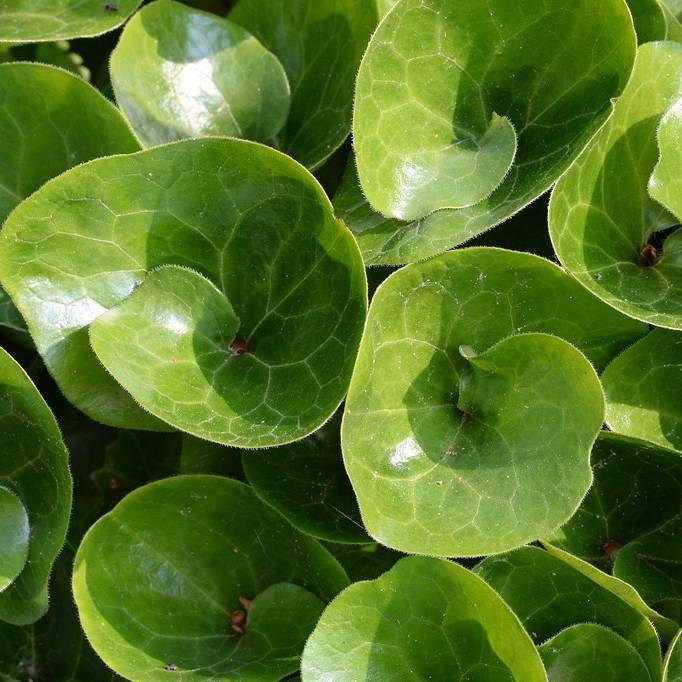
The most common wild flower names for residential gardens include species like coneflower, wild indigo, fireweed, and chocolate cosmos, each with distinct visual traits that make them easy to identify in meadows, nurseries, or natural spaces. All species listed here support local pollinators and have low-maintenance growing requirements suitable for beginner gardeners.
Common Wild Flower Names: Quick Identifying Traits for 8 Popular Species
Each wild flower entry includes its common name, scientific name, and 1-2 unmissable visual traits to help you spot it in meadows, native gardens, or nursery displays. All species listed work well for residential wildflower plantings and support local pollinators.
Hybrid Fireweed (Chamerion angustifolium 'Album' or interspecific Chamerion hybrids)
- Identifying traits: Tall, upright spires of small, clustered blooms in white, pink, or magenta that reach 3-6 feet tall, with narrow, lance-shaped green leaves arranged alternately along the stem.
- Growing notes: Perennial hardy to USDA zones 3-9, thrives in full sun to partial shade, and tolerates poor, rocky soil.
- Learn more about Hybrid Fireweed
Largeleaf Wild Indigo (Baptisia macrophylla)
- Identifying traits: Spikes of creamy white spring blooms that rise above large, rounded blue-green foliage, with a shrubby, clumping growth habit that reaches 2-4 feet tall and wide.
- Growing notes: North American native perennial hardy to USDA zones 4-8, drought-tolerant once established, and does not require supplemental fertilizer.
- Learn more about Largeleaf Wild Indigo
Chocolate Cosmos (Cosmos atrosanguineus)
- Identifying traits: Deep maroon, daisy-like blooms with velvety petals that grow 1-2 feet tall, with thin, fern-like green foliage. The blooms emit a distinct chocolate fragrance on warm afternoons.
- Growing notes: Tender perennial hardy to USDA zones 7-10, or grown as an annual in cooler climates, requiring full sun and well-drained soil.
- Learn more about chocolate cosmos
Coneflower (Echinacea 'Cheyenne Spirit')
- Identifying traits: Distinctive raised, spiky central cone surrounded by drooping petals in shades of pink, orange, yellow, red, or white, with coarse, lance-shaped lower leaves. Plants reach 2-3 feet tall.
- Growing notes: Perennial hardy to USDA zones 3-9, drought-tolerant once established, and thrives in full sun.
Fan Columbine (Aquilegia flabellata)
- Identifying traits: Delicate, fan-shaped blooms in shades of blue, purple, white, or pink with distinctive backward-pointing spurs, growing 6-12 inches tall with rounded, lobed green leaves.
- Growing notes: Perennial hardy to USDA zones 3-9, tolerates full sun to partial shade, and prefers well-drained, moist soil.
Floss Flower (Ageratum houstonianum 'Blue Horizon')
- Identifying traits: Clusters of fuzzy, pom-pom-like blooms in bright blue, purple, or white, with heart-shaped, slightly fuzzy green leaves. Plants reach 1-2 feet tall.
- Growing notes: Annual in all USDA zones, tolerates partial shade, and prefers consistent moisture.
Dahlia (Wild Species) (Dahlia group)
- Identifying traits: Single, daisy-like blooms in shades of red, orange, yellow, or pink with a central yellow disk, growing 2-4 feet tall with serrated, divided green leaves. Ornamental cultivars have more complex petal structures.
- Growing notes: Tender perennial hardy to USDA zones 8-10, grown as an annual or overwintered indoors in cooler climates, requiring full sun and rich, well-drained soil.
Common Wild Oats (Avena fatua)
- Identifying traits: Tall, grass-like stalks reaching 2-4 feet tall with drooping, oat-like seed heads that have distinctive twisted awns, or hair-like appendages, that twist as they dry.
- Growing notes: Annual grass hardy to all USDA zones, drought-tolerant, and often used as a cover crop or filler in wildflower meadows.
- Learn more about Common Wild Oats
How to Search Flowers You Don’t Know by Name
If you spot an unfamiliar wild flower while hiking or in a neighbor’s yard, you don’t need to flip through a field guide to identify it. Start with clear photos of the bloom, leaves, stem, and overall plant size, then use a plant identification tool to cross-reference traits with verified species entries.
Follow these simple steps for accurate results:
- Take photos in natural, indirect light to avoid washing out bloom colors or obscuring fine details like leaf texture.
- Capture multiple angles: a close-up of the bloom’s center, a shot of the full leaf shape and arrangement, and a full-plant photo to show growth habit.
- Note context clues, including the region where you found the plant, the type of soil it was growing in, and any noticeable fragrance.
- Use an identification tool like Sproutly to match your photos to verified species entries, which will include common and scientific names, growing requirements, and care tips.
If you are trying to identify small white blooms on woody shrubs, reference our guide to Small White Flower Bush Identification: 7 Common Varieties to Recognize for additional context.
Native vs. Ornamental Wild Flower Names: Key Differences
Native wild flowers are naturally occurring in a specific region, while ornamental varieties are cultivated for unique bloom colors, sizes, or growth habits that may not exist in the wild. Both can support pollinators, but native varieties are often better adapted to local rainfall and temperature ranges with minimal extra care.
For example, Largeleaf Wild Indigo is a North American native species that evolved to thrive in the continent’s central and eastern regions, requiring no supplemental irrigation once established even in periods of low rainfall. Hybrid Fireweed, by contrast, is an ornamental cultivar derived from wild fireweed, bred for more consistent bloom color and a more compact growth habit that fits better in small residential gardens. Ornamental varieties may require slightly more regular water or fertilizer to reach their full growth potential, depending on the cultivar.
When selecting plants, check the native status of any species you are considering for your garden to ensure it will not spread aggressively into nearby natural areas.
Low-Maintenance Wild Flower Names for Beginner Gardens
If you’re new to growing wild flowers, start with species that tolerate drought, poor soil, and fluctuating temperatures without regular fertilizing or pest control. All of the varieties listed below thrive in full sun and only need 1-2 deep waterings per month once established, making them ideal for low-effort landscapes.
Top low-maintenance picks:
- Coneflower: Tolerates poor, rocky soil and requires no pest control, as it is rarely affected by common garden pests like aphids or spider mites.
- Largeleaf Wild Indigo: Develops a deep taproot that allows it to access water deep in the soil, eliminating the need for regular watering once it is 1-2 years old.
- Hybrid Fireweed: Spreads gently via rhizomes to fill in empty space in meadow plantings, and requires no deadheading to produce consistent blooms throughout the summer.
- Chocolate cosmos: Thrives in hot, dry conditions and is resistant to deer and rabbit damage, making it a good choice for gardens in areas with high wildlife pressure.
Avoid high-maintenance species like ornamental dahlias, which require regular watering, fertilizing, and staking to produce large blooms, until you are comfortable with basic wildflower care.
Fragrant Wild Flower Names for Sensory Gardens
Many wild flowers have distinct, pleasant scents that attract pollinators and add depth to garden beds. These varieties have unique, recognizable fragrances that stay present from early bloom through the end of the growing season, even in warm, dry weather.
Top fragrant picks:
- Chocolate cosmos: Produces a sweet, rich chocolate fragrance that is strongest on warm, sunny afternoons, making it a popular choice for planting near patios or walkways where the scent can be easily enjoyed.
- Hybrid Fireweed: Has a mild, honey-like fragrance that attracts native bees and butterflies to garden beds.
- Fan columbine: Emits a light, sweet scent in early spring that draws hummingbirds and solitary bees to the garden.
- Floss flower: Has a faint, grassy, slightly sweet fragrance that is most noticeable when the plants are grown in large clusters.
Plant fragrant varieties in groups of 3-5 of the same species to amplify their scent and create a more concentrated feeding area for pollinators.
How to Use Wild Flower Names to Pick the Right Plants for Your Space
Once you know the common and scientific names of wild flowers you like, you can look up their specific light, water, and soil requirements to make sure they’ll thrive in your yard. Matching species to your existing growing conditions cuts down on maintenance and improves bloom output year over year.
Start by mapping your yard’s conditions before you shop for plants:
- Note how many hours of direct sun each planting area gets per day. Full-sun species like coneflower and chocolate cosmos need at least 6 hours of direct sun daily, while partial-shade species like floss flower only need 3-4 hours.
- Test your soil’s drainage by digging a 1-foot hole, filling it with water, and seeing how long it takes to drain. If it drains in less than 2 hours, you have well-drained soil suitable for most wildflower species. If it takes longer, opt for moisture-tolerant species like fan columbine.
- Check your USDA hardiness zone to confirm any perennial species you select will survive your area’s average winter low temperatures.
Save any species you are considering to a care tracker in the Sproutly app to reference their specific requirements as you plan your garden layout.
Frequently Asked Questions
What is the easiest wild flower to identify for beginners?
Coneflower (Echinacea) is one of the easiest wild flowers to identify, thanks to its distinctive raised, spiky central cone surrounded by drooping vibrant petals in shades of pink, orange, yellow, or red, depending on the cultivar.
Are there wild flowers that smell like chocolate?
Yes, chocolate cosmos (Cosmos atrosanguineus) is a Mexican native wild flower with deep maroon blooms that produce a distinct, sweet chocolate fragrance, especially on warm, sunny afternoons.
What wild flowers are best for pollinator gardens?
Hybrid Fireweed, Largeleaf Wild Indigo, coneflower, and fan columbine are all pollinator-friendly wild flowers that provide nectar for bees, butterflies, and hummingbirds throughout the growing season.
How can I find the name of a wild flower I found on a hike?
Take clear, well-lit photos of the flower’s blooms, leaves, stem, and overall growth habit, then use the Sproutly app’s plant identification feature to match your photos to verified wild flower entries and get the correct common and scientific names.
Try Sproutly
Whether you’re trying to identify a new wild flower you spotted on a walk or want personalized care tips for the species you already grow in your garden, Sproutly makes plant care simple. Our plant identification tool uses verified species data to give you accurate names and care requirements in seconds, and our custom care reminders help you keep your wildflower garden thriving year after year. Get started with Sproutly today.
Ähnliche Artikel
Weitere Guides, die dir gefallen könnten
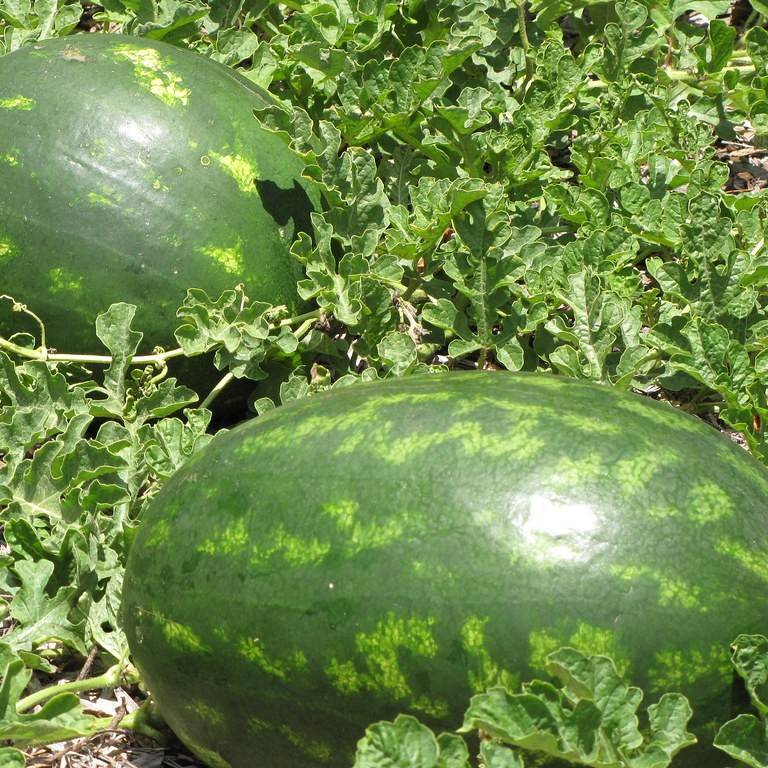
Watermelon: Complete Growing, Nutrition, and Usage Guide
Learn how to grow watermelon, plus its nutrition, health benefits, varieties, and potential side effects in this comprehensive, beginner-friendly guide.
2026-06-23 · 12 min read
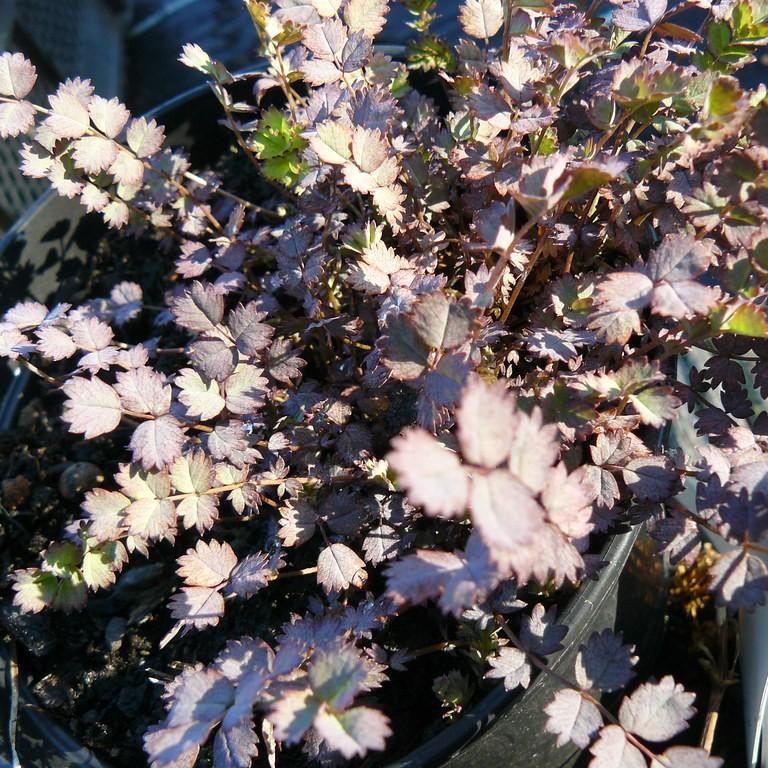
8 Unique Plant Species to Grow in Full-Sun Outdoor Spaces (All Pet-Safe)
Explore low-fuss, pet-safe plant species for full-sun outdoor gardens, from trailing groundcovers to flowering shrubs that thrive with minimal upkeep.
2026-06-23 · 8 min read
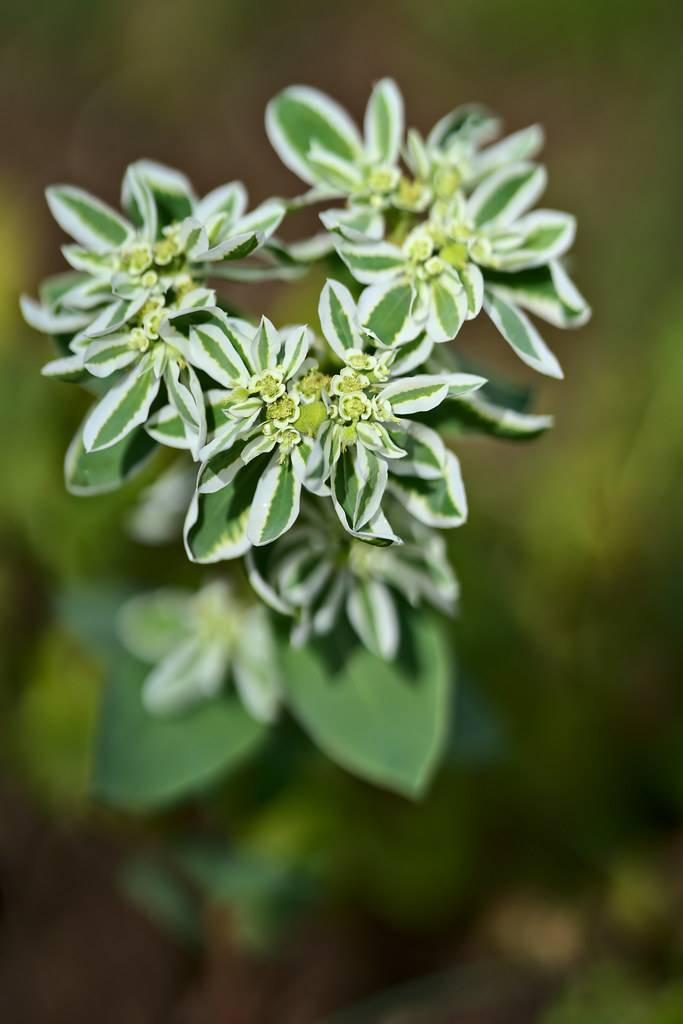
Snow on the Mountain Plant (Euphorbia Marginata): Care, Identification, and Growing Tips
Learn how to identify, grow, and care for snow on the mountain (Euphorbia marginata), plus key facts about its toxicity, sun needs, and drought tolerance.
2026-06-22 · 9 min read