Indoor Plants With Names: A Beginner’s Guide to Identifying and Choosing Common House Plants
New to plant parenthood? Learn common indoor plants with names, plus how to identify house plant types and pick the best types of plants for your home.

Indoor Plants With Names: A Beginner’s Guide to Identifying and Choosing Common House Plants
If you’ve ever walked out of a nursery with a cute, unlabeled potted plant only to get home and realize you have no idea how to care for it, you’re not alone. Many new plant parents find themselves guessing at watering schedules, light needs, and humidity preferences, which often leads to accidentally killing their new green friend. Learning indoor plants with names eliminates that guesswork entirely: once you know a plant’s official common or scientific name, you can look up its exact care requirements and set it up to thrive. This guide will break down common house plants, key identification tips, low-fuss options for first-time owners, and how to pick the right types of plants for home spaces of all sizes. If you ever bring home an unmarked plant, the Sproutly app works as a fast, reliable house plant identifier to help you confirm its name and care needs in seconds. You can also follow our complete house plant recognition guide to identify indoor plants by their leaves, shape, and growth habit.
Why Learning Indoor Plants With Names Makes Plant Care Easier
House plant types vary wildly in their needs: a drought-tolerant succulent will rot if you water it as often as a humidity-loving fern, and a low-light pothos will scorch if you leave it in a south-facing window. Knowing house plant names takes the confusion out of matching care routines to your specific plants, so you don’t waste time experimenting with routines that don’t work. It also helps you avoid common mistakes, like bringing home a toxic plant if you have pets or choosing a high-maintenance variety when you only have a few minutes a week to spare for plant care. Even if you only memorize a handful of common indoor plants names at first, you’ll be able to make more informed purchases and keep your plants healthier long-term.
10 Easy Common House Plants With Names for Beginners
If you’re just starting your plant collection, these 10 low-maintenance indoor plants with names are forgiving of missed waterings, variable light, and beginner mistakes. They work well as types of plants for home spaces of any size, from small studio apartments to large living rooms.
Pothos (Epipremnum aureum)
Key identifying traits: Heart-shaped, waxy leaves that grow on trailing vines; many varieties have white or yellow variegation.
Care rules: Tolerates low to medium indirect light; water when the top 2 inches of soil feel dry.Snake Plant (Sansevieria trifasciata)
Key identifying traits: Tall, stiff, sword-shaped leaves that grow upright; most varieties have light gray-green banding and yellow edges.
Care rules: Thrives in low to bright indirect light; water only when the entire soil volume is completely dry (usually every 2-6 weeks, depending on light).ZZ Plant (Zamioculcas zamiifolia)
Key identifying traits: Thick, waxy, oval-shaped leaves that grow in pairs along thick, fleshy stems; foliage is a deep, glossy green.
Care rules: Tolerates very low light; water only when the soil is completely dry (it can go months without water if needed).Spider Plant (Chlorophytum comosum)
Key identifying traits: Long, thin, arching leaves that are striped green and white; mature plants grow small "pups" on trailing stems that can be propagated into new plants.
Care rules: Grows best in bright indirect light, but tolerates medium light; water when the top 1 inch of soil feels dry.Peace Lily (Spathiphyllum wallisii)
Key identifying traits: Glossy, dark green oval leaves; produces white, hood-shaped flowers periodically throughout the year when given enough light.
Care rules: Prefers medium indirect light; water when the top 1 inch of soil feels dry, or when the plant starts to droop slightly (it bounces back quickly after watering).Parlor Palm (Chamaedorea elegans)
Key identifying traits: Delicate, feathery fronds that grow in clusters from thin stems; has a compact, bushy growth habit.
Care rules: Thrives in low to medium indirect light; water when the top 1 inch of soil feels dry.Peperomia (Peperomia obtusifolia)
Key identifying traits: Thick, rubbery round or oval leaves that come in shades of green, red, or variegated cream; grows in a compact, bushy shape perfect for table tops.
Care rules: Prefers medium indirect light; water when the top 2 inches of soil feel dry.Boston Fern (Nephrolepis exaltata)
Key identifying traits: Lacy, arching fronds with small, serrated leaflets; has a full, trailing growth habit that works well in hanging planters.
Care rules: Grows best in medium indirect light and high humidity; water when the top 1 inch of soil feels dry, and mist regularly if your home is dry.Amur Maple (Acer ginnala)
Key identifying traits: Small, deeply lobed leaves that turn bright red in fall; grows as a compact potted tree when kept indoors. All maple varieties, including the Amur Maple and Flame Amur Maple, are non-toxic to pets.
Care rules: Needs bright direct light and high humidity; water when the top 1 inch of soil feels dry.Coonara Pygmy Japanese Maple (Acer palmatum 'Coonara Pygmy')
Key identifying traits: Dwarf tree with delicate, palmate leaves that turn vibrant shades of orange and red in fall; stays compact even when mature, making it a great floor plant for large, bright rooms.
Care rules: Needs bright direct light and consistent humidity; water when the top 1 inch of soil feels dry. You can find full care details for the Coonara Pygmy Japanese Maple in the Sproutly plant encyclopedia.
How to Tell Common House Plant Types Apart
Identifying house plants without a tag is simpler than you think, as long as you know what visual traits to look for. Follow this quick step-by-step process to ID most common house plant types:
- Note the growth habit: Is the plant trailing, bushy, upright, or tree-like? Pothos and string of pearls trail, snake plants grow upright, parlor palms are bushy, and maple varieties grow as small trees.
- Examine the leaf shape: Leaves can be heart-shaped (pothos), sword-shaped (snake plant), oval (ZZ plant), lobed (maple), or feathery (parlor palm).
- Check the leaf texture: Is the leaf waxy (ZZ plant), fuzzy (some peperomia varieties), matte (peace lily), or rubbery (peperomia)?
- Look for unique markings: Variegation, spots, banding, or colored edges are all helpful ID cues. Snake plants have yellow edges, spider plants have white stripes, and many pothos varieties have white or yellow variegation.
For example, if you have an upright plant with stiff, sword-shaped leaves with yellow edges, it is almost certainly a snake plant. If you have a plant with thick, waxy oval leaves growing in pairs along thick stems, it is a ZZ plant. If you are still stuck after checking these traits, the Sproutly app can ID any house plant in seconds just from a photo, so you never have to guess at house plant names again.
Pet-Safe Indoor Plants Names to Look For
If you have cats or dogs, choosing non-toxic plants is non-negotiable, as many common house plants can cause stomach upset, irritation, or more serious health issues if ingested. These 5 pet-safe indoor plants with names are all low-fuss and easy to care for, making them perfect for beginner plant parents with pets:
- Spider Plant: Non-toxic to both cats and dogs, and produces easy-to-propagate pups that make great gifts for other pet-owning plant lovers.
- **Parlor Palm: A low-light tolerant, bushy palm that is completely safe for pets, even if they take a curious nibble.
- **Boston Fern: A trailing, lacy fern that thrives in high-humidity spaces like bathrooms, and is non-toxic to cats and dogs.
- **Peperomia: Compact, bushy plants with thick leaves that come in dozens of varieties, all of which are safe for pets.
- **Maple Varieties: All maple types, including the Amur Maple, Flame Amur Maple, and Coonara Pygmy Japanese Maple, are non-toxic to cats and dogs, making them a great pick if you want a small indoor tree.
Always confirm house plant names before bringing a new plant home to avoid accidental pet poisonings. Sproutly’s care guides include pet safety information for every listed plant, so you can check toxicity before you buy.
How to Pick the Right Types of Plants for Home Spaces
The key to keeping your plants happy is matching their needs to the conditions you already have in your home. Before you buy a new plant, ask yourself these four questions:
- How much natural light does your space get? If you only have north-facing windows or limited light, opt for low-light tolerant plants like snake plants, pothos, or ZZ plants. If you have a bright, south-facing window, sun-loving plants like the Coonara Pygmy Japanese Maple or Flame Amur Maple are great picks.
- What is the average humidity in your home? If your home is very dry (common in winter with heating running), avoid high-humidity plants like ferns and opt for drought-tolerant varieties like ZZ plants or snake plants.
- How much time do you have to care for plants? If you travel often or only have a few minutes a week for plant care, stick to low-maintenance varieties that don’t need frequent watering or pruning, like pothos or ZZ plants.
- How much space do you have? Small tabletop spaces work well for compact plants like peperomia or spider plants, while floor spaces can hold larger plants like snake plants, parlor palms, or small maple trees. Hanging planters are perfect for trailing varieties like pothos or Boston ferns.
If you are not sure which plants will work best in your space, Sproutly can recommend the perfect indoor plants with names tailored to your exact light, humidity, and space conditions.
Common Mistakes New Plant Parents Make When Identifying House Plants
Even with clear ID cues, it is easy to mix up similar-looking house plant types if you are new to plant parenthood. These are the most common mistakes to avoid:
- Confusing variegated pothos with heartleaf philodendron: Both have heart-shaped leaves, but pothos leaves are thicker, waxy, and have a more defined point, while philodendron leaves are thinner and matte. Misidentifying these two is usually not a big care issue, as they have similar needs, but it is still helpful to know the difference for accurate record-keeping.
- Mixing up snake plant varieties: There are dozens of snake plant varieties, some with tall narrow leaves, some with short wide leaves, and some with no yellow edges. All have the same care needs, but it is still useful to learn the specific variety name to track growth patterns.
- Assuming all small indoor trees are the same: Fiddle leaf figs, rubber trees, and maple trees all grow as tall indoor plants, but their care needs are very different. Fiddle leaf figs need very bright light and consistent watering, while maple trees need high humidity and full sun. Misidentifying a tree can lead to care mistakes that cause leaf drop or even plant death.
When in doubt, always double-check indoor plants names with a reliable source, like a trusted plant encyclopedia or the Sproutly app, to make sure you are giving your plants the right care.
Final Tips for Keeping Your Named House Plants Happy
Once you know your indoor plants with names, you can look up their exact care requirements, but these simple, actionable tips work for almost all common house plants:
- Check the soil moisture with your finger before watering, rather than sticking to a strict schedule. Overwatering is the number one cause of house plant death, so it is always better to underwater than overwater.
- Rotate your plants every 2 weeks to encourage even growth, so all sides get equal access to light.
- Dust leaves regularly with a soft, damp cloth to remove buildup, which helps plants absorb light more efficiently.
- Adjust your care routine for seasonal changes: Most plants grow slower in winter, so they need less water and no fertilizer. In spring and summer, when growth picks up, you can water more often and add a diluted general-purpose fertilizer once a month.
Once you know your house plant names, you can keep track of their specific needs and adjust care as they grow. If you ever need help identifying an unknown plant, accessing custom care reminders, or browsing more types of plants for home, Sproutly has you covered.
Frequently Asked Questions
What are the most common indoor plants with names for beginners?
Top beginner-friendly common house plants include pothos, snake plant, ZZ plant, spider plant, and peace lily. All are low-fuss, tolerate a range of light conditions, and are hard to kill for new plant parents.
How do I identify an unknown house plant?
Start by noting key visual traits: leaf shape, growth habit, texture, and any variegation or unique markings. If you’re still stuck, use a house plant identifier tool like the Sproutly app, which can ID plants from a photo in seconds and give you custom care tips.
What types of plants for home are pet-safe?
Popular pet-safe house plant names include Boston fern, parlor palm, spider plant, peperomia, and maple varieties like the Amur Maple and Coonara Pygmy Japanese Maple. Always confirm a plant’s toxicity before bringing it home if you have cats or dogs.
What’s the difference between common and scientific house plant names?
Common house plant names are casual, region-specific names people use for everyday reference (like pothos or snake plant). Scientific names are standardized, Latin-based names that are the same globally, making them more reliable for accurate identification and care research.
Try Sproutly
Ready to stop guessing at house plant names and care needs? Download Sproutly today to identify any unknown plant from a photo, access custom care reminders tailored to your specific plants, and browse a full library of indoor plants with names and detailed care guides. Whether you’re looking for low-fuss beginner plants, pet-safe options, or small indoor trees for your bright living room, Sproutly helps you keep your plants happy and thriving. Get started at https://heysproutly.com.
Related Reading
More guides you may like
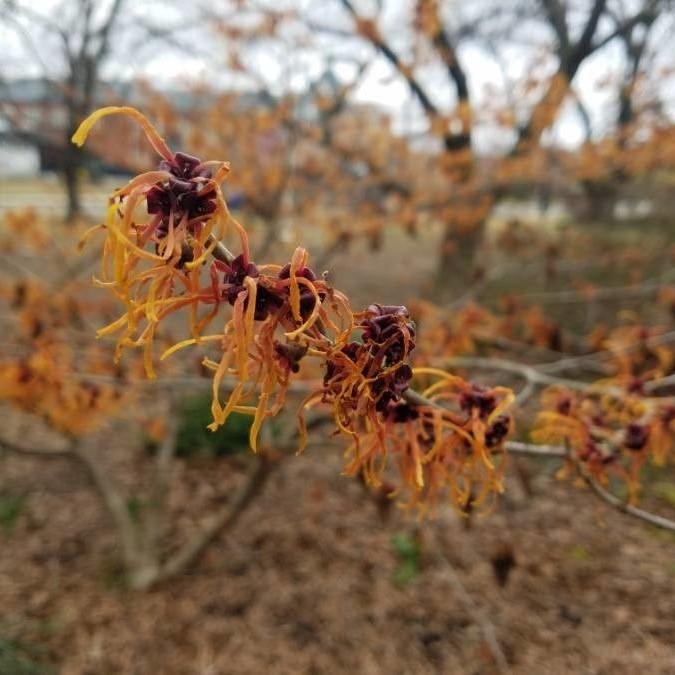
Hamamelis Mollis (Chinese Witch Hazel): Complete Grow & Care Guide
Learn to grow, care for, and enjoy Hamamelis mollis (Chinese witch hazel), a fragrant winter-blooming shrub with vibrant autumn foliage for temperate gardens.
2026-07-26 · 12 min read

Japanese Maple Plant Description: Key Details for Iijima Sunago, Select Red, and Popular Cultivars
Get clear, beginner-friendly descriptions of Japanese maple trees, including specific details for Iijima Sunago and Select Red cultivars, plus care and pruning tips.
2026-07-26 · 8 min read
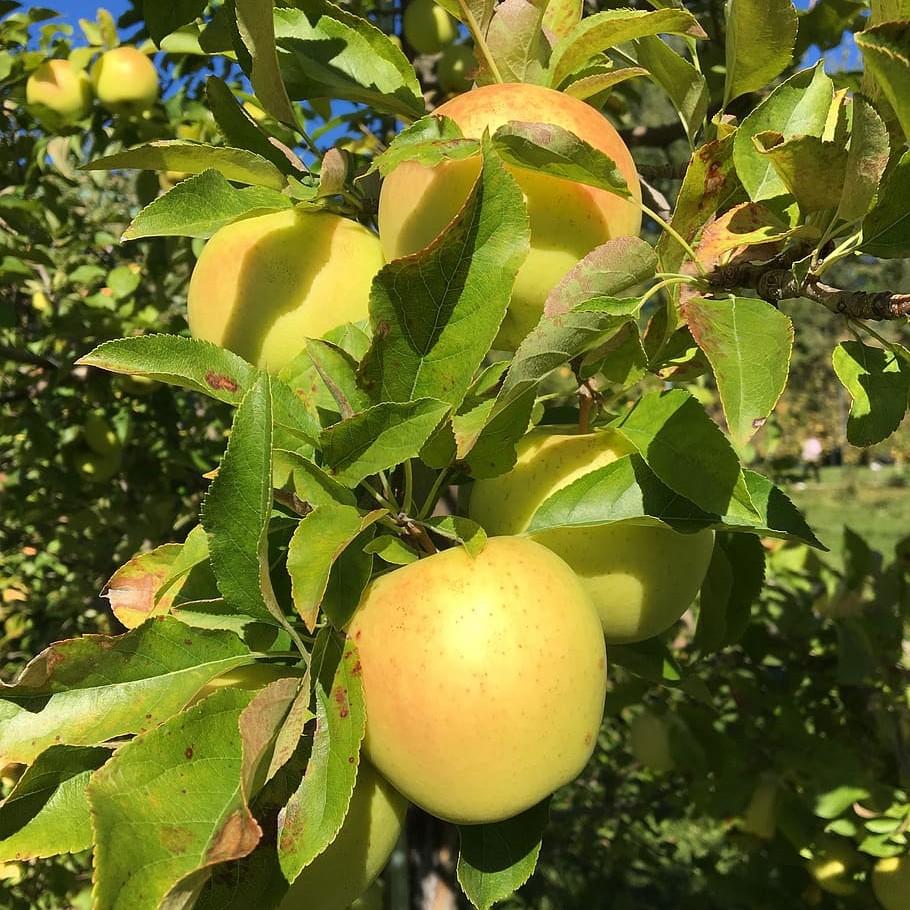
Flowering Crabapple: Grow Guide, Cultivars, and Landscape Uses
Learn to grow and care for flowering crabapple trees, with tips on cultivar selection, bloom care, disease resistance, and using their edible fruit and seasonal foliage.
2026-07-25 · 11 min read