How to Identify Plant and Flower Species For Beginners: Easy Step-by-Step Guide
Learn simple, beginner-friendly ways to identify plant and flower species, including how to use photo identifiers to name unknown plants, trees, and blooms.
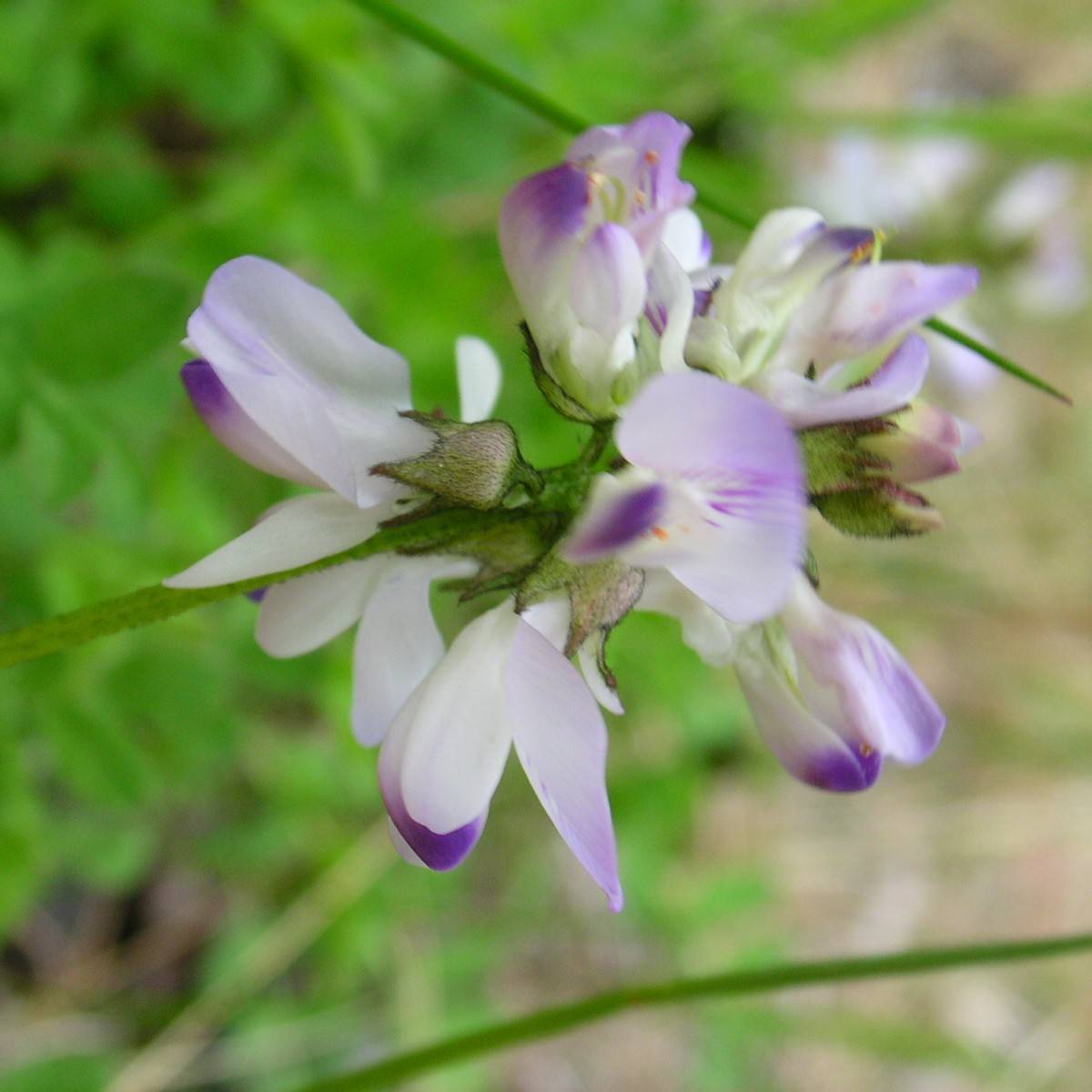
How to Identify Plant and Flower Species For Beginners: Easy Step-by-Step Guide
Have you ever walked past a vibrant wild bloom on a hike, brought home an unlabeled potted plant from the grocery store, or spotted a unique trailing succulent at a friend’s house and wondered, “What is the plant?” Learning to identify plant species may feel intimidating if you don’t know botanical jargon, but it’s far more accessible than most new gardeners think. Whether you’re trying to keep your pets safe from toxic foliage, keep your new nursery find alive, or just satisfy your curiosity about the green world around you, there are simple, beginner-friendly ways to name almost any plant you encounter. For fast, accurate results, you can even use tools like the Sproutly app to identify plant species in seconds with nothing more than a phone photo.
Why Learn to Identify Plant Species As a New Gardener?
The benefits of being able to identify plant species extend far beyond casual curiosity, even for people who only keep a few houseplants or enjoy occasional nature walks.
First, knowing what plant you’re handling keeps your household safe. Many common houseplants and wild varieties are toxic to kids and pets, so a quick identification can help you move a dangerous plant out of reach or avoid touching an irritating wild species on a hike.
Second, correct identification is the key to keeping plants alive. If you bring home an unlabeled succulent and treat it like a tropical fern, you’ll likely overwater it and kill it within weeks. When you know exactly what species you have, you can match your care routine to its specific sun, water, and humidity needs.
Finally, learning to identify plant varieties can help you discover useful traits, like whether a wild species has medicinal uses, or if a bloom in your yard is an invasive species you should remove. Even casual plant lovers benefit from this skill: next time you spot a pretty flower in a neighbor’s yard, you’ll know exactly what to look for at your local nursery to add it to your own collection.
4 Key Traits to Look For to Identify a Plant
If you want to try to identify a plant manually before using a digital tool, start by observing these four simple, easy-to-spot traits. No fancy terminology required.
Leaf shape and arrangement
Leaves are the most consistent trait to use for identification, since many plants only flower for a few weeks out of the year. Note whether leaves are broad and flat, thin and needle-like, round, or pointed. Also check how they grow on the stem: are they arranged in pairs opposite each other, alternating up the stem, or clustered in rosettes? For example, the corncob plant, a popular succulent, has small, rounded segments stacked along upright stems that make it almost impossible to mix up with other common succulent varieties.
Flower color and structure
If the plant is blooming, use the flower as a secondary clue. Note the bloom color, the number of petals, the shape of the flower (tubular, ruffled, star-shaped), and whether flowers grow in clusters or alone. Keep in mind that many species have multiple color varieties, so flower color alone is rarely enough to make a positive ID, but it helps narrow down your options.
Growth habit
Take a step back to look at the plant’s overall shape and size. Is it a low, trailing ground cover, a bushy shrub, a thick-leaved succulent, a tall tree, or a climbing vine? A succulent will never have the same growth habit as a tropical fern, so this trait quickly eliminates a huge number of potential matches. For example, the bird-catcher tree grows as a large, woody tree with a broad canopy, so you’d never confuse it with a small potted houseplant even if you only saw a close-up of its leaves.
Unique markings or textures
Look for any one-of-a-kind details that set the plant apart. Does it have fuzzy leaves, sticky seed pods, striped foliage, a strong scent, or thorny stems? These small traits are often the easiest way to tell similar-looking species apart.
How to Use a Plant Identifier by Picture for Fast, Accurate Results
If manual observation feels too slow, or you don’t have a plant encyclopedia on hand, a plant identifier by picture tool is the fastest, most beginner-friendly way to get an accurate ID. These tools work by comparing your photo to a large database of verified plant species, matching key visual traits to return the most likely species in seconds.
To get the most accurate results when you identify a plant with a photo tool, follow these simple steps:
- Take a photo of the whole plant first, to show its overall growth habit and size.
- Take close-up shots of key identifying traits, including the front and back of leaves, any flowers or seed pods, and bark if you’re identifying a tree.
- Note the growing environment: is the plant in full sun or deep shade? Is it growing in a dry, rocky area or a damp, tropical forest? What region are you in? Context about native range and growing conditions helps eliminate species that could never grow in that location.
The Sproutly app is designed specifically for beginner plant parents, so you don’t need to know any botanical terms to use it. Just upload your photos, add any notes about the growing location, and the app will identify plant species in seconds, with a 90%+ accuracy rate for common and rare varieties alike.
Common Scenarios: How to Answer “What Kind of Flower Is This?”
Most new plant lovers first need to identify a flower by picture when they encounter an unexpected bloom outside their home. Here are three of the most common scenarios, and how to approach them:
Wild blooms on a hike
When you spot an unknown flower on a trail, first take a wide shot to show how it’s growing (is it low to the ground, or on a tall stem?) then a close-up of the bloom and leaves. Note whether you’re in a sunny meadow, a shaded forest, or a wet marsh to help narrow down results. For example, the delicate, pale flower of an hour only grows in open, sunny fields, and its blooms only last a single day, so that context helps confirm an ID.
Unlabeled potted flowers from the store
Grocery store and nursery clearance racks are full of unlabeled blooming plants, and it’s easy to bring one home without knowing what it is. Take photos of the bloom, the leaves, and the overall shape of the plant, and note if the care tag has any basic clues (like “full sun” or “keep moist”). Bright, exotic blooms like the Aztec lily are often sold unlabeled, but their unique, curved red petals make them easy to identify with a clear photo.
Blooms in a neighbor’s yard
If you spot a pretty flower in a nearby garden, avoid stepping on private property to take a close-up. Instead, take a clear photo from a distance that shows the flower’s color and the plant’s overall shape, and note any visible leaf traits. You can also ask the homeowner for more details about where they got the plant, which will help confirm your ID later.
Tree Identification by Picture: What to Look For
Tree identification by picture follows the same core rules as identifying smaller plants, but there are a few unique traits to prioritize to get an accurate result:
- Bark texture: Is the bark smooth, peeling, ridged, or furrowed? Bark is a particularly useful trait in winter when trees drop their leaves.
- Leaf type: Are leaves broad and flat, or thin and needle-like? Do they drop in fall, or stay green year-round?
- Fruit or seed pods: Many trees produce unique seeds, like acorns, pinecones, or sticky pods, that are dead giveaways for a species. The bird-catcher tree, for example, produces long, sticky seed pods that stick to bird feathers (and clothing) to spread, which is one of its most identifiable traits.
- Overall size and shape: Is the tree narrow and tall, or broad and sprawling? Does it have a rounded canopy, or a pyramidal shape like a pine tree?
When you take photos for tree identification, include a shot of the full tree to show its shape, a close-up of the bark, and a clear shot of a single leaf or seed pod.
What to Do After You Identify a Plant
Once you have a confirmed ID for your unknown plant, take these simple next steps to make the most of the information:
- Check for toxicity: Look up whether the plant is toxic to kids, dogs, or cats, and move it to a safe location if needed.
- Look up care requirements: Note the plant’s preferred sun exposure, water schedule, humidity needs, and soil type to adjust your care routine and keep it healthy. If you identify a wild plant, this information will also tell you if it’s invasive, so you can remove it from your yard if needed.
- Note useful traits: Some plants have edible or medicinal properties, while others attract pollinators like bees and butterflies to your garden.
If you use the Sproutly app to identify your plant, you won’t have to search for this information separately. The app automatically pulls up a custom care guide for every species you identify, including toxicity warnings, sun and water schedules, and troubleshooting tips for common issues like yellow leaves or root rot.
Common Beginner Mistakes to Avoid When Trying to Identify a Plant
Even with the right tools, new plant identifiers often fall for these simple pitfalls. Avoid these mistakes to get accurate results every time:
- Relying only on flower color: Many species have dozens of bloom color varieties. A red rose and a red carnation are not the same plant, so always cross-reference flower color with leaf shape and growth habit.
- Assuming similar-looking plants are the same: Many toxic and non-toxic species look almost identical to the untrained eye. For example, hemlock (a highly toxic wild plant) looks almost exactly like wild carrot, an edible species. Always cross-reference multiple traits before assuming a plant is safe to touch or eat.
- Forgetting to note growing location: A plant that only grows in tropical regions will never appear wild in a cold mountain climate, so native range is one of the fastest ways to eliminate incorrect matches.
- Skipping cross-referencing: If you’re using a photo identifier, cross-check the result with a trusted plant encyclopedia to make sure the traits match. If you’re not sure, use the Sproutly app to get a second opinion, or ask a local nursery employee for help.
FAQ
What is the easiest way to identify a plant for beginners?
The easiest way for beginners is to use a plant identifier by picture tool like the Sproutly app: take a clear photo of the plant’s leaves, flowers, and overall shape, and the app will match it to a verified species in seconds, no botanical knowledge required.
Can I identify a flower by picture alone?
Yes, as long as your photo is clear and shows key details like petal shape, leaf arrangement, and the flower’s overall size. For best results, include a shot of the whole plant, not just the bloom, to help the identifier cross-reference multiple traits.
Is tree identification by picture accurate?
Tree identification by picture is highly accurate if you capture key traits: clear shots of the leaves, bark, and any fruit or seed pods, plus context about the tree’s size and growing location. Tools like Sproutly use a large verified database to match even rare tree species correctly.
What should I do if I can’t figure out what kind of flower this is?
If manual observation doesn’t work, upload a clear photo to the Sproutly app to get a match, or cross-reference your plant’s traits with a trusted plant encyclopedia. Be sure to note where you found the plant, its size, and any unique details like a fuzzy stem or strong scent to narrow down results.
Try Sproutly
Learning to identify plant species opens up a whole new world of gardening and nature appreciation, and you don’t need a degree in botany to do it well. Whether you’re trying to figure out what unlabeled plant you brought home from the nursery, want to know if that wild bloom on your hike is safe to touch, or just want to learn more about the trees in your neighborhood, Sproutly makes the process fast and simple. The app’s plant identifier by picture tool can name thousands of species in seconds, and comes with custom care guides for every plant to help you keep your green friends happy and healthy. Try Sproutly today to turn every unknown plant into a familiar friend.
Related Reading
More guides you may like
Indoor Plants With Names: A Beginner’s Guide to Common House Plants You’ll Love
New to plant parenthood? Explore common indoor plants with names, care tips, and easy ways to identify house plants that thrive in your home space.
2026-04-28 · 8 min read

Snake Plant: Care Guide, Benefits, and Growing Tips (2026)
Learn everything about snake plants, including care tips, watering, light requirements, and common problems.
2026-04-09 · 2 min read

How to Plant a Tree: Step-by-Step Guide for Beginners (2026)
Learn how to plant a tree the right way with this step-by-step guide. Discover the best time, soil tips, and how to ensure healthy growth.
2026-04-09 · 2 min read