Amaranth: Types, Growing Tips, Edible Uses, and Care Guide
Learn all about amaranth, a versatile warm-season plant grown for nutrient-dense grains, edible greens, and ornamental blooms, plus care and cultivation tips.
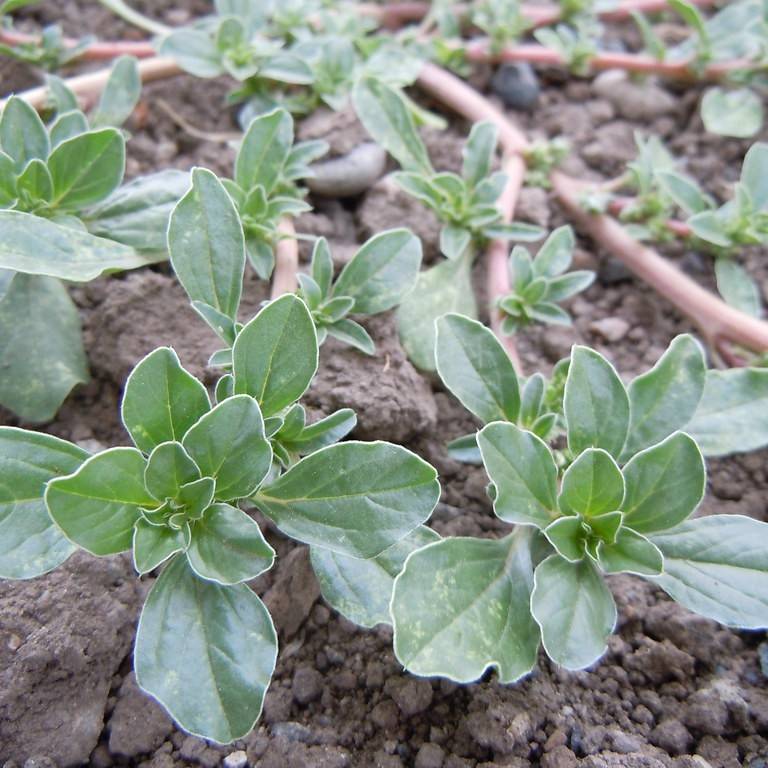
This versatile warm-season annual plant is grown for edible, nutrient-dense grains, mild spinach-like greens, and long-lasting ornamental flower plumes. Amaranth thrives in low-moisture, low-nutrient soils, supports native pollinators, and has a 60 to 90 day growing season from seed to harvest.
What Is This Plant? Core Botanical Traits
Amaranthus spp. is a fast-growing warm-season annual in the Amaranthaceae family, valued equally for its edible leaves, nutrient-dense grains, and long-lasting colorful flower plumes that retain their shape for weeks after cutting. Most varieties grow 2 to 8 feet tall at maturity, with broad oval leaves and dense, tassel-like or rounded flower clusters in shades of red, purple, gold, or green.
Key physical traits to identify this plant
- Alternate leaf arrangement along stems
- Small, pollen-heavy flowers that self-pollinate easily
- Tiny, lens-shaped seeds (1 to 1.5 mm wide) that range in color from cream to black
- Drought tolerance once established, with a 60 to 90 day growing season from seed to harvest
Taxonomy and Family Relationships
The Amaranthaceae family includes more than 2,500 species across 180 genera, split into edible leafy greens, grain crops, ornamental flowers, and wild foraging varieties. The core Amaranthus genus contains roughly 70 recognized species, with additional closely related genera often grouped under the common umbrella for gardening and use purposes.
Closely related family genera
- Chenopodium: Includes edible leafy greens like lamb’s quarters and goosefoot
- Gomphrena: Includes ornamental globe amaranth varieties grown for cut and dried flowers
- Alternanthera: Includes tropical foliage plants like Brazilian Joyweed grown for colorful leaves
Common Species and Varieties to Grow
Cultivated varieties fall into three core categories: grain types grown for seeds, leaf types grown for edible greens, and ornamental types grown for cut flowers and landscape display. Many varieties serve multiple uses, with edible leaves and seeds alongside decorative blooms. For detailed profiles of individual species, visit our full amaranth care guide encyclopedia entry.
Grain varieties
- Amaranthus caudatus: Red tassel flower plumes, high grain yield, common in South American cultivation
- Amaranthus cruentus: Burgundy foliage and plumes, mild-flavored seeds, widely grown in North America
Leaf varieties
- Amaranthus tricolor: Variegated red, green, and yellow leaves, mild spinach-like flavor, common in Asian cuisine
- Amaranthus blitum: Low-growing, tender leaves, ideal for container growing and small gardens
Ornamental varieties
- Amaranthus hypochondriacus: Upright gold or red flower spikes, long-lasting for fresh cut arrangements
- Gomphrena globosa: Round papery purple, pink, or white blooms, perfect for dried arrangements
Etymology and Historical Use
The common name of this plant comes from the Ancient Greek amarantos, meaning "unfading," a reference to its long-lasting flower heads that retain their color for months after cutting. It was a staple grain crop for the Aztec and Inca empires more than 8,000 years ago, with religious and cultural significance alongside culinary use.
Key historical context
- Banned by Spanish colonizers in the 16th century due to its role in Indigenous religious ceremonies, leading to a centuries-long decline in widespread cultivation
- Reintroduced as a commercial crop in the U.S. in the 1970s, valued for its high protein content and drought tolerance
- Recognized as a climate-resilient crop by the United Nations Food and Agriculture Organization in 2022 for its ability to grow in low-moisture, low-nutrient soils
Native Range and Habitat
Amaranth species are native to every continent except Antarctica, with the highest concentration of cultivated varieties originating in Central and South America. North America is home to more than 20 native species, including California amaranth and Bush’s goosefoot, which are adapted to dry, disturbed soils like prairies, roadside edges, and abandoned agricultural land.
Regional growing conditions
- Thrives in USDA hardiness zones 2 through 11, grown as a warm-season annual in all zones
- Prefers full sun (6+ hours of direct light daily) and well-draining soil with a pH between 6.0 and 7.5
- Tolerates poor, rocky, or low-nutrient soils better than most leafy greens and grain crops
How to Grow and Care for This Plant
This is a low-maintenance crop that requires minimal care once established, with a higher drought tolerance than lettuce, corn, and wheat. Sow seeds directly outdoors 1 to 2 weeks after the last average frost date, when soil temperatures reach at least 65°F, as it is highly sensitive to frost and cold soil.
Core care requirements
- Watering: 1 inch of water per week for the first 30 days after germination; reduce to 0.5 inches per week once plants are 6 inches tall
- Fertilizer: No additional fertilizer required for most soils; apply a balanced 10-10-10 fertilizer only if leaves appear pale yellow
- Spacing: 12 to 18 inches between plants for grain varieties, 6 to 12 inches apart for leaf and ornamental varieties
- Pest management: Susceptible to aphids and flea beetles; treat with neem oil or insecticidal soap if infestations occur
If you are unsure if a volunteer plant in your garden is this species, upload a photo to the Sproutly app for fast, accurate identification and custom care tips.
Edible Uses and Nutrition
All parts of the plant are edible: leaves can be eaten raw or cooked like spinach, seeds can be cooked like rice, popped like popcorn, or ground into gluten-free flour, and young flower plumes can be steamed and eaten like broccoli. Its grain is 14 to 16% protein, contains all nine essential amino acids, and is high in iron, magnesium, and fiber.
Common culinary uses
- Raw leaves: Added to salads, smoothies, or sandwiches for a mild, earthy flavor
- Cooked leaves: Sautéed, steamed, or added to soups, curries, and stir-fries
- Cooked grain: Used as a rice substitute, added to porridge, or mixed into grain bowls
- Popped grain: Used as a cereal, sprinkled on yogurt, or added to granola bars and trail mix
Note: Raw leaves contain low levels of oxalates; people with kidney issues should cook leaves before eating to reduce oxalate content.
Ecology and Conservation Status
This hardy, fast-growing plant supports native pollinators including bees, butterflies, and moths, which feed on its high-pollen flowers. Most wild species are classified as species of least concern by the IUCN, though some rare regional endemic species are threatened by habitat loss from agricultural development and invasive plant species.
Ecological benefits of native varieties
- Provides a food source for seed-eating birds including finches and sparrows in late summer and fall
- Used in restoration projects to stabilize disturbed soils and prevent erosion on dry, sloped sites
- Supports beneficial predatory insects that control common garden pests like aphids and caterpillars
Frequently Asked Questions
Is amaranth gluten-free?
Yes, amaranth grain is naturally gluten-free, making it a safe flour and grain substitute for people with celiac disease or gluten sensitivities. Always source it from facilities that process gluten-free products to avoid cross-contamination.
Can it be grown in containers?
Yes, smaller leaf and ornamental varieties grow well in 5-gallon or larger containers with drainage holes. Choose a dwarf cultivar for container growing to avoid stunting growth, and place containers in a spot that gets 6+ hours of direct sun daily.
Is it safe for pets?
Most species, including Brazilian Joyweed, are non-toxic to dogs, cats, and horses. The ASPCA lists Amaranthus spp. as non-toxic, though eating large quantities of raw leaves may cause mild gastrointestinal upset in some pets.
When do you harvest it?
Harvest leaves 4 to 6 weeks after planting, once plants are at least 6 inches tall. Harvest grain 3 to 4 months after planting, when flower heads are fully dry and seeds fall out easily when shaken. Harvest ornamental flower heads when blooms are fully open for the longest vase life.
Is it an annual or perennial plant?
All cultivated varieties are warm-season annuals, meaning they complete their full life cycle (germination, growth, seeding, death) in a single growing season. In tropical climates, some wild species may act as short-lived perennials, but they are grown as annuals in all temperate regions.
Identify and Care for Plants With Sproutly
Whether you’re growing amaranth for grain and greens, ornamental varieties for cut flowers, or spotting wild native species in your region, the Sproutly app makes plant care simple. Upload a photo for instant, accurate identification, access custom care schedules tailored to your growing zone, and browse our full plant encyclopedia for profiles of hundreds of edible, ornamental, and native plant species. Try Sproutly today to keep your garden thriving.
قراءات ذات صلة
أدلة أخرى قد تعجبك
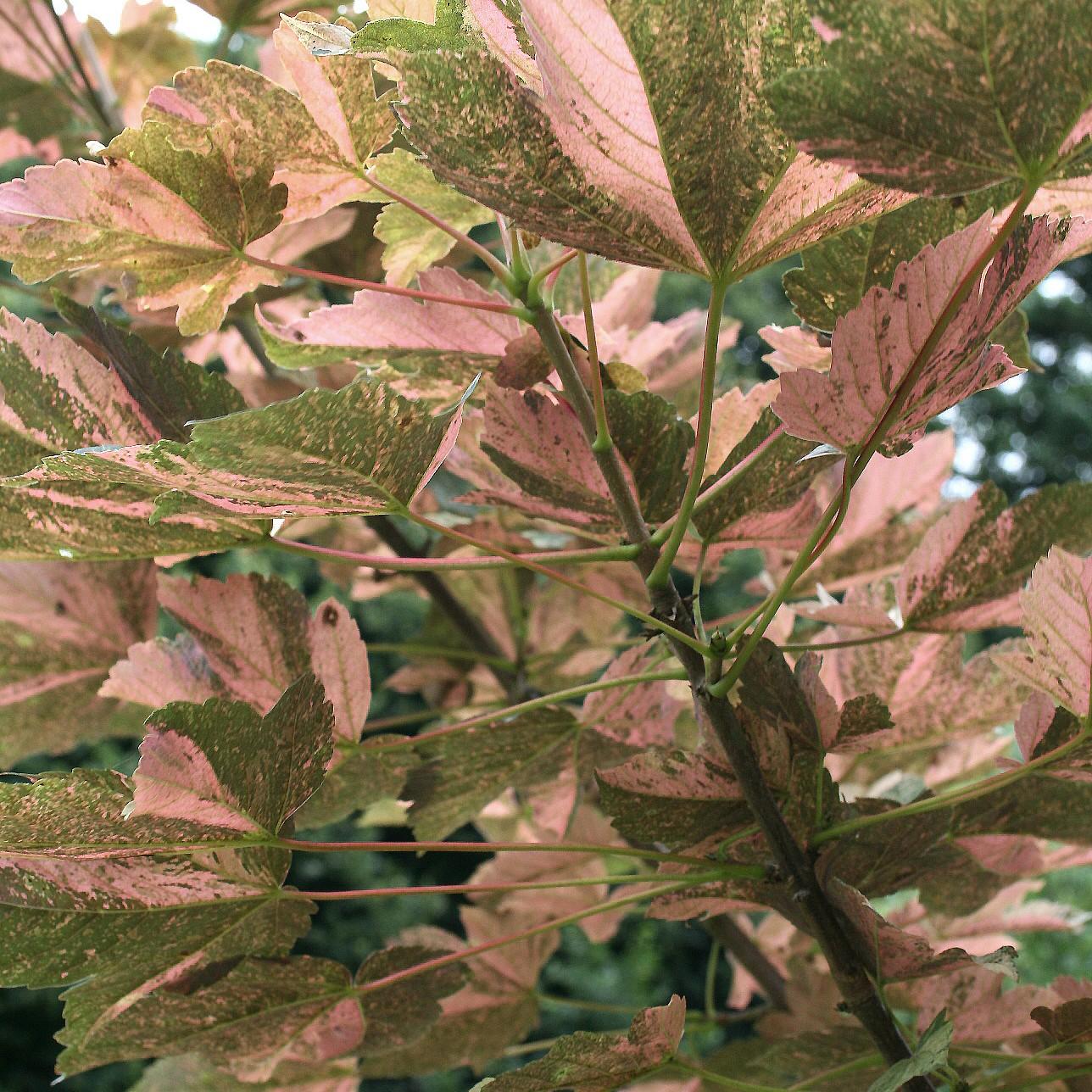
Acer Pseudoplatanus Eskimo Sunset: Complete Care & Growing Guide
Learn how to grow and care for Acer pseudoplatanus Eskimo Sunset, a variegated sycamore maple suited for USDA zones 5-8 with vivid seasonal foliage.
2026-07-12 · 10 min read
Monstera Watering 101: A Simple Guide for Healthy, Happy Plants
Learn exactly how to water monstera (including monstera deliciosa) to avoid overwatering, fix dry leaves, and keep your plant thriving year-round.
2026-07-11 · 9 min read
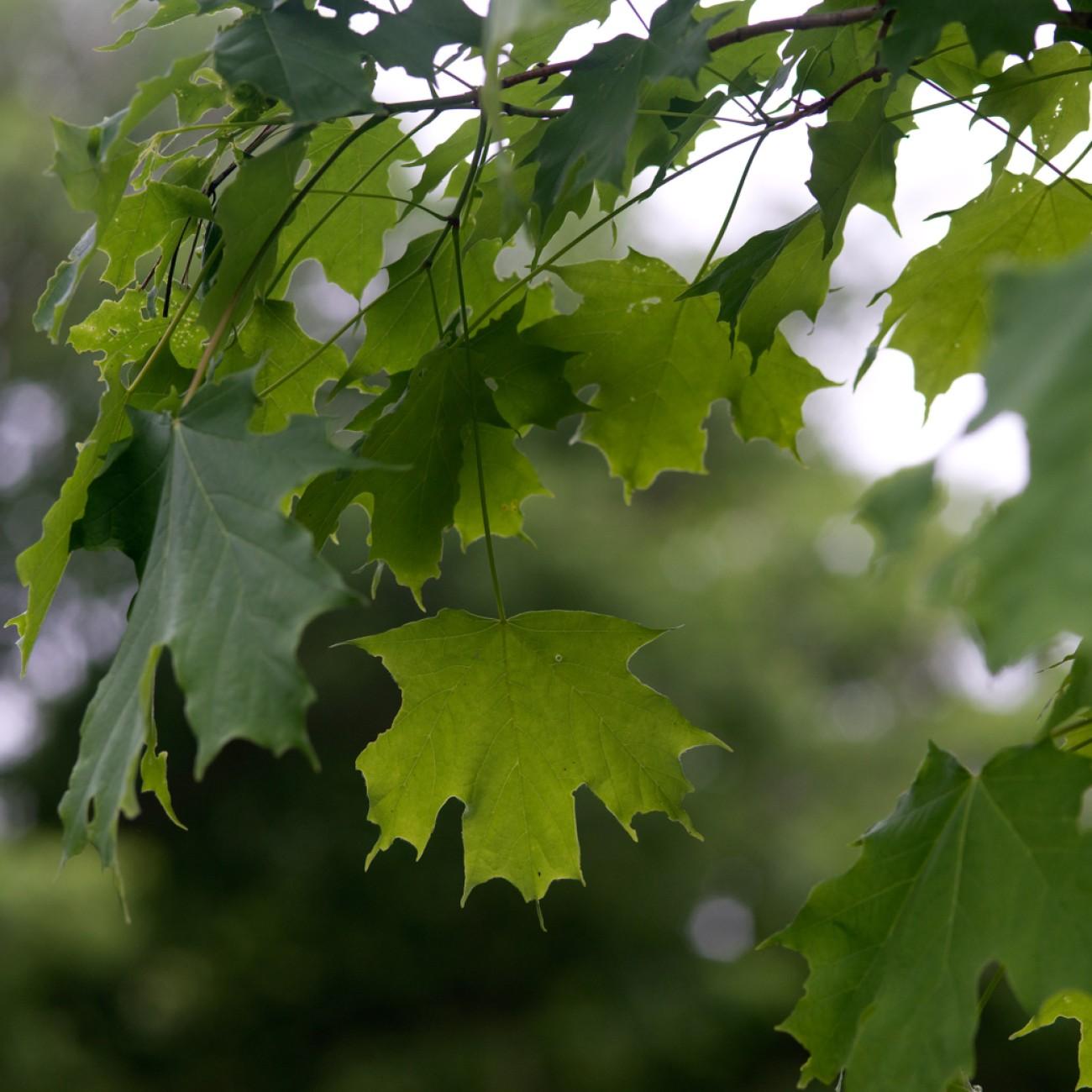
Emerald Queen Maple: Full Care, Growth, and Identification Guide
Learn how to grow and care for an emerald queen maple, including sun requirements, watering schedules, and common issues for this popular Norway maple cultivar.
2026-07-09 · 13 min read