Cardoon Plant: Growing, Care, Harvesting, and Uses Guide
Learn all about the cardoon plant, including cultivation tips, edible uses, nutrition facts, and care instructions for this Mediterranean perennial vegetable.
Cardoon Plant: Growing, Care, Harvesting, and Uses Guide
The cardoon plant (Cynara cardunculus) is a Mediterranean perennial vegetable closely related to the artichoke, grown for its thick, edible stalks and ornamental silvery foliage. It is non-toxic to pets, drought-tolerant in select cultivars, and valued for both culinary and medicinal uses in its native range.
What Is a Cardoon Plant? (Botanical Description)
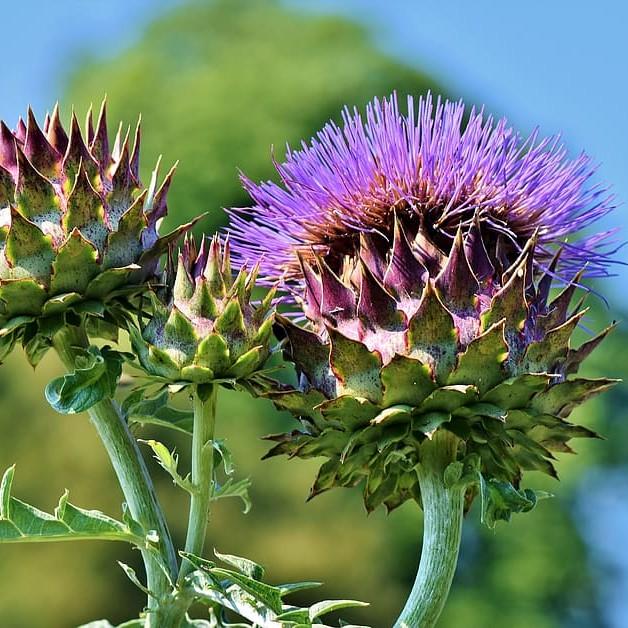
The cardoon plant (Cynara cardunculus) is a close relative of the artichoke, native to the Mediterranean region. It grows 3–6 feet tall with silvery-gray, serrated foliage and thick, edible stalks, producing large, thistle-like purple flowers when mature. It is classified as a vegetable and is both pet-safe and drought-tolerant in some cultivars. For more base details, view our full cardoon plant profile.
Key Cardoon Plant Taxonomy and Traits
Cardoon is a member of the Asteraceae family, the same group that includes sunflowers, daisies, and thistles. It is the same species as the globe artichoke (Cynara cardunculus var. scolymus), but is bred for thick, fleshy stalks rather than large, meaty flower buds. Its leaves have small, sharp spines along the edges, and its root system is deep and extensive, making it highly drought-tolerant once established. Unlike artichokes, which are harvested for their unopened flower buds, cardoon’s primary edible portion is the ribbed, celery-like stalk. Unharvested flower buds will open into 2–3 inch wide purple thistle blooms that attract bees, butterflies, and other pollinators through late summer and early fall.
Common Cardoon Cultivars, Including 'Rouge D'Alger' (Red Cardoon)
Most commercial and home-grown cardoon varieties are selected for reduced spines, thicker stalks, or milder flavor, with a handful of widely available options for home gardeners:
- Common cardoon: The wild-type cultivar with heavy spines, deep green stalks, and a more bitter flavor, often used for forage or ornamental planting.
- Ivory White Smooth: A spine-free variety with pale, thick stalks and very low bitterness, ideal for first-time growers focused on culinary use.
- 'Rouge D'Alger' (Red Cardoon): A drought-tolerant cultivar with distinct red-tinged stalks and a slightly nuttier flavor than green varieties. It holds up well to roasting and frying, and its colorful stalks make it a popular dual-purpose ornamental and edible plant. For full growing requirements specific to this cultivar, view our 'Rouge D'Alger' red cardoon cultivar details.
Where to Plant Cardoon Plants for Optimal Growth
Cardoon plants require full sun (minimum 6 hours of direct light daily) and well-draining, fertile soil with a pH of 6.0–7.0. They grow best in USDA hardiness zones 7–10, though they can be grown as annuals in cooler zones. Avoid low-lying areas where water pools, as soggy soil causes root rot. Their large, spreading foliage can shade smaller nearby plants, so position them on the north or west side of garden beds to avoid blocking light for lower-growing vegetables or flowers.
Outdoor Garden Bed Requirements
Prepare garden beds for cardoon by working 2–3 inches of compost or well-rotted manure into the top 12 inches of soil before planting. The deep root system needs loose, uncompacted soil to expand, so avoid planting in areas with heavy clay that has not been amended. If you live in a region with heavy rainfall, mound soil into 6-inch high raised rows for planting to improve drainage and reduce root rot risk. Cardoon is tolerant of light coastal winds, but may need staking in very windy areas to prevent tall stalks from breaking.
Container Growing Cardoon Plant Considerations
Cardoon can be grown in containers, but requires a pot that is at least 24 inches wide and 24 inches deep to accommodate its large root system. Use a high-quality, well-draining potting mix amended with 20% compost to provide sufficient nutrients. Container-grown cardoon will need more frequent watering than in-ground plants, as potting mix dries out faster. Move containers to a sheltered, unheated garage or basement in zones below 7 to overwinter the root crown, as container-grown roots are more exposed to freezing temperatures than in-ground plants.
When and How to Plant Cardoon Plants
Start cardoon plant seeds indoors 6–8 weeks before your last expected frost date, or direct sow seeds outdoors once soil temperatures reach 60°F (15°C). Space plants 3–4 feet apart to accommodate their large, spreading foliage, and plant seeds ¼ inch deep in loose soil. Cardoon has a long growing season, so indoor seed starting is recommended for zones with shorter summers to ensure stalks reach maturity before the first fall frost.
Indoor Seed Starting Steps
Use 4-inch biodegradable pots to start cardoon seeds, as the plant’s long taproot is easily damaged during transplanting. Sow 2 seeds per pot, ¼ inch deep, and keep soil consistently moist at a temperature of 65–75°F (18–24°C) for 10–21 days until germination. Once seedlings have 3–4 true leaves, thin to one seedling per pot by snipping the weaker seedling at the soil line to avoid disturbing the roots of the remaining plant. Harden off seedlings for 7–10 days before transplanting by moving them outdoors for increasing lengths of time each day, starting with 2 hours of indirect light and building up to full sun exposure.
Transplanting Cardoon Seedlings Outdoors
Transplant seedlings outdoors after all danger of frost has passed, and soil temperatures have reached at least 60°F (15°C). Dig a hole twice as wide and the same depth as the seedling’s root ball, and place the seedling in the hole so the top of the root ball is level with the surrounding soil. Backfill the hole with amended soil, press gently to firm, and water thoroughly to settle the soil around the roots. Water seedlings daily for the first 7–10 days after transplanting to help them establish a strong root system.
Transplanting Mature Cardoon Plants
Mature cardoon plants can be transplanted in early spring before new growth begins, or in late fall after foliage has died back. Dig a wide circle around the plant to preserve as much of the deep root system as possible, and lift the entire root crown from the soil. Transplant immediately to a pre-prepared hole, and water deeply after planting. Cut back existing foliage to 6 inches above the root crown to reduce water loss while the plant re-establishes. Avoid transplanting during the hot summer months, as high temperatures will stress the plant and reduce survival rates.
Cardoon Plant Care and Maintenance
Water established cardoon plants 1–2 times per week, providing 1–2 inches of water total weekly, to keep soil consistently moist but not waterlogged. Feed plants with a balanced 10-10-10 fertilizer once per month during the growing season, and blanch stalks 3–4 weeks before harvest to reduce bitterness. Mulch around the base of plants with 2–3 inches of straw or wood chips to retain soil moisture, suppress weeds, and regulate soil temperature through the growing season.
Watering and Humidity Needs for Cardoon Plants
Newly planted cardoon needs frequent, light watering to establish roots, but once established, it is relatively drought-tolerant. Reduce watering to once every 7–10 days during periods of low rainfall, and avoid watering the foliage directly to reduce the risk of powdery mildew. Cardoon thrives in moderate to high humidity, but can tolerate dry conditions as long as soil moisture is consistent. In very dry climates, misting the foliage occasionally can help raise humidity levels, but is not required for healthy growth. You can log and track your watering schedule in the Sproutly app to avoid over or underwatering your plants.
Pruning and Deadheading Guidance
Prune away any yellowed or damaged leaves throughout the growing season to improve air circulation around the base of the plant. If you are growing cardoon for edible stalks, cut back any flower stalks that form before harvest to direct the plant’s energy toward stalk growth rather than bloom production. If you are growing cardoon as an ornamental, leave flower stalks intact to enjoy the purple thistle blooms, and deadhead spent flowers before they go to seed if you do not want volunteer seedlings sprouting in your garden the following year. In fall, after the first frost kills back the foliage, cut all stalks to 6 inches above the soil line to prepare the plant for overwintering.
Overwintering Cardoon Plants in Cool Zones
In USDA zones 7–10, cardoon will overwinter outdoors with minimal protection. Cover the root crown with 4–6 inches of straw or mulch after the first frost to insulate it from cold temperature fluctuations. Remove the mulch in early spring once new growth begins to appear. In zones 6 and below, dig up the root crown in late fall after foliage has died back, brush off excess soil, and store it in a cool, dark, frost-free location (such as a basement or root cellar) in a box of slightly moist peat moss. Replant the root crown outdoors in spring after all danger of frost has passed.
Cardoon Plant Pests, Diseases, and Troubleshooting
Common cardoon plant pests include aphids, slugs, and artichoke plume moths, while common diseases include powdery mildew and root rot. Most issues can be prevented by spacing plants properly for air circulation and avoiding overwatering. Use the Sproutly plant identification tool to snap a photo of damaged foliage for fast, accurate pest and disease identification.
Preventing and Treating Common Pests
- Aphids: Small, soft-bodied insects that cluster on the undersides of leaves and suck sap from the plant. Spray infested foliage with a strong stream of water to dislodge them, or use insecticidal soap for severe infestations.
- Slugs: Feed on young, tender leaves and leave irregular holes in foliage. Handpick slugs at dusk, or set out beer traps to reduce populations. Avoid placing mulch directly against the base of plants to reduce hiding spots.
- Artichoke plume moths: Small, brown moths whose larvae bore into stalks and flower buds, causing wilting and damage. Remove and destroy infested stalks immediately, and use floating row covers early in the season to prevent adult moths from laying eggs on plants.
Fixing Common Cardoon Plant Diseases
- Powdery mildew: A white, powdery fungal growth that appears on foliage in humid, low-airflow conditions. Improve air circulation by pruning excess foliage, and avoid watering from above. Treat mild infections with a solution of 1 part milk to 9 parts water, or use a copper fungicide for severe cases.
- Root rot: A fungal disease caused by soggy, poorly draining soil, leading to yellowing leaves, wilting, and plant death. Prevent root rot by planting in well-draining soil and avoiding overwatering. Infected plants cannot be saved, so remove and discard them to prevent spread to nearby plants.
- Botrytis blight: A gray, fuzzy fungal growth that appears on damaged foliage or stalks in cool, wet conditions. Remove infected plant parts immediately, and avoid overcrowding plants to improve air flow.
Yellow Leaves, Wilting, and Other Common Issues
- Yellow leaves: Most often caused by overwatering, nutrient deficiency, or old age. If lower leaves turn yellow gradually as the plant grows, this is normal and can be pruned away. If new leaves turn yellow, test soil nutrient levels and adjust fertilization frequency, or check soil moisture to ensure you are not overwatering.
- Wilting: Can be caused by underwatering, root rot, or artichoke plume moth larvae boring into stalks. Check soil moisture first, and water if soil is dry 2 inches below the surface. If soil is wet, inspect the root system for signs of root rot, or split open a wilted stalk to check for larvae.
- No thick stalks: Caused by insufficient sunlight, nutrient-poor soil, or planting too late in the season. Ensure plants get 6+ hours of direct sun daily, fertilize monthly during the growing season, and start seeds early enough to allow 120+ days of growing time before the first fall frost.
How to Harvest and Store Cardoon Plants
Harvest cardoon plant stalks 120–150 days after planting, when they are 1–2 inches thick and 18–24 inches tall. Cut stalks at the base with a sharp knife, remove all leaves, and store unwashed stalks in a plastic bag in the refrigerator for up to 2 weeks. Only harvest stalks from the current year’s growth, as older, woody stalks are tough and overly bitter.
Step-by-Step Cardoon Harvesting Process
- Choose stalks that are firm, thick, and free of damage, discoloration, or heavy spine growth.
- Cut each stalk at the base, as close to the root crown as possible, using a sharp, sterilized knife.
- Use a vegetable peeler to remove the outer fibrous layer and any small spines along the edges of the stalk.
- Cut stalks into 2–3 inch sections, and immediately place them in a bowl of cold water with a squeeze of lemon juice to prevent browning. Harvest stalks before the plant produces flower buds, as stalks will become tough and bitter once the plant begins diverting energy to bloom production.
Blanching Tips for Milder Flavor
Blanching is the process of blocking light from the stalks for 3–4 weeks before harvest to reduce bitterness and tenderize the flesh. To blanch cardoon:
- Wait until stalks are at least 12 inches tall, usually 2–3 months after transplanting.
- Gather the stalks together at the base, and tie them loosely with twine to hold them upright.
- Wrap the stalks with cardboard, burlap, or heavy black plastic, covering all but the top 6 inches of foliage to allow light to reach the leaves for photosynthesis.
- Leave the covering in place for 3–4 weeks, then remove and harvest immediately. Avoid wrapping stalks during periods of heavy rain, as trapped moisture can lead to rot. Check stalks periodically during blanching to remove any damaged or rotting sections.
Long-Term Storage Methods
For longer storage than 2 weeks, blanch cut cardoon sections in boiling water for 3–4 minutes, then plunge them into ice water to stop the cooking process. Drain thoroughly, pat dry, and freeze in airtight containers for up to 6 months. You can also pickle cardoon stalks using a standard vinegar brine for a tangy, shelf-stable preserve that will keep for up to 1 year in a cool, dark location. Canning is another option, following standard pressure canning guidelines for low-acid vegetables to ensure food safety.
Cardoon Plant Nutrition and Culinary Uses
A 1-cup serving of raw cardoon plant stalks contains 40 calories, 2 grams of protein, 1.6 grams of fiber, and significant amounts of vitamin K, folate, magnesium, and potassium. It has a mild, artichoke-like flavor and can be boiled, roasted, fried, or added to soups and stews. Its high fiber content supports digestive health, and vitamin K contributes to bone health and proper blood clotting function.
Full Cardoon Nutrition Profile
Per 1 cup (100g) raw, peeled cardoon stalks:
- Calories: 40
- Protein: 2g
- Fat: 0.2g
- Carbohydrates: 7g
- Fiber: 1.6g
- Vitamin K: 34% of the Daily Value (DV)
- Folate: 10% DV
- Magnesium: 9% DV
- Potassium: 8% DV
- Vitamin C: 5% DV Cardoon also contains small amounts of antioxidants, including cynarin, the same compound that gives artichokes their characteristic slightly bitter flavor and associated liver-support properties.
Traditional Mediterranean Cardoon Recipes
Cardoon is a staple in many regional Mediterranean cuisines, with dishes dating back centuries:
- Cardoons in béchamel sauce (France and Italy): Boiled cardoon sections baked in a creamy béchamel sauce, often topped with Parmesan cheese and breadcrumbs for a rich, savory side dish.
- Fried cardoons (Spain and Portugal): Peeled cardoon sections dipped in batter and fried until crispy, served as a tapas or appetizer with aioli for dipping.
- Cardoon and chickpea stew (North Africa): Slow-cooked cardoon, chickpeas, tomatoes, and spices for a hearty, plant-based main course.
- Cardoon risotto (Italy): Cooked cardoon pureed and added to risotto for a subtle, earthy flavor and creamy texture.
Prepping Cardoon Stalks to Reduce Bitterness
Even blanched cardoon has a mild bitter edge that can be reduced with proper prepping:
- Peel the outer fibrous layer completely, as this is where most of the bitter compounds and spines are concentrated.
- Soak peeled sections in cold water with a squeeze of lemon juice or a tablespoon of white vinegar for 30 minutes before cooking to leach out bitter compounds.
- Boil peeled sections in salted water for 10–15 minutes before using in other recipes to further mellow the flavor. Discard the boiling water before proceeding with your recipe.
Other Uses for Cardoon Plants
Beyond culinary use, the cardoon plant has a long history of medicinal use in its native Mediterranean region, and its mature flower heads can be used as a natural rennet substitute for cheese making. Its large, silvery foliage and bright purple flowers also make it a popular ornamental addition to pollinator gardens.
Medicinal Uses of the Cardoon Plant
Traditional Mediterranean herbal medicine uses cardoon leaf and root extracts to support liver and gallbladder function, as the cynarin and other bitter compounds stimulate bile production. It has also been used as a diuretic to reduce water retention, and as a digestive aid to stimulate appetite and reduce indigestion. Modern research supports some of these uses, with studies indicating cardoon extract may help lower LDL cholesterol levels and support healthy blood sugar regulation. Always consult a healthcare provider before using any plant for medicinal purposes, especially if you are taking medication or have pre-existing health conditions.
Ornamental and Pollinator Garden Benefits
Cardoon’s large, textured silvery foliage adds dramatic contrast to garden beds, and its tall purple flower stalks create a strong vertical focal point. It pairs well with other Mediterranean plants like lavender, rosemary, and sage, all of which thrive in similar full-sun, well-draining conditions. The nectar-rich purple flowers attract bumblebees, native bees, butterflies, and beneficial predatory wasps that help control pest populations in the garden. Dried flower heads can also be used in cut flower arrangements for a rustic, textural element.
Traditional Industrial and Agricultural Uses
Dried cardoon flower heads contain a natural enzyme that curdles milk, making them a popular plant-based rennet substitute for vegetarian cheese making, particularly in Spain and Portugal for sheep’s milk cheeses. The strong, fibrous stalks have also been used historically to make paper, textiles, and cordage. In agricultural settings, cardoon is used as a forage crop for livestock, and its deep root system helps break up compacted soil and improve soil structure in overworked fields.
Frequently Asked Questions
Is a cardoon plant the same as an artichoke?
No, cardoon plants (Cynara cardunculus) are close relatives of globe artichokes, but they are grown for their edible stalks rather than their flower buds. Artichokes are a separate cultivar of the same species, bred for larger, meatier flower heads.
Are cardoon plants pet-safe?
Yes, cardoon plants are non-toxic to dogs, cats, and horses, so they are a safe choice for yards accessible to pets. If you are unsure of a plant’s toxicity, you can scan it with the Sproutly app to confirm its pet-safe status.
Can you eat cardoon plant leaves?
Cardoon leaves are very bitter and covered in small, sharp spines, so they are not typically eaten. The thick, fleshy stalks are the edible part of the cardoon plant, and the young flower buds can be eaten as a small artichoke substitute.
How tall does a cardoon plant grow?
Mature cardoon plants grow 3–6 feet tall and 2–4 feet wide, with some specimens reaching up to 8 feet tall in ideal growing conditions. Be sure to give them plenty of space in your garden to accommodate their large size.
Do cardoon plants come back every year?
Cardoon plants are tender perennials that return yearly in USDA zones 7–10. In cooler zones below zone 7, they can be grown as annuals, or you can overwinter them by digging up the root crowns and storing them in a cool, dark place until spring.
Try Sproutly
Whether you are growing cardoon for the first time or tending to a mature ornamental stand, Sproutly helps you simplify care and catch issues early. Identify pests and diseases in seconds, log watering and fertilization schedules, and confirm cultivar identities to ensure you are giving your plants exactly what they need. Get started with Sproutly today.
Похожие статьи
Ещё руководства, которые вам понравятся
Dichondra Argentea (Silver Falls): Complete Care, Growing, and Use Guide
Learn how to grow and care for Dichondra argentea 'Silver Falls', a drought-tolerant, pet-safe trailing perennial perfect for hanging baskets and ground cover.
2026-08-04 · 11 min read
Firecracker Flower: Complete Care, Cultivation, and Identification Guide
Learn how to grow and care for firecracker flower (Crossandra infundibuliformis), a pet-safe, humidity-loving tropical houseplant with bright tubular blooms.
2026-08-04 · 19 min read
Juniperus Squamata Blue Star: Complete Care, Design, and Identification Guide
Learn how to grow, care for, and design with Juniperus squamata blue star, a low-growing, pet-safe evergreen shrub with striking silvery-blue foliage.
2026-08-03 · 14 min read