Juniperus Squamata Blue Star: Complete Care, Design, and Identification Guide
Learn how to grow, care for, and design with Juniperus squamata blue star, a low-growing, pet-safe evergreen shrub with striking silvery-blue foliage.
Juniperus Squamata Blue Star: Complete Care, Design, and Identification Guide
Juniperus squamata blue star is a low-growing, pet-safe evergreen shrub with silvery-blue, year-round foliage that reaches 1 to 3 feet tall and 3 to 4 feet wide at maturity. It thrives in USDA zones 4 to 8, tolerates temperatures down to -30°F, and works well for rock gardens, ground cover, and container growing.
What Is Juniperus Squamata Blue Star? (Identification & Key Traits)
Juniperus squamata blue star is a compact, slow-growing evergreen conifer that reaches 1 to 3 feet tall and 3 to 4 feet wide at maturity, with dense, silvery-blue, needle-like foliage that holds its color year-round. It is classified as a shrub (often sold in tree form for small landscape uses), is pet-safe, and produces small, dark blue berry-like cones in fall.
Key identifying traits include:
- Mounded, low-spreading growth habit with tight, dense branching
- Short, stiff needles arranged in whorls of three, with a uniform silvery-blue hue that does not fade in summer or winter
- Small, round, blue seed cones (often mistaken for berries) that appear on mature plants in late summer to fall
- Slow growth rate of less than 6 inches per year, so it retains its compact shape for years without frequent pruning
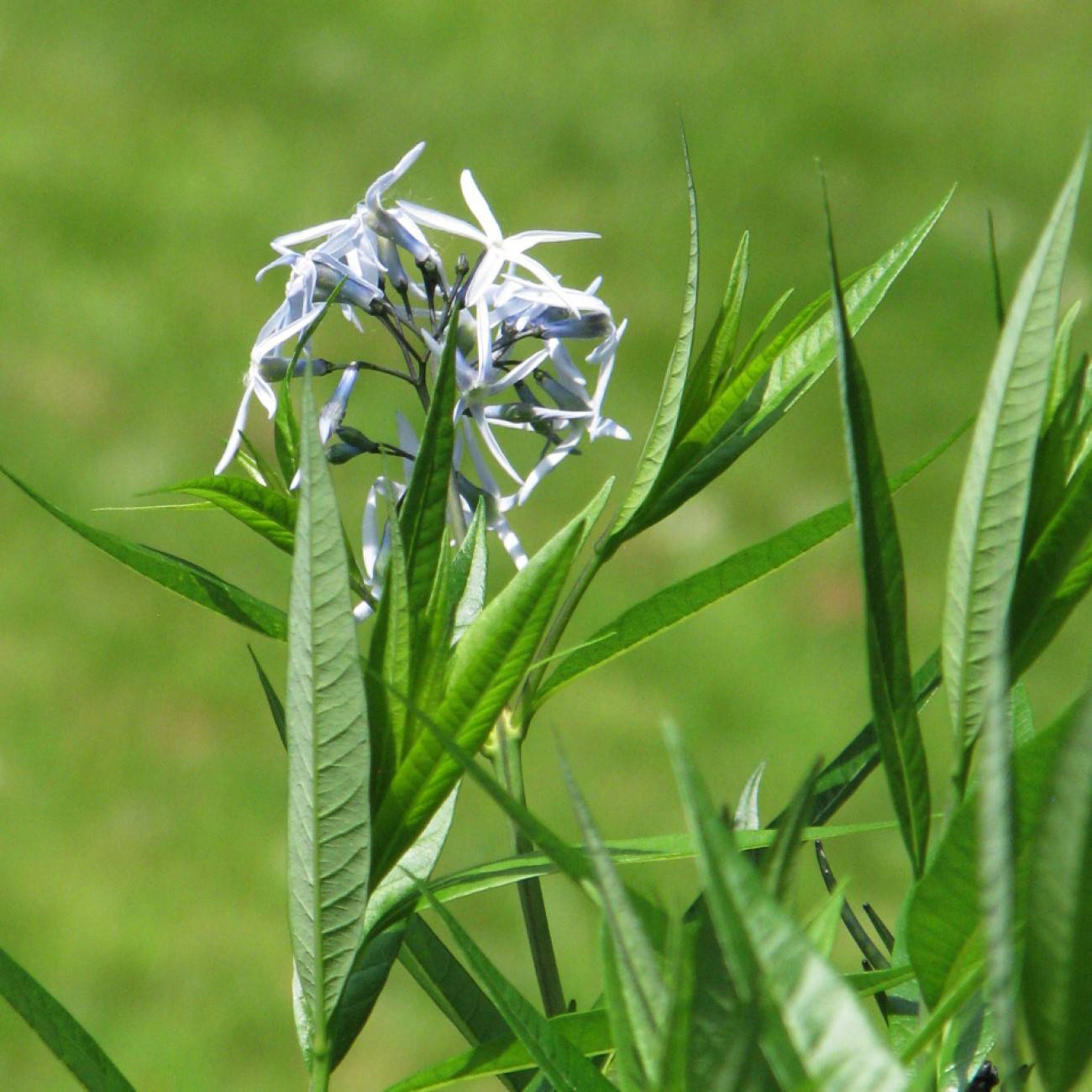
A common misidentification is with Amsonia 'Blue Ice' or 'Blue Star', a herbaceous perennial that shares the "blue star" common name but has soft, green foliage, pale blue spring flowers, and dies back to the ground in winter. If you are unsure if a plant in your yard is juniperus squamata blue star, upload a photo to Sproutly for fast, accurate identification.
Ideal Growing Requirements for Juniperus Squamata Blue Star
Juniperus squamata blue star thrives in full sun (6+ hours of direct sunlight daily) and well-draining, sandy or loamy soil with a pH between 5.0 and 7.0. It is cold hardy down to -30°F (USDA zones 4 to 8) and tolerates temperatures up to 90°F, though it may need temporary shade during extended heatwaves above 95°F.
Light
This shrub requires full sun to maintain its dense growth habit and vibrant blue foliage. Too much shade will cause the branches to stretch out, the foliage to turn dull green, and the plant to become susceptible to pest infestations. If grown in a container, place it in a south or west-facing location that receives unobstructed sunlight for most of the day.
Soil
Juniperus squamata blue star is adaptable to most soil types as long as drainage is excellent. It will not tolerate standing water around its root zone, which can cause root rot in as little as a few weeks. Avoid heavy clay soils unless you amend them with 3 to 4 inches of coarse sand or perlite to improve drainage before planting. It does not require rich or fertilized soil, and will grow well in poor, rocky soils where many other shrubs struggle.
Water
This shrub is drought-tolerant once established, but needs consistent moisture during its first growing season to develop a strong root system. It is humidity-loving, and benefits from occasional misting in arid climates with relative humidity below 30% to prevent needle tip browning. Avoid overhead watering, which can leave moisture on foliage and increase the risk of fungal disease.
Temperature
It can survive winter temperatures as low as -30°F without protection, making it suitable for cold northern climates where many other evergreen shrubs cannot grow. In areas with summer temperatures regularly above 90°F, provide 2 to 3 inches of organic mulch around the base of the plant to keep roots cool and retain soil moisture.
Humidity
Juniperus squamata blue star tolerates a wide range of humidity levels, from the dry air of mountain regions to the moderate humidity of the Midwest and Southeast. In extremely arid regions, mist the foliage once a week during the hottest summer months to prevent desiccation.
Step-by-Step Planting Instructions for Juniperus Squamata Blue Star
Plant Juniperus squamata blue star in early spring or fall, when temperatures are between 40°F and 60°F to reduce transplant shock. Dig a hole twice as wide and the same depth as the root ball, amend heavy clay soil with 3 inches of coarse sand to improve drainage, and space plants 3 to 4 feet apart to allow for mature spread.
Follow these steps for successful planting:
- Water the root ball thoroughly 1 to 2 hours before planting to moisten the roots and reduce stress during transplanting.
- Dig a hole that is twice as wide as the root ball and exactly the same depth, so the top of the root ball sits level with the surrounding soil. Planting too deep can suffocate roots and cause rot.
- If your soil is heavy clay, mix 3 inches of coarse sand or grit into the excavated soil to improve drainage. Do not add compost or other organic matter if your soil is already well-draining, as this can hold excess moisture around the root zone.
- Place the root ball in the center of the hole, then backfill with the amended soil, tamping it down gently as you go to remove air pockets.
- Water the plant deeply to settle the soil, then add a 2 to 3 inch layer of pine bark mulch or gravel around the base, keeping the mulch 2 inches away from the stem to prevent rot.
For the first 30 days after planting, water the shrub every 2 to 3 days to keep the root zone evenly moist but not soggy. Sproutly can generate a personalized watering schedule for your newly planted shrub based on your local rainfall data to avoid over or under watering.
Ongoing Care for Mature Juniperus Squamata Blue Star
Water established Juniperus squamata blue star once every 10 to 14 days during periods of no rainfall, and avoid overwatering to prevent root rot. Fertilize once annually in early spring with a slow-release, balanced 10-10-10 fertilizer, and prune only to remove dead or damaged branches in late winter before new growth emerges.
Watering
Once established (after 1 to 2 growing seasons), this shrub only needs supplemental water during extended dry periods of 2 weeks or more. Reduce watering to once a month in winter, unless your region is experiencing unusually dry, windy conditions that cause soil to dry out quickly. Yellowing or dropping needles are often a sign of overwatering, not underwatering, so always check the top 3 inches of soil for moisture before watering.
Fertilizing
Juniperus squamata blue star does not require heavy fertilization. Apply a slow-release, balanced 10-10-10 fertilizer once in early spring, following the package instructions for application rates based on the size of your shrub. Do not fertilize in late summer or fall, as this can encourage new growth that will be damaged by winter frost.
Pruning
This shrub naturally grows in a neat, mounded shape, so regular pruning is not required. Only prune in late winter before new growth begins, to remove dead, damaged, or diseased branches, or to trim back any stray branches that extend beyond the desired shape. Avoid cutting into old, woody growth that has no green needles, as this part of the plant will not produce new growth.
Winter Care
In USDA zones 4 to 8, juniperus squamata blue star does not need winter protection. In areas with heavy snowfall, gently brush snow off the branches after heavy storms to prevent breakage. Avoid using salt deicers near the plant, as salt can damage the roots and cause foliage to brown in spring.
Common Care Mistakes to Avoid
- Planting in low-lying areas that collect standing water after rain
- Watering on a fixed schedule without checking soil moisture first
- Pruning more than 10% of the plant’s foliage in a single year
- Planting in locations with less than 6 hours of direct sunlight daily
Common Pests and Diseases Affecting Juniperus Squamata Blue Star
Juniperus squamata blue star is relatively pest-resistant, but may be affected by juniper scale, spider mites, and tip blight if grown in overly wet or shaded conditions. Signs of infestation include yellowing needles, white cottony spots on stems, and brown, dying branch tips.
Juniper Scale
These small, sap-sucking insects appear as tiny, white or gray bumps on the stems and undersides of needles. Heavy infestations cause yellowing needles, stunted growth, and branch dieback. Treat with horticultural oil applied in late winter before new growth emerges, or with neem oil sprayed on the foliage in early summer when the scale nymphs are active. Prevent infestations by ensuring the plant has good air circulation and full sun.
Spider Mites
These tiny, red or brown pests feed on the undersides of needles, causing yellow stippling and webbing on the foliage. They are most common in hot, dry conditions. Treat by spraying the foliage with a strong stream of water to knock off the mites, or with insecticidal soap applied every 7 to 10 days until the infestation is gone. Increase humidity around the plant with occasional misting to prevent future outbreaks.
Tip Blight
This fungal disease causes the tips of new branches to turn brown and die back, often starting at the bottom of the plant and moving upward. It thrives in wet, humid conditions where foliage stays moist for extended periods. Treat by pruning and destroying all infected branches, and apply a copper fungicide in early spring to prevent spread. Prevent tip blight by avoiding overhead watering and ensuring the plant has full sun and good air circulation.
If you notice unusual discoloration or damage on your shrub, upload a photo of the affected foliage to Sproutly for a quick diagnosis and personalized treatment recommendation.
Landscaping Ideas for Juniperus Squamata Blue Star
Juniperus squamata blue star’s compact size and year-round blue foliage make it ideal for rock gardens, border edges, foundation plantings, and xeriscaping, as well as container growing for patios and balconies. Its low, spreading habit also works well as a ground cover to prevent soil erosion on sloped yards.
Four-Season Border with Japanese Maples and Evergreen Conifers
Plant juniperus squamata blue star along the front edge of a border, paired with a dwarf Japanese maple for contrasting red and purple foliage in fall, a small Electra Blue Deodar Cedar: Complete Care & Buyer’s Guide for 2025 for height and complementary blue evergreen foliage, and blue jasmine (Clematis crispa) grown on a small trellis for pale blue summer blooms. This design provides consistent color and interest from spring through winter, with minimal maintenance required.
Spring Bulb Pairing with Tulips and Muscari
Use juniperus squamata blue star as a low, evergreen backdrop for spring bulb plantings. Plant clusters of deep purple muscari and fiery red or orange tulips in front of and around the base of the shrub. The silvery-blue foliage of the juniper makes the bright bloom colors pop, and once the bulbs fade in late spring, the shrub fills in the empty space to keep the bed looking neat for the rest of the year. This design works well for foundation plantings or small garden beds near entryways.
Low-Maintenance Summer Border with Hydrangeas and Ornamental Grasses
Plant juniperus squamata blue star along the front of a sunny border, paired with smooth hydrangeas for large white or pink summer blooms, and feather reed grass for height and soft, golden fall foliage. The evergreen foliage of the juniper provides structure to the bed in winter, after the hydrangeas drop their leaves and the grasses are cut back. All three plants have similar full sun and well-draining soil requirements, and only need occasional watering during dry periods.
Best Companion Plants for Juniperus Squamata Blue Star
Pair Juniperus squamata blue star with plants that share its full sun, well-draining soil requirements, and complementary foliage or bloom colors to create a cohesive landscape design. Avoid planting it with shade-loving, high-moisture plants that will compete for resources or create overly wet conditions around its root zone.
Recommended companion plants include:
- Dwarf conifers, such as Blue Chip Juniper (tree form) and Electra Blue Deodar Cedar, for contrasting heights and blue-green foliage tones
- Spring bulbs, including tulips, daffodils, muscari, and alliums, for bright seasonal blooms that stand out against the evergreen foliage
- Low-water perennials, such as lavender, salvia, and yarrow, for summer bloom color and similar drought tolerance
- Ornamental grasses, including feather reed grass, blue fescue, and switchgrass, for soft texture and fall interest
- Flowering shrubs, such as smooth hydrangea, spirea, and potentilla, for seasonal blooms and complementary growth habits
You can browse the Sproutly plant encyclopedia for more pet-safe, full-sun plants that grow well in your hardiness zone to expand your landscape design.
Juniperus Squamata Blue Star vs. Similar Blue Foliage Plants
Juniperus squamata blue star is often confused with Juniperus horizontalis 'Blue Chip' and Amsonia 'Blue Ice' (commonly called blue star), but has distinct traits that set it apart. Blue Chip juniper has a lower, more trailing growth habit and is more drought-tolerant, while Amsonia 'Blue Ice' is a herbaceous perennial that loses its foliage in winter and produces pale blue spring flowers.
| Trait | Juniperus squamata blue star | Juniperus horizontalis 'Blue Chip' | Amsonia 'Blue Ice' |
|---|---|---|---|
| Plant type | Evergreen conifer shrub | Evergreen conifer shrub | Herbaceous perennial |
| Mature size | 1-3ft tall x 3-4ft wide | 6-12in tall x 6-8ft wide | 2-3ft tall x 2-3ft wide |
| Foliage | Silvery-blue needles, year-round | Blue-green needles, year-round | Soft blue-green leaves, dies back in winter |
| Blooms | No showy blooms, produces small blue cones | No showy blooms, produces small blue cones | Pale blue star-shaped flowers in spring |
| Cold hardiness | -30°F (USDA zones 4-8) | -40°F (USDA zones 3-9) | -30°F (USDA zones 4-9) |
| Growth habit | Mounded, low-spreading | Trailing, ground cover | Upright, clumping |
Frequently Asked Questions About Juniperus Squamata Blue Star
How big does Juniperus squamata blue star get?
Juniperus squamata blue star grows 1 to 3 feet tall and 3 to 4 feet wide at maturity, with a slow growth rate of less than 6 inches per year, so it will take 5 to 10 years to reach its full size.
Is Juniperus squamata blue star pet-safe?
Yes, Juniperus squamata blue star is non-toxic to dogs and cats, making it a safe choice for yards where pets play or spend unsupervised time outdoors.
Can Juniperus squamata blue star grow in containers?
Yes, its compact size makes it well-suited for container growing. Use a pot with drainage holes filled with a well-draining cactus or succulent soil mix, and water when the top 2 inches of soil feel dry.
Does Juniperus squamata blue star lose its leaves in winter?
No, it is an evergreen conifer, so it retains its silvery-blue foliage year-round, making it a great option for winter interest in the landscape.
How often should I water Juniperus squamata blue star?
Water newly planted shrubs every 2 to 3 days for the first month, then reduce to once every 10 to 14 days for established plants during periods of no rainfall. Reduce watering to once a month in winter.
Get Custom Care for Your Juniperus Squamata Blue Star
Accurate identification is the first step to providing the right care for any plant, and Juniperus squamata blue star is no exception, especially if you purchased it unlabeled or want to confirm it is not a similar lookalike variety. Consistent care tailored to your specific climate will help it thrive for decades in your landscape.
If you are ready to take the guesswork out of plant care, use Sproutly to snap a photo of your shrub for fast, accurate identification. Log it to your personal plant collection to receive customized care reminders, watering schedules adjusted to your local weather, and pest and disease diagnosis whenever you need it. Try Sproutly today to keep your juniper and all your other plants healthy year-round.
Похожие статьи
Ещё руководства, которые вам понравятся
Lambs Ears: Complete Care Guide, Uses, and Growing Tips
Learn how to grow and care for lambs ears (Stachys byzantina), a soft, fuzzy silver perennial perfect for drought-tolerant gardens and ground cover.
2026-08-02 · 20 min read
Hibiscus China Rose: Identification, Care, Uses, and Growing Guide
Learn how to identify, grow, and care for hibiscus china rose (Hibiscus rosa-sinensis), plus its edible and traditional medicine uses for home gardeners.
2026-08-01 · 14 min read
Delphinium Elatum: Care, Cultivars, Toxicity, and Growing Guide
Learn how to grow and care for Delphinium elatum, including sun, water, and soil needs, popular cultivars, and toxicity warnings for home gardeners.
2026-07-31 · 16 min read