Plant Disease Identification: How to Spot Common Issues and Prevent Spread
Learn step-by-step plant disease identification to spot fungal, bacterial, and viral issues early, plus how to protect susceptible and disease-resistant plants in your space.
Plant Disease Identification: How to Spot Common Issues and Prevent Spread
Plant disease identification relies on recognizing four core infectious symptoms: leaf spots with yellow halos, fuzzy gray mold growth, stunted new foliage, and oozing stem lesions. These signs are distinct from non-infectious issues like nutrient deficiencies or pest damage, and spotting them early can prevent spread to nearby healthy plants.
Core Signs to Look for During Plant Disease Identification
Leaf spots with yellow halos, fuzzy gray mold growth, stunted new foliage, and oozing stem lesions are the four most consistent indicators of infectious plant disease, distinct from nutrient deficiencies or pest damage. Split your plant check into three parts: inspect upper and lower leaf surfaces, stem joints, and soil line for discoloration or unusual texture.
Fungal vs. Bacterial vs. Viral Disease Key Differentiators
Fungal diseases often produce visible spores or fuzzy growth, bacterial diseases cause wet, oozing lesions, and viral diseases lead to mottled, distorted foliage without obvious growths. Note that viral diseases are not curable, while many fungal and bacterial issues can be treated if caught early.
- Fungal diseases: Most common in 60–80°F temperatures with high humidity, often form powdery or rust-colored coatings on leaf surfaces
- Bacterial diseases: Spread via water splash or contaminated tools, lesions may have a foul odor and appear water-soaked
- Viral diseases: Usually spread by insect pests like aphids, cause consistent mosaic patterning or curling across all new growth
Common Issues Mistaken for Plant Disease
Overwatering root rot, sun scorch, and spider mite stippling are frequently misidentified as infectious plant disease. Run a quick check: poke 2 inches into soil to rule out overwatering, and look for tiny webbing on leaf undersides to rule out spider mites before proceeding with disease treatment.
- Overwatering damage causes uniform yellowing of lower leaves and soft, mushy stems, no spots or mold
- Sun scorch forms large, dry brown patches on leaves facing direct light, no halos around discolored areas
- Spider mite stippling creates tiny, uniform light dots across leaf surfaces, often accompanied by fine webbing on leaf undersides
Step-by-Step Plant Disease Identification Process for Home Growers
Start your identification by noting the plant type, growing conditions, and first date you spotted symptoms, as many diseases only impact specific plant groups and thrive in specific temperature or humidity ranges. You can cross-reference your findings with reputable plant care resources or use a plant identification tool to confirm a diagnosis.
- Record context: Note your plant’s species, recent care changes (watering, fertilizer, location), and whether any nearby plants have similar symptoms
- Document symptoms: Take clear photos of all affected parts, plus a full shot of the plant and its growing environment
- Cross-reference: Match symptoms to known diseases for your specific plant type, ruling out non-infectious issues first
- Confirm diagnosis: Use a trusted resource or tool to verify your findings before starting treatment
How to Document Symptoms for Accurate ID
Take clear photos of affected areas in natural light, including close-ups of lesions, a full shot of the entire plant, and a photo of the plant’s growing location (including light exposure and nearby plants). Note recent changes to your care routine, such as a new watering schedule or fertilizer application, to rule out care-related stress. Avoid using flash when taking photos, as it can distort discoloration and make spots harder to distinguish. If you notice unusual texture like fuzz or oozing, include a photo of that feature from multiple angles.
When to Use a Tool to Confirm Your Diagnosis
If symptoms are ambiguous or you are working with a rare plant variety, use Sproutly to upload photos of your plant and its symptoms for fast plant disease identification tailored to your specific plant type. The app can also suggest targeted treatment steps based on your diagnosis. Tools are particularly helpful for distinguishing between similar-looking fungal diseases that require different treatment approaches, such as powdery mildew vs. downy mildew.
Most Common Plant Diseases for Outdoor Ornamentals and Fruits
Powdery mildew, anthracnose, and black spot are the three most widespread outdoor plant diseases, thriving in 60–80°F temperatures and high humidity, with many ornamental trees and fruiting vines being particularly susceptible. You can reduce risk by spacing plants 1–3 feet apart to improve air circulation and avoiding overhead watering.
- Powdery mildew: Forms a white, powdery coating on leaf surfaces, impacts nearly all ornamental and edible plant types
- Anthracnose: Causes dark, sunken lesions on leaves, stems, and fruit, most common on trees like dogwoods and fruiting vines
- Black spot: Forms circular black spots with yellow halos on rose leaves, spreads rapidly in wet conditions
Disease-Resistant Varieties to Reduce Your Care Burden
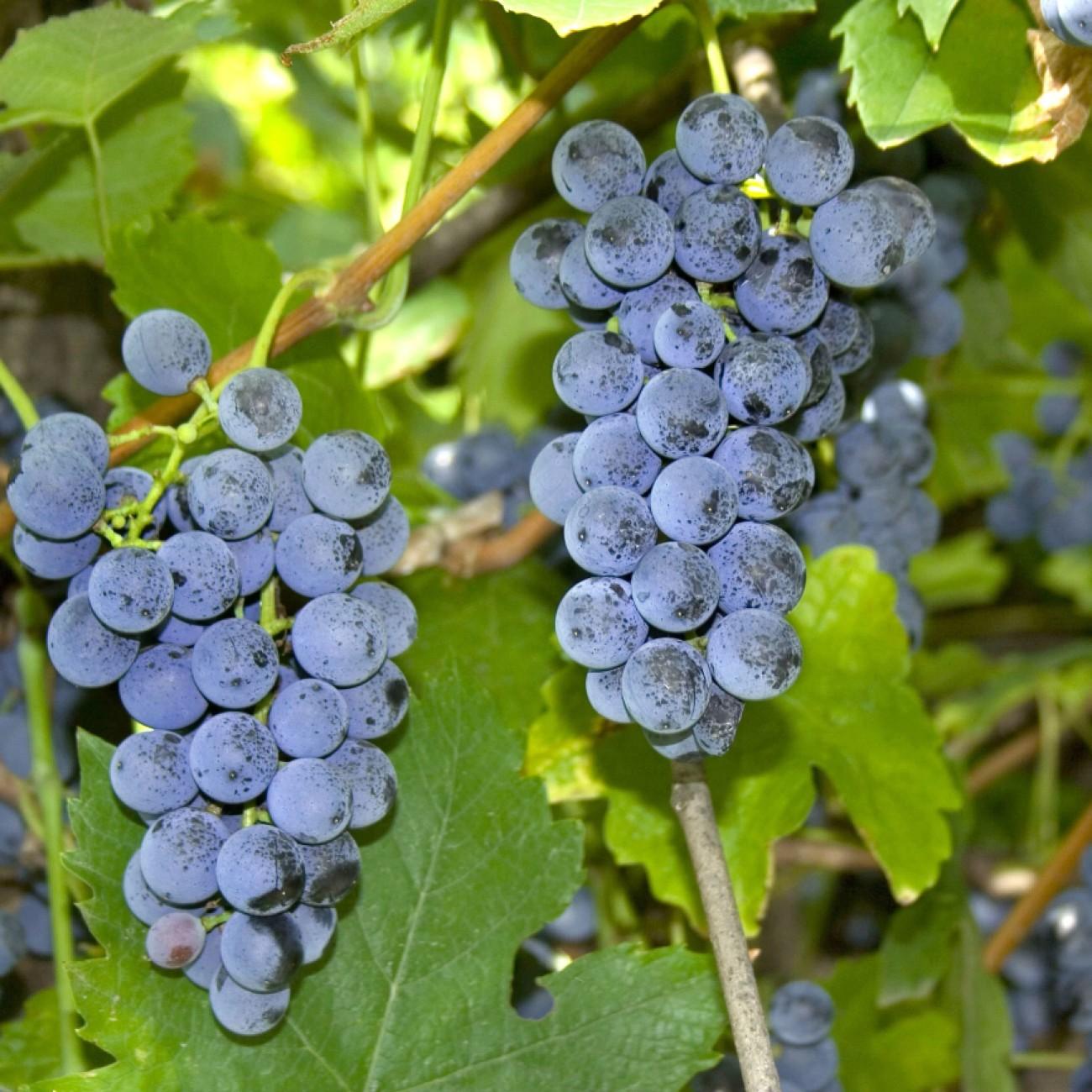
If you struggle with repeated fungal disease issues, opt for naturally resistant varieties such as hybrid dogwood (Cornus 'Kn30 8' VENUS), which is bred to resist common dogwood anthracnose, and Fox Grape (Vitis labrusca), a North American native grapevine with high resistance to common grape diseases. These varieties require far fewer fungicide applications and less frequent disease monitoring. If you prefer plants with distinctive foliage, you can also explore disease-resistant options covered in Purple Leaf Plant Identification: A Simple Guide to Common Outdoor and Houseplants to add variety to your garden without increasing disease risk.
How to Stop Disease Spread After Identification
Immediately isolate affected plants from healthy specimens, prune away all infected tissue with disinfected shears, and avoid working with wet plants to prevent spore transfer to other areas of your garden or home. Disinfect all tools used on affected plants with a 10% bleach solution between each cut to avoid cross-contamination. For potted plants, move them at least 3 feet away from healthy plants, and for in-ground plants, avoid watering the affected area first during irrigation sessions to prevent water splash spread.
At-Home Treatment Options for Common Fungal and Bacterial Diseases
For mild fungal infections, apply a neem oil spray every 7–14 days until symptoms clear, following label instructions to avoid leaf burn. For bacterial diseases, remove all affected tissue and apply a copper-based fungicide to prevent secondary infection, as most bacterial diseases do not have targeted curative treatments. Only apply treatments when temperatures are below 85°F to avoid leaf damage, and test sprays on a small, unaffected section of the plant first to confirm no adverse reaction.
When to Dispose of an Infected Plant
If more than 60% of the plant is affected, or if you confirm a viral disease with no cure, dispose of the plant in sealed garbage bags (do not compost it, as many pathogens can survive home composting temperatures). This will prevent the disease from spreading to nearby healthy plants. If you are growing edible plants, dispose of any plant that has bacterial lesions on fruit, as these lesions can harbor pathogens that pose food safety risks even if the rest of the fruit appears healthy.
Preventative Steps to Reduce Future Disease Risk
Water plants at the soil line instead of overhead, maintain 1–3 feet of space between outdoor plants for air flow, and remove fallen leaf litter from plant bases every 2–4 weeks to eliminate pathogen breeding grounds. These simple steps reduce disease risk by up to 70% for most common home garden plants. For particularly susceptible plants, add a 2-inch layer of mulch around the base to prevent soil-borne pathogens from splashing up onto lower leaves during rain or irrigation.
Seasonal Disease Prevention Checklists
In spring, apply a preventive organic fungicide to susceptible plants as new growth emerges. In fall, remove all dead foliage from garden beds and dispose of it rather than composting to eliminate overwintering pathogens. In winter, sanitize all garden tools and pots to prepare for the next growing season.
- Spring: Inspect new growth weekly for early symptoms, apply preventive treatments if your area has a history of spring fungal outbreaks
- Summer: Water early in the morning so foliage dries quickly, prune overcrowded growth to improve air circulation
- Fall: Remove all fallen fruit and leaves from under trees and shrubs, avoid pruning susceptible plants late in the season when wounds heal slowly
- Winter: Soak pruning shears, trowels, and pots in a 10% bleach solution for 10 minutes to kill any lingering pathogens
Frequently Asked Questions
Is plant disease identification possible from photos alone?
Many common plant diseases can be accurately identified from clear, well-lit photos of symptoms, though ambiguous cases may require additional context about growing conditions and care routine. Tools like Sproutly use visual recognition paired with care context to improve identification accuracy.
Can all plant diseases be cured once identified?
No, viral plant diseases have no cure and require you to dispose of the infected plant to prevent spread. Most fungal and bacterial diseases can be treated if caught early, with treatment success dropping sharply once more than 50% of the plant is affected.
What’s the difference between plant disease and pest damage?
Pest damage often leaves tiny bite marks, webbing, or visible bugs on leaf undersides, while plant disease typically causes spots, mold growth, oozing lesions, or mottled foliage without obvious pest signs. You can rule out pests by checking leaf undersides and stem joints for live bugs or eggs.
Are disease-resistant plants immune to all plant diseases?
No, disease-resistant plants are bred to resist specific common pathogens for their species, but they may still develop disease if exposed to extreme conditions, such as prolonged high humidity or contact with a highly infected plant. They simply have a much lower risk of developing disease than non-resistant varieties.
Simplify Plant Disease Identification With Sproutly
If you’re unsure about symptoms or need fast, tailored treatment advice, Sproutly’s plant identification and care tools can help you confirm a diagnosis and get step-by-step guidance to nurse your plant back to health. The app also lets you log care routines and set reminders for preventative checks to catch issues early before they spread.
Try Sproutly today to make disease detection and plant care simpler for every plant in your space.
관련 읽을거리
마음에 들 것 같은 더 많은 가이드
Trees in Florida Identification Guide: 7 Common Native and Cultivated Species to Spot
Identify trees across Florida with this practical guide: recognize key foliage, flower, and bark traits for common species found in yards, parks, and wild spaces.
2026-06-24 · 10 min read
Tropical Plant Care Guide for California: Grow Thriving Tropicals Indoors & Out
Learn how to grow tropical plants in California’s varied climate, from indoor humidity tips to outdoor sun-tolerant varieties that thrive in Golden State conditions.
2026-06-24 · 12 min read
8 Unique Plant Species to Grow in Full-Sun Outdoor Spaces (All Pet-Safe)
Explore low-fuss, pet-safe plant species for full-sun outdoor gardens, from trailing groundcovers to flowering shrubs that thrive with minimal upkeep.
2026-06-24 · 8 min read