Tropical Plant Care Guide for California: Grow Thriving Tropicals Indoors & Out
Learn how to grow tropical plants in California’s varied climate, from indoor humidity tips to outdoor sun-tolerant varieties that thrive in Golden State conditions.
Tropical plant ca care is tailored to the state’s diverse microclimates, from foggy coastal zones to scorching inland deserts and cold mountain regions. Most varieties thrive when matched to your local temperature and sun patterns, with potted options for areas that see annual freezes. Ideal growing temperatures for nearly all tropicals fall between 65–85°F.
Can tropical plants survive in California’s climate?
Many tropical plants thrive in California, especially when matched to your specific microclimate. Coastal zones with mild winters (USDA zones 9–11) support outdoor tropicals year-round, while inland and mountain regions work best for potted tropicals you move indoors during freezes. Most tropicals need temperatures between 65–85°F to stay healthy.
Temperatures below 30°F will damage or kill most unprotected tropical foliage, so if you live outside frost-free coastal zones, prioritize varieties labeled cold-hardy or keep plants in portable containers. Even in desert regions, tropicals can grow outdoors in the summer if you provide shade during the hottest midday hours and extra humidity around their leaves. Following targeted tropical plant ca guidelines will help you avoid common stress triggers specific to the state’s variable conditions.
Outdoor tropical plants for California yards
Stick to full-sun, drought-tolerant tropical varieties for outdoor planting in most California regions. Prioritize options that can handle occasional low temperatures down to 30°F if you live outside coastal frost-free zones. Plant them in well-draining soil to avoid root rot during rare heavy rain events.
Avoid planting water-heavy tropicals like standard banana trees directly in the ground in desert or inland areas, as their high moisture needs will conflict with regular drought restrictions. For all outdoor tropicals, add a 2-inch layer of organic mulch around the base of the plant to retain soil moisture and insulate roots from extreme temperature swings.
Full-sun tropical picks for inland and southern CA
These varieties tolerate direct sun for 6+ hours per day, high temperatures up to 100°F, and occasional short dips below freezing:
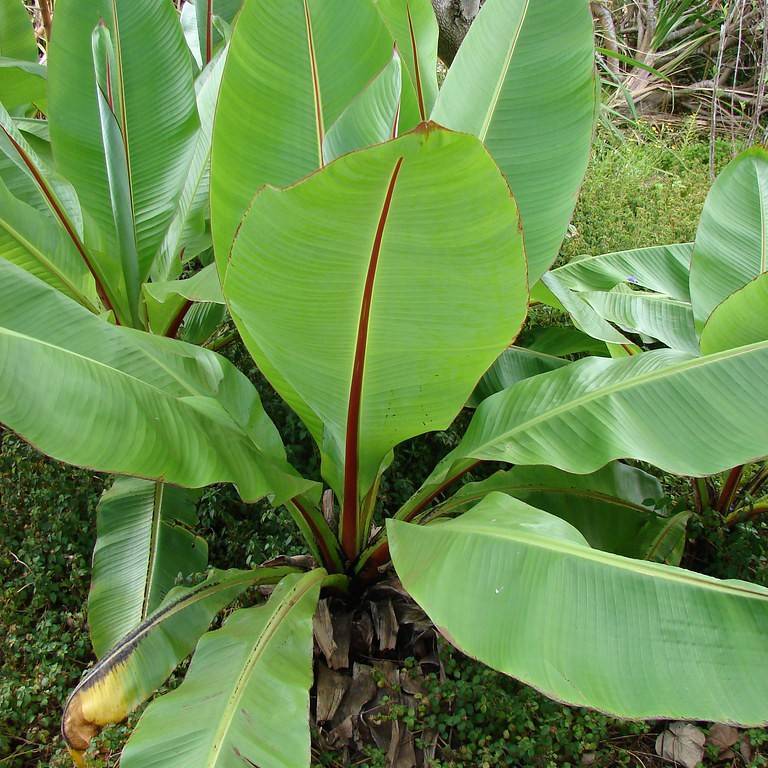
- Abyssinian banana: Fast-growing foliage plant that produces large, tropical leaves and works well as a focal point in yard beds or large patio pots. It is pet-safe, so it is a good fit for yards with roaming dogs.
- American century plant: Low-maintenance succulent tropical with wide, spiky blue-green leaves that can grow up to 6 feet wide. It needs almost no supplemental water once established.
- Beautyberry: Flowering tropical shrub that produces clusters of bright purple berries in fall, and tolerates both full sun and partial shade. It is non-toxic to pets and supports local pollinator populations.
If you are interested in growing edible tropicals, check out our tropical plant ca care guide for jackfruit for tips specific to Southern California growing conditions.
Partial-shade tropicals for foggy coastal areas
Coastal zones with consistent fog and mild year-round temperatures support tropicals that cannot handle intense direct sun. These picks thrive with 2–4 hours of dappled sun per day:
- Bishop’s hat: Low-growing ground cover with delicate, heart-shaped leaves and tiny pink or yellow spring flowers. It tolerates cool coastal temperatures down to 25°F and needs minimal water once established.
- Clumping bamboo: Non-invasive bamboo varieties that grow well in shaded coastal yards, providing natural privacy screening with tall, lush foliage. Keep it contained to planters if you want to prevent spread.
- Ginger lily: Flowering tropical that produces fragrant white or pink blooms in late summer, and thrives in the high humidity of coastal fog belts.
Indoor tropical plant care for California homes
California’s dry indoor air (especially during winter heating months) is the biggest challenge for indoor tropicals, most of which need 50–70% humidity. Group plants together to raise ambient moisture, or place a tray of pebbles and water under pots to avoid leaf browning. Keep them away from drafty windows and AC vents that cause sudden temperature swings.
Indoor temperatures in most California homes stay within the 65–85°F range tropicals prefer, so humidity and light are the main factors that will determine your plants’ success. Avoid placing tropicals near fireplaces or space heaters, as these sources of dry heat can cause leaf drop in as little as 2–3 days. If you need help tracking humidity levels or setting a consistent watering schedule, Sproutly’s custom care reminders are tailored to tropical plant ca needs specific to your home’s location.
Watering tips for low-humidity indoor spaces
Dry air speeds up moisture loss from potting soil, so you may need to water indoor tropicals slightly more often than you would in more humid regions. Follow these guidelines to avoid over or under watering:
- Check soil moisture before watering by sticking your finger 2 inches deep into the potting mix. Water only if the soil feels completely dry.
- Use room-temperature filtered water, as California tap water often contains high levels of chlorine and fluoride that can cause brown leaf tips on sensitive tropicals.
- Water thoroughly until water drains out the bottom of the pot, then empty the saucer immediately to prevent root rot.
If you use a smart irrigation system for your outdoor plants, adjust your indoor watering schedule in winter, when heating systems run more often and soil dries out faster.
Light requirements for indoor tropicals in CA
Light levels vary drastically across California homes, from bright, sun-facing south windows in inland areas to dim, fog-filtered light in coastal homes. Match your plant picks to your available light:
- For low-light rooms with north-facing windows: Choose bamboo palm, which tolerates low, indirect light and only needs 1–2 hours of weak sun per day.
- For bright rooms with east or west-facing windows: Pick Begonia ‘Penny Lahn’, a flowering tropical that produces pink blooms in spring and summer with 2–3 hours of morning sun.
- For sun-facing south windows: Opt for succulent tropicals like the American century plant, which tolerates direct indoor sun and needs minimal water.
Pet-safe tropical plants for California homes and yards
If you have dogs or cats, choose non-toxic tropical varieties approved by the ASPCA to avoid accidental poisoning risks. Many pet-safe tropicals work both indoors as houseplants and outdoors in shaded patio planters across most of California. Always verify a plant’s toxicity before bringing it home if you have curious pets.
Avoid common toxic tropicals like pothos, philodendron, and Amazonian elephant’s ear if you have pets that chew on leaves, as even small bites can cause oral irritation and gastrointestinal upset. When shopping for tropical plants, save photos of unfamiliar varieties to check their toxicity status before purchasing. Sproutly includes toxicity flags for all tropical plant ca entries, so you can quickly confirm if a variety is safe for your pets before you buy.
Pet-safe indoor tropical picks
These non-toxic tropicals thrive in California’s indoor conditions and are safe for dogs and cats:
- Bamboo palm: Low-maintenance palm with soft, arching fronds that removes formaldehyde and benzene from indoor air. It tolerates low light and only needs water when the top 2 inches of soil are dry.
- Begonia ‘Penny Lahn’: Flowering tropical with ruffled green leaves and pink blooms that grows well in hanging baskets or on shelves away from direct sun.
- Peperomia obtusifolia: Compact tropical with thick, waxy green leaves that needs very little water and tolerates low to medium light levels.
Pet-safe outdoor tropicals for CA yards
These non-toxic tropicals grow well outdoors in most California regions and are safe for pets that roam the yard:
- Abyssinian banana: Fast-growing foliage plant that provides shade for patio areas and has non-toxic leaves and stems.
- Beautyberry: Flowering shrub with edible (though bland) berries that are safe for pets to eat, and supports local bird populations.
- Bishop’s hat: Low-growing ground cover that is non-toxic to pets and tolerates foot traffic from small dogs.
Drought-tolerant tropical plants for water-wise CA gardens
California’s regular drought restrictions make low-water tropical varieties a smart pick for outdoor planting. Some succulent and semi-succulent tropicals only need water every 2–4 weeks once established, fitting in perfectly with xeriscaping and low-water landscape requirements. Avoid high-water tropicals if you live in an area with frequent water use limits.
All drought-tolerant tropicals need regular water for the first 3–6 months after planting to help their root systems establish. Once rooted, they can survive on natural rainfall alone in most coastal regions, with only occasional supplemental water during extended dry periods.
Top drought-tolerant tropical picks for CA
These varieties use 75% less water than standard tropical plants, making them ideal for water-wise gardens:
- American century plant: Succulent tropical that stores water in its thick leaves, and can survive for months without supplemental water. It tolerates full sun, high temperatures, and poor soil conditions.
- Bishop’s hat: Semi-succulent ground cover that needs water only once every 3–4 weeks during summer dry spells.
- Desert rose: Flowering succulent tropical with bright pink or red blooms that thrives in full desert sun and only needs water every 2–3 weeks in summer.
Watering schedule for established outdoor tropicals
Adjust your watering schedule based on your region’s climate and rainfall levels:
- Coastal fog zones: Water once every 3–4 weeks during summer, no supplemental water needed in winter.
- Inland valleys: Water once every 2 weeks during summer, once every 4–6 weeks in winter.
- Desert regions: Water once every 10–14 days during summer, once every 4 weeks in winter.
Common tropical plant problems in California and how to fix them
The most common issues for tropical plants in California are brown leaf tips from low humidity, sun scorch from intense inland summer sun, and frost damage during rare cold snaps. Spider mites also thrive in dry California air, so inspect leaf undersides weekly for tiny red or brown pests if you notice stippled, yellowing foliage.
Most issues are easy to fix if caught early, so check your plants once per week for signs of stress. Adjust care routines gradually, as sudden changes in light, water, or humidity can cause additional stress to tropicals. If you are troubleshooting an unexpected issue with a new plant, upload a photo to Sproutly for an instant diagnosis and step-by-step fixes tailored to tropical plant ca care guidelines for your region.
Fixing humidity-related leaf damage
Brown, crispy leaf tips and edges are the most common sign of low humidity for indoor and outdoor tropicals. To fix existing damage and prevent future issues:
- Trim brown leaf tips with clean, sharp scissors, cutting at a slight angle to match the natural shape of the leaf.
- For indoor plants, run a cool-mist humidifier near your plant collection for 4–6 hours per day to raise ambient humidity to the 50–70% range.
- For outdoor plants, mist leaves with water once per morning during summer heat waves to add temporary moisture.
Spider mites often appear alongside low humidity issues, so wipe leaf undersides with a damp cloth weekly to remove existing pests and prevent new infestations.
Treating sun scorch on outdoor tropicals
Sun scorch appears as large, dry, brown or white patches on leaves that face direct midday sun, and is most common for newly planted tropicals in inland and desert regions. To treat and prevent scorch:
- Remove fully scorched leaves, as they will not recover and can attract pests.
- Install a 30% shade cloth over tropical beds during the hottest summer months, from mid-June to early September.
- Plant new tropicals in early spring, so they have time to acclimate to sun levels before summer heat arrives.
Grow tropical plants successfully in California with Sproutly
If you are not sure what tropical plant will work best for your specific California zip code, light conditions, and care routine, Sproutly can help. The app identifies plants from photos, sends custom care reminders tailored to your local weather, and flags toxicity risks for pets before you bring a new plant home. Upload a photo of any tropical plant you see at a nursery to get instant care tips specific to your region.
You can also use Sproutly to log your existing plant collection, track rainfall and humidity levels in your neighborhood, and get alerts when cold snaps or heat waves are forecasted so you can protect your outdoor tropicals. For consistent, location-specific guidance, Sproutly’s tropical plant ca resources simplify care even if you are new to growing non-native varieties in the state.
FAQ
What tropical plants grow outdoors in Southern California?
Full-sun tropicals like Abyssinian banana, American century plant, and beautyberry grow well outdoors in Southern California’s mild, frost-free climate. In areas that see occasional dips below 32°F, plant them in pots you can move indoors during cold snaps.
How do I raise humidity for indoor tropical plants in California?
Group plants together to trap moisture in their shared microclimate, use a cool-mist humidifier near your plant collection, or set pots on a tray filled with pebbles and water (make sure the pot base sits above the water line to avoid root rot).
Are there drought-tolerant tropical plants for California yards?
Yes, the American century plant (Agave americana) is a drought-tolerant tropical succulent that only needs water every 2–4 weeks once established, making it ideal for water-wise California gardens. It can handle full sun and temperatures up to 100°F with no extra care.
What pet-safe tropical plants work for California homes?
Bamboo palm, Begonia ‘Penny Lahn’, and Abyssinian banana are all non-toxic to dogs and cats, and thrive in both indoor California homes and shaded outdoor patios. Always confirm a plant’s toxicity before purchasing if you have pets.
Try Sproutly
Ready to find the perfect tropical plants for your California home or yard, and get custom care tips tailored to your exact location? Download Sproutly today to identify plants, set care reminders, and grow a thriving tropical collection with confidence.
관련 읽을거리
마음에 들 것 같은 더 많은 가이드
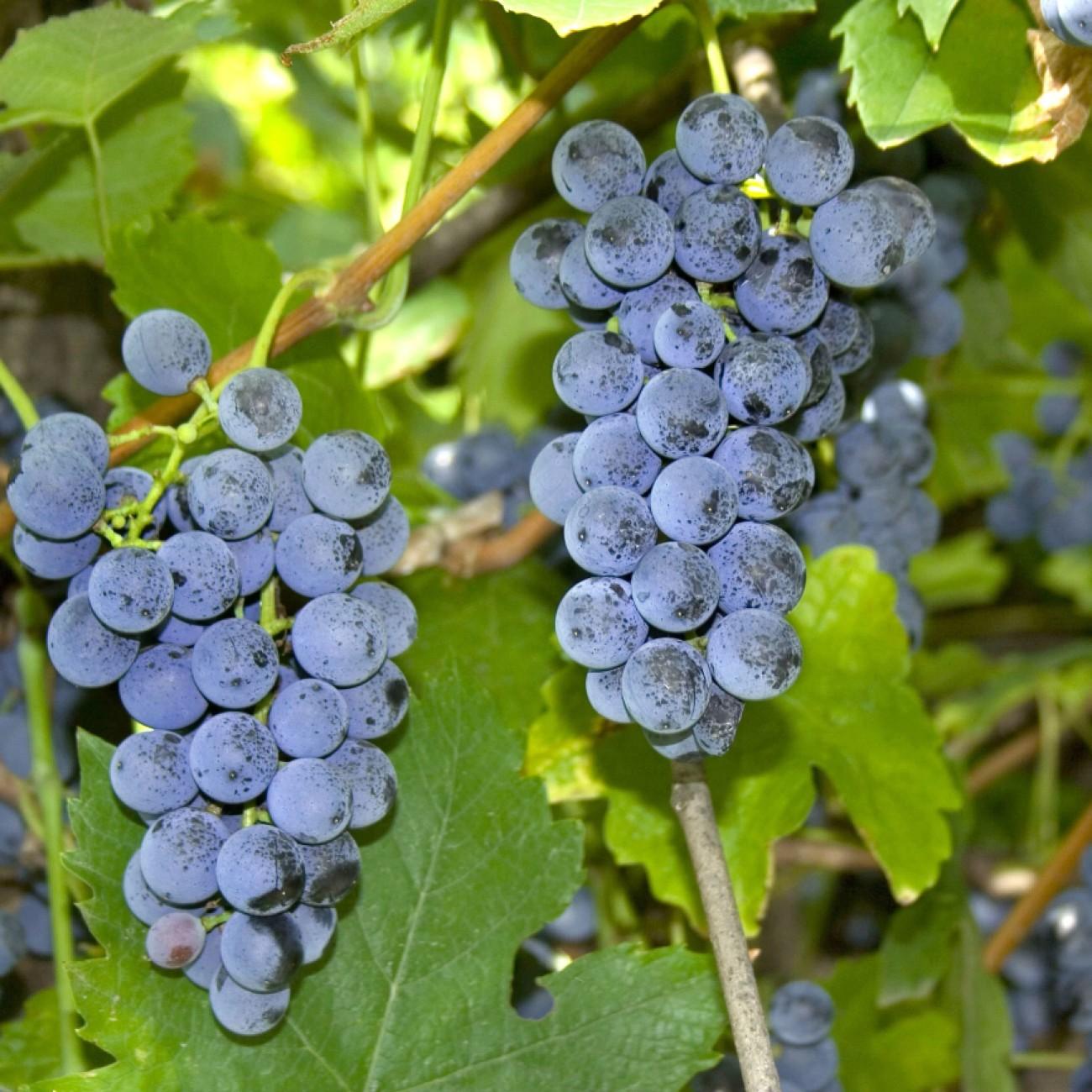
Plant Disease Identification: How to Spot Common Issues and Prevent Spread
Learn step-by-step plant disease identification to spot fungal, bacterial, and viral issues early, plus how to protect susceptible and disease-resistant plants in your space.
2026-06-24 · 9 min read
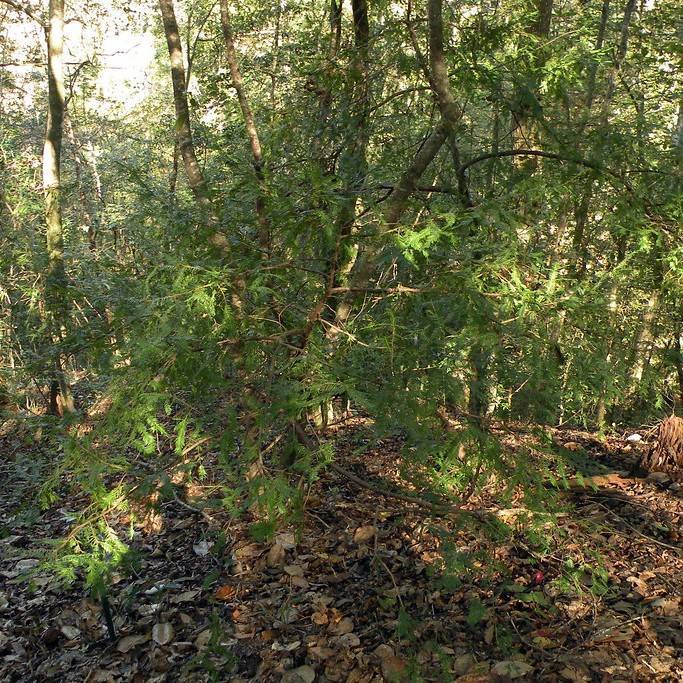
Trees in Florida Identification Guide: 7 Common Native and Cultivated Species to Spot
Identify trees across Florida with this practical guide: recognize key foliage, flower, and bark traits for common species found in yards, parks, and wild spaces.
2026-06-24 · 10 min read
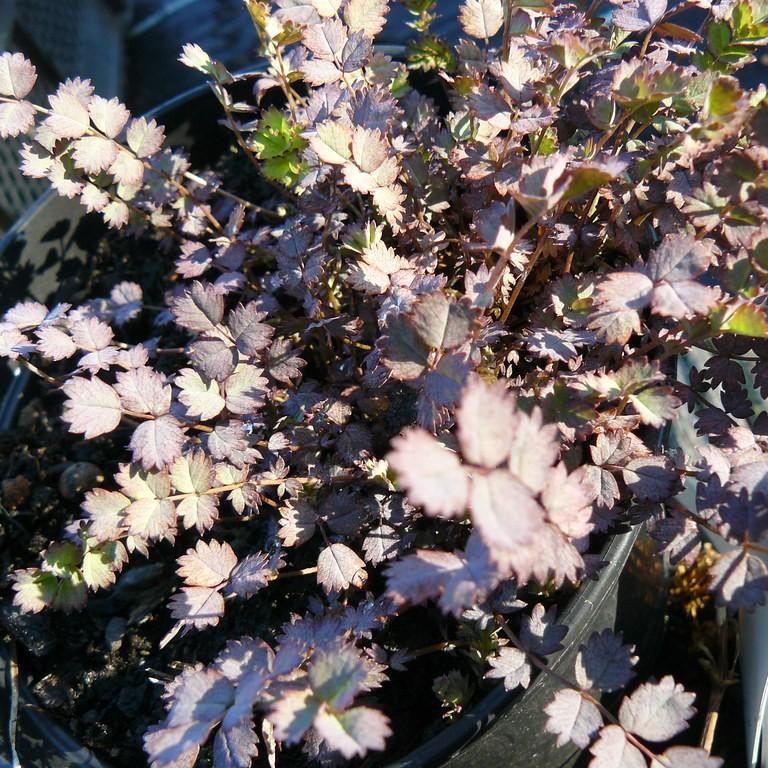
8 Unique Plant Species to Grow in Full-Sun Outdoor Spaces (All Pet-Safe)
Explore low-fuss, pet-safe plant species for full-sun outdoor gardens, from trailing groundcovers to flowering shrubs that thrive with minimal upkeep.
2026-06-24 · 8 min read