Duckweed: Complete Guide to Care, Uses, and Management
Learn all about duckweed: floating aquatic plant care, uses for bioremediation, food, energy, and how to control its spread if it becomes invasive.
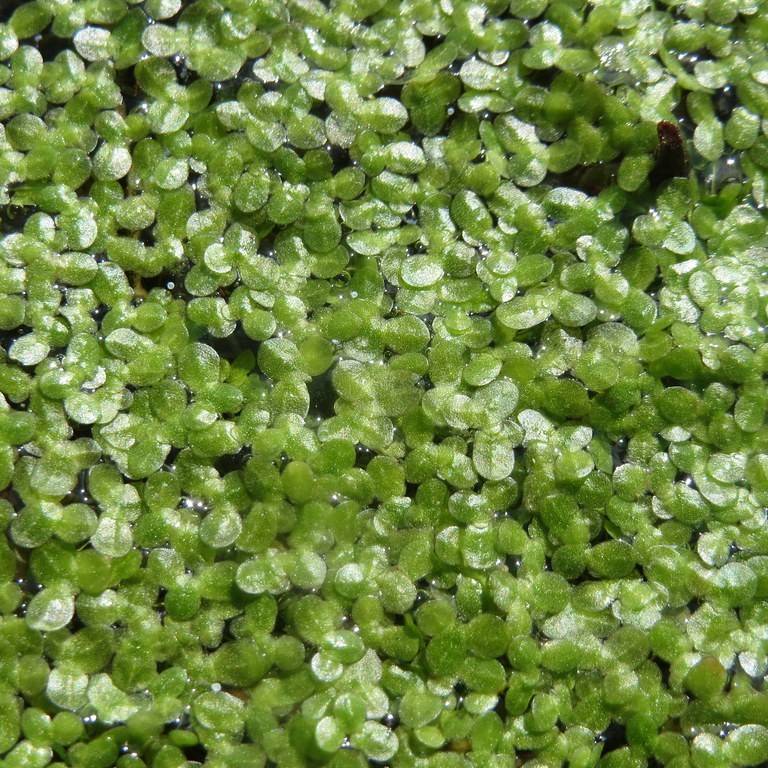
This tiny floating aquatic perennial grows in dense mats on still freshwater surfaces, valued for its fast growth, nutrient absorption capabilities, and use cases ranging from aquarium filtration to sustainable food and energy production. Duckweed can be grown in home setups or managed as an invasive species if it spreads outside its native range.
What Is This Floating Aquatic Plant? Key Identification Traits
The most common variant, Lemna minor, is one of the smallest flowering plants on Earth, with individual fronds measuring just 1–8 mm wide and no visible stems or complex leaves. Its simplified structure is adapted for floating and rapid reproduction, though it is often mistaken for similar small floating plants like watermeal or frogbit.
Core Traits to Spot It
- Bright, pale green oval fronds (no visible stems or leaves)
- Single thin root hanging below each frond (for nutrient absorption, not anchoring)
- Grows in dense, interconnected mats that cover entire water surfaces in ideal conditions
- No visible flowers for most of its growth cycle
If you are unsure whether a floating plant in your pond or aquarium is the species in question, upload a photo to the Sproutly app to confirm its identity and rule out lookalikes. You can also reference the duckweed (Lemna minor) plant profile for more detailed species-specific traits.
Taxonomy and Common Variants
This plant is part of the Lemnaceae family, which includes 5 genera and over 30 species of small floating aquatic plants. The Lemna minor variant is the most widespread, found on every continent except Antarctica, though other species vary in size and structural traits.
Most Common Species
- Lemna minor: The most abundant species, with 1–3 mm fronds and a single root per frond
- Spirodela polyrhiza (giant variant): Larger fronds up to 10 mm wide, with multiple roots per frond
- Wolffia arrhiza (watermeal): The smallest flowering plant in the world, measuring less than 1 mm wide with no roots
All species share the same fast growth rate and nutrient absorption capabilities, though the giant variant is often preferred for commercial uses due to its larger size and easier harvesting.
Natural Habitat and Growth Conditions
This plant grows naturally in still or slow-moving freshwater environments, including ponds, lakes, marshes, and slow streams, in temperatures between 60–86°F (15–30°C). It thrives in water high in nitrogen and phosphorus, which is why it often appears in nutrient-rich runoff zones near agricultural fields or residential areas.
Ideal Growth Parameters
- Full sun to partial shade (6+ hours of direct light daily for fastest growth)
- Still water with no heavy current (waves or fast flow break apart mats and slow growth)
- pH range of 6.0–7.5 for optimal nutrient uptake
- Winter hardy in USDA zones 4–10; dies back in freezing temperatures and regrows from dormant fronds in spring
In regions outside its native range, these ideal conditions can allow the plant to spread rapidly and outcompete native plants. For guidance on distinguishing native from non-native aquatic species, see our guide on how to identify duckweed and other invasive aquatic plants.
Fossil Record and Evolution
Fossil evidence dates this plant back to the late Cretaceous period, over 66 million years ago, with remains found in North America and Europe. Its simplified structure (no stems or complex leaves) is an evolutionary adaptation to its floating aquatic lifestyle, allowing it to reproduce and spread rapidly in stable freshwater environments.
Genetic studies show the species evolved from terrestrial aroid plants, gradually reducing non-essential structures to prioritize fast growth and nutrient absorption in water. This evolutionary path is similar to other highly specialized crop plants, including the argan tree, which adapted to harsh arid conditions to become a high-value agricultural resource, as outlined in our Argan: Complete Guide to the Argan Tree, Cultivation, Uses, and Unique Character post.
Practical Care for Home Aquariums and Ponds
This plant is a low-maintenance option for aquatic setups, requiring no substrate or planting. It grows rapidly without intervention, though you will need to thin mats regularly to prevent it from blocking light to submerged plants or fish.
Step-by-Step Care Tips
- Add a small clump of the plant to the surface of still, dechlorinated water in your aquarium or pond
- Provide 6+ hours of indirect or direct light daily; avoid intense midday sun that can scorch fronds
- Thin out 50% of the mat every 7–10 days to keep coverage under 30% of the water surface
- No supplemental fertilization is required for most setups, as the plant feeds on excess fish waste and organic debris
Use the Sproutly app to set monthly reminders to thin your mat and test water nutrient levels if growth slows unexpectedly. For more general guidance on keeping aquatic plants healthy, check our aquatic houseplant care tips.
Key Uses: Bioremediation, Food, and Energy
Its fast growth and high nutrient absorption rate make this plant useful for a wide range of commercial and residential applications, from water purification to high-protein food and sustainable energy production. Many of these use cases are still under active research, though small-scale applications are already common for hobbyists and small farms.
Bioremediation and Water Purification
This plant absorbs up to 90% of excess nitrogen and phosphorus from agricultural runoff and wastewater, plus heavy metals like lead and arsenic, making it a low-cost natural filter for contaminated water sources. Small-scale installations are often used to treat residential greywater or reduce nutrient levels in farm ponds, while large municipal projects use it to pre-treat wastewater before it is released into natural waterways.
Animal and Human Food
Dried, it is 20–40% protein by dry weight, higher than soybeans, making it a popular livestock feed supplement for poultry, fish, and cattle. It is also a common feed for aquarium fish, as it provides a natural, nutrient-dense food source for herbivorous species. Some cultures harvest wild fronds to cook as a leafy green, as it is also high in vitamin A and iron. Only harvest fronds from confirmed clean water sources, as the plant absorbs heavy metals and pollutants from contaminated water.
Potential Clean Energy Source
Research shows the plant can be converted to bioethanol and biogas with lower land and water requirements than corn or sugarcane, as it grows 5–7 times faster than most terrestrial crops and can be cultivated on non-arable land in wastewater ponds. Unlike corn, it does not compete with food crops for agricultural land, making it a more sustainable alternative for biofuel production in regions with limited arable soil.
Is It Invasive? How to Control Unwanted Spread
This plant is classified as an invasive species in many regions outside its native range, as its fast growth allows it to outcompete native aquatic plants, block sunlight to submerged species, and deplete oxygen levels in water if left unmanaged. It spreads easily via waterfowl, which carry fronds on their feathers between water bodies, or via human activity like boating or moving aquarium plants between locations.
Safe Control Methods
- Manual removal: Use a fine net to scoop out excess mats, making sure to remove all small fronds to prevent regrowth
- Biological control: Introduce native grass carp or ducks that feed on the plant as a natural population control
- Prevent spread: Clean boat hulls, fishing gear, and pet waterfowl feathers before moving between water bodies to avoid transporting fronds to new locations
Never dump excess fronds from a home aquarium or pond into natural waterways, as this can introduce invasive populations to sensitive ecosystems. If you are unsure whether duckweed is native to your region, check local extension service guidelines before introducing it to an outdoor pond.
Common Problems and Troubleshooting
The plant is largely pest and disease resistant, but it may show signs of stress if growing conditions are outside its preferred range, including yellowing fronds, slow growth, or sudden die-off. Most issues can be resolved by adjusting light, temperature, or water nutrient levels.
Common Issues and Fixes
- Yellowing fronds: Caused by insufficient nutrients or too much direct sun; test water for nitrogen levels and move to partial shade if needed
- Slow growth: Caused by low temperatures or insufficient light; move to a location with 6+ hours of light daily and ensure water temperatures are above 60°F (15°C)
- Brown, mushy fronds: Caused by freezing temperatures or contaminated water; remove damaged fronds and test water for heavy metals or chemical runoff
If you are unable to diagnose the cause of stressed fronds, upload a photo to the Sproutly app for personalized troubleshooting guidance.
Frequently Asked Questions
Is duckweed good for aquariums?
Yes, duckweed is beneficial for aquariums when managed properly. It absorbs excess nutrients from fish waste, reduces algae growth, and provides shelter for small fish and fry. Thin mats regularly to prevent them from blocking light to submerged plants.
How fast does duckweed grow?
In ideal conditions, duckweed can double its biomass in 2–3 days, which makes it one of the fastest-growing plants on Earth. Its rapid growth is why it is both a high-yield crop for commercial uses and a high-risk invasive species.
Can you eat duckweed?
Yes, properly cleaned duckweed is safe for human consumption. It is high in protein, vitamin A, and iron, and is eaten as a leafy green in parts of Southeast Asia and Africa. Avoid harvesting duckweed from contaminated water sources, as it absorbs heavy metals and pollutants.
Does duckweed oxygenate water?
Duckweed produces oxygen during the day via photosynthesis, but dense mats can block sunlight to submerged oxygen-producing plants and consume oxygen at night, leading to low oxygen levels for fish if coverage exceeds 50% of the water surface.
How do I get rid of duckweed in my pond?
Remove duckweed manually with a fine net, introduce native grass carp that feed on the plant, or use a biodegradable aquatic herbicide approved for use in your region. For long-term control, reduce nutrient runoff into the pond to limit duckweed’s food source.
Try Sproutly
Whether you are growing duckweed in an aquarium, managing an infestation in a backyard pond, or researching its commercial uses, Sproutly can help. The app identifies aquatic plants in seconds, tracks growth conditions, sends reminders for maintenance tasks like thinning mats, and provides personalized care guidance tailored to your specific setup. Download Sproutly today to simplify all your plant care and identification needs.
関連記事
こちらのガイドもおすすめ
Hamamelis Mollis (Chinese Witch Hazel): Complete Grow & Care Guide
Learn to grow, care for, and enjoy Hamamelis mollis (Chinese witch hazel), a fragrant winter-blooming shrub with vibrant autumn foliage for temperate gardens.
2026-07-26 · 12 min read
Japanese Maple Plant Description: Key Details for Iijima Sunago, Select Red, and Popular Cultivars
Get clear, beginner-friendly descriptions of Japanese maple trees, including specific details for Iijima Sunago and Select Red cultivars, plus care and pruning tips.
2026-07-26 · 8 min read
Flowering Crabapple: Grow Guide, Cultivars, and Landscape Uses
Learn to grow and care for flowering crabapple trees, with tips on cultivar selection, bloom care, disease resistance, and using their edible fruit and seasonal foliage.
2026-07-25 · 11 min read