Argan: Complete Guide to the Argan Tree, Cultivation, Uses, and Unique Characteristics
Learn all about argan, from the endemic Moroccan argan tree to its prized oil, including cultivation practices, culinary and cosmetic uses, and cultural importance.
The argan tree (Argania spinosa) is a slow-growing, drought-tolerant species endemic to semi-arid southwestern Morocco, valued for its oil-rich kernels used in culinary and cosmetic products. It plays a critical ecological role in preventing desertification, supports over 2 million Moroccan community members, and is protected as a Vulnerable species on the IUCN Red List.
Core Botanical Classification and Naming
This species’ official scientific name is Argania spinosa, though it is sometimes still referenced under the deprecated synonym Sideroxylon spinosum in older botanical texts. It is the only species in the Argania genus, a member of the Sapotaceae family, and is endemic to Morocco’s semi-arid southwestern region. Its slow growth and extreme drought tolerance make it uniquely adapted to its native arid habitat.
Common Regional Names
Indigenous Berber and Arabic communities in Morocco use distinct local names for the tree, many of which reference its hardy traits or valuable oil:
- Argan (Berber, Tamazight): The most widespread common name, with no direct literal translation, used for both the tree and its fruit
- Tidili (Berber, Tashelhit): Translates to "the noble one," referencing the tree’s cultural and economic importance
- Shajarat al-argan (Arabic): Translates directly to "argan tree," the standard formal name in Moroccan official documents
Taxonomic History
Early 20th-century botanists classified this tree under the Sideroxylon genus, a group of tropical and subtropical woody plants in the Sapotaceae family, due to similarities in fruit structure and wood density. Later genetic analysis confirmed the species had unique traits not shared with other Sideroxylon members, leading to the creation of the standalone Argania genus in the 1950s. Older texts and out-of-date reference materials may still use the old Sideroxylon spinosum name, leading to occasional confusion for home growers.
If you spot an unfamiliar spiny tree in Mediterranean or arid climates, upload a photo to Sproutly to confirm its identity, and access its full care profile. For more tips on identifying unknown woody species, review the argan tree care profile in the Sproutly plant encyclopedia.
Physical Description and Growth Traits
Mature trees grow 8–10 meters tall, with gnarled, wide-spreading trunks, deep root systems that can reach 30 meters below ground to access groundwater, and small, oval, leathery evergreen leaves. They produce sharp, 2–3 cm thorns along their branches, and small, pale yellow-green flowers in spring. Their dense, spreading canopies provide critical shade for understory crops and small wildlife in arid ecosystems.
Growth Rate and Lifespan
These trees grow very slowly, taking 40–60 years to reach full maturity, and can live up to 200 years in optimal conditions. Young trees grow just 30–60 cm per year in their first decade, and rarely produce any fruit before they are 5 to 7 years old. Their slow growth makes them unsuitable for growers seeking quick fruit yields, but their drought tolerance makes them a good fit for low-water landscapes alongside other drought-tolerant outdoor plants. If you are seeking faster-growing options for dry yards, explore identify other drought-tolerant, pet-safe outdoor plants for arid climates.
Distinguishing Features
Several key traits help differentiate these trees from similar spiny, drought-tolerant species:
- 2–3 cm sharp thorns spaced evenly along young branches, absent on older, thicker trunk wood
- Small, 2–4 cm oval leaves with a leathery texture and slightly curled edges
- Clusters of small, five-petaled pale yellow-green flowers that bloom for 2–3 weeks in early spring
- Yellow-green oval fruit that hangs in small clusters and takes 12–15 months to ripen fully
The terms argan plant and argan tree are used interchangeably, as the species grows as a small to medium-sized tree in all native and cultivated settings. Check the full entry in the Sproutly plant encyclopedia for a complete list of identifying features and growth habit notes.
Argan Oil: Extraction, Properties, and Core Uses
The oil is a plant-derived product pressed from the kernels of the tree’s fruit, with two distinct formulations for culinary and cosmetic use. Traditional manual extraction requires up to 20 hours of labor to produce 1 liter of oil, while commercial cold-press methods reduce labor time while preserving most of the oil’s nutrient content. It is high in unsaturated fatty acids, vitamin E, and antioxidants, giving it a long history of use in Berber culinary and medicinal practices.
Extraction Process
All extraction methods start with removing the fleshy, bitter outer pulp from ripe fruit, either by manual scraping or soaking in water for 2–3 days to soften the pulp for easier removal. The hard inner shells are then dried in the sun for 1–2 weeks before kernel extraction.
For traditional extraction, almost exclusively carried out by women’s cooperatives in Morocco, workers crack the hard shells by hand with small stones to remove the delicate kernels without damaging them. Culinary oil uses lightly roasted kernels to develop a nutty flavor, while cosmetic oil uses unroasted kernels. Kernels are ground into a thick paste with stone mills, then pressed by hand or with small mechanical presses to separate the oil from the solid kernel cake. The oil is left to settle for 1–2 weeks to remove sediment before bottling.
Large-scale commercial extraction often uses mechanical shellers to remove kernels, and cold-press machines to extract oil in larger volumes with less labor. Some commercial operations use solvent extraction to maximize oil yield, though this method is not permitted for products carrying the Moroccan geographical indication label. Commercial oil is typically filtered to remove sediment immediately after pressing, resulting in a clearer final product with a slightly shorter shelf life than traditionally pressed oil.
Core Properties
The oil is composed of roughly 80% unsaturated fatty acids, including 47% oleic acid and 32% linoleic acid, plus high levels of vitamin E, carotenoids, and polyphenol antioxidants. It has a shelf life of 12–18 months when stored in a cool, dark place, and a low smoke point of 160°C, making it unsuitable for high-heat cooking. Unroasted cosmetic-grade oil has a mild, neutral scent, while roasted culinary-grade oil has a rich, nutty, toasty aroma.
Common Uses
- Culinary: Drizzled over salads, couscous, and roasted vegetables, used as a bread dip, or mixed into the traditional Moroccan spread amlou (a blend of oil, ground almonds, and honey served for breakfast).
- Cosmetic: Used as a facial moisturizer, hair treatment to reduce dryness and frizz, cuticle softener, and base ingredient in soaps, lotions, and hair care products.
- Traditional medicinal: Used by Berber communities to soothe minor skin irritations, reduce joint inflammation, and support digestive health, though many of these uses have not been fully validated by clinical research.
Evidence-Based Oil Benefits for Health, Skin, and Hair
The oil’s nutrient profile supports several evidence-backed benefits for internal and topical use, with research confirming its anti-inflammatory, antioxidant, and moisturizing properties. Most clinical studies focus on topical cosmetic use and dietary intake of culinary-grade oil, with limited research on unproven traditional medicinal uses.
Skin and Hair Benefits
- Moisturization: The oil’s high oleic acid content creates a protective barrier on the skin that locks in moisture, making it effective for dry skin, eczema, and psoriasis flare-ups. It is non-comedogenic, so it does not clog pores and is suitable for acne-prone skin.
- Anti-aging effects: Antioxidants including vitamin E and polyphenols reduce oxidative stress from UV exposure and environmental pollutants, which can reduce the appearance of fine lines and improve skin elasticity. A 2015 study published in the Journal of Cosmetic Dermatology found that daily topical application of the oil improved skin elasticity in postmenopausal women after 60 days of use.
- Hair health: Linoleic acid and vitamin E nourish the hair follicle and scalp, reducing dryness, frizz, and split ends. It may also reduce scalp inflammation associated with dandruff and mild scalp psoriasis.
- Wound healing: Limited animal studies show that topical application of the oil may speed up the healing of minor cuts and burns by reducing inflammation and supporting collagen production, though more human research is needed to confirm this effect.
Internal Health Benefits
- Heart health: The high monounsaturated fat content of culinary-grade oil may lower LDL (bad) cholesterol levels and reduce blood pressure, supporting long-term cardiovascular health when used as part of a balanced diet.
- Blood sugar regulation: Small clinical trials have found that dietary intake of the oil may improve insulin sensitivity and reduce post-meal blood sugar spikes in people with type 2 diabetes, though it is not a replacement for prescribed diabetes medications.
- Anti-inflammatory effects: Polyphenols in the oil reduce systemic inflammation when consumed regularly, which may lower risk of chronic inflammatory conditions including arthritis and certain cancers, though more research is needed to confirm cancer-related effects.
Cultivation Requirements for Commercial and Home Growing
These trees thrive in semi-arid climates with annual rainfall of 100–300 mm, average temperatures between 15–30°C, and full, direct sun exposure. They are highly drought-tolerant, and can survive short periods of temperatures as low as -7°C (20°F), but are vulnerable to prolonged frost and overwatering. Well-draining sandy or loamy soil with a pH between 6.0 and 7.5 is required to prevent root rot.
Traditional Cultivation Practices in Morocco
In their native southwestern Morocco, these trees are grown in agroforestry systems where they are spaced 10–15 meters apart to allow understory cultivation of crops like barley, olives, and legumes. No synthetic fertilizers or irrigation are used in most traditional groves, as the deep root systems access groundwater and nutrient cycling from crop residues and livestock manure supports growth. Groves are typically managed collectively by local communities, with strict rules around harvesting to prevent overexploitation.
Commercial Cultivation Standards
For commercial groves outside the native range, trees are planted in well-draining sandy or loamy soil with a pH between 6.0 and 7.5, at the same 10–15 meter spacing used in traditional systems. Young trees receive supplemental irrigation of 10–15 liters of water per week only during extended dry periods for the first 3 years after planting, after which they are fully drought-tolerant. No synthetic pesticides are required, as thorny branches and thick foliage are naturally resistant to most common insect pests and browsing wildlife. Pruning is limited to removing dead or damaged branches once every 2–3 years, as excessive pruning reduces fruit yield.
Growing Outside the Native Range
These trees can be grown outdoors in Mediterranean climates matching USDA hardiness zones 9–11, where annual rainfall does not exceed 400 mm and prolonged frost is rare. In cooler regions, they can be grown in large, well-draining containers that are moved indoors to a sunny, cool space during winter months. Container-grown specimens require soil formulated for cacti and succulents, and watering only when the top 10 cm of soil is completely dry to avoid root rot. They grow well in full-sun landscapes alongside other drought-tolerant fruiting and ornamental species.
Scan your argan tree for early signs of pest damage or nutrient deficiency with the Sproutly app to address issues before they impact growth or fruit yield. You can also use Sproutly to set custom watering and temperature alerts to avoid common overwatering and cold damage issues.
Sustainability and Social Impacts of Production in Morocco
Production is a core driver of both ecological conservation and economic stability in southwestern Morocco, with protective regulations designed to prevent overexploitation of the vulnerable tree species and support local community livelihoods. The 2.5 million hectare UNESCO Moroccan Argan Biosphere Reserve, designated in 1998, sets strict rules for cultivation, harvesting, and processing to ensure long-term sustainability of the species and its ecosystem.
Environmental Impacts
The tree’s deep root system, which extends 20–30 meters below ground, binds soil together to prevent erosion and combat desertification in arid regions where rainfall is low and wind erosion is common. The wide, spreading canopy of mature trees provides shade for understory crops and small wildlife, including lizards, birds, and beneficial insect species. Deep root systems also recharge groundwater reserves by channeling rainwater deep into the soil, rather than allowing it to run off across the surface.
Between 1970 and 2000, roughly 30% of the native grove area was lost to agricultural expansion, urban development, and overgrazing, prompting the implementation of strict protection rules tied to the EU and Moroccan Protected Geographical Indication (PGI) status for genuine Moroccan products. Local and national conservation programs have planted over 2 million new saplings since 2000, with a goal of restoring 500,000 hectares of degraded grove land by 2030. Community-led rules limit grazing in young groves to prevent sapling damage, and sustainable harvesting quotas prevent overcollection of fruit that would reduce natural regrowth.
Social Impacts
Certified oil production supports over 2 million people in rural Moroccan communities, primarily women, who make up 90% of the workforce in production cooperatives. Fair trade certification ensures workers receive fair wages, access to healthcare and education, and decision-making power within cooperative management. The growth of the global oil market over the past 20 years has reduced rural outmigration in growing regions, as more workers are able to earn a stable income from local cultivation and processing work.
Many cooperatives also run educational programs for local residents about the ecological and economic value of these trees, to encourage long-term stewardship of the species. The PGI designation prevents imitation products grown outside the region from being labeled as authentic, ensuring revenue from sales flows back to local community management and conservation efforts.
Term Disambiguation: The Plant vs. Argan, Inc. Corporate Information
The term "argan" may refer to either the Moroccan tree species and its derived products, or Argan, Inc., a publicly traded US-based engineering and construction services company. The two entities are unrelated, with no overlap in operations or products, and the corporate entity does not participate in cultivation or oil production.
Key Argan, Inc. Details for Searchers Seeking Corporate Information
Argan, Inc. trades on the New York Stock Exchange under the ticker symbol AGX, with core operations focused on engineering, procurement, and construction services for the power generation, industrial, and telecommunications sectors. Recent corporate updates as of 2026 include:
- Regular quarterly cash dividend of $0.50 per common share, with an announced increase to the share repurchase program in Q1 2027
- First quarter fiscal 2027 record revenue of $291 million, with a total backlog of $2.8 billion
- A scheduled earnings conference call to discuss first quarter fiscal 2027 results on Thursday, June 4, 2026
- Fully owned subsidiaries including Gemma Power Systems, Atlantic Projects Company, and Argan Power Services, focused on renewable energy and industrial construction projects
- An investor center on the official Argan, Inc. website with access to financial reports, SEC filings, and dividend information
- Public sustainability reports detailing the company’s commitments to reducing carbon emissions from its construction projects and supporting renewable energy development
Fruit Physical Characteristics and Ripening Process
Mature fruit is 2–4 cm long, with a fleshy, bitter outer pulp surrounding a hard, woody inner shell that holds 2–3 oil-rich kernels. Unripe fruit is bright green, fading to a dull yellow or light brown as it ripens over 12 to 15 months, typically falling from the tree naturally in June or July. The pulp has a tart, acidic profile, while the kernels have a high unsaturated fatty acid and vitamin E content.
The fruit’s thick, protective outer layer allows it to remain viable for up to 2 weeks after falling from the tree, even in hot, dry conditions. Traditional Berber harvesting practices avoid picking unripe fruit directly from the tree, as this damages young branches and reduces future yields, and may also extract lower-quality oil from underdeveloped kernels.
Full Range of Fruit Uses: Culinary, Cosmetic, and Agricultural
Fruit has three core usable components: the fleshy outer pulp, the hard inner shell, and the oil-rich kernels, all of which are used in traditional and commercial applications with almost no waste generated. The kernels are the most economically valuable component, as the source of the well-known oil, while the pulp and shells are used for agricultural and practical purposes.
Culinary Uses
Roasted kernels produce culinary oil, which has a nutty, toasty flavor and a low smoke point of 160°C, making it unsuitable for high-heat cooking but ideal for drizzling over salads, couscous, and roasted vegetables, or as a bread dip. It is also a key ingredient in amlou, a traditional Moroccan spread made by mixing the oil with ground almonds and honey, often served for breakfast with flatbread. The raw fruit pulp is occasionally eaten fresh in Berber communities, though its tart, sour flavor means it is rarely consumed outside of these groups.
Cosmetic Uses
Unroasted kernels produce cosmetic oil, which has a mild, neutral scent and higher vitamin E and antioxidant content than culinary varieties. It is used as a facial moisturizer, hair treatment to reduce dryness and frizz, cuticle softener, and base ingredient in soaps, lotions, and hair care products. It is non-comedogenic, making it suitable for most skin types, including sensitive and acne-prone skin.
Agricultural and Practical Uses
The hard inner shells of the fruit are often used as a sustainable fuel source for cooking and heating in rural Moroccan communities, as they burn slowly and produce very little smoke. They are also sometimes ground and used as a natural abrasion agent in homemade cleaning products. In agroforestry systems, fallen fruit that is not collected for processing acts as a natural mulch, reducing soil moisture loss and adding organic matter as it decomposes.
Fruit as Sustainable Animal Feed for Livestock
The fleshy outer pulp of the fruit, as well as the pressed kernel cake left over after oil extraction, are widely used as nutrient-dense feed for sheep, goats, and camels in growing regions of Morocco. These byproducts make up 20–30% of livestock feed in these areas, particularly during dry years when pasture grass is scarce, reducing the need for imported feed and lowering costs for small-scale farmers.
Fruit pulp contains 12–15% sugar, 18–20% fiber, and small amounts of protein, making it a high-energy feed source for ruminant livestock. The pressed kernel cake left after oil extraction contains 30–35% protein, 10–12% residual fat, and high levels of vitamin E, making it a nutrient-dense supplement that supports livestock growth and milk production. Unlike many other crop byproducts, these feed materials have no toxic compounds and are safe for all ruminant animals.
This feed use creates a closed-loop agricultural cycle: livestock fed these byproducts produce manure that is collected and spread across groves as a natural fertilizer, eliminating the need for synthetic fertilizers. Livestock also graze on understory weeds in the groves, reducing the need for manual weeding and preventing competition for water and nutrients with the trees.
International Recognition and Geographical Indication for Moroccan Fruit
Genuine fruit grown and processed in the designated 2.5 million hectare UNESCO Moroccan Argan Biosphere Reserve holds Protected Geographical Indication (PGI) status under both EU and Moroccan law. This designation prevents imitation products grown outside the region from being labeled as oil or fruit products in most global markets, ensuring revenue from sales flows back to local community management efforts.
In 1998, UNESCO designated the entire southwestern Moroccan growing region as a Biosphere Reserve, in recognition of the unique ecosystem and traditional, sustainable agroforestry practices used to cultivate the tree. The species is also classified as a Vulnerable species by the IUCN Red List, due to historical deforestation, overgrazing, and climate change impacts in its native range. Between 1970 and 2000, roughly 30% of the native grove area was lost to agricultural expansion and urban development, prompting the implementation of strict protection rules tied to the PGI designation.
Local and national conservation programs have planted over 2 million new saplings since 2000, with a goal of restoring 500,000 hectares of degraded grove land by 2030. Community-led rules limit grazing in young groves to prevent sapling damage, and sustainable harvesting quotas prevent overcollection of fruit that would reduce natural regrowth. Many cooperatives also run educational programs for local residents about the ecological and economic value of these trees, to encourage long-term stewardship of the species.
Home Grower Guide to Harvesting and Processing Fruit
Home growers cultivating these trees outside of Morocco can expect to harvest their first small crop of fruit 5 to 7 years after planting, with maximum yields reached at 20 to 30 years of age. Fruit should be collected only after it falls naturally from the tree, as unripe fruit picked directly from branches has lower oil content and may cause damage to the tree’s thorny young growth.
Harvesting Steps
- Collect fallen fruit daily during the ripening period (typically June to July, depending on your local climate) to prevent spoilage from moisture or pest damage.
- Remove the fleshy outer pulp by scraping it off with a blunt knife, or soaking the fruit in a bucket of water for 2 to 3 days until the pulp softens and can be rubbed off by hand.
- Rinse the hard inner shells thoroughly, then spread them in a single layer on a drying screen in a sunny, well-ventilated area for 1 to 2 weeks, until the shells are completely dry and rattle slightly when shaken.
- Crack the shells with a small hammer or stone to extract the inner kernels, taking care not to crush the delicate kernels in the process.
Small-Scale Processing
For home use, kernels can be cold-pressed with a small home oil press, or ground into a paste and mixed with other ingredients for homemade hair and skin care products. Roast kernels at 150°C for 10 to 15 minutes before pressing if you plan to use the oil for culinary purposes, to develop a nutty flavor. Store finished oil in a cool, dark place for up to 18 months to preserve its nutrient content.
Use Sproutly to set custom harvest reminders for your tree based on its age and local growing conditions, to ensure you collect fruit at peak ripeness.
Key Takeaways
- The argan tree is a Vulnerable, slow-growing species endemic to southwestern Morocco, with deep roots that prevent desertification and support arid ecosystem health.
- Its oil is pressed from the tree’s fruit kernels, with two distinct formulations: roasted culinary oil for food use, and unroasted cosmetic oil for skin and hair care.
- Evidence-backed benefits of the oil include skin and hair moisturization, reduced inflammation, improved heart health, and better insulin sensitivity for people with type 2 diabetes.
- These trees can be grown outside of Morocco in USDA hardiness zones 9–11, or in containers in cooler regions, with low water needs and high drought tolerance.
- The term "argan" may also refer to Argan, Inc., a publicly traded US construction company unrelated to the plant or its derived products.
- Sustainable production supports over 2 million Moroccan community members, primarily women, through fair trade cooperative models that prioritize worker rights and ecological conservation.
Frequently Asked Questions
Can I grow an argan tree outside of Morocco?
Argan trees grow best in USDA hardiness zones 9 to 11, with full sun exposure and well-draining sandy or loamy soil. They can tolerate temperatures as low as 20°F (-7°C) for short periods and require less than 12 inches of annual rainfall, making them suitable for arid, warm regions outside of their native Morocco. You can confirm if your climate is a match using Sproutly’s plant suitability checker.
Is argan oil safe for pets?
Pure, unadulterated argan oil is non-toxic to dogs and cats, though ingesting large quantities may cause mild gastrointestinal upset. The argan tree itself is also classified as pet-safe, so it poses no risk if your pet chews on its leaves or small branches.
How long does it take for an argan tree to produce fruit?
Argan trees are slow-growing, and most do not produce their first fruit until they are 5 to 7 years old, with maximum fruit production reached at 20 years of age. Each mature argan tree produces 8 to 12 kg of fruit annually, which takes 12 to 15 months to fully ripen after pollination.
What’s the difference between culinary and cosmetic argan oil?
Culinary argan oil is made from roasted argan kernels, giving it a nutty, toasty flavor, and is safe for consumption. Cosmetic argan oil is made from unroasted kernels, has a milder scent, and is formulated for topical use on skin and hair; it may include added fragrances or other ingredients that make it unsafe to eat.
Try Sproutly
If you are growing an argan tree at home, trying to identify a spiny tree on a hike, or want to track care for all your houseplants and garden greenery, Sproutly can help. Our plant identification tool lets you upload photos to confirm species, and our custom care alerts help you avoid common issues like overwatering, cold damage, and nutrient deficiencies. Download Sproutly today to access tailored care guidance for thousands of plant species.
Related Reading
More guides you may like
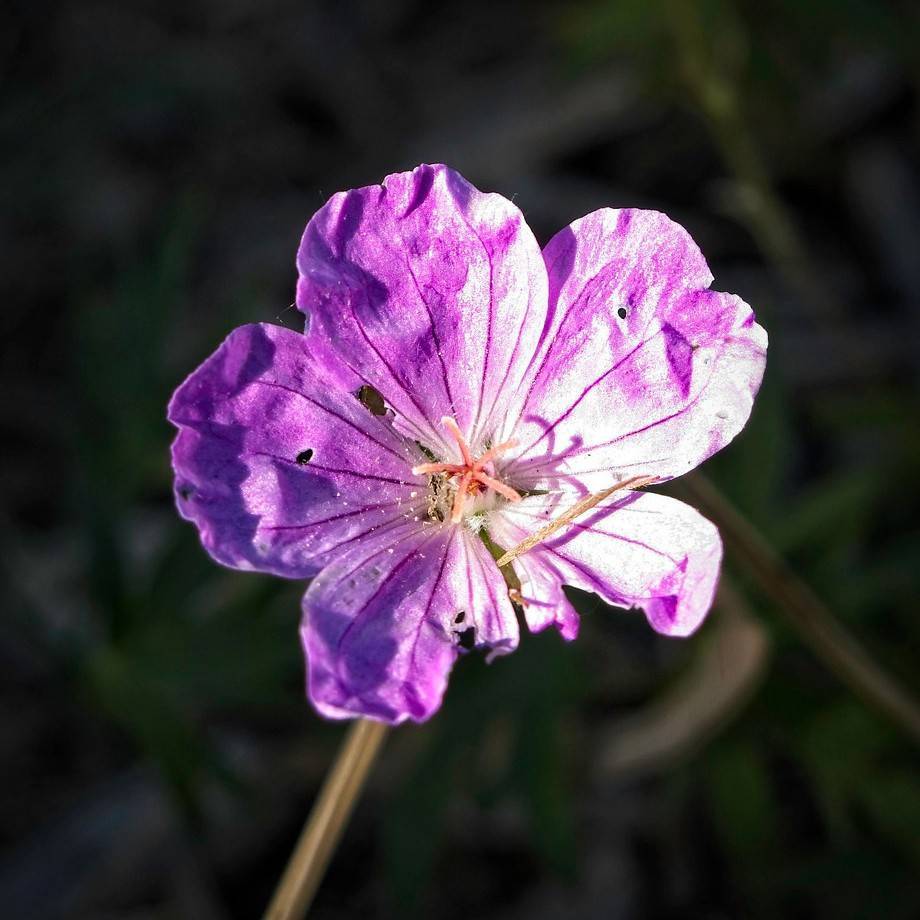
Bloody Cranesbill: Complete Care, Growing Guide, and Garden Ideas
Learn how to grow and care for bloody cranesbill (Geranium sanguineum), a low-maintenance, pollinator-friendly perennial ground cover for temperate gardens.
2026-07-29 · 11 min read
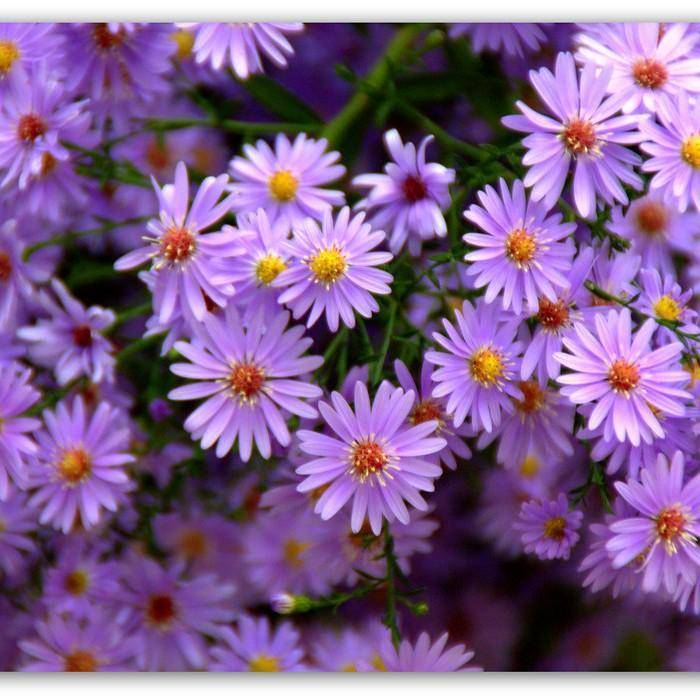
Aster Tataricus: Complete Growing, Care, and Usage Guide
Learn how to grow and care for aster tataricus (Tartarian aster), including its sun needs, medicinal uses, pet safety, and popular Jindai cultivar details.
2026-07-28 · 10 min read
Plant Games: 25+ Best Options for Casual Play, Learning, and Plant Lovers
Explore the best plant games for mobile, desktop, and console, including casual picks, learning-focused titles, and cozy options for every type of plant enthusiast.
2026-07-27 · 17 min read