Grape Hyacinth (Muscari Armeniacum): Care, Planting, and Growing Guide
Learn how to plant, grow, and care for grape hyacinth, a low-growing spring bulb with dense grape-like blue, purple, or white flower clusters that naturalizes easily.
Grape Hyacinth (Muscari Armeniacum): Care, Planting, and Growing Guide
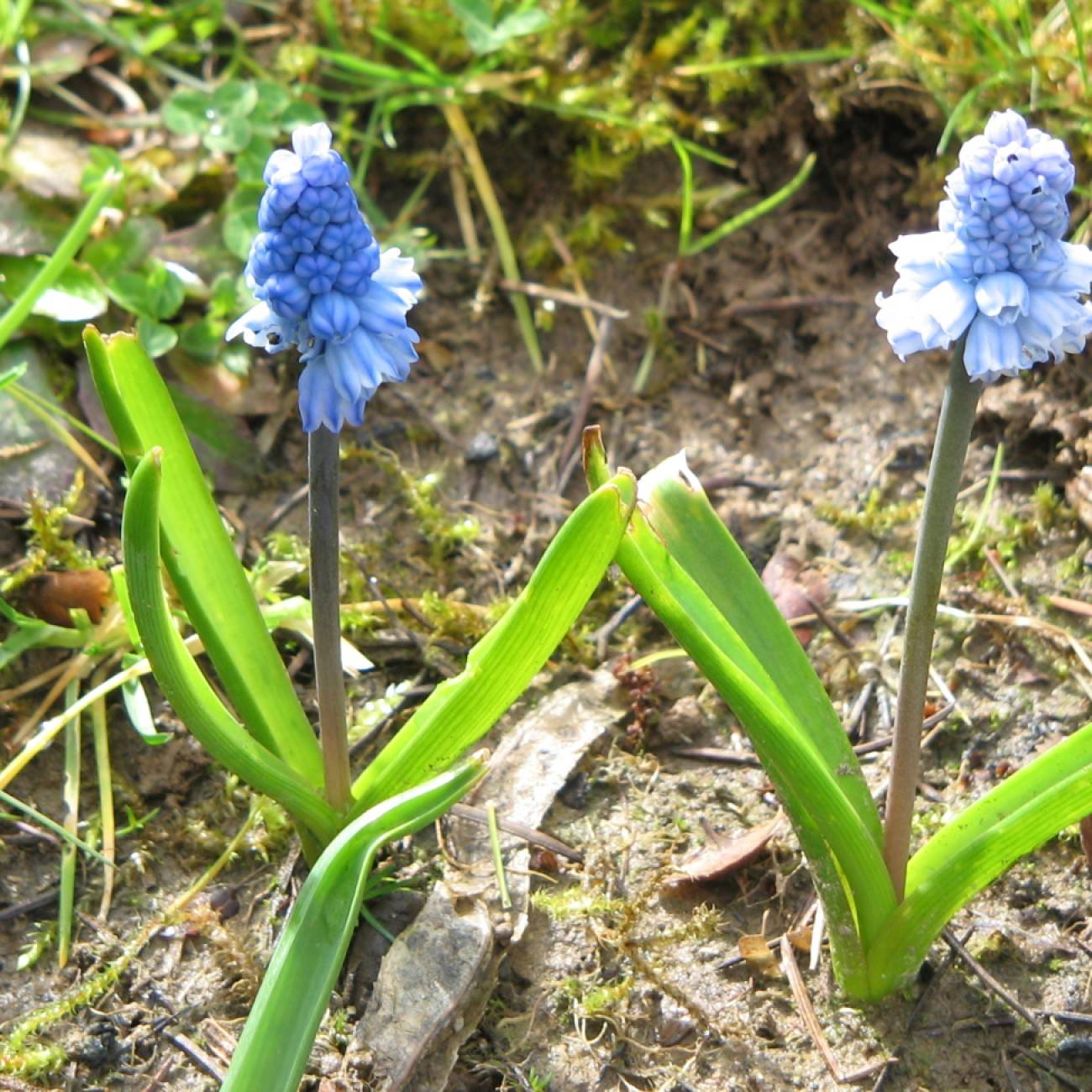
Grape hyacinth is a low-growing, spring-blooming bulb that produces tight clusters of bell-shaped blue, purple, white, or pink flowers, and naturalizes readily across most North American growing zones with minimal care. It grows 4–8 inches tall, blooms for 2–3 weeks in early spring, and supports early pollinators when nectar sources are scarce.
What Is Grape Hyacinth (Muscari Armeniacum)?
Grape hyacinth is a small perennial bulb in the Asparagaceae family, unrelated to common garden hyacinths, and known for its dense, grape-like flower spikes that emerge in early spring. Its narrow, grass-like foliage may emerge in late fall in milder climates, or early spring in colder regions, and dies back completely after bulbs enter summer dormancy.
Key Traits and Classification
Unlike true hyacinths, which have larger, upward-facing flowers and broader leaves, grape hyacinth has tightly packed, downward-facing bell-shaped blooms that give the plant its common name. Most commercially sold varieties are Muscari armeniacum, the most cold-hardy and reliable bloomer for North American gardens. The species is adapted to USDA Zones 3–9, requires 10–12 weeks of temperatures below 45°F to trigger spring blooming, and is rarely browsed by deer or rodents.
Common Grape Hyacinth Cultivars
Most grape hyacinth cultivars offer subtle variations in flower color and size to suit different garden designs:
- Muscari armeniacum 'Album': Produces pure white flower clusters that pair well with pastel tulips and daffodils.
- Muscari armeniacum 'Blue Spike': A double-flowered variety with fuller, denser blue spikes that bloom slightly longer than single-flowered types.
- Muscari armeniacum 'Pink Sunrise': A rare pink cultivar with soft pale pink blooms that fade to white at the base of each bell.
- Muscari armeniacum 'Fantasy Creation': A bi-colored variety with blue and white streaked flowers that add visual interest to mixed bulb plantings.
How to Tell Grape Hyacinth Apart From Lookalike Plants
Grape hyacinth is often confused with unrelated plants that share similar common names, but have very different growth habits and care requirements:
- Wild hyacinth (Camassia scilloides) grows 1–3 feet tall, with looser spikes of white or pale blue flowers that bloom later in spring, and prefers wetter soil than grape hyacinth.
- Oregon grape-holly (Berberis aquifolium) is an evergreen shrub with glossy, spiny leaves and clusters of blue berries, and is toxic to pets if ingested.
- Common water hyacinth (Eichhornia crassipes) is a floating aquatic plant with broad, rounded leaves and purple flowers, and is considered an invasive species in many warm regions.
When and Where to Plant Grape Hyacinth Bulbs
Grape hyacinth bulbs are planted in fall, 6–8 weeks before your region’s first hard frost, to allow enough time for root development before winter dormancy. They require 10–12 weeks of temperatures below 45°F to bloom reliably, and grow best in spots that get full sun in early spring, even if shaded by deciduous trees later in the growing season.
Regional Planting Timelines by USDA Zone
Planting times vary by region to ensure bulbs get the required cold exposure before the ground freezes:
- Zones 3–4: Plant in mid to late September, before the first hard frost hits in early October.
- Zones 5–6: Plant in late September to mid October, when soil temperatures drop below 60°F.
- Zones 7–8: Plant in late October to mid November, after summer heat has faded but before the ground freezes in late December.
- Zone 9: Pre-chill bulbs in a refrigerator for 10–12 weeks before planting in late December or early January, as winter temperatures rarely stay below 45°F long enough naturally.
Ideal Soil and Light Conditions
Grape hyacinth tolerates a wide range of soil types, but grows best in well-draining, loamy soil with a pH between 6.0 and 7.0. Avoid heavy clay soils that hold standing water, as this will cause bulbs to rot over winter. While the plant prefers full early spring sun, it tolerates partial shade under deciduous trees, as the trees will not leaf out until after grape hyacinth has finished blooming for the season. Full, year-round shade will reduce blooming over time, so avoid planting under evergreen trees or dense shrubbery.
Best Landscape Uses for Grape Hyacinth
Grape hyacinth’s small size and spreading habit make it versatile for a range of garden designs:
- Border edges: Plant along the front of perennial borders to create a low, colorful edge that blooms before most perennials emerge.
- Rock gardens: Tuck bulbs into crevices between rocks, where their small size and drought tolerance fit well with other alpine plants.
- Lawn naturalization: Scatter bulbs across a lawn for a carpet of early spring blooms that fade before grass needs regular mowing.
- Container plantings: Pair with larger spring bulbs like tulips or daffodils in patio containers, where grape hyacinth will fill in the lower layer of the arrangement.
Step-by-Step Grape Hyacinth Planting Instructions
Plant grape hyacinth bulbs 3–4 inches deep, with the pointed tip facing up, spaced 2–3 inches apart for dense, full clusters. For naturalized drifts, scatter bulbs loosely across the planting area and plant them where they land, rather than arranging them in rigid rows, for a more organic, unplanned look.
Prepping Soil for Long-Term Growth
Start by testing your soil drainage: dig a 6-inch hole, fill it with water, and check that it drains completely within 1 hour. If it drains slower, mix 2–3 inches of compost or coarse sand into the top 8 inches of soil to improve drainage before planting. You do not need to add fertilizer at planting time, as bulbs contain all the nutrients they need for their first year of growth. If you have very poor soil, mix a small amount of bone meal into the bottom of each planting hole to support root development.
Planting for Lawn Naturalization
To plant grape hyacinth in a lawn, mow grass to 2 inches tall first, then scatter bulbs across the area you want to naturalize. Use a bulb planter or trowel to dig a 3–4 inch deep hole for each bulb, place the bulb in the hole with the tip up, and replace the plug of grass and soil on top. Water thoroughly after planting to settle the soil around the bulbs. Avoid using pre-emergent herbicides on the lawn in fall or early spring, as these will prevent grape hyacinth shoots from emerging.
Planting in Containers
Use a well-draining potting mix for container plantings, and choose a container with drainage holes to prevent standing water. Plant bulbs 2 inches apart, 3 inches deep, for a dense, full display. You can layer bulbs with larger spring bulbs like daffodils or tulips: plant larger bulbs 6 inches deep first, then cover with 2 inches of soil, then plant grape hyacinth bulbs on top of that layer. Water containers thoroughly after planting, and move them to a sheltered spot for winter if you live in Zone 3 or 4, to protect bulbs from extreme cold.
Grape Hyacinth Care Throughout the Year
Grape hyacinth is low-maintenance once established, requiring only occasional watering during dry spring spells and no regular fertilization for established clumps. After blooms fade, leave foliage in place for 6–8 weeks to allow bulbs to store energy for the next year’s growth. Avoid cutting foliage back early, even if it turns yellow and looks untidy, as this will reduce blooming the following spring.
Spring Care During Bloom Season
Water grape hyacinth only if there has been less than 1 inch of rain per week during the bloom period, as overwatering can cause flowers to fade faster. Do not apply fertilizer during bloom, as this will encourage leaf growth rather than longer blooms. If you are growing grape hyacinth in containers, you may need to water more frequently, as potting mix dries out faster than garden soil. Deadhead spent blooms only if you do not want the plant to self-seed; leave blooms in place if you want to encourage naturalization.
Summer Dormancy Care
After foliage dies back completely in early summer, grape hyacinth enters dormancy and requires no care for the rest of the warm season. You do not need to water dormant bulbs, even during extended dry periods, as they are adapted to dry summer conditions. If you are growing grape hyacinth in containers, move the containers to a shaded, dry spot for the summer to avoid overwatering dormant bulbs, which can cause rot.
Fall and Winter Prep
In fall, water newly planted bulbs thoroughly after planting, and then leave them alone for the winter. Established clumps require no winter protection in Zones 4–9, but in Zone 3, you can add a 2-inch layer of straw mulch over the planting area after the ground freezes to protect bulbs from extreme temperature fluctuations. Remove mulch in early spring, as soon as shoots start to emerge, to allow sunlight to reach the foliage.
How Grape Hyacinth Benefits Pollinators and Garden Ecosystems
Grape hyacinth blooms in early spring, when nectar sources are scarce for emerging native bees, mason bees, and small butterfly species. Its shallow, open bell-shaped flowers are accessible to small pollinators that cannot reach the nectar of deeper spring blooms like tulips or daffodils, making it a valuable addition to pollinator gardens. The plant’s pollen is high in protein, which supports early bee colony growth after winter dormancy.
Complementary Pollinator Plants to Pair With Grape Hyacinth
Pair grape hyacinth with other early-spring blooming plants to create a continuous food source for pollinators:
- Crocus: Blooms at the same time as grape hyacinth, and offers nectar for a wide range of pollinators.
- Snowdrops: Bloom even earlier than grape hyacinth, providing food for the first emerging bees in late winter.
- Lungwort (Pulmonaria): A low-growing perennial that blooms in early spring, with flowers that attract bumblebees and hummingbirds.
- Native wild plum: A small tree that blooms in early spring, providing abundant nectar for bees and butterflies.
Avoiding Pesticide Use Around Grape Hyacinth
Do not apply synthetic insecticides or herbicides around grape hyacinth during bloom, as these will kill beneficial pollinators that visit the flowers. If you need to control weeds in the planting area, pull weeds by hand, or use a organic, pollinator-safe herbicide applied only to weed foliage, avoiding contact with grape hyacinth leaves or flowers. Avoid using neem oil or other horticultural oils during bloom, as these are toxic to bees when applied directly to flowers.
Common Grape Hyacinth Pests, Diseases, and Issues
Grape hyacinth is rarely affected by pests or diseases, though overwatered bulbs may develop root rot in heavy, poorly draining soil. Rodents and deer typically avoid eating grape hyacinth bulbs, making them a good choice for gardens with frequent wildlife activity. Most issues with the plant stem from incorrect planting or care, rather than pest or disease pressure.
Why Your Grape Hyacinth Isn’t Blooming
If your grape hyacinth fails to bloom in spring, the most common causes are:
- Insufficient cold exposure: Bulbs did not get 10–12 weeks of temperatures below 45°F over winter, which is required to trigger blooming. This is most common in Zone 9, where pre-chilling bulbs before planting is necessary.
- Foliage cut back too early: If you cut foliage back less than 6 weeks after blooms faded the previous year, bulbs did not store enough energy to produce flowers the next spring.
- Planted too shallow: Bulbs planted less than 3 inches deep may be damaged by winter temperature fluctuations, or may produce offsets instead of flowers.
- Overcrowding: Clumps that have been left undisturbed for 5+ years may become overcrowded, leading to reduced blooming. Divide clumps in fall to improve air flow and give bulbs more space to grow.
Controlling Unwanted Spread of Naturalized Clumps
Grape hyacinth spreads readily by self-seeding and producing offset bulbs, which can lead to unwanted spread in formal garden beds. To control spread, deadhead spent blooms immediately after they fade, before seed pods form and split open to release seeds. Dig up any unwanted bulbs in fall or early spring, making sure to remove the entire bulb and any small attached offsets. Avoid composting removed bulbs, as they may re-sprout in compost piles.
How to Divide Overcrowded Bulb Clumps
Divide overcrowded grape hyacinth clumps every 4–5 years in fall, after foliage has died back completely and bulbs are dormant:
- Dig up the entire clump of bulbs using a garden fork, taking care not to damage the bulbs.
- Gently shake off excess soil, and pull apart the small offset bulbs from the main parent bulb.
- Discard any soft, rotted, or damaged bulbs.
- Replant healthy parent and offset bulbs 3–4 inches deep, 2–3 inches apart, in a new location or back in the original bed after amending soil with compost.
- Water thoroughly after replanting to settle the soil around the bulbs.
How to Naturalize Grape Hyacinth for Years of Spring Blooms
Grape hyacinth naturalizes readily by self-seeding and producing small offset bulbs, forming dense drifts of blooms over 3–5 years if left undisturbed. To speed up naturalization, avoid deadheading spent blooms until seed pods have dried and split open to release seeds. Do not disturb bulbs during dormancy, and avoid tilling or digging in the planting area once bulbs are established.
Encouraging Self-Seeding
To encourage self-seeding, leave spent flower spikes in place after blooms fade, until the small green seed pods turn brown and split open. Once pods split, you can gently shake the spikes to release seeds into the surrounding soil. Avoid mowing the area until seed pods have split, and avoid using pre-emergent herbicides in the planting area, as these will prevent seeds from germinating. Seedlings will take 2–3 years to mature and produce blooms, so be patient with new naturalized plantings.
Transplanting Offset Bulbs
Offset bulbs are small, baby bulbs that form attached to the base of the main parent bulb. Each offset will grow into a full blooming bulb in 1–2 years if separated and replanted. To speed up the spread of naturalized drifts, dig up clumps every 3–4 years in fall, separate the offsets, and plant them in new areas of your garden. Space offsets 2 inches apart, 3 inches deep, and water thoroughly after planting.
Maintaining Naturalized Drifts Long-Term
Once established, naturalized grape hyacinth drifts require almost no care to return year after year. Avoid tilling or digging in the area, as this will damage bulbs. Mow lawn naturalizations no earlier than 6 weeks after blooms fade, to give foliage time to die back naturally. Water only during extended spring droughts, and do not apply fertilizer, as this will encourage grass and weed growth over grape hyacinth growth.
How to Identify Grape Hyacinth and Related Lookalikes
Grape hyacinth is often confused with unrelated plants like wild hyacinth, Oregon grape-holly, and water hyacinth, which have very different care requirements and growth habits. The tight, downward-facing bell-shaped flowers clustered like tiny grapes are the most distinct identifying feature of true grape hyacinth. The plant’s narrow, grass-like foliage, which grows only 4–8 inches tall, also sets it apart from larger lookalike species.
Key Differences Between Grape Hyacinth and Wild Hyacinth
Wild hyacinth (Camassia scilloides) is a North American native bulb that grows 1–3 feet tall, with looser spikes of white or pale blue flowers that bloom 2–3 weeks later than grape hyacinth. Wild hyacinth prefers wet, marshy soil, while grape hyacinth prefers well-draining, drier soil. Wild hyacinth flowers are upward-facing, rather than the downward-facing bells of grape hyacinth.
How to Distinguish Grape Hyacinth From Toxic Grape-Holly Varieties
Oregon grape-holly (Berberis aquifolium) is an evergreen shrub that grows 3–6 feet tall, with glossy, spiny, holly-like leaves and clusters of yellow flowers that bloom in late spring, followed by dark blue berries. Unlike grape hyacinth, Oregon grape-holly contains alkaloids that are toxic to dogs, cats, and humans if ingested in large quantities. If you have a low-growing plant with spiny leaves and blue berries in your yard, it is not grape hyacinth.
If you are unsure if a plant in your yard is grape hyacinth or a lookalike, upload a photo to the Sproutly app for fast, accurate identification and tailored care tips. You can also find more details about the species on our Grape Hyacinth encyclopedia page.
Frequently Asked Questions About Grape Hyacinth
Are grape hyacinth bulbs toxic to pets?
Grape hyacinth bulbs are not considered toxic to dogs or cats, though eating large quantities of any bulb may cause mild stomach upset. Unrelated plants called grape-holly are toxic to pets, so confirm your plant’s identity with Sproutly if you are unsure.
When do I cut back grape hyacinth foliage?
Wait 6–8 weeks after blooms fade to cut back grape hyacinth foliage, until the leaves turn yellow and die back naturally. Cutting foliage too early will prevent bulbs from storing enough energy to bloom the following year.
Can grape hyacinth grow in shade?
Grape hyacinth grows best in full early spring sun, but it tolerates partial shade, especially under deciduous trees that leaf out after the plant’s bloom period. Full shade year-round will reduce or prevent blooming over time.
How long do grape hyacinth blooms last?
Grape hyacinth blooms last 2–3 weeks in early to mid-spring, depending on your local temperatures. Cooler spring weather will extend bloom length, while unseasonably warm temperatures may cause blooms to fade faster.
Do I need to dig up grape hyacinth bulbs every year?
No, grape hyacinth bulbs are perennial and can be left in the ground year-round in Zones 3–9. You only need to dig up bulbs if you want to divide overcrowded clumps or move them to a new spot in your garden.
Try Sproutly for More Plant Care Help
Whether you’re identifying lookalike plants in your yard, troubleshooting blooming issues, or planning a pollinator-friendly bulb garden, Sproutly makes plant care simple. The app offers accurate plant identification, customized care schedules, and answers to all your gardening questions. Try Sproutly today to get tailored tips for your grape hyacinth and all the plants in your garden.
Letture correlate
Altre guide che potrebbero piacerti
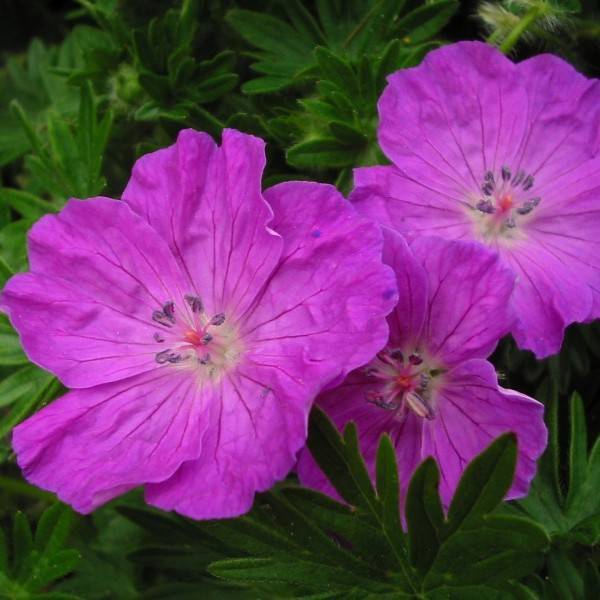
Geranium Sanguineum: Complete Care, Identification, and Growing Guide
Learn how to grow and care for Geranium sanguineum, a hardy, low-maintenance perennial ground cover with vibrant magenta blooms and autumn foliage.
2026-06-30 · 11 min read
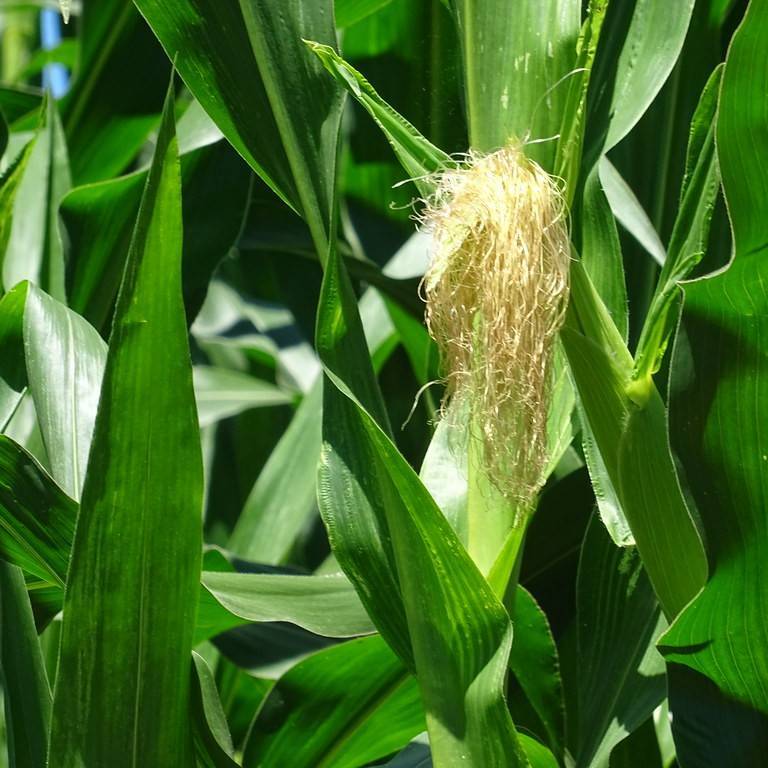
Zea Mays Corn: Taxonomy, Cultivation, Home Growing Tips, and Common Confusions
Learn all about Zea mays corn: its taxonomic history, cultivation requirements, home growing best practices, and how to distinguish it from plants with 'corn' in their common names.
2026-06-29 · 15 min read
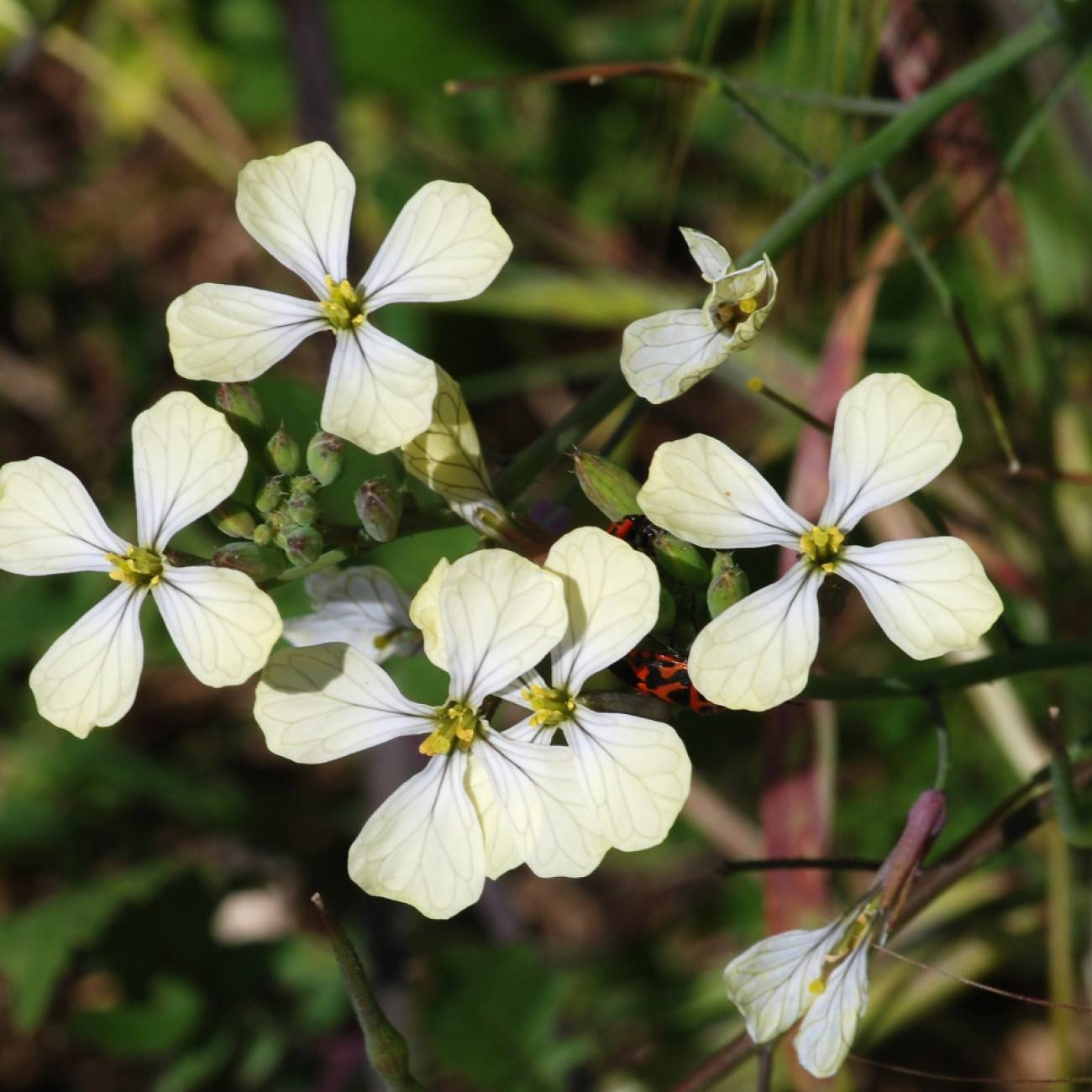
Arugula: Growing, Nutrition, Uses, and Complete Care Guide
Learn all about arugula (rocket/rucola): its spicy, nutty flavor, growing tips, nutrition benefits, storage hacks, and culinary uses for this pet-safe leafy green.
2026-06-28 · 19 min read