Firecracker Flower: Complete Care, Cultivation, and Identification Guide
Learn how to grow and care for firecracker flower (Crossandra infundibuliformis), a pet-safe, humidity-loving tropical houseplant with bright tubular blooms.
Firecracker Flower: Complete Care, Cultivation, and Identification Guide
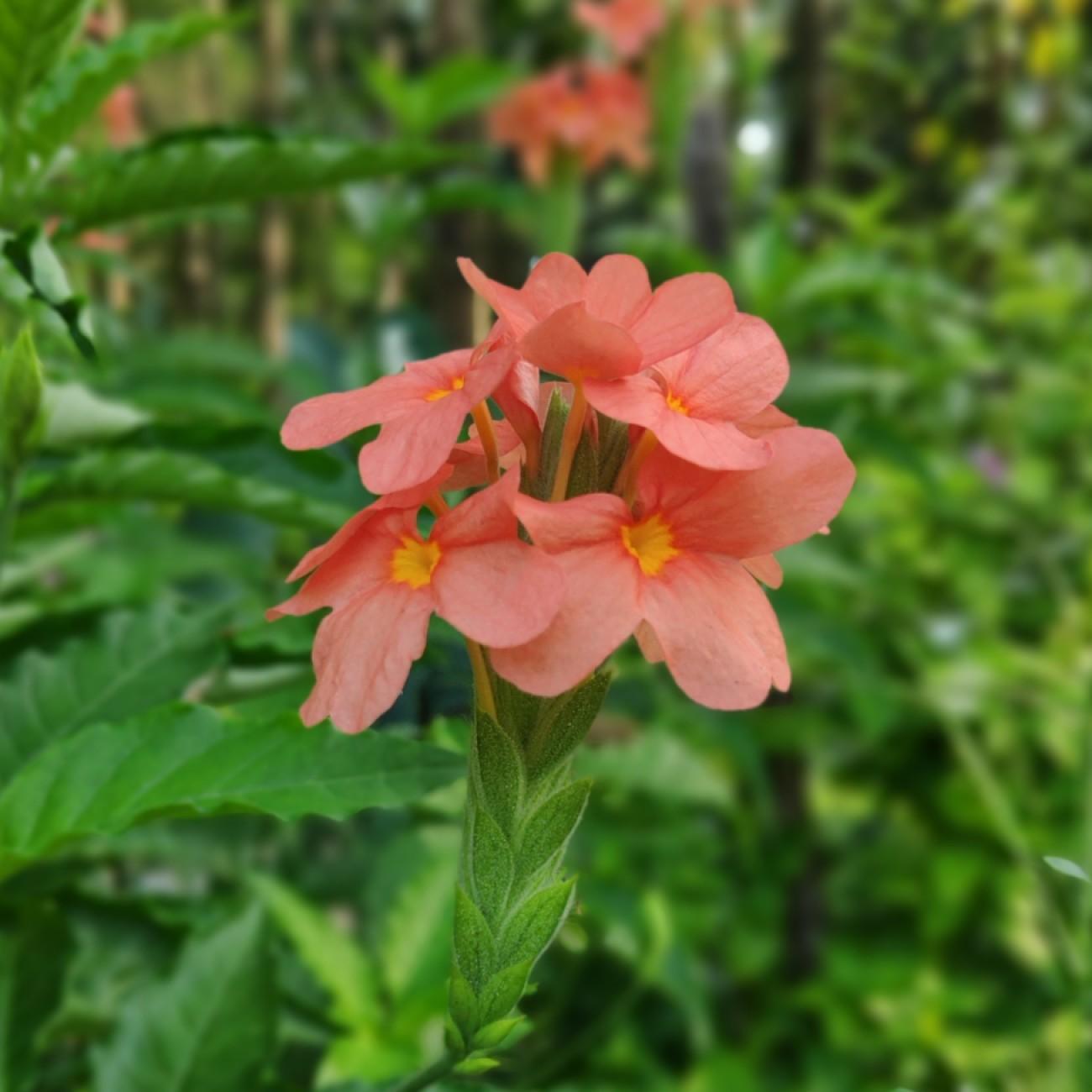
Firecracker flower (Crossandra infundibuliformis) is a pet-safe tropical perennial grown as a houseplant or warm-weather bedding plant, producing glossy green foliage and clustered orange-red tubular blooms for 8 to 10 months a year under ideal conditions. It grows 1 to 3 feet tall at maturity, and tolerates partial shade, making it well-suited for indoor spaces and shaded garden beds.
What Is a Firecracker Flower?
Firecracker flower, formally Crossandra infundibuliformis, is a tropical perennial native to southern India and Sri Lanka, prized for its clustered orange-red tubular blooms and glossy, deep green foliage. It grows 1 to 3 feet tall at maturity, and is grown both as a houseplant and seasonal warm-weather bedding plant in USDA zones 10 and 11. Most popular cultivars produce blooms for 8 to 10 months of the year under ideal conditions.
Key Botanical Characteristics
Firecracker flower is part of the Acanthaceae family, with distinct traits that set it apart from similar flowering tropicals. Its foliage is oval-shaped, waxy, and deep green, growing in opposite pairs along sturdy, semi-woody stems. Blooms grow in tight, upright clusters at the top of stems, with individual flowers shaped like narrow funnels that open to five rounded petals, typically in shades of orange, red, or soft peach. If you have an unidentified tropical flowering plant with these traits, you can identify tropical houseplants accurately with Sproutly to confirm it is a firecracker flower and rule out toxic lookalike species before placing it near pets. For full species details, visit our firecracker flower encyclopedia entry.
Popular Cultivars, Including Harvest Firecracker Flower
Most commercial firecracker flower cultivars are bred for extended bloom times and compact growth, with flower colors ranging from bright tangerine to deep scarlet. The most widely available cultivar is the standard orange-flowering Crossandra infundibuliformis, which reaches 2 to 3 feet tall at maturity. The Harvest firecracker flower is a dwarf cultivar specifically bred for small indoor spaces and container planting. It reaches only 12 to 18 inches tall at full maturity, with the same long bloom period and glossy foliage as standard varieties, and produces dense clusters of fiery orange-red blooms. It is particularly well-suited for windowsill planters and desk displays where larger plants would not fit.
Firecracker Flower Light Requirements
Firecracker flower thrives in bright, indirect light or partial shade, requiring 4 to 6 hours of filtered sunlight per day to produce consistent blooms. Direct midday sun will scorch its foliage, while less than 3 hours of daily light will reduce flowering and lead to leggy growth. For indoor plants, place it within 3 feet of an east-facing window for optimal exposure.
Indoor vs. Outdoor Light Adjustments
Indoor plants can tolerate slightly lower light levels than outdoor plants, but will need supplemental grow light exposure if placed more than 3 feet from a natural light source. Use full-spectrum grow lights set to 12 to 14 hours per day during the winter months if natural light is limited. For outdoor plants, position them in partial shade spots that receive morning sun and afternoon shade, especially in regions with hot summer temperatures. In USDA zones 10 and 11, where summer midday sun can exceed 90°F, plant them under the dappled shade of taller trees to prevent leaf burn. Avoid full sun exposure entirely, as it will cause foliage to yellow and blooms to drop prematurely.
Signs of Too Much or Too Little Light
Light-related issues are easy to spot with regular observation, and can be corrected quickly with position adjustments. Signs of too much light include brown, crispy leaf edges, faded foliage, and blooms that wilt within 1 to 2 days of opening. If you see these signs, move the plant 1 to 2 feet further from the light source, or add a sheer curtain to filter direct sun. Signs of too little light include leggy, stretched stems with large gaps between leaf nodes, reduced bloom production, and leaves that are smaller than average. To fix this, move the plant closer to a window, or add supplemental grow light exposure for 2 to 3 hours per day until you see new, compact growth appear.
How to Water a Firecracker Flower
Water firecracker flower when the top 1 to 2 inches of soil feels dry to the touch, which typically equates to once every 7 to 10 days for indoor plants in 6-inch pots. Overwatering is the most common cause of health issues, so always empty saucers of standing water 15 minutes after watering to prevent root rot. Reduce watering frequency to once every 14 to 21 days during the winter dormant period.
Seasonal Watering Adjustments
Watering frequency will change based on temperature, light exposure, and pot size, so always test soil moisture before watering rather than following a rigid schedule. During spring and summer, when the plant is actively growing and producing blooms, you may need to water as often as once every 5 to 7 days for small pots in bright, warm locations. In fall and winter, when growth slows and light levels are lower, the plant will use less water. Reduce watering to only when the top 2 to 3 inches of soil feel dry, and use room-temperature water to avoid shocking the plant’s roots. Cold water can cause leaf drop, so fill your watering can and let it sit for 24 hours before use to bring it to room temperature and allow chlorine to evaporate.
Signs of Overwatering vs. Underwatering
Both overwatering and underwatering cause similar visible symptoms, so it is important to test soil moisture to diagnose the issue correctly. Signs of overwatering include yellowing lower leaves, mushy stems, a sour smell coming from the soil, and leaf drop. If you see these signs, stop watering immediately, let the soil dry out completely, and check the roots for rot. If roots are brown and mushy, trim away damaged sections and repot in fresh, dry soil. Signs of underwatering include wilted foliage that perks up quickly after watering, crispy brown leaf tips, and blooms that drop before opening. To fix underwatering, water the plant thoroughly until water drains out the bottom of the pot, and adjust your watering schedule to test soil moisture more frequently. For severely dry soil that pulls away from the edges of the pot, submerge the entire pot in a bucket of water for 10 minutes to rehydrate the root ball fully.
Soil, Temperature, and Humidity Needs
Firecracker flower requires a well-draining, peat-moss based potting mix with a pH between 6.0 and 6.5 to thrive. It prefers consistent temperatures between 65°F and 80°F, and will drop leaves if exposed to temperatures below 55°F for more than 2 hours. As a humidity-loving plant, it grows best in relative humidity levels of 50% or higher.
DIY Soil Mix Recipe for Firecracker Flower
Pre-made tropical houseplant potting mix will work for firecracker flower, but you can make a custom mix at home for better drainage and nutrient retention. The ideal mix balances moisture retention with airflow to prevent root rot, while maintaining the slightly acidic pH the plant prefers. To make your own firecracker flower soil mix, combine:
- 2 parts peat moss or coco coir
- 1 part perlite or pumice
- 1 part pine bark fines
- 1 tablespoon of garden lime per gallon of mix (to adjust pH to 6.0 to 6.5 if using coco coir) This mix will retain just enough moisture to keep roots hydrated, while draining excess water quickly to prevent soggy soil. Avoid heavy garden soil or potting mixes with added water-retaining crystals, as they will hold too much moisture and increase the risk of root rot.
Easy Ways to Boost Humidity for Indoor Plants
Most indoor home environments have humidity levels between 30% and 40%, which is lower than the 50% minimum firecracker flower prefers. Low humidity will cause brown leaf tips and reduced bloom production, so it is helpful to boost humidity for indoor plants, especially during dry winter months when heating systems run frequently. Simple, low-effort ways to boost humidity for your firecracker flower include:
- Placing the pot on a pebble tray filled with water, making sure the bottom of the pot is not sitting directly in the water
- Grouping it with other humidity-loving plants, which release moisture into the air through transpiration
- Running a small humidifier near the plant for 4 to 6 hours per day
- Misting the foliage once per day with room-temperature, filtered water, avoiding misting open blooms directly to prevent spotting Avoid placing the plant near drafty windows, AC vents, or heating vents, as these can blow dry air directly on the foliage and cause rapid moisture loss.
Fertilizing and Pruning Firecracker Flower
Fertilize firecracker flower once every 4 weeks during the spring and summer growing season with a balanced, water-soluble 10-10-10 fertilizer diluted to half strength. Stop fertilizing entirely in fall and winter when growth slows. Prune spent blooms and leggy stems by up to one-third of their length after each flowering flush to encourage bushier growth and more blooms.
Pruning Tips for Continuous Blooming
Regular pruning is key to extending the bloom period of firecracker flower, as spent blooms will prevent new flower buds from forming. Prune immediately after a flowering flush, which typically lasts 4 to 6 weeks, to trigger new stem growth that will produce the next set of blooms. When pruning:
- Use sharp, clean pruning shears to make clean cuts that will not damage stems
- Snip off spent flower clusters at the base of their stem, just above a leaf node
- Trim back any leggy, stretched stems by up to one-third of their length, cutting just above a leaf node to encourage new side growth
- Remove any yellow or damaged leaves at the base of their stem to improve air circulation Avoid pruning more than one-third of the plant’s total volume at one time, as this can shock the plant and delay new bloom production. After pruning, water the plant lightly and move it to a spot with bright, indirect light to support new growth.
Common Fertilizing Mistakes to Avoid
Over-fertilizing is a common issue that can cause more harm than under-fertilizing, so it is important to follow recommended feeding schedules and dilution rates. The most common fertilizing mistakes to avoid include:
- Fertilizing during fall and winter, when the plant is dormant and cannot absorb extra nutrients, which can cause root burn and yellow leaf edges
- Using full-strength fertilizer, which can build up salt in the soil and damage roots
- Fertilizing dry soil, which can burn root tips; always water the plant lightly before applying fertilizer
- Using a fertilizer with a high nitrogen content, which will encourage foliage growth at the expense of bloom production If you notice white, crusty salt buildup on the top of the soil, leach the soil by running 4 to 5 times the pot volume of water through the pot to flush out excess fertilizer salts. Do not fertilize for at least 8 weeks after leaching to let the soil return to a balanced nutrient level.
How to Plant Firecracker Flower
Plant firecracker flower in a pot with drainage holes that is 1 to 2 inches larger than its current root ball, or in outdoor garden beds 12 to 18 inches apart to allow for air circulation. For outdoor planting, wait until all danger of frost has passed and nighttime temperatures are consistently above 60°F. If planting as seasonal bedding, position it in partial shade spots that avoid midday sun.
Indoor Potting Step-by-Step
Repot indoor firecracker flower every 1 to 2 years in spring, or when you see roots growing out the drainage holes of the current pot. Repotting refreshes the soil and gives the roots room to grow, which supports better bloom production. To pot an indoor firecracker flower:
- Fill the bottom 1 inch of the new pot with your custom soil mix, ensuring the pot has at least one drainage hole
- Gently remove the plant from its current pot, tapping the sides to loosen the root ball if it is stuck
- Tease apart any tightly tangled roots with your fingers, trimming away any brown, mushy roots with clean shears
- Place the root ball in the new pot, adjusting the soil level under the roots so the top of the root ball sits 1 inch below the rim of the pot
- Fill in the gaps around the root ball with soil, pressing gently to eliminate air pockets
- Water the plant thoroughly until water drains out the bottom of the pot, and empty the saucer of any standing water after 15 minutes
- Place the plant back in its usual growing spot, and avoid fertilizing for 4 weeks to let the roots adjust to the new soil
Outdoor Bedding Planting Tips for Warm Climates
In USDA zones 10 and 11, firecracker flower can be grown as a perennial outdoor bedding plant, providing year-round color in shaded garden beds. In cooler zones, it can be planted as a seasonal warm-weather annual from spring through fall, before temperatures drop below 55°F. For outdoor planting:
- Amend garden soil with 2 to 3 inches of compost and 1 inch of perlite to improve drainage before planting, especially if you have heavy clay soil
- Space plants 12 to 18 inches apart to allow for full mature growth and good air circulation, which reduces pest risk
- Water deeply after planting, and keep the soil consistently moist for the first 2 weeks to help roots establish
- Add a 2-inch layer of mulch around the base of the plant to retain soil moisture and regulate soil temperature
- In cooler zones, dig up the plant before the first fall frost, pot it, and move it indoors to overwinter as a houseplant Firecracker flower pairs well with other shade-loving warm-weather plants like impatiens, caladiums, and ferns in mixed garden beds.
Firecracker Flower Propagation
Firecracker flower propagates easily from stem cuttings taken in late spring or early summer, with root development occurring in 2 to 4 weeks under warm, humid conditions. Take 3 to 4 inch cuttings from healthy, non-flowering stems, remove the lower leaves, and plant in moist seed-starting mix. Cover cuttings with a clear plastic bag to retain humidity while roots form.
Stem Cutting Propagation Step-by-Step
Stem cuttings are the most reliable way to propagate firecracker flower, as they produce exact clones of the parent plant and root quickly with minimal effort. Always take cuttings from healthy, disease-free plants that are at least 1 year old for best results. To propagate from stem cuttings:
- Use sharp, clean pruning shears to cut a 3 to 4 inch section of non-flowering stem, making the cut just below a leaf node
- Remove the leaves from the bottom 2 inches of the cutting, leaving 2 to 3 healthy leaves at the top
- Dip the cut end of the stem in rooting hormone powder (optional, but speeds up root development)
- Fill a 3-inch pot with moist seed-starting mix, and make a 1-inch deep hole in the center with a pencil
- Insert the cut end of the stem into the hole, and press the mix firmly around the stem to hold it in place
- Cover the pot with a clear plastic bag or plastic dome to retain humidity, making sure the plastic does not touch the leaves of the cutting
- Place the pot in a spot with bright, indirect light, and keep the soil consistently moist but not soggy
- Check for root development after 2 weeks by gently tugging on the cutting; if you feel resistance, roots have formed
- Once roots are 1 inch long, remove the plastic cover, and gradually acclimate the cutting to normal indoor humidity over 3 to 5 days before repotting into regular potting mix
How to Grow Firecracker Flower From Seed
Firecracker flower can also be grown from seed, though it takes longer to reach blooming size than stem cuttings, typically 6 to 8 months from sowing. Seeds are available from specialty seed retailers, or can be harvested from mature seed pods on existing plants after blooms fade. To grow from seed:
- Fill a seed tray with moist seed-starting mix, and sow seeds 1/4 inch deep, spacing them 2 inches apart
- Cover the tray with a clear plastic dome to retain humidity, and place it in a spot with consistent temperatures between 70°F and 75°F
- Keep the soil consistently moist, and mist the surface daily if it starts to dry out
- Seeds will germinate in 14 to 21 days; remove the plastic dome once seedlings have two sets of true leaves
- Thin seedlings to one per 3-inch pot once they are 2 inches tall, and grow them under bright, indirect light until they are 6 inches tall, at which point they can be repotted into regular potting mix Seed-grown plants may have slight variations in bloom color and size compared to the parent plant, unlike stem cuttings which are identical.
Common Pests, Problems, and Pet Safety
Firecracker flower is largely pest-resistant, but may attract aphids, spider mites, and whiteflies if grown in overly dry conditions or near infested plants. It is verified as non-toxic to dogs, cats, and horses, making it a safe choice for households with pets. The most common non-pest issues are leaf drop from cold exposure, and bloom loss from inconsistent watering. As one of many low-maintenance pet-safe houseplants, you can place firecracker flower on low shelves, coffee tables, or other pet-accessible spots without risk of poisoning if your pet nibbles on leaves or blooms.
How to Treat Common Firecracker Flower Pests
Pest infestations are rare in healthy plants, but can spread quickly if not addressed early. Check the undersides of leaves and stem joints regularly for signs of pests, especially during dry winter months when indoor humidity is low. The most common pests and their treatments are:
- Aphids: Small, soft-bodied green or black insects that cluster on new growth and secrete sticky honeydew. Treat by spraying the plant with a strong stream of water to knock off aphids, then wipe stems and leaves with a cloth dipped in diluted neem oil. Repeat every 3 days for 2 weeks to eliminate remaining eggs.
- Spider mites: Tiny red or brown pests that cause fine webbing on the undersides of leaves and yellow, stippled foliage. Treat by increasing humidity around the plant, and spraying all leaf surfaces with insecticidal soap diluted to package instructions. Repeat every 7 days for 3 weeks to fully eliminate the infestation.
- Whiteflies: Small, white flying insects that fly up in clouds when the plant is disturbed, and secrete sticky honeydew on leaves. Treat by hanging yellow sticky traps near the plant to catch adult flies, and spraying foliage with diluted neem oil every 5 days for 2 weeks to kill larvae. Isolate infested plants from other houseplants during treatment to prevent pests from spreading to healthy plants.
Troubleshooting Yellow Leaves, Bloom Loss, and Leggy Growth
Most non-pest issues with firecracker flower are caused by suboptimal growing conditions, and can be fixed with simple adjustments to care routines.
- Yellow leaves: If lower leaves are yellow and mushy, the cause is overwatering; let the soil dry out completely before watering again, and check for root rot if the issue persists. If leaf edges are yellow and crispy, the cause is over-fertilizing or low humidity; leach the soil to remove excess fertilizer salts, and boost humidity with a pebble tray or humidifier.
- Bloom loss: Premature bloom drop is most often caused by inconsistent watering, sudden temperature changes, or low light. Check soil moisture to ensure it is not too dry or too wet, move the plant away from drafty vents or windows, and ensure it is receiving 4 to 6 hours of bright indirect light per day.
- Leggy growth: Stretched stems with large gaps between leaves are caused by insufficient light. Move the plant closer to a window, or add supplemental grow light exposure for 2 to 3 hours per day. Prune back leggy stems by one-third after the next flowering flush to encourage bushier new growth.
Frequently Asked Questions About Firecracker Flower
Is firecracker flower safe for cats and dogs?
Yes, firecracker flower (Crossandra infundibuliformis) is non-toxic to cats, dogs, and horses, so it can be placed in low, pet-accessible areas of your home without risk of poisoning if nibbled.
How often do firecracker flowers bloom?
Under ideal indoor conditions with 4 to 6 hours of bright indirect light and consistent temperatures between 65°F and 80°F, firecracker flower will produce blooms for 8 to 10 months of the year, with short rest periods between flowering flushes.
Can firecracker flower grow outdoors?
Firecracker flower can be grown as a perennial outdoor plant in USDA zones 10 and 11, where temperatures never drop below 30°F. In cooler zones, it can be grown as a seasonal warm-weather bedding plant from spring through fall, or kept in a pot and moved indoors for winter.
How big does a firecracker flower get?
Most firecracker flower varieties grow 1 to 3 feet tall and 1 to 2 feet wide at maturity. The compact 'Harvest' cultivar stays smaller, reaching a maximum height of 12 to 18 inches, making it ideal for small indoor spaces.
Why is my firecracker flower dropping leaves?
The most common causes of leaf drop in firecracker flower are exposure to temperatures below 55°F, overwatering leading to root rot, or sudden changes in light or humidity. If leaf drop occurs, first check the soil moisture level and ensure the plant is not near drafty windows or AC vents.
Try Sproutly
If you are unsure if your plant is a firecracker flower, or need personalized care reminders tailored to your specific growing conditions, the Sproutly app can help. Snap a photo of your plant for instant identification, access customized care schedules, and get answers to your plant care questions from a community of experienced growers. Get started with Sproutly today.
Lectures associées
D'autres guides qui pourraient vous plaire
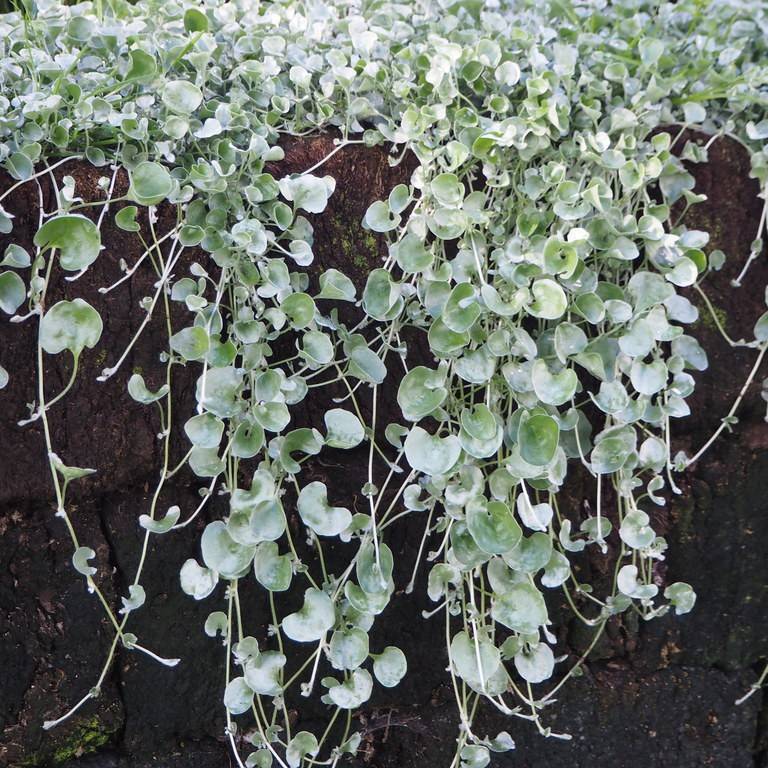
Dichondra Argentea (Silver Falls): Complete Care, Growing, and Use Guide
Learn how to grow and care for Dichondra argentea 'Silver Falls', a drought-tolerant, pet-safe trailing perennial perfect for hanging baskets and ground cover.
2026-08-04 · 11 min read
Juniperus Squamata Blue Star: Complete Care, Design, and Identification Guide
Learn how to grow, care for, and design with Juniperus squamata blue star, a low-growing, pet-safe evergreen shrub with striking silvery-blue foliage.
2026-08-03 · 14 min read
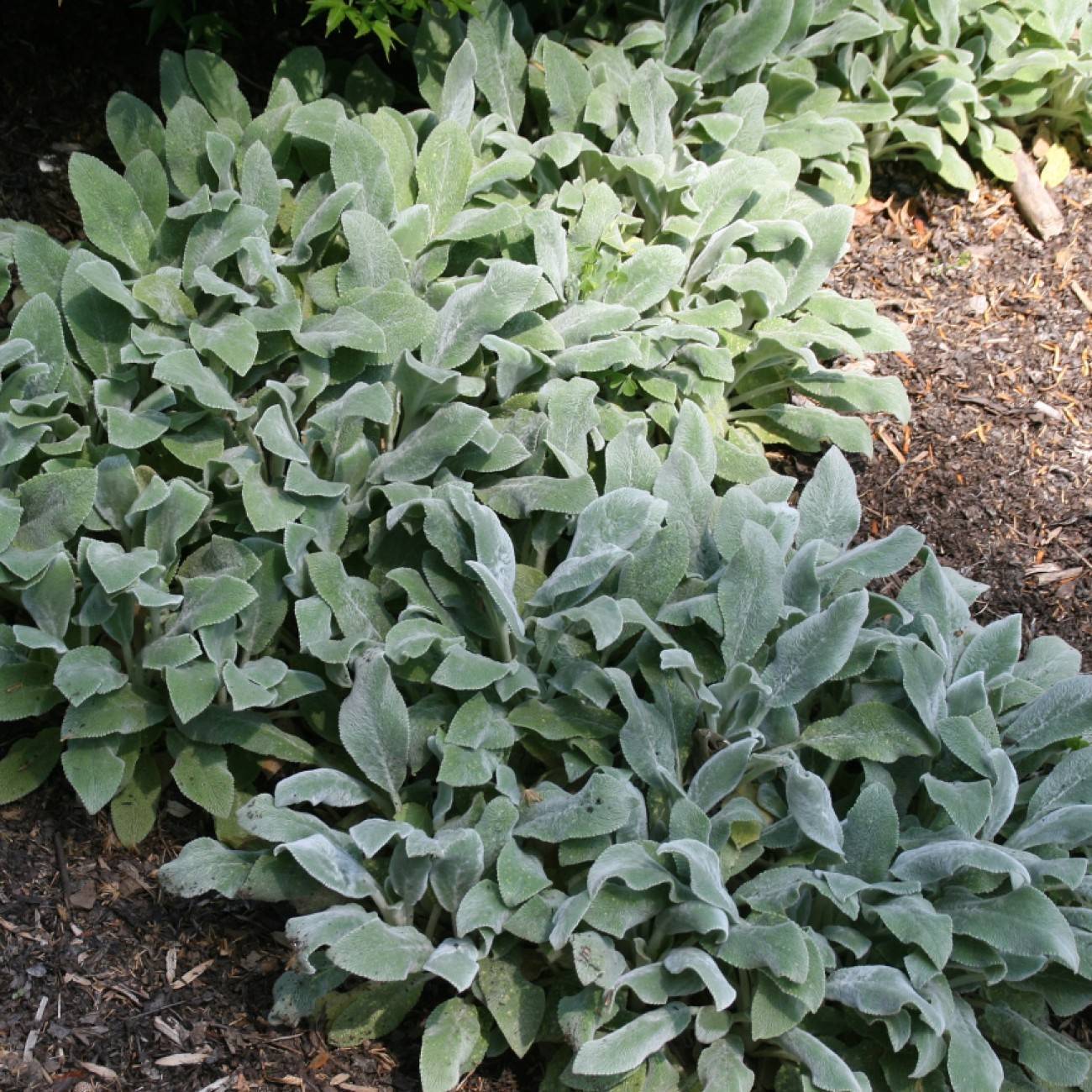
Lambs Ears: Complete Care Guide, Uses, and Growing Tips
Learn how to grow and care for lambs ears (Stachys byzantina), a soft, fuzzy silver perennial perfect for drought-tolerant gardens and ground cover.
2026-08-02 · 20 min read