How to Identify Plant, Flower, and Tree Species Accurately for Beginners
Learn how to identify plant, flower, and tree species with simple methods, including using photos to name unknown plants and avoid common misidentification mistakes.
How to Identify Plant, Flower, and Tree Species Accurately for Beginners
If you’ve ever paused mid-garden walk to gush over a vibrant, unlabeled bloom, or stared at a stately new ornamental tree in your neighborhood wondering what it could be, learning how to identify plant species is a simple, rewarding skill that comes with dozens of practical perks. You don’t need a botany degree to do it well, either: a mix of basic observational skills, the right tools, and context about growing conditions will help you name almost any plant you encounter with confidence.
Why It’s Useful to Name Unknown Plant Species
The most immediate benefit of learning to identify a plant is being able to give it the right care. If you inherit a mystery houseplant from a friend or pick up an unmarked potted tree at a local plant swap, a confirmed ID tells you exactly how much sun, water, and humidity it needs to thrive. No more guessing if a leaf yellowing is from overwatering or too little light!
It also keeps your household safe. If you have kids or curious pets, being able to rule out toxic species before you bring a new plant home or let your dog sniff a random wildflower prevents unnecessary vet visits or late-night panic searches. For yard owners, ID skills help you spot invasive species that can crowd out native pollinator-friendly plants, or confirm that the volunteer sapling popping up by your fence is a welcome native, not a fast-spreading weed.
And of course, it answers that common, persistent “what is the plant?” question every time you spot a striking flower or unique tree on a walk through your neighborhood or local park.
Key Features to Look for to Name Any Unknown Plant
Before you reach for a digital tool, start with a few quick observations of the plant’s physical and contextual traits. These clues will help you narrow down possible matches fast, or confirm a result from an ID tool later, so you never waste time caring for a species you don’t actually have.
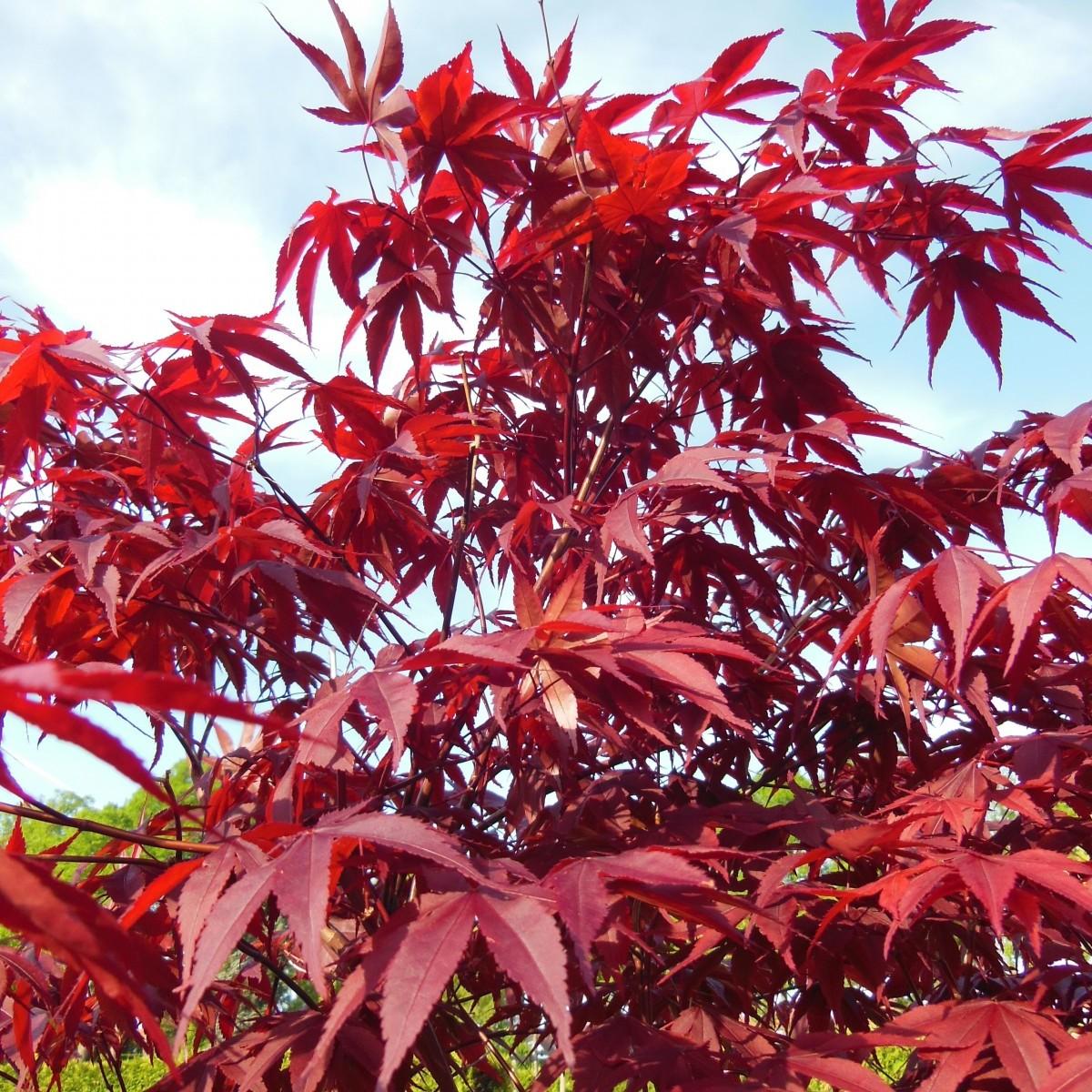
First, look at the foliage. Leaf shape is one of the most reliable ID markers: is it lobed, like a maple? Oval and smooth, like a lilac? Serrated along the edges, like a rose? For a common, easy example, Japanese maples have distinct palmate, lobed leaves that make them easy to separate from other ornamental trees at a glance. Next, note any reproductive features: if it’s flowering, count the petals, note the bloom size and color, and check if the flowers grow in clusters or alone. For trees, check for fruit, seed pods, or pinecones, and take note of bark texture (smooth, furrowed, peeling, or brightly colored). Finally, record contextual clues: is the plant growing in full sun, deep shade, or somewhere in between? Is the soil wet, dry, or average? What season is it? Seasonal traits like bright red fall foliage or early spring blooms are often unique to specific species, so they can cut your ID time in half.
How to Identify a Flower by Picture Step-by-Step
If you want to identify a flower by picture, following a few simple steps will drastically improve your accuracy, even if you’re using an automated tool. Skipping these steps often leads to mismatches, since thousands of flower species look nearly identical from a single close-up photo.
- Take clear, multi-angle photos: Don’t just snap a close-up of the petals. Get one shot of the entire flower head, one shot of the leaves and stem, and one wider shot of the whole plant to show its growth habit (low-growing, bushy, vining, etc.). Take photos in natural, even light to avoid washing out colors or hiding fine details like vein patterns or petal edges.
- Note context: Jot down the date you took the photo (to confirm bloom season) and whether the flower is growing in sun, shade, or mixed light, plus any notes about the soil if you can tell (sandy, boggy, etc.).
- Use a plant identifier by picture tool: Upload your photos to a trusted ID tool to get a shortlist of possible matches.
- Cross-reference to confirm: Rule out any matches that do not fit the context. For example, if your flower is growing in deep full shade, you can eliminate any species that only grows in full sun. Cross-check the leaf shape and petal count against photos of the suggested species to make sure they align.
Tree Identification by Picture: What Makes It Different?
Tree identification by picture follows the same core steps as flower ID, but requires a few extra clues to get an accurate match, since many tree species have similar-looking leaves. A photo of a single oak leaf, for example, could belong to any of 600+ oak species around the world. When you take photos for tree ID, include:
- Close-ups of the leaves or needles
- A clear shot of the bark, to capture texture and color
- A wide shot of the full canopy, to show its overall shape (rounded, conical, weeping, etc.)
- Photos of any fruit, seed pods, pinecones, or catkins if present
- A rough estimate of the tree’s height, if you can tell
Small, distinct traits will help you tell similar species apart fast. For example, the Beni Kawa Coral Bark Japanese Maple species profile notes its bright coral-red bark, which stands out even in winter when it has no leaves, making it almost impossible to mix up with other maple varieties. A Coonara Pygmy Japanese Maple is a dwarf variety that only grows to 6 feet tall at maturity, so if you spot a 20-foot maple, you can rule that variety out immediately. For conifers, the Blue Spanish Fir growing tips highlight its distinct silvery-blue needles, a trait that sets it apart from green fir or spruce varieties.
Common Mistakes That Lead to Wrong Plant IDs
Even experienced plant lovers make ID missteps occasionally, but most errors are easy to avoid if you watch for these common pitfalls. First, do not rely on a single photo of one small part of the plant. A photo of only a leaf will not help you tell a full-sun Beni Tsukasa Japanese Maple apart from a shade-tolerant Margaret Bee Japanese Maple, since their leaves look nearly identical. You need context about growing conditions and other traits like bark color to confirm the ID. Second, do not ignore growing conditions. As mentioned above, a maple growing in deep shade is far more likely to be a Margaret Bee variety than a Beni Tsukasa, which thrives in full sun. If you’re IDing a plant you found in a bog, you can rule out any species that prefers dry, well-drained soil, even if the leaves look like a perfect match. Third, do not mistake young saplings for mature plants. Young Amur Maples have thin, smooth bark, while mature specimens have thicker, slightly furrowed bark. If you only compare your photo to images of mature trees, you may miss the correct match. The easiest way to avoid all these mistakes is to cross-reference at least three different traits (leaf shape, growing condition, bark color or flower shape) before confirming an ID, instead of relying on one single clue.
How Sproutly Simplifies Plant Identification for Beginners
When you want to identify plant species quickly without flipping through a heavy field guide or scrolling through hundreds of generic search results, the Sproutly app is designed to make the process as straightforward as possible for beginners. Just upload a clear photo of your unknown plant, flower, or tree, and the app will return a curated list of possible matches. Every result links to a verified, horticulturist-reviewed care guide, so you can cross-reference the species’ preferred sun, water, and soil needs against the conditions where you found the plant to confirm you have the right match. You can use Sproutly to answer the “what kind of flower is this?” question on a casual walk, or confirm a tree ID before you add it to your pet-friendly garden (all maple and fir varieties listed in this guide are marked as pet-safe in the Sproutly encyclopedia, so you can plant them without worry). If you’re building out a landscape plan, you can also save confirmed IDs to your personal plant collection to track growth and set custom care reminders.
Next Steps After You Identify a Flower or Tree
Once you have a confirmed ID, you can take a few simple steps to put that information to use, whether the plant is in your yard or growing wild in a local park. If the plant is part of your home or garden collection, look up its full care requirements to make sure you’re giving it the right amount of sun, water, and fertilizer. If you’re planning to move it to a new spot, cross-check its preferred growing conditions to pick the best location for it to thrive. If you found the plant in the wild, look up whether it is native to your area. Native plants support local pollinators and wildlife, so you may want to plant more of them in your yard, while invasive species can be reported to local conservation groups if you spot them spreading in natural areas. If the plant is part of your personal collection, save its entry in Sproutly to set custom care reminders for watering, pruning, and fertilizing. You can also browse the full encyclopedia entry for any of the maple or fir varieties listed in this guide to learn more about their mature size, seasonal color changes, and companion plant options.
FAQ
Can I use a photo to accurately identify a plant?
Yes, a clear photo that shows the plant’s leaves, flowers (if present), and overall shape is usually enough for a plant identifier by picture tool to return accurate possible matches. For best results, cross-reference results with the plant’s growing conditions to confirm the right ID.
What’s the easiest way to figure out what kind of flower is this?
Start by taking a well-lit photo of the entire flower and its leaves, note if it’s growing in sun or shade, and use a trusted plant ID tool to narrow down options. You can also check local wildflower guides if you found the flower growing outdoors in your area to rule out species that don’t grow in your hardiness zone.
How do I tell different Japanese maple varieties apart?
Look for distinct features: Beni Kawa Coral Bark maples have bright coral-red bark, Margaret Bee maples grow well in partial shade, Coonara Pygmy maples are dwarf varieties that stay under 6 feet tall at maturity, and most other full-sun Japanese maples have vivid red or green lobed foliage in spring.
Is tree identification by picture less accurate than flower ID?
It can be if you only photo the leaves, but including shots of the tree’s bark, canopy shape, and any seed pods or fruit helps ID tools return more accurate matches. Many common ornamental trees like Japanese maples have very distinct features that make photo ID easy, even for new growers.
Ready to name every plant, flower, and tree you encounter? Try Sproutly today to get fast, reliable plant IDs and customized care guidance for every species in your collection.
Related Reading
More guides you may like
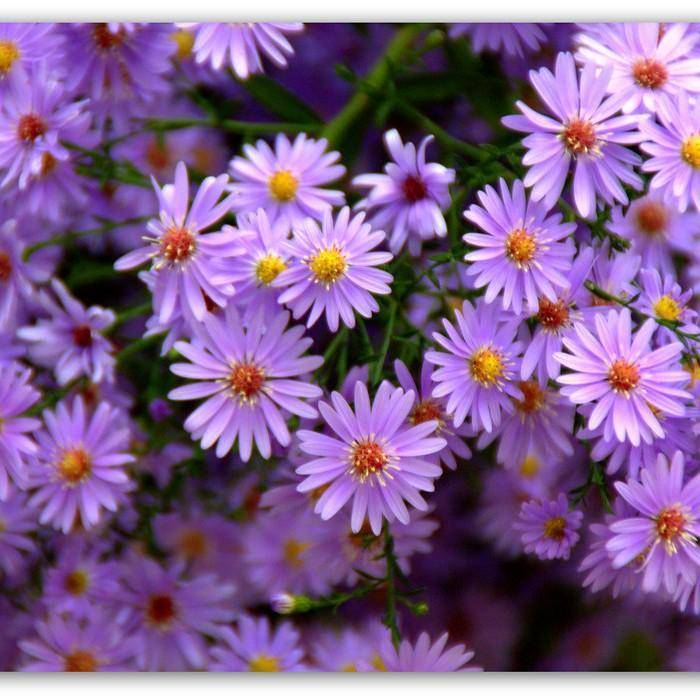
Aster Tataricus: Complete Growing, Care, and Usage Guide
Learn how to grow and care for aster tataricus (Tartarian aster), including its sun needs, medicinal uses, pet safety, and popular Jindai cultivar details.
2026-07-28 · 10 min read
Plant Games: 25+ Best Options for Casual Play, Learning, and Plant Lovers
Explore the best plant games for mobile, desktop, and console, including casual picks, learning-focused titles, and cozy options for every type of plant enthusiast.
2026-07-27 · 17 min read
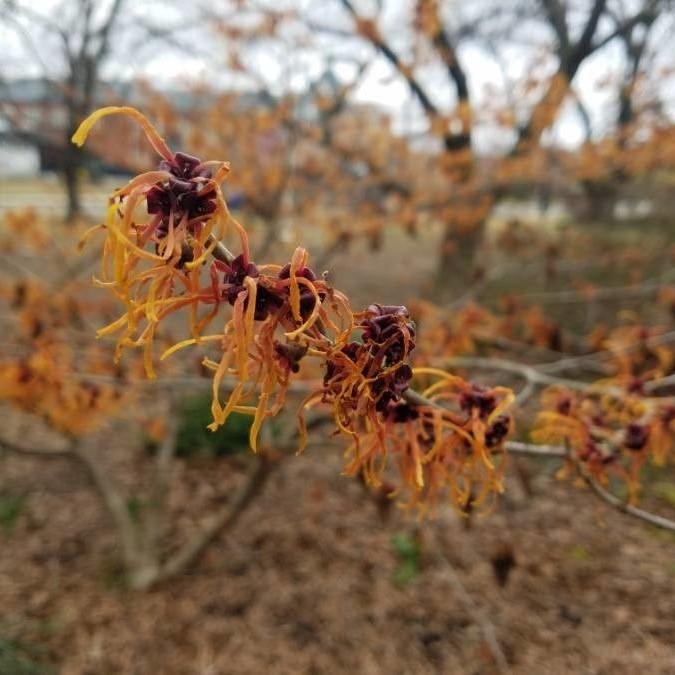
Hamamelis Mollis (Chinese Witch Hazel): Complete Grow & Care Guide
Learn to grow, care for, and enjoy Hamamelis mollis (Chinese witch hazel), a fragrant winter-blooming shrub with vibrant autumn foliage for temperate gardens.
2026-07-26 · 12 min read