Lambs Ears: Complete Care Guide, Uses, and Growing Tips
Learn how to grow and care for lambs ears (Stachys byzantina), a soft, fuzzy silver perennial perfect for drought-tolerant gardens and ground cover.
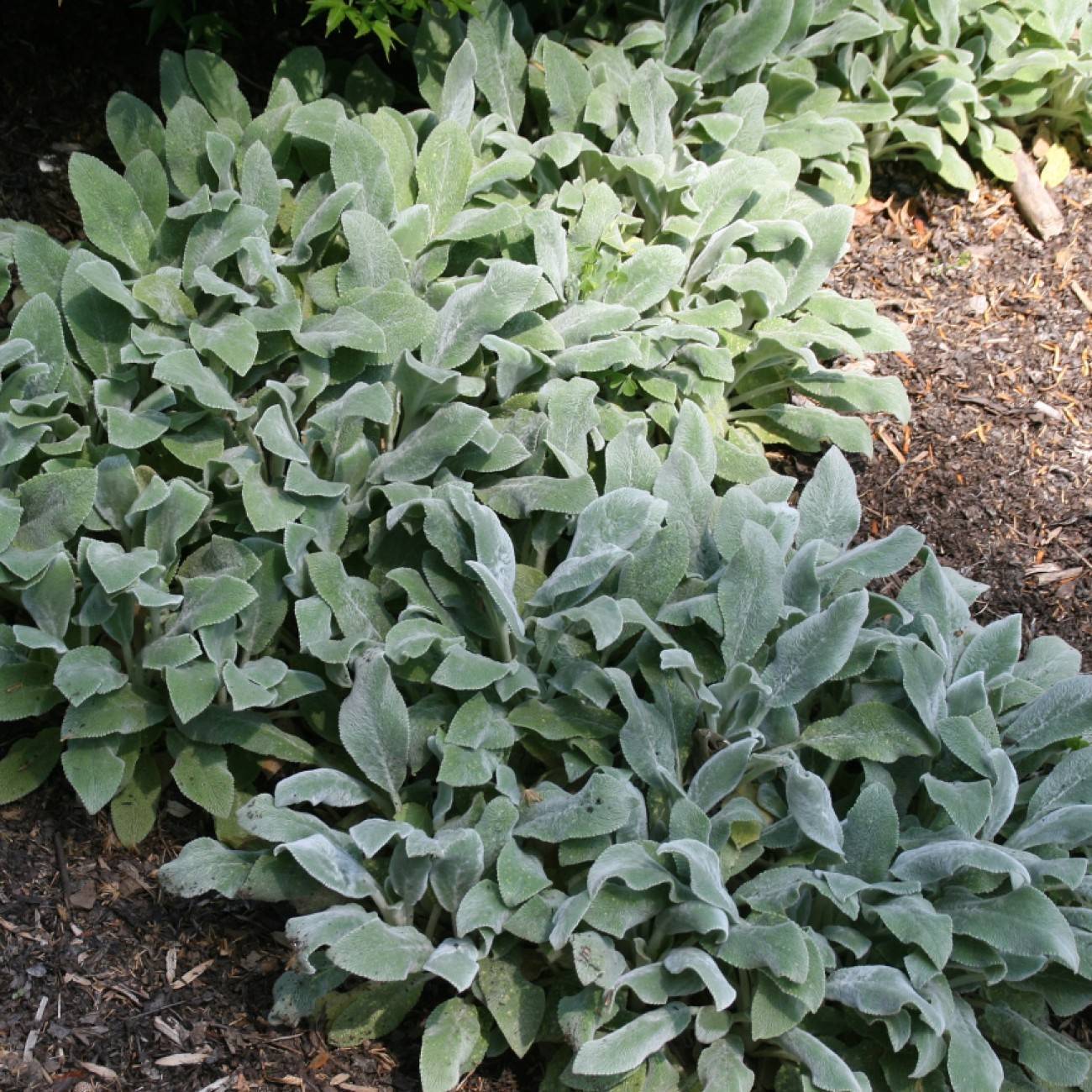
Lambs Ears: Complete Care Guide, Uses, and Growing Tips
Lambs ears (Stachys byzantina) are low-maintenance, fuzzy silver perennials that thrive in full sun and well-draining soil, requiring minimal water once established. They are ideal for drought-tolerant gardens, ground cover, and border plantings, and are hardy in USDA zones 4–8.
Quick Reference Guide for Lambs Ears
Lambs ears thrive in full sun, well-draining soil, and require only 1 inch of water every 10–14 days once established. They grow 6–18 inches tall, spread 12–36 inches wide, and are hardy in USDA zones 4–8. This quick cheat sheet covers all core specs for at-a-glance reference.
Ideal growing conditions snapshot
- Light: 6–8 hours of direct full sun daily (2–3 hours of afternoon shade in extreme heat zones)
- Soil: Sandy or loamy, well-draining, pH 6.0–7.5
- Water: ½ inch every 3–4 days for new plants, 1 inch every 10–14 days for established plants
- Temperature: Tolerates winter lows down to -30°F (-34°C) and summer highs up to 90°F (32°C) with adequate drainage
Mature size and growth rate
Lambs ears grow at a moderate pace, reaching full mature size within 2–3 years of planting. Foliage grows 6–12 inches tall for most cultivars, with flower spikes adding an extra 6–12 inches of height during bloom season. Each plant spreads 12–36 inches wide, making it an effective fast-spreading ground cover for large sunny areas.
Hardiness zone range
Lambs ears are reliably winter hardy in USDA zones 4–8. In zone 3, they may survive with a 2-inch layer of mulch applied in late fall to protect the root crown from extreme temperature fluctuations. In zones 9 and above, high humidity and frequent summer rain often lead to root rot, so they are best grown in containers that can be moved under cover during wet spells.
Learn more about lambs ears in our plant encyclopedia
Lambs Ears Taxonomy and Botanical Background
Lambs ears’ scientific name is Stachys byzantina, a member of the Lamiaceae (mint) family native to Turkey, Armenia, and Iran. It is sometimes mislabeled as Stachys lanata, an outdated synonym for the same species. Its common name comes from the thick, fuzzy silver leaves that resemble a lamb’s ear.
Official scientific classification
- Kingdom: Plantae
- Clade: Tracheophytes
- Clade: Angiosperms
- Clade: Eudicots
- Clade: Asterids
- Order: Lamiales
- Family: Lamiaceae
- Genus: Stachys
- Species: S. byzantina
As a member of the mint family, lambs ears share the family’s characteristic square stems and spreading growth habit, though it is far less aggressive than common culinary mint varieties.
Common name origin
The common name “lambs ears” refers directly to the plant’s soft, densely fuzzy leaves, which have a texture nearly identical to the fur on a young lamb’s ear. The fine silver hairs covering the leaves are an evolutionary adaptation to reduce water loss in dry, sunny climates, and also reflect excess sunlight to prevent leaf scorch.
Synonyms and common mislabeling
Stachys byzantina is often sold under the outdated synonym Stachys lanata, which was the accepted scientific name until the 1990s, when taxonomic updates reclassified the species to align with its original 18th-century naming. It is also sometimes mislabeled as lamb’s ear (singular) or woolly betony, a related but distinct Stachys species grown primarily for its flowers. If you are unsure of the plant you purchased, you can identify other fuzzy silver foliage plants with Sproutly to confirm its species.
Ideal Light Requirements for Lambs Ears
Lambs ears grow best in 6–8 hours of direct full sun daily. They can tolerate partial shade, but too little light will cause leggy growth and reduce the silver hue of their foliage. In extremely hot southern climates, 2–3 hours of afternoon shade prevents leaf scorch.
Full sun vs partial shade performance
In full sun, lambs ears produce dense, compact foliage with a bright silver color and thick fuzzy texture. In partial shade (defined as 3–6 hours of direct sun daily), growth becomes looser, leaves take on a greener tint, and the plant produces fewer flower spikes. Less than 3 hours of sun daily leads to sparse, weak growth that is more susceptible to pest and disease issues.
Signs of insufficient light
Common signs that your lambs ears are not getting enough light include:
- Stretched, leggy stems that flop over
- Foliage that is more green than silver
- Reduced leaf fuzziness
- No flower spikes during bloom season
- Increased risk of powdery mildew due to poor air circulation around sparse growth
If you notice these symptoms, move potted lambs ears to a sunnier location, or prune back overhanging tree branches that are blocking sunlight to in-ground plants.
Adjustments for extreme heat zones
In USDA zones 7–8, where summer temperatures regularly exceed 90°F (32°C), lambs ears benefit from 2–3 hours of dappled afternoon shade to prevent leaf scorch. Scorched leaves develop brown, crispy edges that do not recover, so they can be trimmed off to encourage new, healthy growth. Avoid planting lambs ears on west-facing walls in these zones, where reflected heat can raise local temperatures by 10°F (5°C) or more.
Soil Preferences for Healthy Lambs Ears
Lambs ears require well-draining, sandy or loamy soil with a pH between 6.0 and 7.5. They cannot tolerate heavy, clay soil that holds standing water, which causes root rot within 1–2 weeks of consistent sogginess. Amending heavy soil with 2 inches of compost or perlite before planting improves drainage drastically.
Soil pH and texture requirements
The ideal soil for lambs ears is loose, gritty, and fast-draining, with a neutral to slightly acidic pH. Sandy or rocky native soils that support other drought-tolerant plants are perfect for lambs ears, as they do not hold excess moisture around the roots. Heavy clay soils that stay wet for more than 24 hours after rain are unsuitable without significant amendment.
How to amend poor draining soil for lambs ears
If you have heavy clay soil, prepare the planting area by:
- Digging the top 12 inches of soil to break up compacted layers
- Mixing in 2 inches of coarse perlite and 2 inches of compost to improve drainage and add small amounts of nutrients
- Mounding the amended soil into 4-inch high raised beds to further encourage water runoff away from root crowns
- Testing soil pH with a home test kit, and adjusting with ground limestone if pH is below 6.0, or elemental sulfur if pH is above 7.5
For particularly wet sites, consider planting lambs ears in rock gardens or on sloped ground, where water drains away naturally.
Soil mistakes that cause plant decline
The most common soil-related mistake when growing lambs ears is planting in unamended clay soil, which leads to root rot even with careful watering. Adding too much organic matter (more than 2 inches of compost per planting area) can also hold excess moisture and cause issues, as lambs ears are adapted to low-nutrient, lean soils. Avoid using water-retentive potting mixes formulated for tropical plants for container-grown lambs ears, as these hold too much moisture around the roots.
Watering Schedule for Lambs Ears
Newly planted lambs ears need ½ inch of water every 3–4 days for the first 4 weeks to establish roots. Once established, they only need 1 inch of water every 10–14 days, even during summer heat. Overwatering is the most common cause of death for lambs ears, as their fuzzy leaves trap moisture against the plant if watered from above.
Watering guidelines for new vs established plants
For the first 4 weeks after planting, water lambs ears lightly every 3–4 days to keep the top 2 inches of soil consistently moist but not soggy. This encourages shallow roots to grow deeper into the soil to access stored moisture. Once established (signaled by new leaf growth), reduce watering to 1 inch of water every 10–14 days, and only water if there has been no rain during that period. Established lambs ears can survive up to 4 weeks without water during periods of drought, making them ideal for low-water gardens. If you struggle to remember your watering schedule, the Sproutly app can track your plants’ water needs and send you reminders when it is time to water.
Signs of overwatering vs underwatering
It can be difficult to distinguish between overwatering and underwatering in lambs ears, as both cause yellowing leaves. Key differences include:
- Overwatering: Soft, mushy yellow leaves, brown rotting spots on foliage, a sour smell coming from the soil, and slime on the root crown
- Underwatering: Crispy, dry yellow or brown leaves, wilted foliage that perks up quickly after watering, and completely dry soil down to 3 inches deep
If you suspect overwatering, stop watering immediately and let the soil dry out completely before watering again. For severely overwatered plants, dig them up, trim off any rotting roots, and replant in fresh, dry soil.
Best watering practices to avoid leaf rot
To prevent leaf rot, always water lambs ears at the base of the plant, directly onto the soil, rather than spraying water over the foliage. The fine fuzzy hairs on the leaves trap moisture against the leaf surface, which can lead to fungal growth and leaf rot if foliage stays wet for more than 6 hours. Water early in the morning, so any accidental splashes on leaves have time to dry out during the day. Avoid using overhead sprinklers for lambs ears, as these consistently wet the foliage and increase disease risk.
Fertilizer and Nutrient Needs
Lambs ears are light feeders and rarely require fertilizer. Applying a thin 1-inch layer of compost in early spring provides all the nutrients they need for the growing season. Over-fertilizing causes excessive, leggy growth and reduces the plant’s signature fuzzy leaf texture.
When to apply nutrients (if at all)
In most garden soils, lambs ears do not need any supplemental fertilizer. The only exception is for plants growing in extremely sandy, nutrient-poor soils, where a single application of balanced, slow-release 10-10-10 fertilizer in early spring (applied at half the manufacturer’s recommended rate) can support healthy growth. For container-grown lambs ears, a single light application of cactus fertilizer in early spring is sufficient, as potting mix loses nutrients over time.
Signs of over-fertilization
Over-fertilization is far more common than nutrient deficiency in lambs ears, and signs include:
- Rapid, leggy growth that flops over
- Greener, less fuzzy leaves that lose their signature silver color
- Increased susceptibility to powdery mildew and pest issues
- Reduced drought tolerance, as soft new growth requires more water
If you notice these signs, leach excess nutrients from the soil by running water through the planting area for 10–15 minutes, and avoid applying any nutrients for at least one full growing season.
Recommended low-nutrient soil amendments
The best soil amendments for lambs ears are those that improve drainage without adding excessive nutrients. These include:
- Coarse perlite or pumice, to loosen heavy soil and improve drainage
- Horticultural sand, to increase grit and drainage in clay soils
- Well-aged compost, applied in thin 1-inch layers once per year to add small amounts of nutrients without overfeeding
- Pine bark fines, to slightly lower soil pH and improve soil structure
Avoid adding manure, high-nitrogen fertilizer, or moisture-retentive polymers to lambs ears planting areas, as these can cause overfeeding and excess moisture retention.
How to Plant Lambs Ears
Plant lambs ears in early spring after the last frost, spacing them 12–18 inches apart to allow for air circulation and spread. Dig a hole twice as wide as the root ball, set the plant at the same depth it was in its nursery pot, and backfill with amended soil. Water thoroughly after planting to settle roots.
Best time of year to plant
The ideal time to plant lambs ears is early spring, after the last frost date in your area, when soil temperatures have warmed to at least 50°F (10°C). This gives the plant a full growing season to establish roots before winter. You can also plant lambs ears in early fall, 6–8 weeks before the first expected frost, to give roots time to establish before cold weather sets in. Avoid planting in mid-summer, when high heat and drought stress can prevent successful establishment.
Spacing guidelines for ground cover vs border plantings
- For ground cover: Space plants 12 inches apart, so they will grow together to form a solid mat of foliage within 2 years. For faster coverage, space plants 6 inches apart, but you will need to thin them out after 1 year to improve air circulation and reduce disease risk.
- For border plantings or mixed perennial beds: Space plants 18–24 inches apart, to give them room to spread without crowding neighboring plants. This wider spacing also improves air circulation, which reduces the risk of powdery mildew in mixed plantings with higher moisture needs.
Step-by-step planting instructions
- Prepare the planting area by digging the top 12 inches of soil, and amending with perlite and compost if needed to improve drainage.
- Dig a hole twice as wide as the nursery root ball, and the same depth as the root ball.
- Remove the lambs ears from its nursery pot, and gently loosen any tangled roots with your fingers.
- Set the plant in the hole, making sure the top of the root crown (the point where roots meet the stems) is level with the surrounding soil. Planting the crown too deep can lead to rot.
- Backfill the hole with amended soil, and gently tamp it down around the roots to remove air pockets.
- Water thoroughly at the base of the plant to settle the soil around the roots.
- Add a 1-inch layer of gravel or stone mulch around the plant to keep soil moisture consistent and prevent soil from splashing up onto the leaves during rain. Avoid organic mulches like wood chips, which hold moisture against the root crown and increase rot risk.
Lambs Ears Propagation Methods
Lambs ears are most easily propagated by root division in early spring or late fall. Dig up a mature clump, gently separate the roots into 3–4 inch sections, and replant each section at the same depth it was growing. They can also be grown from seed, but seed-grown plants take 2–3 years to reach full mature size.
Root division step-by-step
Root division is the fastest and most reliable propagation method for lambs ears, and also helps control spread of overgrown clumps. Follow these steps:
- Water the mature lambs ears clump thoroughly 24 hours before dividing, to loosen the soil around the roots.
- Dig around the entire clump with a garden spade, 6 inches away from the edge of the foliage, to avoid cutting through too many roots.
- Lift the entire clump out of the ground, and gently shake off excess soil from the roots.
- Pull the clump apart into 3–4 inch sections by hand, or cut through tough root sections with a clean, sharp knife. Each section should have at least 3–4 healthy stems and a full root system.
- Trim off any brown, dead foliage or rotting roots from each section.
- Replant each section immediately at the same depth it was growing, following the standard planting instructions.
- Water lightly every 3–4 days for the first 4 weeks to help the new divisions establish roots.
Growing from seed instructions
Lambs ears can be grown from seed, though seed-grown plants are slower to mature and may not have the exact foliage characteristics of the parent plant, especially for named cultivars. To grow from seed:
- Start seeds indoors 8–10 weeks before the last expected frost date. Sow seeds on the surface of a well-draining seed starting mix, and do not cover them, as they need light to germinate.
- Keep the soil consistently moist but not soggy, and maintain a temperature of 65–70°F (18–21°C) until germination, which takes 14–21 days.
- Once seedlings have 2–3 sets of true leaves, transplant them into individual 3-inch pots.
- Harden off seedlings outdoors for 7–10 days after the last frost date, gradually exposing them to full sun and outdoor temperatures.
- Transplant seedlings into the garden after all risk of frost has passed, following standard planting instructions.
Best time of year to propagate
Root division is best done in early spring, just as new growth emerges, or in late fall, after the plant has gone dormant for the winter. Dividing in spring gives the new plants a full growing season to establish before winter, while dividing in fall reduces transplant stress, as the plant is not actively growing foliage. Avoid dividing in mid-summer, when high heat and drought stress can kill new divisions before they establish roots.
Common Pests and Problems for Lambs Ears
Lambs ears are largely pest-resistant, but overwatering can attract powdery mildew and root rot. The only common insect pest is the woolly aphid, which feeds on the sap of new growth and can be removed with a strong spray of water or insecticidal soap. Deer and rabbits almost never eat lambs ears due to their fuzzy texture.
How to identify and treat powdery mildew
Powdery mildew appears as a white, powdery coating on the surface of lambs ears leaves, usually in areas with poor air circulation and high humidity. It rarely kills the plant, but can cause leaves to turn yellow and drop off if left untreated. To treat powdery mildew:
- Remove and dispose of all infected leaves to prevent the spread of spores.
- Improve air circulation around the plant by thinning out overgrown clumps or pruning back neighboring plants that are blocking airflow.
- Spray affected plants with a solution of 1 part baking soda and 4 parts water, or a commercial organic fungicide formulated for powdery mildew, every 7–10 days until the infection clears.
- Avoid watering from above, as wet foliage encourages spore growth.
Woolly aphid control methods
Woolly aphids are small, fuzzy white insects that cluster on the undersides of new lambs ears leaves and feed on plant sap. They secrete a sticky honeydew that can attract sooty mold, though they rarely cause significant damage to healthy plants. To control woolly aphids:
- Spray affected plants with a strong stream of water from a garden hose, which knocks the aphids off the leaves and prevents them from returning.
- For severe infestations, spray plants with insecticidal soap or neem oil, following the manufacturer’s instructions, every 7 days until the aphids are gone.
- Avoid using broad-spectrum insecticides, which kill beneficial predatory insects that keep aphid populations under control naturally.
If you are unsure what pest or disease is affecting your lambs ears, the Sproutly app can diagnose issues from photos and recommend targeted treatment options.
How to prevent root rot and leaf decay
Root rot and leaf decay are almost always caused by overwatering or poor soil drainage, and can be prevented by:
- Planting in well-draining soil, or amending heavy soil before planting
- Watering only when the top 3 inches of soil are completely dry
- Watering at the base of the plant, avoiding wetting the foliage
- Using gravel or stone mulch instead of organic mulch, to keep moisture away from the root crown
- Spacing plants 12–18 inches apart to improve air circulation around the foliage
- Avoiding planting in low-lying areas that collect standing water after rain
Container Growing and Popular Cultivars
Lambs ears grow well in containers with at least one drainage hole, planted in cactus or succulent potting mix to ensure drainage. Popular cultivars include 'Silver Carpet', a low-growing 6-inch tall variety that does not bloom, and 'Big Ears', which grows up to 12 inches tall with extra-large, fuzzy leaves.
Container size and soil recommendations for potted lambs ears
Choose a container that is at least 12 inches wide and 8 inches deep, with at least one drainage hole in the bottom. Terracotta pots are ideal for lambs ears, as they are porous and allow excess moisture to evaporate from the sides of the pot, reducing rot risk. Use a commercial cactus or succulent potting mix, or make your own by mixing 1 part regular potting mix, 1 part perlite, and 1 part coarse sand to ensure fast drainage. Avoid adding water-retentive crystals or compost to the potting mix, as these hold too much moisture.
'Silver Carpet' cultivar details
'Silver Carpet' is the most popular low-growing lambs ears cultivar, growing only 4–6 inches tall and spreading 12–18 inches wide. It is bred to be non-flowering, so it does not produce tall flower spikes, making it ideal for uniform ground cover or edging along walkways. Its foliage is dense and bright silver, with a particularly soft fuzzy texture. It requires the same care as the species, but is slightly more tolerant of partial shade than flowering cultivars.
'Big Ears' cultivar details
'Big Ears' (sometimes sold as 'Helen von Stein') is a larger cultivar that grows 10–12 inches tall, with extra-large leaves that can reach 4 inches wide and 10 inches long. It produces sparse flower spikes, focusing most of its energy on growing large, thick foliage. It is more tolerant of heat and humidity than the species, making it a good choice for gardens in USDA zones 7–8. Its larger leaves make it a popular choice for tactile gardens for children, as the soft texture is particularly noticeable.
Container care and overwintering tips
Container-grown lambs ears require slightly more frequent watering than in-ground plants, as potting mix dries out faster. Water potted lambs ears when the top 2 inches of soil are completely dry, usually every 7–10 days in summer. Fertilize once per year in early spring with a half-strength application of cactus fertilizer, to replace nutrients lost from potting mix over time.
In USDA zones 4–5, where winter temperatures regularly drop below -20°F (-29°C), move potted lambs ears into an unheated garage or shed for the winter, to protect the roots from extreme cold. Water once per month during winter, just enough to keep the soil from completely drying out. In zones 6–8, potted lambs ears can be left outdoors year-round, as long as the container is rated for winter use.
Browse our full list of drought-tolerant perennials to pair with lambs ears in containers or garden beds.
Frequently Asked Questions
Is lambs ears deer resistant?
Yes, lambs ears are highly deer resistant. Their thick, fuzzy texture is unappealing to deer and rabbits, so they rarely feed on the plant, making it a good choice for gardens in areas with high wildlife activity.
How do I stop lambs ears from spreading too much?
To control spread, dig up and divide clumps every 2–3 years in early spring, and remove any unwanted volunteer plants by pulling them up by the roots. Planting them in buried edging 6 inches deep also prevents root spread into unwanted garden areas.
Should I cut back lambs ears in the fall?
You can trim back brown, dead foliage in late fall to keep the bed tidy, or leave it in place to provide winter interest and protect the crown from extreme cold. Wait until early spring to trim back any frost-damaged growth to avoid exposing the plant to harsh winter temperatures.
Does lambs ears bloom?
Most lambs ears varieties produce tall, 12–18 inch spikes of small purple or pink flowers in late spring to early summer. Some cultivars, like 'Silver Carpet', are bred to be non-flowering to focus energy on foliage growth. You can cut off flower spikes after blooming to encourage denser leaf growth.
Is lambs ears toxic to pets?
Lambs ears are non-toxic to dogs, cats, and horses, according to the ASPCA. Their soft texture makes them a safe, tactile plant for gardens accessible to pets and children.
Try Sproutly
If you want to confirm your lambs ears identification, track your watering schedule, or get personalized care tips tailored to your specific garden conditions, the Sproutly app has you covered. You can upload photos of your plants to diagnose pest and disease issues, set custom care reminders, and explore thousands of plant profiles to find more low-maintenance varieties for your garden. Try Sproutly today to make plant care simpler and more successful.
Lecturas relacionadas
Más guías que podrían interesarte
Hibiscus China Rose: Identification, Care, Uses, and Growing Guide
Learn how to identify, grow, and care for hibiscus china rose (Hibiscus rosa-sinensis), plus its edible and traditional medicine uses for home gardeners.
2026-08-01 · 14 min read
Delphinium Elatum: Care, Cultivars, Toxicity, and Growing Guide
Learn how to grow and care for Delphinium elatum, including sun, water, and soil needs, popular cultivars, and toxicity warnings for home gardeners.
2026-07-31 · 16 min read
Games for Plants: Plant-Focused Video Games and Real-World Activities for Plant Lovers
Explore games for plants, from cozy plant-themed video games to low-lift real-world activities you can do with your houseplants to boost their health and your joy.
2026-07-31 · 17 min read