Japanese Pieris
Pieris japonica
Overview
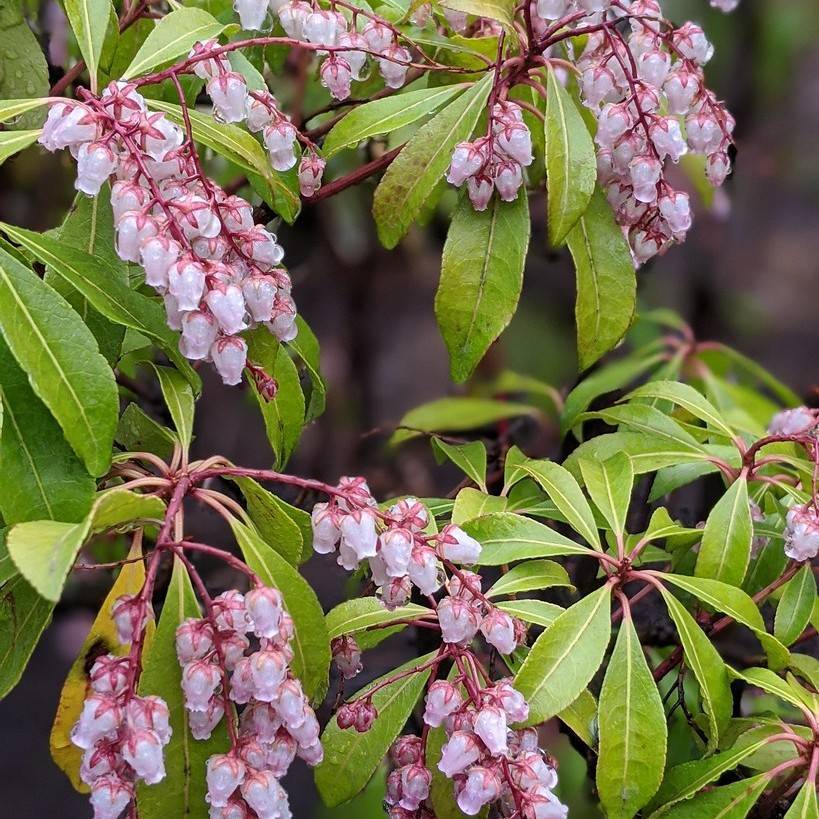
Japanese Pieris, also called lily-of-the-valley shrub, is a slow-growing evergreen beloved for its year-round ornamental appeal. It produces pendulous clusters of delicate, fragrant flowers in early spring that resemble lily of the valley, followed by bronze, red, or pink new foliage that matures to glossy dark green. Adaptable to shaded garden spots, it thrives in cool, temperate climates and adds structure to woodland gardens, shrub borders, and container plantings.
Care Guide
Watering
Water Japanese Pieris regularly to keep the soil consistently moist but never waterlogged, especially during hot, dry periods. Reduce watering frequency in winter when growth slows, allowing the top 1 to 2 inches of soil to dry out between applications to prevent root rot. Avoid using hard tap water with high mineral content, as it can raise soil pH and lead to nutrient deficiencies.
Light
Japanese Pieris prefers partial shade, particularly dappled sunlight that mimics its native woodland understory habitat. It can tolerate full sun in cooler climates with consistent moisture, but prolonged intense afternoon sun in warmer regions will scorch its foliage and stunt growth. Too much deep shade will reduce flower production and result in leggy, sparse growth.
Soil
This shrub requires well-draining, acidic soil with a pH between 4.0 and 6.0 to thrive, as alkaline soils will cause iron chlorosis and yellowing leaves. Amend heavy or neutral soil with peat moss, pine bark, or composted oak leaves to lower pH and improve drainage before planting. Avoid heavy clay soils that hold standing water, as they will quickly cause fatal root rot.
Fertilizer
Feed Japanese Pieris in early spring before new growth emerges using a slow-release, acid-forming fertilizer formulated for azaleas or rhododendrons. Apply a second light feeding in early summer if growth is sparse or foliage appears pale, but avoid fertilizing after mid-summer to prevent tender new growth from being damaged by frost. Over-fertilization can burn the roots and cause leaf tip browning, so always follow label dosage instructions carefully.
Temperature
Japanese Pieris grows best in cool temperate climates with average temperatures between 40 and 70°F (4 and 21°C), and is hardy in USDA zones 4 through 8. It can tolerate winter temperatures as low as -20°F (-29°C) when established, but late spring frosts can damage emerging new growth and flower buds. In regions with harsh winter winds, plant it in a sheltered spot or wrap it in burlap to prevent winter desiccation.
Pruning
Prune Japanese Pieris lightly immediately after flowering ends in spring to maintain its shape and remove spent flower clusters, as it sets next year's flower buds in late summer. Cut back any dead, damaged, or crossing branches to improve air circulation and reduce disease risk, but avoid heavy pruning, as it will reduce flowering for 1 to 2 years. Older, overgrown shrubs can be rejuvenated by cutting back one-third of the oldest stems to the ground each year over three years.
Propagation
The most common method for home gardeners is semi-hardwood cuttings taken in mid to late summer, using 4 to 6 inch long stem cuttings from healthy, current-year growth. Dip the cut end in rooting hormone, plant it in a well-draining acidic potting mix, and keep it in a warm, humid spot with bright indirect light until roots form in 2 to 3 months. It can also be grown from seed, but seeds require cold stratification for 2 to 3 months and will take 3 to 5 years to reach flowering size, with variable traits compared to the parent plant.
Humidity
Japanese Pieris prefers moderate to high humidity levels between 50 and 70%, typical of its native woodland environment. Low humidity, especially in heated indoor spaces or dry climates, can cause leaf browning and drop, so mist the foliage regularly or place a tray of pebbles filled with water under container-grown plants to increase ambient humidity. Ensure good air circulation around the plant even in high humidity to prevent fungal leaf spot diseases.
Repotting
Container-grown Japanese Pieris should be repotted every 2 to 3 years in early spring before new growth begins, using a porous, acidic potting mix designed for ericaceous plants. Choose a pot that is only 1 to 2 inches larger in diameter than the current one, as overly large pots hold excess moisture that can lead to root rot. Gently loosen the root ball when repotting, and trim any circling or damaged roots to encourage healthy new growth.
Uses & Symbolism
Japanese Pieris is a popular ornamental shrub for shaded gardens, woodland borders, foundation plantings, and large containers, valued for its early spring flowers, colorful new foliage, and year-round evergreen structure. Cut stems with flowers or new foliage are often used in floral arrangements for their long-lasting beauty and delicate fragrance. In traditional East Asian medicine, extracts from the plant have been used topically for skin conditions, though internal consumption is strictly avoided due to its toxicity.
Diseases & Pests
Japanese Pieris is susceptible to root rot caused by overwatering or poorly draining soil, which presents as yellowing leaves, wilting, and eventual plant death if not corrected. Fungal leaf spot and powdery mildew can occur in conditions of high humidity and poor air circulation, causing unsightly brown or white patches on foliage that can be treated with fungicides and improved airflow. Common pests include lace bugs, aphids, and spider mites, which suck sap from leaves, causing yellow stippling and reduced vigor, and can be controlled with insecticidal soap or horticultural oil.
Related plants
Other plants you might like if you grow Japanese Pieris.