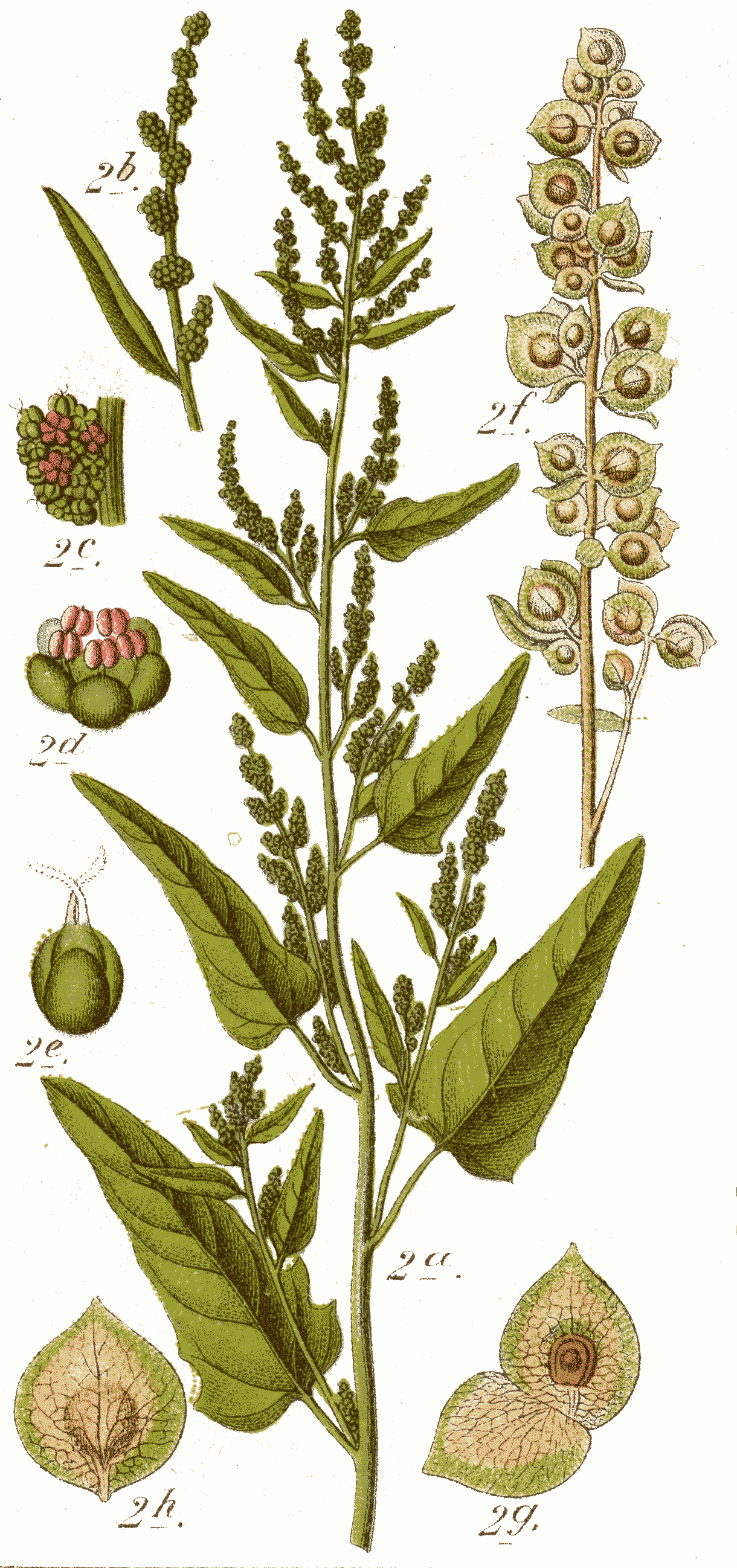
Gmelin's Saltbush
Atriplex gmelinii
Overview
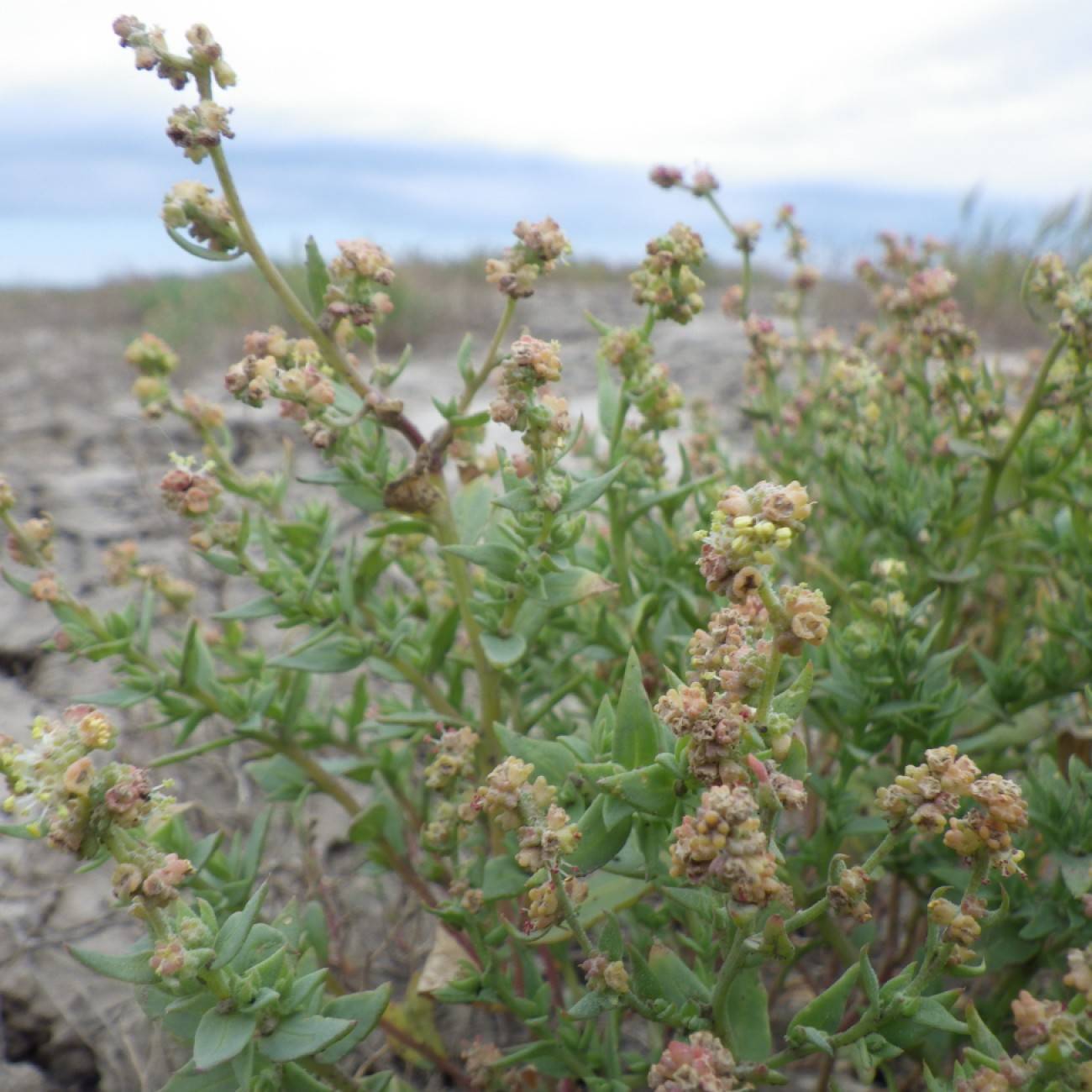
Gmelin's Saltbush is a dense, branching shrub with silvery-gray, scaly foliage that thrives in high-salinity environments where most other plants cannot survive. It produces small, greenish unisexual flowers in late summer, with female plants developing small, papery winged fruits that disperse easily via wind and water. This species is highly adapted to harsh, dry, and saline conditions, making it a valuable plant for stabilizing degraded coastal and salt-affected inland landscapes.
Care Guide
Watering
Gmelin's Saltbush is extremely drought-tolerant once established, requiring only occasional supplemental watering during prolonged, extreme dry spells. Overwatering, especially in non-saline, poorly drained soils, can lead to root rot, so allow the soil to dry out completely between waterings. Young plants may need regular, light watering for the first 2-3 months until their root systems are well-established.
Light
This species requires full, direct sunlight for optimal growth, tolerating at least 6-8 hours of unobstructed light daily. It will not thrive in shaded conditions, developing leggy growth and reduced foliage density if light levels are insufficient. It can withstand intense, direct sun exposure even in hot, arid climates without leaf scorch.
Soil
Gmelin's Saltbush adapts to a wide range of soil types, including sandy, loamy, and clay soils, as long as drainage is excellent. It prefers neutral to highly alkaline soils with high salt content, though it can grow in non-saline soils as well. It does not tolerate waterlogged, heavy soils that retain moisture for extended periods.
Fertilizer
This plant is adapted to low-nutrient, poor soils and rarely requires supplemental fertilization. Excess nitrogen can lead to overly lush, weak growth that is more susceptible to pest damage and winter dieback. If grown in extremely depleted soils, a single application of a balanced, slow-release fertilizer in early spring is sufficient.
Temperature
Gmelin's Saltbush is extremely cold-hardy, tolerating temperatures as low as -40°F (-40°C) and thriving in USDA hardiness zones 2 through 8. It also tolerates high summer temperatures up to 100°F (38°C) as long as soil moisture is not excessive. Sudden, extreme temperature fluctuations in late spring may damage new growth, but plants typically recover quickly.
Pruning
Pruning is rarely required for Gmelin's Saltbush, but you can trim back leggy or damaged branches in early spring to encourage denser, more compact growth. You can also shear plants lightly after flowering to remove spent bloom stalks and maintain a neat shape. Avoid heavy pruning that removes more than one-third of the plant's total growth in a single season.
Propagation
Gmelin's Saltbush is most commonly propagated from seed, which requires no stratification and germinates readily in moist, saline or non-saline soil in spring. Stem cuttings taken from semi-hardwood growth in late summer can also root successfully if planted in well-draining medium and kept lightly moist until established. Plants often self-seed readily in suitable growing conditions, producing volunteer seedlings that can be transplanted easily.
Humidity
This species tolerates a wide range of humidity levels, from the dry air of inland saline flats to the high humidity of coastal shorelines. It has no specific humidity requirements, and high humidity does not typically cause issues as long as foliage dries quickly after rainfall or watering. Prolonged, consistently high humidity combined with poor air circulation may increase the risk of foliar fungal issues.
Repotting
Gmelin's Saltbush is rarely grown in containers, as it prefers to spread its extensive root system freely in the ground. If grown in a pot, repot every 2-3 years in early spring, moving to a container one size larger with a well-draining, sandy potting mix amended with a small amount of salt or lime to mimic its natural growing conditions. Ensure the container has ample drainage holes to prevent waterlogging.
Uses & Symbolism
Gmelin's Saltbush is widely used for erosion control and revegetation of degraded coastal areas, salt marshes, and saline agricultural lands, as its deep root system stabilizes soil and reduces runoff. It provides valuable food and cover for wildlife, including upland game birds, waterfowl, and small mammals, which feed on its foliage and nutrient-dense seeds. In some regions, its young leaves are harvested as a salty, edible green, consumed raw in salads or cooked as a spinach substitute.
Diseases & Pests
Gmelin's Saltbush is relatively pest and disease resistant, with few major issues in its preferred growing conditions. Root rot can occur if plants are grown in poorly drained, waterlogged soils, especially in non-saline environments. Aphids and spider mites may occasionally infest new growth, particularly on plants grown in overly nutrient-rich soils or shaded conditions, but infestations are rarely severe and can be managed with insecticidal soap or natural predators.
Related plants
Other plants you might like if you grow Gmelin's Saltbush.