Give Me the Plant: 8 Real Plant Species Tied to Iconic Movie and TV References
Looking for the real-life plant from your favorite movie or show reference? Explore 8 iconic film-linked plant species with care tips to grow your own pop-culture greenery.
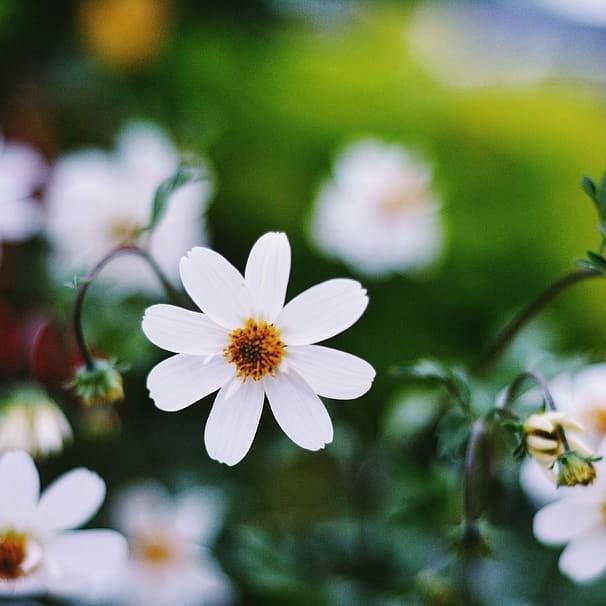
The phrase "give me the plant" refers to a common film and TV trope where a character demands a specific plant for plot purposes, ranging from magical ingredients to survival resources. Most of these on-screen plants are based on real, growable species that you can cultivate in your home or garden, matching the exact specimens you recognize from your favorite scenes.
What Does the Phrase "Give Me the Plant" Reference in Pop Culture?
The phrase "give me the plant" originates from a common trope in films and TV where a character demands a specific, often rare or significant, plant for plot purposes—from magical specimens to rare tropical species that drive key story beats. In many cases, these on-screen plants are based on real, growable species that you can add to your own garden or indoor plant collection.
The trope appears across nearly every genre, from 1980s adventure films where explorers seek rare jungle specimens to dystopian dramas where characters rely on plants for survival. Many of these references are so recognizable that viewers often search for the real-life versions after watching, aiming to recreate a piece of their favorite media at home. If you want to learn how to grow these on-screen species, our give me the plant care guide covers growing tips for every species on this list.
Abyssinian Banana (Ensete ventricosum): The Tropical Jungle Movie Stand-In
The Abyssinian banana is the large, leafy tropical plant used as a set piece in most jungle-set adventure films, where characters often demand it for fictional medicinal or survival purposes. This full-sun, humidity-loving plant grows up to 20 feet tall in outdoor tropical climates, and is non-toxic to dogs and cats.
Its broad, 10-foot-long leaves create a dramatic jungle aesthetic that makes it a favorite for set designers filming tropical or remote wilderness scenes. For home growing, it requires 6+ hours of direct sunlight daily, consistent soil moisture, and regular misting to maintain 50% or higher humidity levels. If you live in a climate with winter temperatures below 40°F, you can grow it in a large 15-gallon pot and move it indoors during cold months. For full species-specific growing instructions, see our Abyssinian banana care guide.
Acaena (Acaena inermis 'Purpurea'): The Fantasy Quest Ground Cover
Acaena, also known as Purple Rodless Briar, is the low-growing, purple-leafed ground cover featured in medieval and high fantasy films, where characters search for it as a fictional ritual ingredient. This full-sun, outdoor plant produces tiny, round red seed heads in late summer, and is non-toxic to pets.
Set designers use acaena for fantasy forest and village scenes, as its unusual purple foliage creates an otherworldly, magical landscape appearance. It grows 2 to 4 inches tall and spreads up to 2 feet wide, making it a good choice for rock gardens or border edges in temperate climates. It tolerates light frost and requires well-draining soil to avoid root rot. When you see a character in a fantasy film say "give me the plant" while rummaging through forest undergrowth, this species is almost always the prop they reach for.
Alexandrina Saucer Magnolia: The Romantic Drama Bloom
The Alexandrina saucer magnolia is the pink, cup-shaped flowering tree featured in 90s romantic drama garden scenes, where characters often ask for a cutting of the bloom as a sentimental token. This outdoor full-sun tree thrives in temperate climates, produces large 10-inch blooms in early spring, and is safe for pets.
Its soft pink and white blooms appear before the tree grows leaves in early spring, creating a dramatic, romantic backdrop for confession or wedding scenes. It grows 15 to 20 feet tall and 10 to 15 feet wide, making it suitable for small to medium yards in USDA hardiness zones 4 through 9. It prefers slightly acidic, well-draining soil and minimal pruning to preserve bloom production. For more specific growing guidance, review our Alexandrina saucer magnolia care facts.
Aloe Harlana: The Dystopian Survival Movie Medicinal Plant
Aloe harlana is the fleshy, spiky succulent referenced in post-apocalyptic films as a natural first-aid remedy that characters request to treat wounds. This drought-tolerant, partial-shade succulent grows well indoors, is beginner-friendly, and is non-toxic to common household pets.
Its thick, spotted leaves and compact growth habit make it a convincing natural remedy prop for post-apocalyptic and survival scenes, where access to manufactured medicine is limited. For home growing, it requires only 2 to 3 hours of indirect sunlight per day and watering every 2 to 3 weeks, once the soil is completely dry. It rarely needs fertilizer and tolerates low-humidity indoor environments well. For more species-specific advice, see our Aloe harlana growing tips. This is one of the easiest species from pop culture to grow, so if you want to give me the plant that will thrive in low-effort indoor spaces, aloe harlana is the top pick.
Allium (Allium kunthianum): The Whimsical Indie Film Bloom
Allium kunthianum is the small, purple globe-flowering plant featured in indie coming-of-age films, where characters pick it for wildflower bouquets during summer road trip scenes. This full-sun, flowering plant grows well in outdoor garden beds, and is non-toxic to pets.
Its round, 2-inch purple blooms appear in late spring, adding a playful, whimsical touch to outdoor scene setups. It grows 8 to 12 inches tall, making it suitable for front garden borders or container planters. It prefers well-draining soil and requires minimal watering once established, making it a low-fuss addition to outdoor gardens.
Amazon Lily (Eucharis amazonica): The Gothic Mystery Houseplant
The Amazon lily is the glossy, white-flowering indoor plant featured in old dark house mystery films, where characters often seek it out as a hidden clue to a family secret. This partial-shade, humidity-loving houseplant requires expert care, produces fragrant white blooms year-round, and is safe for pets.
Its dark green, glossy leaves and elegant white, star-shaped blooms create a sophisticated, slightly eerie appearance that fits well in old mansion and Gothic mystery sets. For home growing, it requires 50% to 70% humidity, indirect sunlight, and consistent soil moisture without sogginess. It is best suited for experienced plant owners who can monitor humidity levels regularly, as it drops leaves quickly if conditions are too dry.
Allegheny Serviceberry: The Historical Drama Edible Foraging Plant
The Allegheny serviceberry is the berry-producing shrub referenced in colonial and pioneer-era dramas, where foraging characters ask for it as a food source during long journeys. This full-sun outdoor plant produces sweet, edible blue berries in early summer, is pet-safe, and thrives in humid temperate climates.
It grows 15 to 25 feet tall, producing small white spring blooms before its edible berries ripen in June. The berries have a sweet, mild flavor similar to blueberries, and can be eaten raw or used in jams and baked goods. It is adaptable to most soil types and tolerates occasional drought once established, making it a low-maintenance edible landscape plant for temperate regions.
Alternate-Leaved Butterfly Bush (Buddleja alternifolia): The Period Drama Cottage Garden Shrub
The alternate-leaved butterfly bush is the arching, purple-flowering shrub featured in 19th-century period dramas, where characters cut its blooms for kitchen table arrangements in cottage garden scenes. This full-sun, flowering shrub grows 10 to 12 feet tall, is pet-safe, and attracts pollinators like butterflies and bees.
Its weeping branches and dense clusters of small, fragrant purple blooms create a cozy, rustic cottage aesthetic that fits period drama set design. It blooms in early summer, and requires minimal pruning beyond removing dead branches in late winter. It tolerates a wide range of soil types and is drought-tolerant once established, making it suitable for low-maintenance garden beds. When a period drama character runs through a cottage garden and says "give me the plant" to pick stems for a vase, this bush is often the one they target.
How to Identify Unfamiliar Pop-Culture Plant References From Media
If you encounter a plant reference in a movie or show that you can’t name, start by noting its key visual traits: leaf shape, bloom color, size, and whether it appears to be growing indoors or outdoors. You can snap a screenshot of the plant and upload it to the Sproutly app for fast, accurate identification, plus personalized care tips if you want to grow it yourself.
For best results when identifying a plant from media, follow these simple steps:
- Pause the scene on the clearest possible shot of the plant, avoiding blurry or partially obscured frames
- Note visible context clues, such as whether the plant is in a pot indoors, growing in a tropical jungle, or planted in a temperate garden
- Crop the screenshot to focus only on the plant, cutting out background characters or set pieces
- Upload the cropped image to Sproutly to match it to its verified species entry
- Save the care guide if you want to add the plant to your own collection
If you want to confirm that the species you identified is the exact one used on screen, you can cross-reference its native growing region with the filming location of the media to rule out similar lookalike species.
Frequently Asked Questions
What movie first popularized the "give me the plant" trope?
The trope appears across decades of film, but one of the most well-known uses is in 1980s adventure films where explorers demand rare tropical plants for fictional research or medicinal plots.
Are all pop-culture plant movie plants real?
While some on-screen plants are fictional props, most are based on real species like the Abyssinian banana or Amazon lily, which are chosen for their distinct, memorable appearance.
Can I grow the Abyssinian banana if I live in a non-tropical climate?
Abyssinian bananas can be grown in large pots and moved indoors during cold months, as long as they receive 6+ hours of full sun daily and regular misting to maintain high humidity.
How do I identify a random plant I saw in a movie?
Upload a clear screenshot of the plant to the Sproutly app, which will match it to its verified species entry and provide you with full care instructions if you want to add it to your collection.
Try Sproutly
Want to find more real plants from your favorite movies and TV shows, or get personalized care tips for the pop-culture greenery you already grow? Download Sproutly today to identify any plant in seconds, access curated care guides, and track your plant collection’s growth over time. If there’s a specific species you saw on screen that you want to cultivate, the app can help you confirm growing requirements before you give me the plant a spot in your home or garden.
Ähnliche Artikel
Weitere Guides, die dir gefallen könnten
Wild Flower Names: 8 Common, Distinct Species to Identify and Grow
Learn common wild flower names, key identifying traits, and growing tips for popular native and ornamental species perfect for pollinator gardens and low-maintenance landscapes.
2026-06-24 · 10 min read
Watermelon: Complete Growing, Nutrition, and Usage Guide
Learn how to grow watermelon, plus its nutrition, health benefits, varieties, and potential side effects in this comprehensive, beginner-friendly guide.
2026-06-23 · 12 min read
8 Unique Plant Species to Grow in Full-Sun Outdoor Spaces (All Pet-Safe)
Explore low-fuss, pet-safe plant species for full-sun outdoor gardens, from trailing groundcovers to flowering shrubs that thrive with minimal upkeep.
2026-06-23 · 8 min read