Jackfruit Tree: Growing, Care, Harvesting, and Key Facts for Home Growers
Learn how to grow, care for, and harvest a jackfruit tree, plus key facts about its fruit, health benefits, and ideal growing conditions.
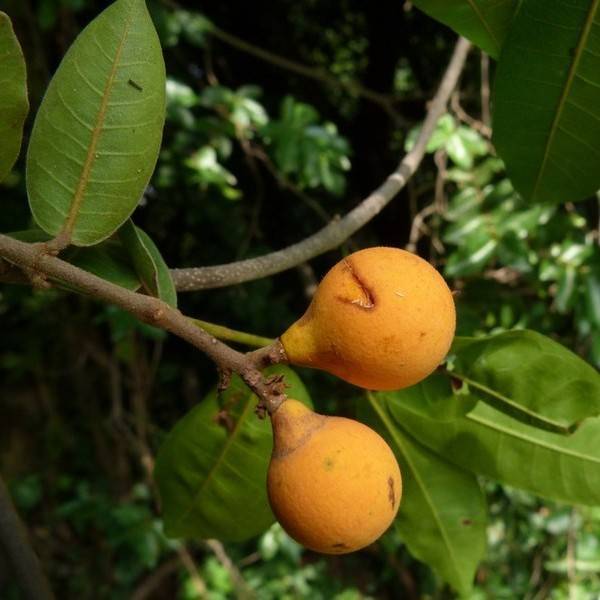
Jackfruit Tree: Growing, Care, Harvesting, and Key Facts for Home Growers
The jackfruit tree (Artocarpus heterophyllus) is a large tropical evergreen grown for the world’s largest tree-borne fruit, which can weigh up to 80 pounds at maturity. It thrives in USDA zones 10–12, bears edible sweet or savory fruit, and requires full sun, consistent moisture, and warm temperatures to produce well.
What Is a Jackfruit Tree?
The jackfruit tree is a member of the Moraceae plant family, closely related to figs, mulberries, and breadfruit, and is cultivated both commercially and in home gardens across tropical and subtropical regions. Its massive edible fruit is the largest tree-borne fruit in the world, with mature specimens reaching up to 80 pounds. For more detailed species information, reference our full jackfruit plant profile.
Scientific classification
The jackfruit tree falls under the following taxonomic classification:
- Kingdom: Plantae
- Clade: Tracheophytes, Angiosperms, Eudicots, Rosids
- Order: Rosales
- Family: Moraceae
- Genus: Artocarpus
- Species: A. heterophyllus
Common regional names
The jackfruit tree is known by dozens of local names across its cultivated range, reflecting its long history of use across global cuisines:
- Kathal in Hindi, Bengali, and Marathi across India
- Langka in Filipino and Indonesian
- Jaca in Portuguese, used widely in Brazil and former Portuguese colonies
- Miàn mù guǒ in Mandarin Chinese
- Kanun in Thai
Key distinguishing traits
Unlike many other tropical fruit trees, the jackfruit tree bears fruit directly on its trunk and large main branches rather than on thin outer twigs, an adaptation to support the extreme weight of its mature fruit. It also exudes a thick, sticky white latex from all cut surfaces, including bark, stems, and unripe fruit.
Jackfruit Tree Physical Description
Mature jackfruit trees reach 30 to 70 feet tall at full size, with dense, rounded canopies that spread 20 to 40 feet wide when grown in ideal tropical conditions. Their bark is rough, dark brown, and exudes a sticky white latex when cut, a common trait across all members of the Moraceae family. Young trees grow quickly, adding 2 to 3 feet of height per year in their first 5 years of growth when conditions are optimal.
Trunk and bark characteristics
Mature jackfruit tree trunks reach 12 to 30 inches in diameter at chest height, with rough, uneven bark that often has shallow vertical fissures. When scratched or cut, the bark oozes a thick, milky white latex that can cause mild skin irritation in sensitive people, and is difficult to remove from clothing and tools.
Leaf shape, size, and growth cycle
Jackfruit tree leaves are alternate, glossy, and dark green, with an oblong or oval shape and a leathery texture. Mature leaves reach 4 to 8 inches long and 2 to 4 inches wide, with smooth edges and a slightly pointed tip. Young leaves are pale green and slightly fuzzy, and the tree drops older leaves gradually throughout the year rather than shedding all foliage at once in cooler seasons.
Distinguishing from lookalike species like akee and breadfruit
Young jackfruit tree saplings are often confused with akee and breadfruit saplings, which are in related plant families and have similar glossy, oval leaves. The easiest way to distinguish a young jackfruit tree is by its leaf stem: jackfruit leaves have a short, thick petiole with a small, pointed stipule at the base that falls off as the leaf matures, while akee leaves have longer, thinner petioles and no stipule. If you are unsure of your sapling’s identity, you can use Sproutly’s plant identification feature to confirm it, and you can identify lookalike tropical fruit trees in our plant encyclopedia.
Jackfruit Tree Flowers and Fruit Development
Jackfruit trees are monoecious, meaning they produce separate male and female flowers on the same tree, with male flowers appearing first on younger, smaller branches. Female flowers grow on thick, sturdy stalks directly on the trunk and large main branches, an adaptation to support the weight of the massive fruit as it develops. Pollination is primarily carried out by small fruit flies and stingless bees, with wind contributing to minor pollination in open, breezy locations.
Male vs. female flower identification
Male jackfruit flowers grow in elongated, cylindrical clusters 2 to 4 inches long, pale green when young and turning yellow as they release pollen, before dropping off the tree entirely after pollination season ends. Female flowers are smaller, rounder, and grow in dense, bulbous clusters on short, thick stalks attached directly to the trunk or large branches. The base of the female flower cluster swells as the fruit develops after successful pollination.
Fruit growth timeline from pollination to harvest
After successful pollination, jackfruit takes 3 to 8 months to reach full maturity, depending on the cultivar and growing conditions. Fruit grows most quickly during the first 2 months after pollination, putting on 70% of its final weight during this period, then slows as the flesh develops and ripens. In tropical regions with consistent warm weather, some trees may produce two small fruit crops per year, though most produce one large crop in late summer to early fall.
Average fruit size, yield, and flesh characteristics
Mature jackfruit ranges from 10 to 80 pounds, with most commercial varieties averaging 15 to 30 pounds per fruit. The outer rind is thick, green when unripe, and turns yellow or brown as it ripens, covered in short, spiky protrusions. The inner flesh is made of bright yellow, fibrous edible pods surrounding large, brown, edible seeds. Each fruit contains between 100 and 500 individual flesh pods, depending on its size.
History and Origin of the Jackfruit Tree
Archaeological evidence dates jackfruit cultivation to at least 4,000 years ago in the Western Ghats region of southern India, the tree’s native range. It spread across Southeast Asia via trade routes by 300 CE, and was introduced to the Caribbean, Africa, and South America by Portuguese and Spanish explorers in the 16th century. Fossil remains of jackfruit dating back 3,000 years have been found in archaeological sites in Kerala, India, confirming its long history of human cultivation.
Cultural significance in South and Southeast Asian cuisines
In South and Southeast Asia, the jackfruit tree is considered a “calorie staple” due to the high yield and energy density of its fruit, and is often planted in village common areas and home gardens to provide food security. Unripe jackfruit is used in savory curries, stir fries, and pickles, while ripe jackfruit is eaten fresh, added to desserts, or made into jams, juices, and fermented beverages. The seeds are boiled, roasted, or ground into flour for use in baked goods.
Global spread of commercial cultivation
Commercial jackfruit cultivation expanded in the 20th century as global demand for tropical fruits and plant-based meat substitutes grew. Today, India is the world’s largest producer, growing over 2.5 million tons of jackfruit annually, followed by Bangladesh, Thailand, and Indonesia. Smaller commercial operations exist in Brazil, Jamaica, and southern Florida to supply local and export markets.
Modern growing regions
Today, the jackfruit tree is cultivated in all tropical and subtropical regions where temperatures rarely drop below freezing, including:
- South Asia: India, Bangladesh, Sri Lanka, Nepal
- Southeast Asia: Thailand, Indonesia, Philippines, Vietnam, Malaysia
- Africa: Kenya, Tanzania, Uganda, Nigeria
- The Americas: Brazil, Mexico, Jamaica, southern Florida, Hawaii
Ecology and Invasive Status of Jackfruit Trees
In its native range, the jackfruit tree supports local pollinators including small fruit flies, stingless bees, and wind, while its fallen fruit provides food for native wildlife including monkeys, deer, and wild boar. Outside of its native range, it can outcompete native plant species in disturbed tropical habitats, and is classified as an invasive species in parts of southern Florida and northern Brazil. Its thick, dense canopy blocks sunlight from reaching smaller understory plants, reducing native plant diversity in areas where it establishes wild populations.
Native habitat and ecosystem role
The jackfruit tree’s native range is the rainforests of the Western Ghats, a mountain range running along the western coast of southern India, where it grows as a mid-canopy tree in moist, low-elevation forests. In its native ecosystem, it provides food for a wide range of wildlife, and its deep root system helps prevent soil erosion on sloped forest land. Local farmers often plant jackfruit trees on the edges of crop fields to provide shade for smaller understory crops and reduce wind damage.
Regions where jackfruit is considered invasive
The jackfruit tree is classified as an invasive species in two primary regions outside its native range:
- Southern Florida, USA: It has escaped cultivation in disturbed hardwood hammock habitats, where it outcompetes native tree species and alters food webs for local wildlife.
- Northern Brazil: It has established wild populations in the Amazon Basin, particularly in areas cleared for logging or agriculture, where it outcompetes native rainforest tree species.
If you live in either of these regions, check local invasive species guidelines before planting a jackfruit tree in your landscape.
Preventing unwanted spread in home landscapes
To prevent a jackfruit tree from spreading beyond your landscape, harvest all mature fruit before it falls to the ground, as fallen fruit can sprout new seedlings in nearby disturbed soil. Dispose of unused fruit and seeds in sealed trash bags rather than composting them, and remove any volunteer seedlings that sprout in your yard as soon as you spot them.
How to Grow a Jackfruit Tree
Jackfruit trees grow best in USDA hardiness zones 10 through 12, where temperatures rarely drop below 32°F, and can be grown in large movable containers in cooler zones to bring indoors during cold weather. Most home growers start jackfruit trees from fresh seed, which germinates in 1 to 3 weeks when kept in moist, warm soil between 75°F and 85°F, though grafted saplings will produce fruit 2 to 3 years earlier than seed-grown trees. If you are interested in expanding your tropical fruit collection, you can find tips for growing other edible tropical fruit trees in our resource library.
Starting from seed vs. planting grafted saplings
Growing a jackfruit tree from seed is low-cost and simple, but seed-grown trees have variable fruit quality and take 5 to 7 years to produce their first fruit. Grafted saplings are grown by attaching a fruiting wood cutting from a known high-quality cultivar to a hardy rootstock, ensuring the resulting tree will produce consistent, high-quality fruit in 3 to 4 years. Grafted saplings are the best choice for home growers who want to harvest fruit as quickly as possible.
To grow from seed, plant fresh, cleaned jackfruit seeds 1 inch deep in moist, well-draining potting mix, and keep the pot in a warm, sunny location. Seeds lose viability quickly after being removed from the fruit, so plant them within 1 to 2 weeks of extraction for the highest germination rate.
Ideal planting location and soil requirements
Plant a jackfruit tree in a location that receives full sun for at least 6 hours per day, with well-draining loam soil and a pH between 6.0 and 7.5. Avoid planting in low-lying areas where water pools after rain, as jackfruit tree roots are susceptible to root rot if left in saturated soil for more than 2 to 3 days. Space trees 20 to 30 feet apart to accommodate their wide mature canopies, and plant them at least 15 feet away from buildings, sidewalks, and underground utilities to avoid damage from their large root systems.
Container growing guidance for non-tropical regions
Dwarf jackfruit cultivars are suitable for container growing in cooler regions, as they only reach 10 to 15 feet tall when grown in a pot. Use a large 25+ gallon pot with drainage holes, filled with a well-draining potting mix amended with perlite to improve drainage. Move the pot indoors to a warm, sunny room or greenhouse when temperatures drop below 32°F, and reduce watering during the winter months to prevent root rot. Container-grown jackfruit trees will produce smaller fruit yields than in-ground trees, averaging 10 to 20 fruits per year at maturity.
Jackfruit Tree Care Requirements
Mature jackfruit trees are relatively low-maintenance once established, but require consistent warm temperatures, full sun, and regular moisture to produce large, high-quality fruit yields. Young trees under 3 years old are more sensitive to drought, cold, and nutrient deficiencies, so they require more frequent monitoring to support steady growth. If you’re unsure if your growing conditions match the jackfruit tree’s needs, you can scan your planting site and local climate in the Sproutly app to get personalized care recommendations. For context on how its care compares to other unique cultivated trees, see our Argan Tree: Complete Guide to Cultivation, Uses, and Unique Characteristics.
Light needs: 6+ hours of direct full sun daily
Jackfruit trees require at least 6 hours of unobstructed full sun per day to grow well and produce fruit. Young trees can tolerate partial shade for their first year of growth, but will become stunted and fail to produce fruit if grown in shaded conditions long-term. In regions with intense summer heat, young trees can benefit from light afternoon shade for their first 2 years to prevent leaf scorch.
Watering schedule: 1 to 2 inches of water per week, reduced to 0.5 inches per week in winter
Young jackfruit trees under 3 years old need 1 to 2 inches of water per week, applied directly to the root zone to keep the soil consistently moist but not saturated. Mature trees only need watering during extended dry periods of 2 weeks or more, as their deep root systems can access groundwater from several feet below the surface. Reduce watering to 0.5 inches per week during the cool, dry winter months to reduce the risk of root rot and encourage flowering in the spring.
Soil preferences: Well-draining loam with pH between 6.0 and 7.5
Jackfruit trees tolerate a wide range of soil types, including sandy, loam, and clay soils, as long as the soil drains well. They do not grow well in heavy, waterlogged clay soils with a pH below 5.5 or above 8.0. To improve soil drainage before planting, amend heavy clay soil with 2 to 3 inches of compost or sand worked into the top 2 feet of the planting hole. You can test your soil pH with a home soil test kit to confirm it falls within the ideal range.
Fertilizing: Balanced 8-3-9 fertilizer applied 4 times per year during the growing season
Young jackfruit trees benefit from a balanced 8-3-9 fertilizer applied every 2 to 3 months during the growing season, starting in early spring and ending in late fall. Mature fruiting trees should be fertilized 4 times per year: once in early spring before new growth appears, once after flowering, once during fruit development, and once after harvest. Apply fertilizer evenly around the drip line of the tree, avoiding direct contact with the trunk, and water thoroughly after application to help the nutrients absorb into the soil.
Temperature and humidity tolerance: Thrives in 70°F to 90°F, humidity above 50%
Jackfruit trees grow best in temperatures between 70°F and 90°F, and will stop growing if temperatures drop below 50°F. Young trees are damaged by temperatures below 32°F, while mature trees can tolerate short periods of temperatures as low as 28°F with minor leaf damage. They prefer humidity levels above 50%, and will drop flowers and young fruit if exposed to extended periods of dry, low-humidity air. In dry regions, you can increase humidity around the tree by misting the leaves regularly or placing a tray of water near the base of the tree.
How to Harvest Jackfruit
Jackfruit is ready to harvest 3 to 8 months after pollination, depending on the cultivar and growing conditions, with most varieties ripening in late summer to early fall. Ripe fruit emits a strong, sweet floral aroma, has a slight give when pressed, and produces a hollow, dull sound when tapped, unlike the sharp, solid sound of unripe fruit. Do not wait for fruit to fall from the tree on its own, as fallen fruit will often bruise or split open on impact.
Signs of ripe jackfruit
Use these four indicators to confirm a jackfruit is ready to harvest:
- Aroma: Ripe fruit emits a strong, sweet, fruity scent that is detectable from several feet away. Unripe fruit has no noticeable aroma.
- Rind color: The green rind turns yellow or yellow-brown as it ripens, and the spiky protrusions on the rind become softer and less sharp.
- Give when pressed: The rind will give slightly when pressed firmly with a thumb, while unripe fruit is hard and does not indent.
- Sound when tapped: Tapping the rind produces a dull, hollow thud, rather than the sharp, solid sound of unripe fruit.
Harvesting tools and safety tips (to avoid latex skin irritation)
Jackfruit exudes a thick, sticky latex from the rind and stem when cut, which can cause mild skin irritation and is difficult to remove from skin and clothing. Follow these safety tips when harvesting:
- Wear thick work gloves and long sleeves to avoid contact with latex.
- Use a sharp pruning saw or loppers to cut the thick fruit stalk from the tree, rather than pulling the fruit off by hand.
- For large fruit high on the trunk, have a second person catch the fruit as it is cut, or tie a rope around the fruit to lower it gently to the ground to avoid bruising.
- Coat your cutting tools with vegetable oil before use to make latex easier to wipe off after harvesting.
Post-harvest storage and ripening guidance
Unripe jackfruit can be stored at room temperature for 1 to 2 weeks to ripen fully. Once ripe, whole jackfruit can be stored in the refrigerator for up to 1 week, or cut into individual flesh pods and frozen for up to 6 months. Unripe jackfruit intended for use as a savory meat substitute can be cut into chunks and frozen for up to 3 months without blanching. Wash the flesh pods thoroughly before eating or storing to remove any remaining latex or rind residue.
Jackfruit Health Benefits and Common Uses
Jackfruit flesh is high in vitamin C, potassium, dietary fiber, and antioxidants, with 1 cup of raw jackfruit containing roughly 155 calories, 3 grams of protein, and 3 grams of fiber. Unripe jackfruit has a mild, neutral flavor and meaty texture that is often used as a plant-based meat substitute, while ripe jackfruit is sweet and eaten fresh, used in desserts, or processed into jams and juices. For more information on the fruit’s nutritional profile, see our full jackfruit entry in the Sproutly plant encyclopedia.
Nutritional breakdown per serving
One cup (165 grams) of raw ripe jackfruit contains the following key nutrients:
- Calories: 155
- Protein: 3 grams
- Fat: 1 gram
- Carbohydrates: 38 grams
- Fiber: 3 grams
- Vitamin C: 18 mg (20% of the Daily Value, DV)
- Potassium: 739 mg (16% DV)
- Magnesium: 48 mg (11% DV)
- Vitamin B6: 0.3 mg (18% DV)
The seeds are also edible, and are high in protein, potassium, and B vitamins when boiled or roasted.
Culinary uses for unripe and ripe jackfruit
Unripe jackfruit has a mild, neutral flavor and a fibrous, shreddy texture that mimics pulled pork or chicken when cooked, making it a popular plant-based meat substitute for tacos, curries, stir fries, and sandwiches. It absorbs the flavor of sauces and seasonings easily, and is widely sold canned in brine for savory use.
Ripe jackfruit has a sweet, tropical flavor similar to a mix of mango, pineapple, and banana, and is most often eaten fresh as a snack. It is also used in desserts like ice cream, custard, and fruit salads, and is processed into jams, juices, and dried fruit snacks.
Traditional medicinal uses in South Asian herbalism
In traditional Ayurvedic and Siddha medicine practiced in South Asia, parts of the jackfruit tree are used to treat a range of ailments:
- The latex is applied topically to treat wounds, skin infections, and warts.
- A decoction of jackfruit tree leaves is used to treat fever, asthma, and diarrhea.
- The roots are boiled and used to treat skin diseases and digestive issues.
- Ripe jackfruit is used as a natural laxative and to boost immune function.
These traditional uses are supported by limited modern research, so always consult a healthcare provider before using any plant material for medicinal purposes.
Frequently Asked Questions About Jackfruit Trees
How long does it take a jackfruit tree to produce fruit?
Grafted jackfruit trees produce their first fruit 3 to 4 years after planting, while seed-grown jackfruit trees take 5 to 7 years to bear fruit, depending on growing conditions.
Can you grow a jackfruit tree in a pot?
Yes, dwarf jackfruit cultivars can be grown in large 25+ gallon pots in non-tropical regions, as long as they are moved indoors to a warm, sunny space when temperatures drop below 32°F.
Is the jackfruit tree invasive?
The jackfruit tree is not invasive in its native range of South Asia, but is classified as an invasive species in parts of southern Florida and northern Brazil, where it outcompetes native plant species in disturbed habitats.
How much fruit does a jackfruit tree produce per year?
A mature, healthy jackfruit tree produces 100 to 200 fruits per year, with individual fruits weighing between 10 and 80 pounds depending on the cultivar.
Do jackfruit trees lose their leaves in winter?
No, jackfruit trees are evergreen, so they retain their leaves year-round in warm tropical climates. They may drop a small number of older leaves during cool, dry winter periods, but will not go fully deciduous.
Try Sproutly
Whether you’re growing a jackfruit tree for the first time or tending to an established fruiting tree, Sproutly’s plant identification and care tools can help you avoid common mistakes and maximize your harvest. Scan your tree to confirm its identity, get personalized care reminders tailored to your local climate, and troubleshoot common issues like yellow leaves or pest damage. Get started today at heysproutly.com.
Related Reading
More guides you may like
Montbretia Lucifer: Complete Care, Growing, and Design Guide
Learn how to grow and care for montbretia Lucifer, a vibrant red-flowering crocosmia cultivar ideal for sunny, humid garden beds and pollinator-friendly landscapes.
2026-07-01 · 11 min read
Geranium Sanguineum: Complete Care, Identification, and Growing Guide
Learn how to grow and care for Geranium sanguineum, a hardy, low-maintenance perennial ground cover with vibrant magenta blooms and autumn foliage.
2026-06-30 · 11 min read
Grape Hyacinth (Muscari Armeniacum): Care, Planting, and Growing Guide
Learn how to plant, grow, and care for grape hyacinth, a low-growing spring bulb with dense grape-like blue, purple, or white flower clusters that naturalizes easily.
2026-06-30 · 16 min read