Common Beans: Types, Growing Tips, Nutrition, and Facts
Learn all about common beans, including popular cultivars, growing guidance, nutritional value, toxicity notes, and how to harvest and store your crop successfully.
Common beans are an annual warm-season legume of the species Phaseolus vulgaris, grown worldwide for both fresh green pods and mature dry seeds. They are adaptable to home garden cultivation, highly nutrient-dense, and include widely consumed varieties like black beans, pinto beans, and green beans.
What Are Common Beans? Core Description and Key Traits
Common beans grow as either compact bush varieties 1–2 feet tall, or vining pole varieties that reach 10+ feet when supported by a trellis or stake. They produce compound leaves with three oval leaflets, and flowers that range in color from white to pink to purple depending on cultivar. All varieties form root nodules that fix atmospheric nitrogen, making them a valuable addition to crop rotation plans and raised garden beds.
Key Physical Traits
- Mature dry seeds vary in size from 0.25 to 1 inch long, with colors including white, black, red, tan, speckled, or mottled
- Green pods are 3–8 inches long, with a crisp, fibrous texture when unripe
- All varieties fix nitrogen in soil via root nodules, making them a valuable cover crop for garden beds
As a pet-safe edible crop, this legume pairs well with other pet-safe edible plants for your outdoor garden to create a low-risk, productive growing space for households with animals.
Common Beans Taxonomy and Etymology
Common beans are formally classified as Phaseolus vulgaris, one of five domesticated species in the Phaseolus genus alongside runner beans, lima beans, tepary beans, and moth beans. The species name vulgaris comes from the Latin word for “common,” referencing the crop’s widespread global cultivation. Unlike unrelated legumes like chickpeas, fava beans, or cowpeas, all dry and green varieties fall under this single species.
Domestication History
Genetic evidence shows the crop was domesticated independently in two separate regions roughly 7,000 years ago: one in Mesoamerica (modern-day Mexico and Guatemala) and one in the Andean region of South America (modern-day Peru and Bolivia). Both domestication lines are grown globally today, with Mesoamerican varieties tending to produce smaller seeds and higher yields in warmer climates.
For more context on how plants get their common and scientific names, see our guide to common beans naming conventions and plant classification basics.
Global Distribution and Native Range of Common Beans
Common beans are grown on every inhabited continent, with the largest production volumes in Brazil, India, Myanmar, the United States, and China. While they are now cultivated globally, their native range is limited to tropical and subtropical regions of the Americas, where wild populations still grow in open, sunny grasslands and forest edges. Modern breeding programs have developed cultivars adapted to nearly every temperate and subtropical growing zone.
Regional Growing Adaptations
- Mesoamerican varieties thrive in temperatures between 70–85°F and are more drought-tolerant than Andean types
- Andean varieties perform better in cooler, higher-altitude conditions down to 60°F, and produce larger seed sizes
- Most commercially grown varieties in the U.S. are developed from Mesoamerican lines, adapted to the Great Plains and Midwest growing regions
If you live in a hot region, you can pair drought-tolerant varieties with other full-sun edible crops for warm climates to maximize yield with minimal water inputs.
Ecology and Preferred Growing Conditions for Common Beans
Common beans are warm-season crops that require full sun (6+ hours of direct light per day) and well-drained soil with a pH between 6.0 and 7.0 to grow successfully. They do not tolerate frost, and seeds will not germinate if soil temperatures are below 60°F. Their root systems are relatively shallow, so they require consistent moisture during flowering and pod development to prevent drop.
Common Ecological Interactions
- Beneficial: Root nodules host Rhizobium bacteria that fix atmospheric nitrogen, reducing the need for nitrogen fertilizer for subsequent crops
- Pests: Common pests include Mexican bean beetles, aphids, and bean weevils, which feed on leaves, pods, and stored dry seeds
- Diseases: Common fungal infections include anthracnose, bean rust, and powdery mildew, which spread rapidly in high-humidity conditions
If you want to reduce pest pressure without synthetic pesticides, plant drought-tolerant herbs to pair with vegetable crops near your bean rows to repel aphids and other common pests.
How to Cultivate Common Beans at Home
Plant common bean seeds directly in garden beds 1–2 inches deep after the last frost date for your region, spacing bush varieties 2–4 inches apart in rows 18 inches apart, and pole varieties 4–6 inches apart near a trellis, stake, or other support. Water 1 inch per week, focusing moisture at the base of the plant to avoid fungal growth on leaves. Do not add nitrogen fertilizer, as this will encourage leaf growth over pod production.
Growth Timeline
- Germination: 8–10 days after planting, if soil temperatures are 65–70°F
- Flowering: 30–45 days after planting, depending on the variety
- Green pod harvest: 50–70 days after planting, when pods are firm and fully sized but before seeds inside bulge
- Dry bean harvest: 90–120 days after planting, when pods are dry and brittle, and seeds inside are hard to the touch
Use Sproutly to snap photos of your plants throughout the growing season to identify early signs of pest damage, nutrient deficiencies, or overwatering, and get tailored adjustment tips to protect your yield.
Popular Common Beans Cultivars and Varieties
There are thousands of cultivars, grouped into categories based on use, growth habit, and seed appearance. All fall under the Phaseolus vulgaris species, unlike legumes such as chickpeas, fava beans, or cowpeas, which are separate species entirely. Most home and commercial varieties are bred for either fresh green pod use, dry seed use, or dual-purpose harvest.
Common Dry Bean Varieties
- Black beans: Small, glossy black seeds with a dense, creamy texture, most commonly used in Latin American and Caribbean dishes
- Pinto beans: Mottled tan and brown seeds that turn solid brown when cooked, a staple in Southwestern U.S. and Mexican cuisine
- Kidney beans: Large, deep red, kidney-shaped seeds, most often used in chili, soups, and rice dishes
- Navy beans: Small, oval white seeds with a mild flavor, commonly used in baked beans and soups
- Cannellini beans: Medium, oblong white seeds with a nutty flavor, a staple in Italian soups and salads
Common Green Bean Varieties
- Blue Lake: A bush variety with crisp, stringless 6-inch pods, popular for fresh eating and canning
- Kentucky Wonder: A pole variety with 8–9 inch pods, known for its sweet, tender flavor and high yields
- Roma: A bush variety with flat, meaty pods, ideal for cooking and freezing
Nutritional Value of Common Beans
Dry common beans are a nutrient-dense staple, with 1 cup of cooked beans providing roughly 15 grams of protein, 15 grams of fiber, and less than 1 gram of fat. They are also a rich source of folate, iron, potassium, magnesium, and antioxidants, including anthocyanins in red and black varieties. They have been a core staple food in Indigenous American diets for thousands of years, and remain a low-cost, high-nutrition food source globally.
Key Dietary Benefits
- High fiber content supports digestive health and helps regulate blood sugar levels
- Plant-based protein makes them a valuable staple for vegan and vegetarian diets
- Low glycemic index means they do not cause rapid spikes in blood glucose levels, making them suitable for people with type 2 diabetes
Common Beans Toxicity and Safe Preparation Notes
Raw or undercooked common beans contain phytohemagglutinin, a toxic lectin that can cause severe nausea, vomiting, and diarrhea within 1–3 hours of consumption. All varieties of dry beans require boiling for a minimum of 10 minutes to destroy this toxin fully; slow cooking or soaking alone is not sufficient to remove it fully. Canned varieties are pre-cooked and safe to eat without additional boiling.
Safe Preparation Tips
- Soak dry beans in water for 4–8 hours before cooking to reduce cooking time and remove some hard-to-digest sugars
- Discard soaking water before cooking to reduce gas-causing compounds
- Boil beans vigorously for 10 minutes, then reduce to a simmer for 45–90 minutes until fully tender
- Canned beans are pre-cooked and safe to eat directly from the can, or heated quickly for use in recipes
How to Harvest and Store Common Beans
Harvest green common beans when pods are firm, crisp, and 3–6 inches long, before the seeds inside start to bulge through the pod skin. Pick pods every 2–3 days to encourage the plant to produce more flowers and pods for an extended harvest. For dry beans, leave pods on the plant until they are completely dry and brittle, and seeds rattle inside when shaken. If heavy rain is forecast before dry beans are fully cured, pull entire plants and hang them in a cool, dry, well-ventilated space to finish drying to avoid mold.
Storage Guidelines
- Fresh green beans can be stored in a perforated plastic bag in the refrigerator for up to 7 days
- Dry shelled beans should be stored in an airtight container in a cool, dark, dry place for up to 1 year
- Blanched green beans can be frozen in airtight bags for up to 12 months for later use
Frequently Asked Questions About Common Beans
Are common beans the same as green beans?
Yes, green beans are unripe common beans harvested for their fresh, crisp pods, while dry beans are the mature, dried seeds of the same Phaseolus vulgaris species.
How long does it take to grow common beans?
Green common beans are ready to harvest 50–70 days after planting, while dry common beans take 90–120 days to reach full maturity for dry seed harvest.
Can you eat raw common beans?
No, raw or undercooked common beans contain toxic phytohemagglutinin that causes severe gastrointestinal distress. Always boil dry common beans for at least 10 minutes before eating.
What is the best way to water common beans?
Water common beans 1 inch per week, focusing water at the base of the plant rather than spraying leaves, to prevent fungal disease growth. Increase watering slightly during flowering and pod development to avoid pod drop.
Are common beans good for soil health?
Yes, common beans host Rhizobium bacteria in their root nodules that fix atmospheric nitrogen into the soil, reducing the need for nitrogen fertilizer for subsequent crops planted in the same bed.
Try Sproutly
Whether you’re growing common beans for the first time or troubleshooting issues with an existing crop, Sproutly can help you identify pest damage, nutrient deficiencies, and fungal disease early, so you can adjust your care routine and protect your harvest. Download the app today at heysproutly.com to access tailored plant care guidance and a community of fellow home growers.
قراءات ذات صلة
أدلة أخرى قد تعجبك
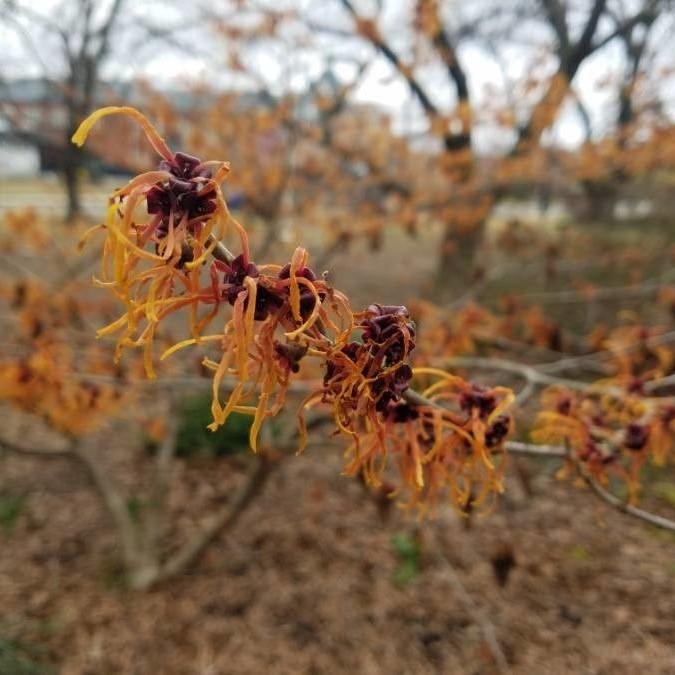
Hamamelis Mollis (Chinese Witch Hazel): Complete Grow & Care Guide
Learn to grow, care for, and enjoy Hamamelis mollis (Chinese witch hazel), a fragrant winter-blooming shrub with vibrant autumn foliage for temperate gardens.
2026-07-26 · 12 min read
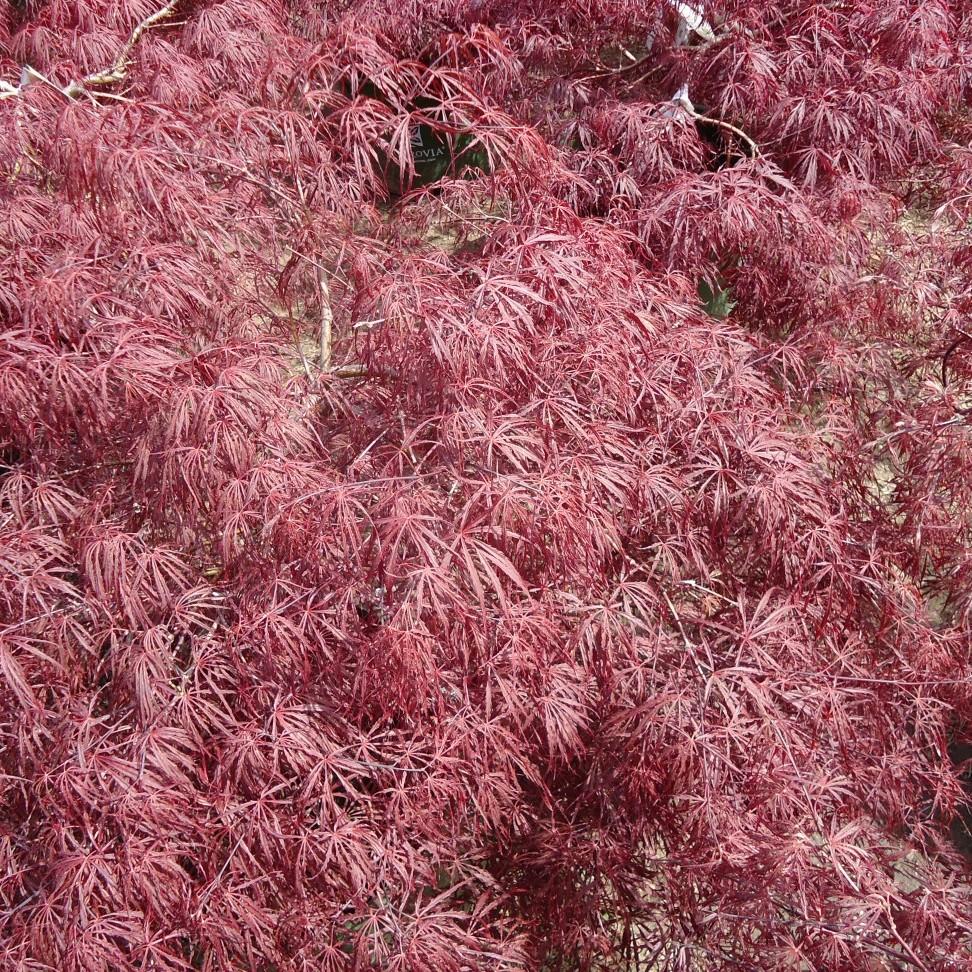
Japanese Maple Plant Description: Key Details for Iijima Sunago, Select Red, and Popular Cultivars
Get clear, beginner-friendly descriptions of Japanese maple trees, including specific details for Iijima Sunago and Select Red cultivars, plus care and pruning tips.
2026-07-26 · 8 min read
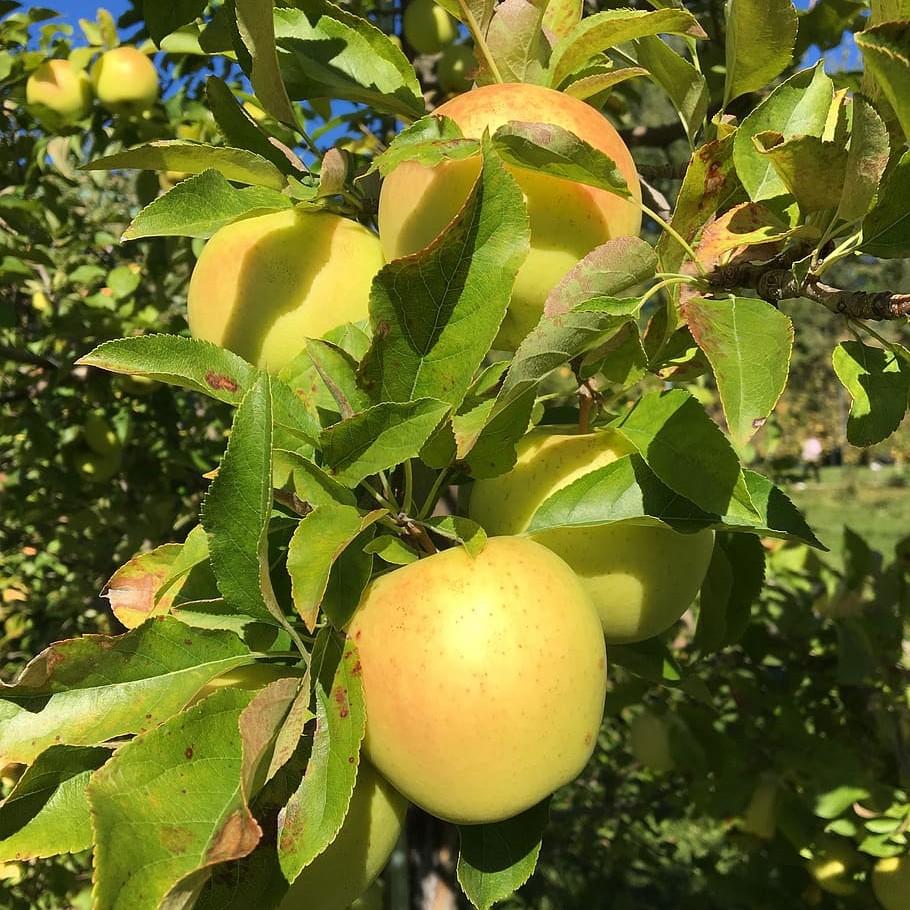
Flowering Crabapple: Grow Guide, Cultivars, and Landscape Uses
Learn to grow and care for flowering crabapple trees, with tips on cultivar selection, bloom care, disease resistance, and using their edible fruit and seasonal foliage.
2026-07-25 · 11 min read