Names for Plants: A Beginner’s Guide to Common, Scientific, and Fun Plant Naming Conventions
Learn all about names for plants, from scientific binomial nomenclature to common nicknames, plus examples of popular maple trees and how to name your own plants.
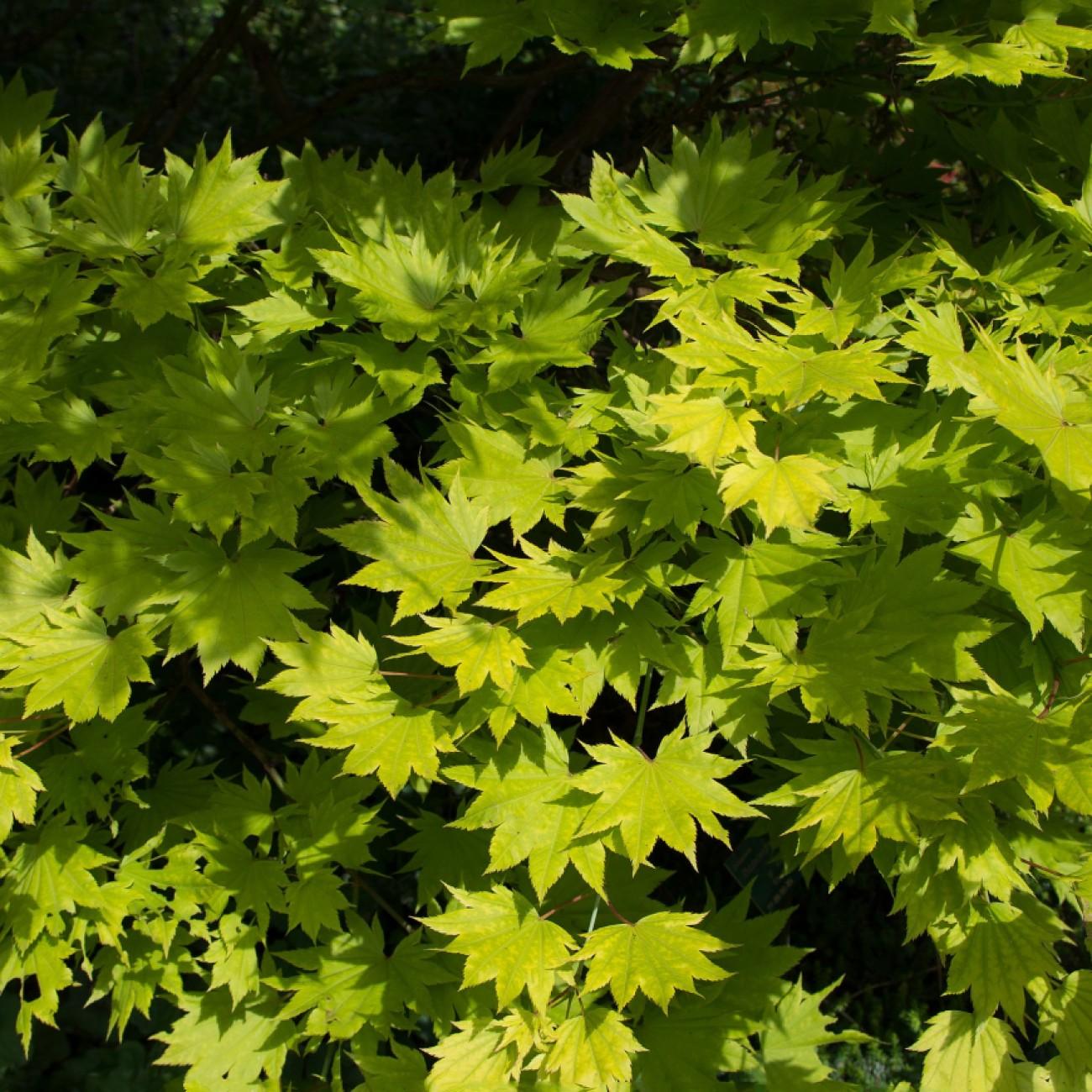
If you’ve ever browsed a nursery, flipped through a gardening book, or swapped plant tips with a friend, you’ve probably noticed there are multiple names for plants depending on who you’re talking to. Some are short and catchy, others sound like Latin tongue-twisters, and others are playful, personal nicknames for greenery you keep in your home or yard. Understanding the different naming systems makes it easier to find accurate care advice, avoid misidentifying species when shopping, and even add a fun personal touch to your plant collection.
There are two core systems used for naming plants, and both serve distinct purposes. Common names are the casual, easy-to-remember labels used in everyday conversation, often based on a plant’s appearance, region, or historical use. Scientific names are a standardized, global system designed to eliminate confusion between species that may share the same common nickname across different regions. Knowing both types of labels will help you look up reliable care guidance, confirm if a plant is safe for pets, and make sure you’re buying the exact species you want. If you ever can’t place a plant’s label, Sproutly’s plant identification tool can pull up both its common and scientific name in seconds. To get a confident match every time, follow our guide on how to identify plant species accurately.
Understanding Scientific Names for Plants: The Basics
The official scientific system for naming plants is called binomial nomenclature, and every recognized species has a unique two-part name to avoid confusion across languages and regions. The first part is the genus, a broad group of closely related species that share core traits. The second part is the specific epithet, which identifies the exact species within that genus.
Cultivars — plants bred for specific unique traits like unusual leaf color, dwarf size, or cold hardiness — get an extra label in single quotes at the end of their scientific name to note their cultivated variety. A popular example is Acer palmatum ‘Bloodgood’, where Acer is the genus for all maple trees, palmatum is the species for Japanese maples, and ‘Bloodgood’ is the cultivar name for this specific deep-red-leaved variety.
Common Names for Plants: Popular Maple Tree Examples
Common names for plants usually highlight a species’ most noticeable trait, making them easy to remember for casual use. To illustrate how this works, we pulled four well-loved maple varieties from the Sproutly plant encyclopedia to show the link between their common names and their defining features:
- Amur Maple (Acer ginnala): Named for its native range in the Amur River region of East Asia, this hardy full-sun outdoor tree is pet-safe and produces vibrant red fall foliage. It adapts well to most soil types, making it a low-fuss choice for new yard owners.
- Beni Kawa Coral Bark Japanese Maple (Acer palmatum ‘Beni Kawa’): Its common name directly references its most eye-catching feature: bright coral-red bark that stands out even in winter when its leaves have fallen. It thrives in full sun and is pet-safe, making it a great year-round focal point for small yards.
- Bloodgood Japanese Maple (Acer palmatum ‘Bloodgood’): Named for its deep burgundy-red leaves that hold their color all summer long, this flowering full-sun variety is also pet-safe. It grows to a manageable 15 to 20 feet tall at maturity, so it works well in both small and large landscapes.
- Coonara Pygmy Japanese Maple (Acer palmatum ‘Coonara Pygmy’): The “pygmy” in its common name signals that this is a dwarf cultivar, only reaching 3 to 4 feet tall at maturity. It’s perfect for container planting or small garden beds where a full-size maple would take up too much space.
All of these maple varieties are humidity-loving, so you’ll want to water them deeply during dry spells and add a layer of mulch around their base to retain soil moisture if you add one to your yard.
Fun, Personal Names for Plants: Naming Your Indoor and Outdoor Greenery
Beyond formal common and scientific labels, many plant owners like to give their personal greenery custom nicknames to add personality to their collection. You don’t need any formal rules here — the best custom names are ones that feel meaningful to you. A few simple ideas to draw inspiration from:
- Appearance: Name a plant after its most noticeable trait. For example, a pink-tipped Chishio Japanese Maple could be “Blush,” while a trailing pothos with variegated leaves could be “Stripe.”
- Care needs: If you have a plant that needs extra frequent watering, you could call it “Thirsty” as a quick reminder to check its soil regularly.
- Pop culture references: Name a dramatic, dark-leaved maple after your favorite fantasy character, or a delicate fern after a beloved TV show protagonist.
- Puns: Playful wordplay works well for all types of greenery, from “Maple Syrup” for a small potted maple to “Fernando” for a full, bushy fern.
Naming your plants can also help you remember their care routines better, as you’re more likely to check in on a plant you’ve given a personal nickname. You can save custom names for every plant in your Sproutly care tracker to keep your collection organized, and set up custom care reminders tailored to each plant’s specific needs.
How to Look Up Unknown Plant Labels
If you have an unlabeled greenery in your yard or home that you can’t identify, these simple beginner-friendly steps will help you find its correct name:
- Check for any remaining tags from the nursery or store where you bought the plant, as these often list both common and scientific labels.
- Note its key traits: leaf shape and color, bark texture, growth habit (dwarf, trailing, upright), any flowers or fruit it produces, and the light conditions it’s growing in.
- Cross-reference these traits with a trusted plant encyclopedia to narrow down possible matches.
- If you’re still not sure, use a plant identification tool like Sproutly to scan a clear photo of the plant’s leaves and get accurate common and scientific names in seconds.
Getting the right name for a plant is the first step to giving it the correct light, water, and humidity care it needs to thrive, so it’s worth taking a minute to confirm if you’re unsure of a species.
Common Mistakes to Avoid With Plant Labels
New plant owners often run into a few simple pitfalls when learning about plant naming systems, and avoiding them will save you confusion and care missteps down the line:
- Assuming two plants with the same common name are the same species: For example, multiple unrelated plants are called “maple” across different regions, including the Japanese maple varieties we listed above and the sycamore maple, which has different care needs. Always cross-reference the scientific name if you’re buying a plant for a specific trait like pet safety or cold hardiness.
- Worrying about mispronouncing scientific names: Scientific names are designed for clarity, not perfection. Most plant owners learn pronunciations as they go, and it’s completely fine to sound out a name or use a common label when talking casually.
- Forgetting to note cultivar names that change care needs: Most Japanese maples thrive in full sun, for example, but the Aureum Japanese Maple (Acer palmatum ‘Aureum’) prefers partial shade to avoid scorching its delicate golden leaves. If you’re buying a cultivar, make sure to note its full name so you can look up care guidance specific to that variety.
Wrapping Up
Names for plants serve two key purposes: they standardize species identification for care and research, and they let you add a personal touch to your own plant collection. Whether you’re looking for a specific maple to add to your yard, learning the scientific name of a houseplant to find accurate care tips, or coming up with a silly nickname for your favorite potted greenery, understanding the different naming systems makes plant care simpler and more fun.
If you want to explore more plant labels, you can browse the full Sproutly plant encyclopedia to look up species you’re curious about, and test out the ID tool if you have an unlabeled plant at home you want to identify.
Frequently Asked Questions
Why do plants have two different names?
Plants have a common name for casual, everyday use, and a standardized scientific name to avoid confusion between species that may share the same nickname across different regions or communities.
Are all Japanese maple varieties pet-safe?
All the Japanese maple varieties listed in the Sproutly encyclopedia are marked as pet-safe, making them a great choice for yards where dogs or cats spend time unsupervised.
How do I find the name of an unknown plant I found or bought?
You can use a plant identification tool like Sproutly to scan a photo of the plant, or cross-reference its leaves, growth habit, and flowers with a trusted plant encyclopedia to find its common and scientific names.
Do I need to use scientific names for plants when talking to other plant owners?
No, common names work fine for casual conversation, but using the scientific name can help avoid miscommunication if you’re asking for care tips or looking for a specific species to buy.
Try Sproutly
Ready to identify unlabeled plants, save custom nicknames for your collection, and get tailored care reminders for every species you own? Try Sproutly today to make caring for your plants simpler and more fun.
Related Reading
More guides you may like
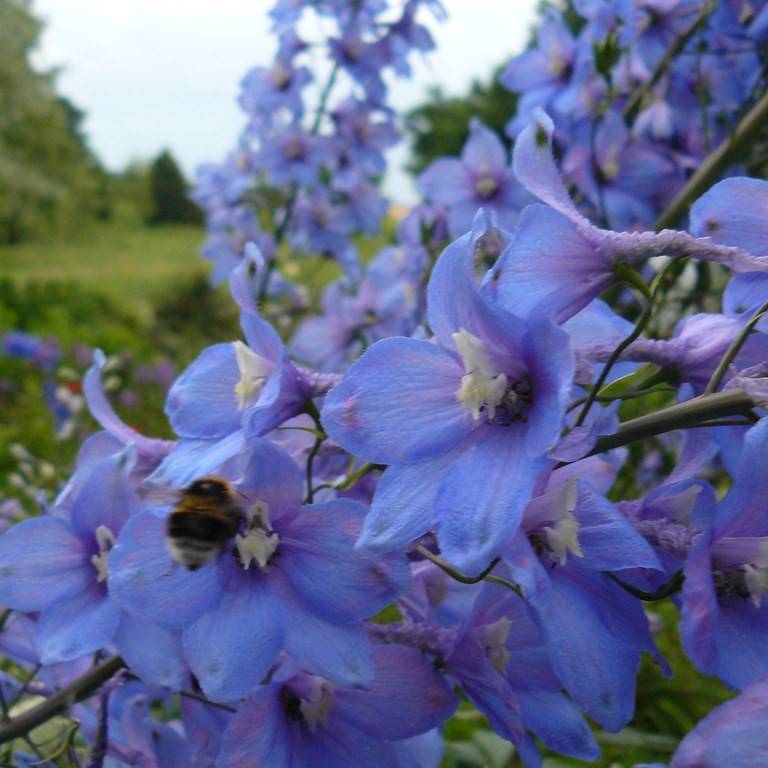
Delphinium Elatum: Care, Cultivars, Toxicity, and Growing Guide
Learn how to grow and care for Delphinium elatum, including sun, water, and soil needs, popular cultivars, and toxicity warnings for home gardeners.
2026-07-31 · 16 min read
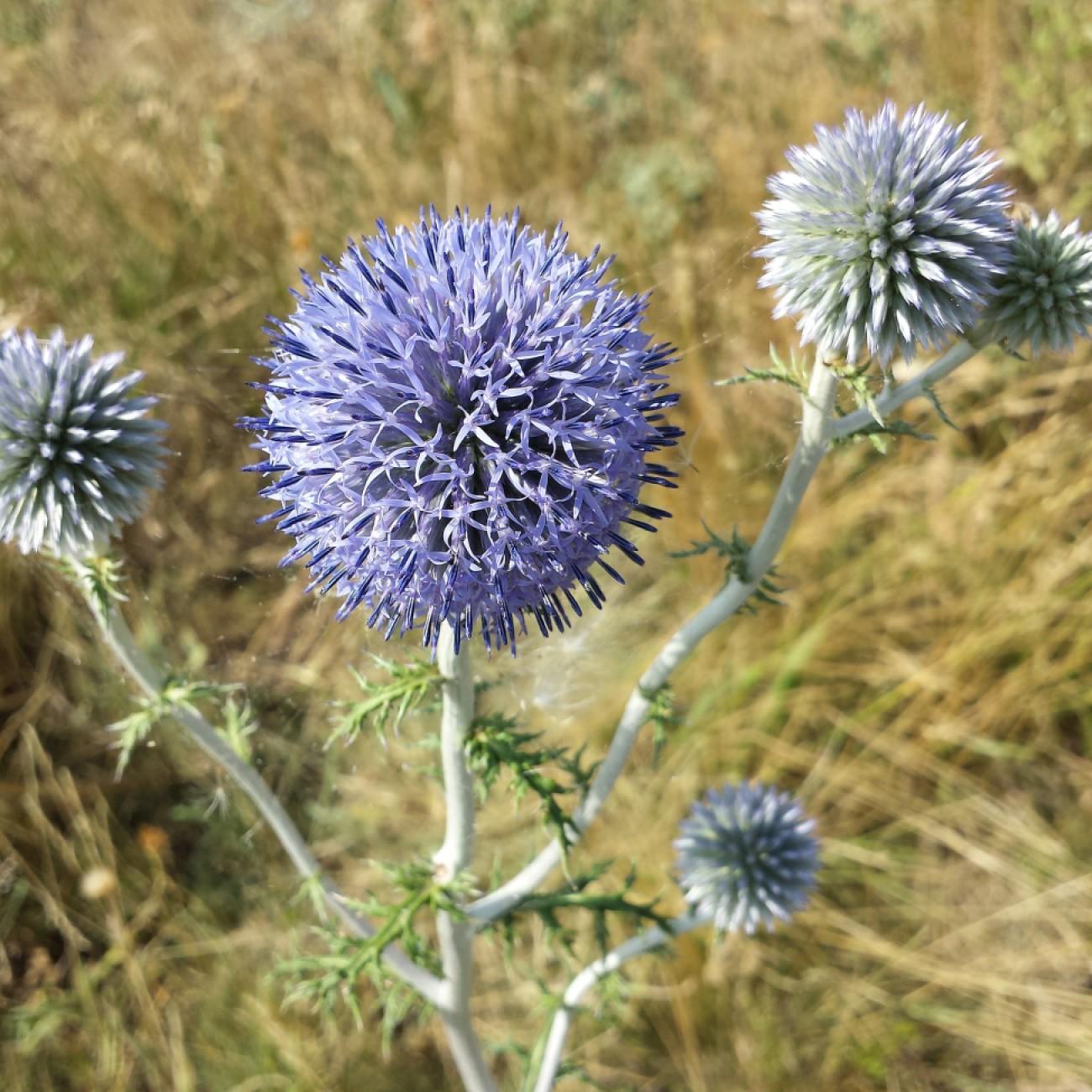
Games for Plants: Plant-Focused Video Games and Real-World Activities for Plant Lovers
Explore games for plants, from cozy plant-themed video games to low-lift real-world activities you can do with your houseplants to boost their health and your joy.
2026-07-31 · 17 min read
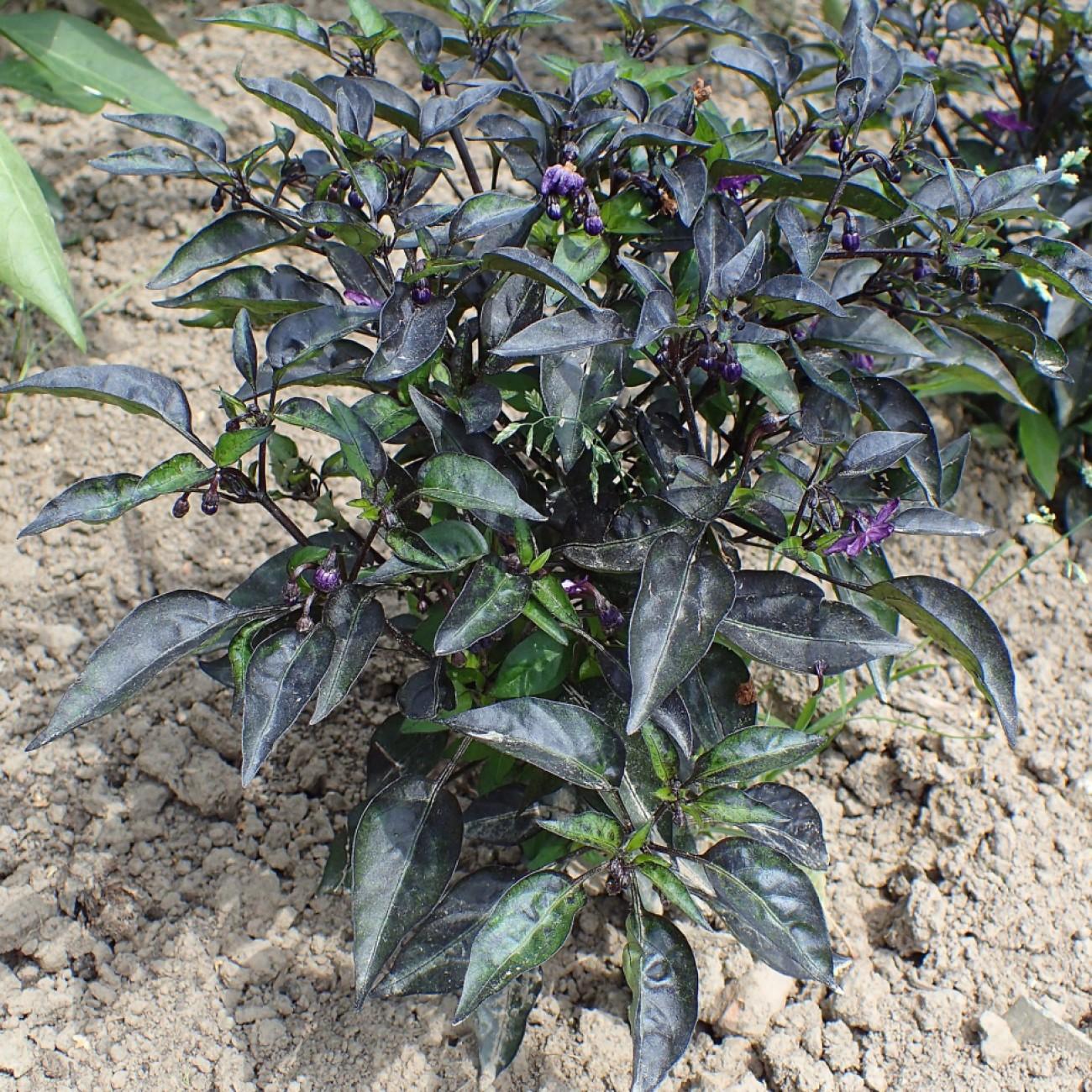
Cayenne Pepper: Benefits, Side Effects, Uses & Growing Guide
Learn all about cayenne pepper, including its nutritional benefits, potential side effects, culinary uses, and tips for growing your own Capsicum annuum at home.
2026-07-30 · 11 min read