Scotch Heather Plant: Complete Grow, Care, and Cultivar Guide
Learn how to grow and care for the scotch heather plant (Calluna vulgaris), including cultivars, planting tips, bloom care, and propagation steps for your outdoor garden.
Scotch Heather Plant: Complete Grow, Care, and Cultivar Guide
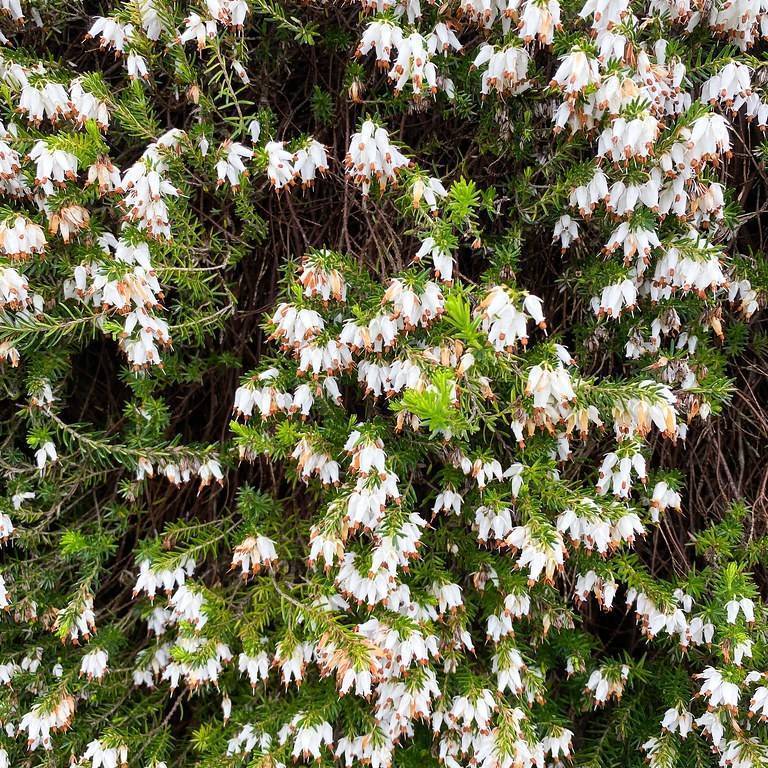
The scotch heather plant (Calluna vulgaris) is a low-growing evergreen shrub native to European moorlands, hardy in USDA zones 4 to 6, that thrives in full sun and acidic, well-drained soil. It blooms from July to September with tiny pink or purple bell-shaped flowers, and is non-toxic to pets, making it a low-fuss addition to temperate home gardens.
What Is a Scotch Heather Plant (Calluna vulgaris)?
The scotch heather plant, or Calluna vulgaris, is a low-growing evergreen shrub native to European moorlands, with small, scale-like green foliage and dense spikes of tiny purple-pink flowers in late summer. It grows 8 to 24 inches tall and spreads 12 to 36 inches wide, thriving in cool, full-sun environments with high humidity. It is classified as pet-safe and has a history of traditional medicinal use for coughs and skin irritation.
The following quick facts summarize key scotch heather plant attributes:
- Hardiness zones: 4 to 6
- Preferred soil pH: 4.5 to 5.5 (acidic)
- Bloom time: July to September
- Mature size: 8–24” tall, 12–36” wide
- Light requirement: 6+ hours of direct full sun daily
If you are unsure if a shrub in your garden is a scotch heather plant, upload a photo to the Sproutly app for fast, accurate identification to confirm the species and cultivar. For a full species profile, visit our Scotch heather encyclopedia entry.
Key Scotch Heather Plant Features
The scotch heather plant is recognizable by its tightly packed, scale-like foliage that stays green year-round, and its upright spikes of tiny bell-shaped flowers that cover the entire shrub in bloom. Unlike similar flowering shrubs, its foliage may turn bronze or deep red in cold winter temperatures for added seasonal interest. It produces nectar that supports native pollinators including bumblebees and honeybees, making it a functional addition to pollinator gardens.
Scotch heather plant foliage grows in overlapping, dense rows along woody stems, giving the shrub a soft, feathery texture even when not in bloom. Flower colors range from pale pink to deep purple, with some cultivars producing white or bi-colored blooms. The shallow, fibrous root system spreads wide just below the soil surface, making it tolerant of poor, rocky moorland soils where few other shrubs can grow.
Popular Scotch Heather Plant Cultivars
Most scotch heather plant cultivars share core care requirements, but differ in foliage color, bloom time, and mature size to fit a range of garden uses. Three widely available, low-maintenance cultivars are ideal for first-time growers, with distinct visual traits to suit different landscape designs. Generic care guides rarely highlight these specific, easily sourced varieties, making them a reliable pick for gardeners who want consistent performance without extra work.
- Calluna Vulgaris 'Spring Torch': Features bright bronze-red new growth in spring that matures to green, with light purple blooms in mid-summer. Grows 12 to 18 inches tall, making it a good choice for border edging.
- Calluna vulgaris 'Beoley Gold': Has golden-yellow evergreen foliage that stays bright year-round, with pale pink blooms in late summer. Grows 6 to 12 inches tall, perfect for rock gardens or ground cover.
- Calluna vulgaris 'Gold Haze': Produces bright, near-lime green foliage and large, dense white flower spikes in late summer. Grows 8 to 16 inches tall, and stands out when planted alongside darker purple flowering cultivars.
If you spot an unnamed scotch heather plant at a local nursery, scan it with the Sproutly app to confirm its cultivar and get customized care recommendations tailored to that specific variety.
How to Plant a Scotch Heather Plant
Plant a scotch heather plant in early spring or early fall, when temperatures are between 45°F and 65°F to reduce transplant shock. It requires well-drained, acidic soil with no added lime, and a spot that receives 6+ hours of direct full sun daily. Avoid planting in low-lying areas where water pools, as standing water will cause root rot quickly. Even short periods of saturated soil can kill a young scotch heather plant, so drainage is a higher priority than nutrient density for planting sites.
Follow these step-by-step planting instructions:
- Dig a hole twice as wide as the root ball and the same depth, so the top of the root ball sits level with the surrounding soil. Planting too deep can smother the shallow root system and cause stem rot.
- Mix 1 part peat moss or pine bark fines into the excavated soil to lower pH and improve drainage, if your native soil is neutral or alkaline.
- Place the scotch heather plant in the hole, backfill with the amended soil, and press gently to remove air pockets. Do not compact the soil heavily, as this restricts root growth.
- Water deeply until the soil is saturated 6 inches deep, then add a 2-inch layer of pine straw or oak leaf mulch around the base to retain moisture and regulate soil temperature. Avoid piling mulch against the stem, as this can trap moisture and cause decay.
- Space multiple scotch heather plants 12 to 24 inches apart to allow for mature spread without overcrowding. Tighter spacing creates a denser ground cover effect, while wider spacing highlights individual shrub shapes.
Scotch Heather Plant Watering Requirements
Water a newly planted scotch heather plant 2 to 3 times per week for the first 3 months, keeping the top 4 inches of soil consistently moist but not soggy. Once established, water it once per week during periods of no rain, or more often during extended heat waves above 80°F. Avoid watering the foliage directly to reduce the risk of fungal leaf spot, which can spread quickly in humid conditions.
A scotch heather plant is sensitive to overwatering, so always check the top 2 inches of soil before watering: if it feels dry to the touch, it is time to water. In areas with heavy clay soil, amend the planting hole with extra perlite or pine bark to prevent water from pooling around the roots. If you struggle to remember your watering schedule, log your scotch heather plant in the Sproutly app to get customized reminder alerts based on your local weather and soil conditions.
Getting Your Scotch Heather Plant to Bloom
A healthy scotch heather plant will produce blooms for 4 to 6 weeks between July and September, with flowering duration depending on the cultivar and local temperatures. It requires 6+ hours of full sun daily to set flower buds; too much shade will result in sparse or no blooms. Avoid fertilizing with high-nitrogen products, as this will encourage foliage growth at the expense of flowers. Alkaline soil is another common cause of failed blooming, as it prevents the shrub from absorbing phosphorus, a nutrient critical for flower development.
Follow these tips to maximize bloom production:
- Prune lightly in early spring, right before new growth emerges, to remove dead flower spikes from the previous year and encourage new bud formation. Do not cut back into old, woody stems, as these rarely produce new growth.
- Apply a thin layer of ericaceous (acid-loving) plant fertilizer in early spring only, following package instructions to avoid over-fertilizing. Too much fertilizer can burn the shallow root system and reduce flowering.
- Ensure soil pH stays between 4.5 and 5.5, as alkaline soil will prevent the scotch heather plant from absorbing nutrients needed for bloom development. Test soil pH annually, and amend with sulfur or peat moss if levels rise above 5.5.
How to Propagate a Scotch Heather Plant
The easiest way to propagate a scotch heather plant is via softwood cuttings taken in early summer, when new growth is still green and flexible. Cuttings root reliably in 8 to 12 weeks when kept in humid, cool conditions with indirect light. Propagating from seed is possible but very slow, taking 2 to 3 years to produce a flowering-sized plant, so cuttings are recommended for most home growers. Cuttings will also retain the exact foliage and bloom traits of the parent plant, which is not guaranteed when growing from seed.
Follow these steps to propagate from cuttings:
- Cut 3 to 4 inch long stems from the tips of new growth, removing the lower 1 inch of foliage. Take cuttings in the early morning when the plant is well-hydrated for best results.
- Dip the cut end in rooting hormone powder to speed up root development, if desired. While not strictly required, rooting hormone can increase success rates by 20-30% for novice propagators.
- Plant the cutting in a pot filled with a 50/50 mix of peat moss and perlite, pressing the soil firmly around the stem to hold it in place. Do not use regular potting soil, as it is often too alkaline and retains too much moisture for young cuttings.
- Water lightly, then cover the pot with a clear plastic bag to maintain 70-80% humidity, and place it in a spot with bright indirect light. Avoid direct sun, which can overheat the cutting and cause it to wilt.
- Check the cutting weekly to keep the soil moist, and remove the bag once new growth appears, indicating roots have formed. Gradually expose the cutting to more direct sun over 1 to 2 weeks before transplanting it to its permanent location.
You can upload a photo of your new cutting to the Sproutly app to track its growth progress and get care tips for young scotch heather plant seedlings.
Common Scotch Heather Plant Problems and Fixes
The scotch heather plant is relatively pest and disease resistant, but it can develop issues when grown in conditions outside its preferred range. The most common problems are root rot from overwatering, yellow foliage from alkaline soil, and sparse growth from insufficient sun. It is rarely affected by pests, though spider mites may appear during extended dry, hot weather, when humidity levels drop below 40% for multiple weeks.
- Yellowing foliage: Test your soil pH; if it is above 5.5, amend with peat moss or sulfur to lower acidity, and avoid using lime or alkaline fertilizers. If pH is within the correct range, yellowing may be a sign of overwatering, so reduce watering frequency and check that soil drains well.
- Wilting stems with soggy soil: This is a sign of root rot. Dig up the plant, cut away any mushy black roots, and replant in fresh, well-drained amended soil in a sunnier spot. If more than 50% of the root system is rotted, the plant may not recover, so take cuttings from healthy stems to propagate a new plant.
- Small brown spots on foliage: This is fungal leaf spot from overhead watering. Remove affected stems, and water only at the base of the plant to keep foliage dry. In severe cases, apply a copper fungicide following package instructions to stop spread.
- Tiny webbing on foliage, with yellow speckling: This is spider mites. Spray the plant with a dilute neem oil solution once per week for 3 weeks to eliminate the infestation. Increase humidity around the plant with occasional light misting (only in the morning, so foliage dries quickly) to prevent future outbreaks.
Scotch Heather Plant vs. Scotch Broom: Key Differences
The scotch heather plant is often confused with Scotch broom (Cytisus scoparius), another full-sun, pet-safe outdoor flowering shrub, but the two have distinct care needs and growth traits. Scotch broom is drought-tolerant and grows 3 to 10 feet tall with bright yellow pea-like flowers, while the scotch heather plant is humidity-loving, shorter, and produces tiny bell-shaped pink or purple blooms. The two also have vastly different invasive potential, a detail most generic guides fail to highlight for home gardeners.
Scotch broom is classified as an invasive species in many parts of North America, including the Pacific Northwest and Southeast, so it is not recommended for landscape planting. It spreads aggressively via seed, outcompeting native plants and reducing habitat for local wildlife. The scotch heather plant is non-invasive in most temperate growing zones, making it a safer choice for home gardens. If you are unsure which shrub you have, scan it with the Sproutly app for a fast, accurate ID to avoid planting invasive species.
Frequently Asked Questions About Scotch Heather Plants
Is the scotch heather plant pet-safe?
Yes, all varieties of the scotch heather plant (Calluna vulgaris) are non-toxic to dogs, cats, and horses, making it a safe choice for yards accessed by pets.
How big does a scotch heather plant get?
Most scotch heather plant varieties grow 8 to 24 inches tall and 12 to 36 inches wide at maturity, depending on the specific cultivar.
Do scotch heather plants come back every year?
Yes, the scotch heather plant is an evergreen perennial in USDA hardiness zones 4 through 6, so it will retain its foliage and return to bloom year after year when grown in its preferred conditions.
Can you grow a scotch heather plant in a pot?
Yes, you can grow a scotch heather plant in a pot with drainage holes filled with acidic, well-drained ericaceous potting mix. It will require more frequent watering than in-ground plants, as potted soil dries out faster.
When should you prune a scotch heather plant?
Prune your scotch heather plant lightly in early spring, right before new growth emerges, to remove dead flower spikes from the previous year and encourage dense, bushy growth and more blooms.
Try Sproutly
Whether you need help confirming your scotch heather cultivar, remembering your watering schedule, or troubleshooting yellowing foliage, Sproutly makes plant care simple. Upload a photo of your shrub for fast identification, log it in your personal plant collection, and get customized care reminders tailored to your local climate and specific plant variety. Try Sproutly today to keep your scotch heather and all your garden plants thriving.
Похожие статьи
Ещё руководства, которые вам понравятся
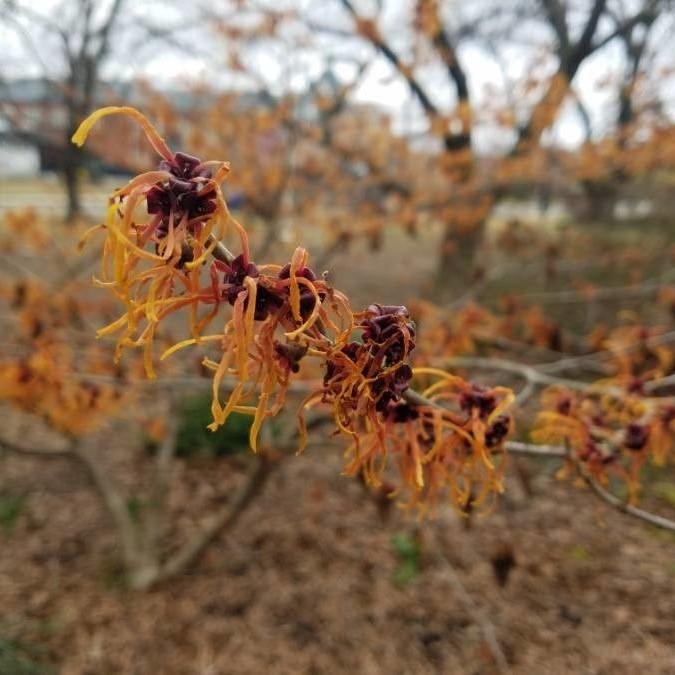
Hamamelis Mollis (Chinese Witch Hazel): Complete Grow & Care Guide
Learn to grow, care for, and enjoy Hamamelis mollis (Chinese witch hazel), a fragrant winter-blooming shrub with vibrant autumn foliage for temperate gardens.
2026-07-26 · 12 min read
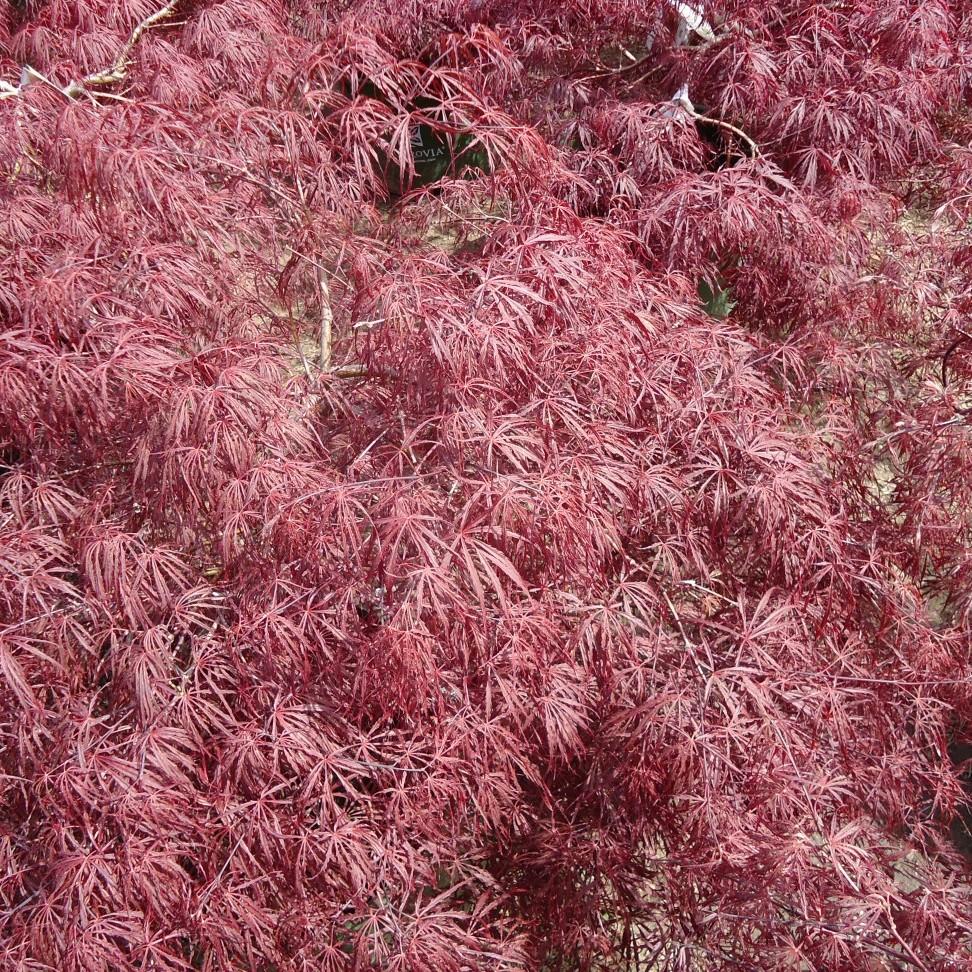
Japanese Maple Plant Description: Key Details for Iijima Sunago, Select Red, and Popular Cultivars
Get clear, beginner-friendly descriptions of Japanese maple trees, including specific details for Iijima Sunago and Select Red cultivars, plus care and pruning tips.
2026-07-26 · 8 min read
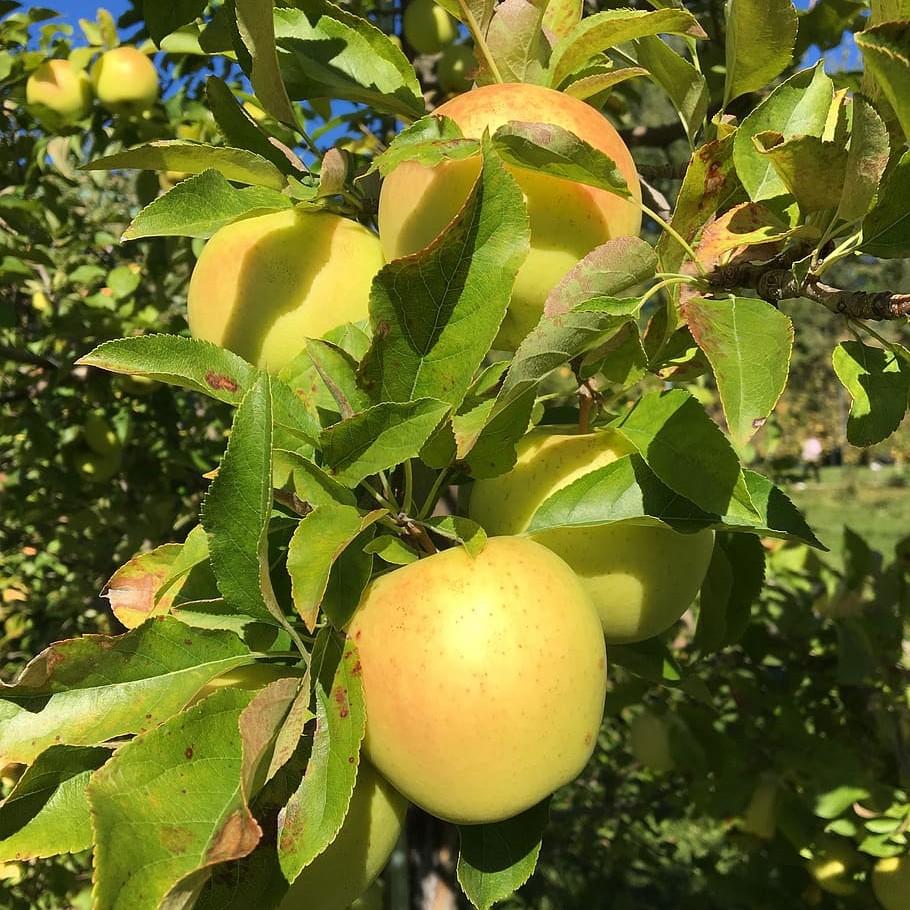
Flowering Crabapple: Grow Guide, Cultivars, and Landscape Uses
Learn to grow and care for flowering crabapple trees, with tips on cultivar selection, bloom care, disease resistance, and using their edible fruit and seasonal foliage.
2026-07-25 · 11 min read